
By body weight, there are large bird species found across the globe. According to fossil records, birds are considered to be the last surviving species in the dinosaur category. They are referred to as avian dinosaurs.
Biggest birds in the world
Ostrich
It is regarded to be the world’s largest living bird weighing around 63- 156 kg. It is found commonly in Africa. In height, male ostriches (read here about the ostrich symbolism) are around 6’11” to about 9’2”, and females around 5’” to 6’7”. They can run very fast covering about 9.8 ft – 16.4 ft within a single stride and jog at about 48 km/h (30 mph).
Somali ostrich (Struthio molybdophanes)
It weighs about 130 kg (287 lb) and is the 2nd largest flightless bird. This large flightless bird can be seen in the ‘Horn of Africa’, across Somalia and north-eastern Ethiopia. In 2014, it was identified as a unique species.
Southern Cassowary
It weighs about 83 kg (183 lb) and the scientific term is Casuarius Casuarius. It is found across northeastern Australia, New Guinea, and Indonesia. Its height is around 127 to 170 cm. Males weigh about 36-50 kg, while females weigh around 68 kg. It is also considered to be the largest extant Asian and Australian bird.
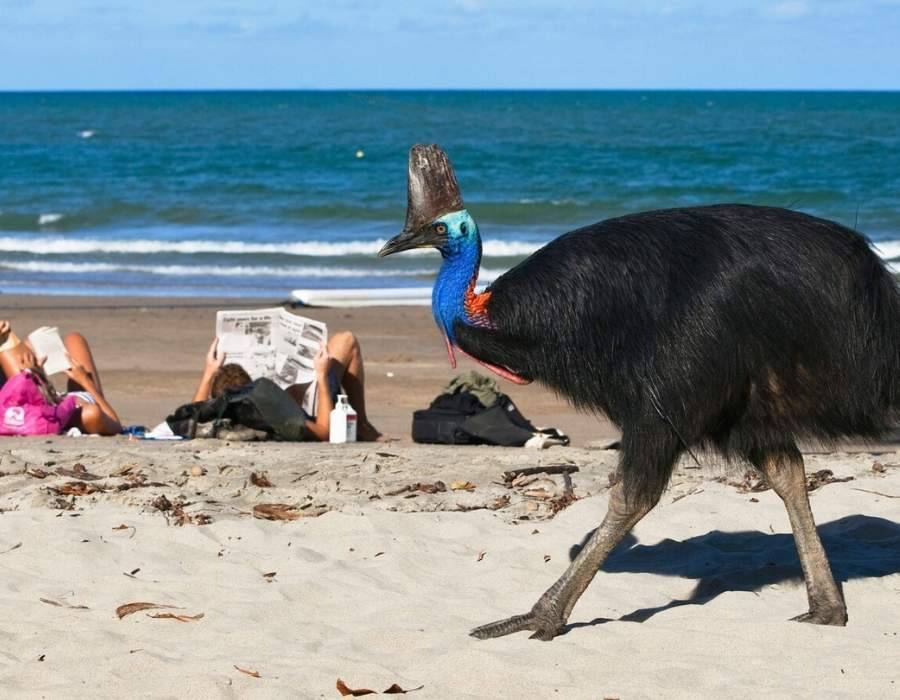
Northern cassowary (Casuarius unappendiculatus)
It weighs about 70 kg (154 lb). This bulky, large bird is found in New Guinea. Males are quite smaller, while females weigh around 70 kg (154 lb). Their average weight is around 58 kg (128 lb). Although having a stocky build, it can run fast at a speed of about 50 km/h (31 mph).
Emu (Dromaius novaehollandiae)
It weighs about 60 kg (99 lb). By height, it is regarded to be the 2nd largest of the biggest birds in the world. The ostrich is its close relative. It has a height of about 6.2 ft. (1.9 meters). It weighs around 40 and 132 lb (18 and 60 kg). When compared to males, females are somewhat larger. They can run at a speed of about 30 mph (48 km/h). It is commonly found in Australia.
Emperor Penguin (Aptenodytes forsteri)
It weighs about 45 kg (99 lb) and is spread across Antarctica. In height, it reaches about 51” (130 cm) and weighs around 49 – 99 lb (22-45 kg). Among all the living penguin species, it is the heaviest and the tallest. Reads here about the penguin’s spiritual meaning.
Greater rhea (Rhea Americana)
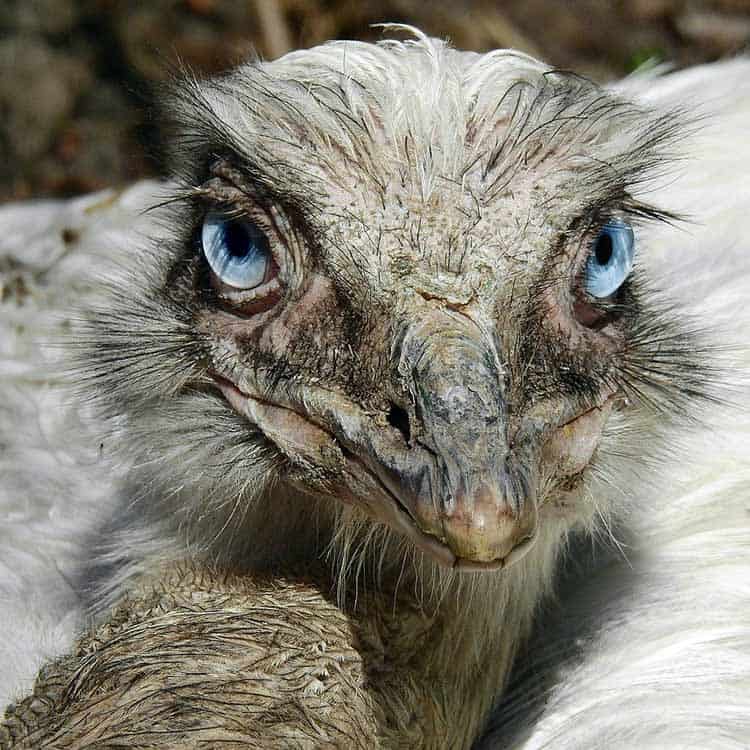
It weighs about 40-88 lb (20-40 kg) and is the American continent’s largest bird. Its powerful, strong legs allow it to run at about 56 km/h (35mph). It is found commonly in Brazil, Bolivia, Argentina, Uruguay, and Paraguay.
Domesticated Turkey (Meleagris gallopavo)
It weighs about 86lb (39kg). It has its English name as ‘turkey’ probably due to some early misidentification with some unrelated species.
Darwin’s rhea (Rhea pennata)
It weighs around 63lb (28.6kg) and is referred to as the lesser rhea. In height, it is around 35”-39” (90-100 cm), while the length is around 90-100 cm. This bird is found in South America’s Patagonia region and the Altiplano (Bolivian or Andean Plateau in West Central South America.
Dwarf cassowary (Casuarius bennetti)
It weighs about 57 lb (26 kg): In height, this bird is around 3.25 and 4.92 ft (99-150 cm). It can be found across New Guinea’s mountain forests, Yapen Island, and New Britain.
King Penguin (Aptenodytes patagonicus)
It weighs over 40lb (18+ kg) and is around 28”-39” (70-100 cm) tall. When compared to females, males are somewhat larger. Among penguins, it is considered to be the 2nd largest species.
Kori bustard (Ardeotis kori) and Great bustard (Otis tarda)
It is considered to be the world’s heaviest flying animal still living on this planet. The Great bustard is present in temperate Asia and South/Central Europa. However, the majority of the population can be seen in Spain and Portugal. Males are around 2’11” to 3’5” tall (90-105 cm) with a length of about 3’9” (115 cm), while their wingspan is 6’11”-8’10” (2.1-2.7m). In weight, they measure around 13-40 lb (5.8-18 kg). Females are quite smaller, weighing around 6.8-17.6 lb (3.1-8 kg).
Male Kori bustard
Their height is around 3’11” – 4’11” (120-150 cm) and weighs around 15-40 lb (7-18 kg). Females range around 6.6-15.4 lb (3- kg).
Trumpeter swan (Cygnus buccinators)
Considered one of the world’s heaviest bird species, it is found in North America. Its wingspan exceeds 10’ (3m).
Andean condor (Vultur gryphus)
The male weighs around 11-15 kg (24-33 lb), while the female about 8-11 kg (18-24 lb). Their overall length is around 100-130 cm (3’3” – 4’3”) with a large wingspan of about 10’10” (3.3m). It is found in Bolivia, Argentina, Chile, Peru, Ecuador, Venezuelan Andes States, and Colombia. Check also our comparison: condor vs vulture or read more about the condor symbolism.
Dalmatian pelican (Pelecanus crispus)
It is among the heaviest flying bird species in the world. Its length is around 160-183 cm (5’3”-6’) and weighs about 7.25-15 kg (16-33.1 lb). Its wingspan is around 290-345 cm (9’6”-11’4”). It is found in India, China, and southeastern Europe.
The above is the brief details of the largest birds. Read here about the biggest birds of prey.
[Video] 10 Of The Largest Birds In The World
Frequently Asked Questions
Are birds considered living dinosaurs?
Yes, birds are avian dinosaurs and the last surviving species in the dinosaur category according to fossil records. They evolved from theropod dinosaurs and retain many evolutionary characteristics, making them technically classified as modern dinosaurs by paleontologists.
What is the world’s largest living bird by weight?
The ostrich is the world’s largest living bird, weighing 63-156 kg. Found primarily in Africa, male ostriches reach heights of 6’11” to 9’2″, and they can run at speeds up to 48 km/h with strides covering 9.8-16.4 feet.
How do flightless birds like ostriches and emus compare in size?
The ostrich is the largest at 63-156 kg, followed by the Somali ostrich at 130 kg. The emu, the second-largest by height at 1.9 meters, weighs around 40-60 kg. All three are flightless birds with powerful legs adapted for running rather than flying.
Which penguin species is the heaviest and tallest?
The Emperor Penguin is both the heaviest and tallest penguin species, weighing 22-45 kg and reaching heights of 130 cm (51 inches). The King Penguin is the second-largest, weighing over 18 kg and measuring 70-100 cm tall.
What is the heaviest flying bird in the world?
The Great Bustard and Kori Bustard are considered the world’s heaviest flying birds. Male Great Bustards weigh 5.8-18 kg with wingspans of 2.1-2.7 meters, while male Kori Bustards reach 7-18 kg, making them exceptionally heavy for flying species.
Where are cassowary birds found and how dangerous are they?
Cassowaries inhabit northeastern Australia, New Guinea, and Indonesia. The Southern Cassowary weighs up to 83 kg, while the Northern Cassowary weighs about 70 kg. They’re known for aggressive behavior and possess powerful legs capable of running at 50-31 km/h speeds.
What is the wingspan of the largest flying birds?
The Andean Condor has a wingspan of 3.3 meters (10’10”), while the Trumpeter Swan exceeds 3 meters (10 feet). The Dalmatian Pelican has a remarkable wingspan of 290-345 cm (9’6″-11’4″), making it one of the widest-winged birds globally.
How much do rhea birds weigh and where do they live?
The Greater Rhea, South America’s largest bird, weighs 20-40 kg and inhabits Brazil, Bolivia, Argentina, and Paraguay. Darwin’s Rhea (Lesser Rhea) weighs 28.6 kg and lives in Patagonia and the Altiplano regions, running at speeds up to 56 km/h.
Which birds are considered the largest in their respective continents?
The Ostrich dominates Africa, the Emu and Southern Cassowary lead Australia-Asia, the Greater Rhea rules South America, and the Trumpeter Swan represents North America. The Andean Condor and Great Bustard are among Europe’s largest flying species by wingspan and weight.
How do male and female birds differ in size among large bird species?
Sexual dimorphism varies across species. In emus and emperor penguins, females are larger. In bustards and Andean condors, males significantly outweigh females. Northern cassowaries show minimal size differences, while Southern Cassowary females (68 kg) far exceed males (36-50 kg).