Today, many species of birds are at risk of extinction across the globe. Habitat destruction, hunting, and predators are often the main threats to these birds. In this article, you’ll find the top 15 bird species in danger of extinction.
Snowy Owl
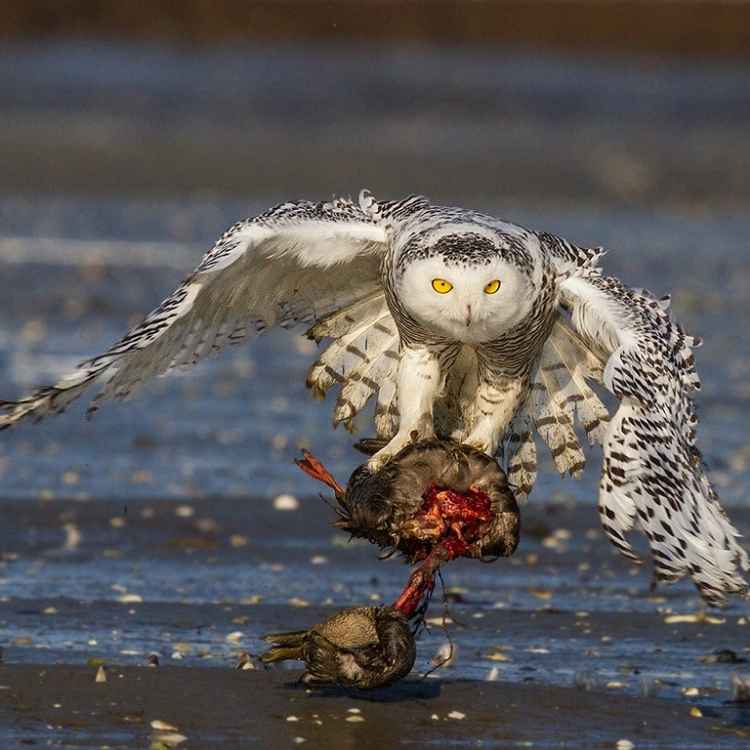
The Snowy Owl is mostly white with dark markings on its head and back. It has bright yellow eyes and can live to be over 30 years old in captivity.
Snowy Owls hunt day and night and can take down prey much larger than themselves, including rabbits, geese, and even deer. They nest on the ground, often on top of a rocky outcrop or in a clump of grass.
Nearly one-third of the world’s snowy owls are found in Canada, but the species is endangered. As the world gets warmer, the Arctic region is melting. This means there is less space for snowy owls to live and hunt.
Read more
Araripe Manakin
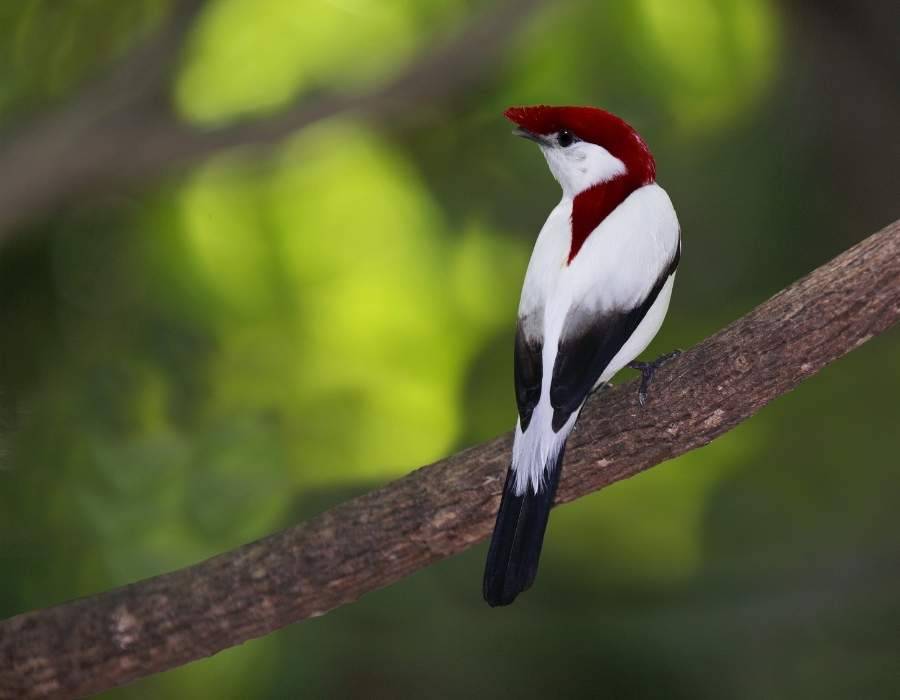
The Araripe manakin is a small, brightly colored bird found in the Atlantic Forest of northeastern Brazil. The Araripe manakin is a beautiful bird with blue and green plumage. It is about 4 inches long and weighs only 1 ounce. The bird has a long tail to balance itself while jumping and flying.
It is one of the most endangered birds in the world, with a population of less than 500 (one of the most urgent ones of the bird species in danger of extinction). The main threat to the Araripe manakin is habitat loss due to deforestation.
The bird’s forest habitat is being destroyed at an alarming rate, and it is estimated that only 10% of the Atlantic Forest remains. This destruction puts the Araripe manakin at risk of extinction.
Great Curassow
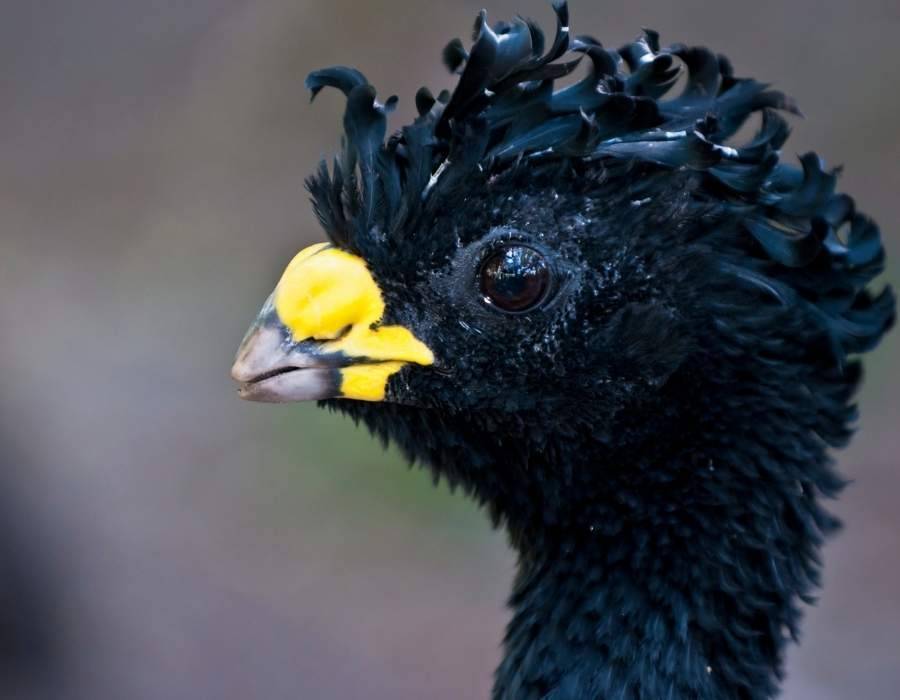
The great Curassow (Meleagris gallopavo) is a large bird species in the family Phasianidae. The Great Curassow is the largest member of the genus Meleagris, which also includes Wild Turkey.
The Great Curassow is a heavily built bird with short legs, a long body, and a large head. The bird’s natural habitat is tropical forest, where it is hunted for food by humans. It is endangered due to habitat loss and hunting pressure.
Blue-Throated Macaw
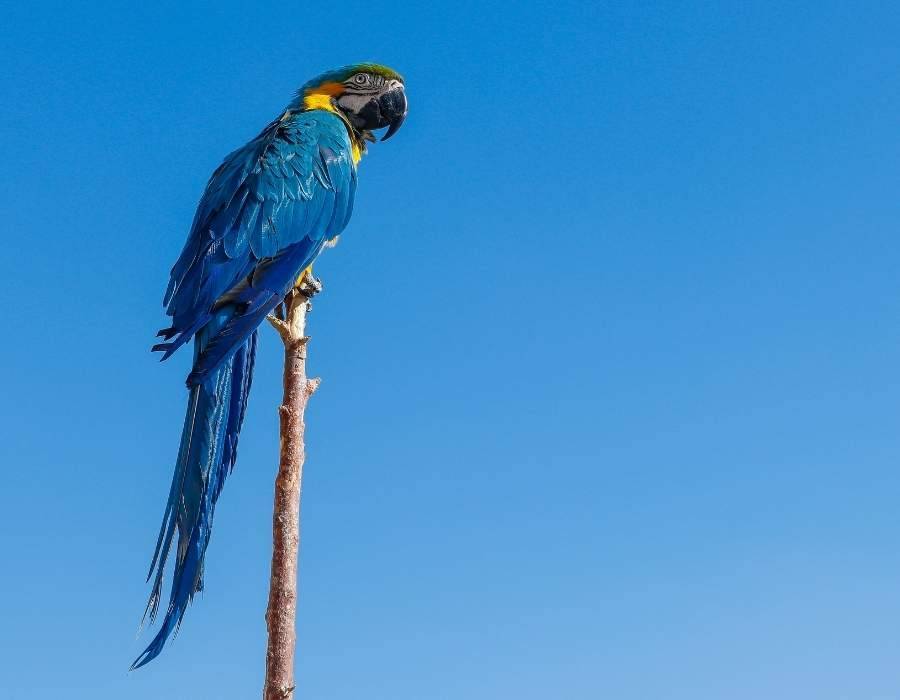
The Blue-Throated Macaw is a large, beautiful bird with a blue body and bright red underside. It is found in the tropical forests of Bolivia and is one of the rarest birds in the world.
There are estimated to be only about 300 left in the wild. The biggest threat to these birds is habitat loss due to deforestation. They are also captured for the pet trade.
The Bolivian government has set up a Nature Reserve to protect the Blue-Throated Macaw. However, more needs to be done to save this species from extinction.
We must raise awareness about their plight and work together to preserve their habitat. Only then will we be able to save this magnificent creature from vanishing forever.
Northern Bald Ibis
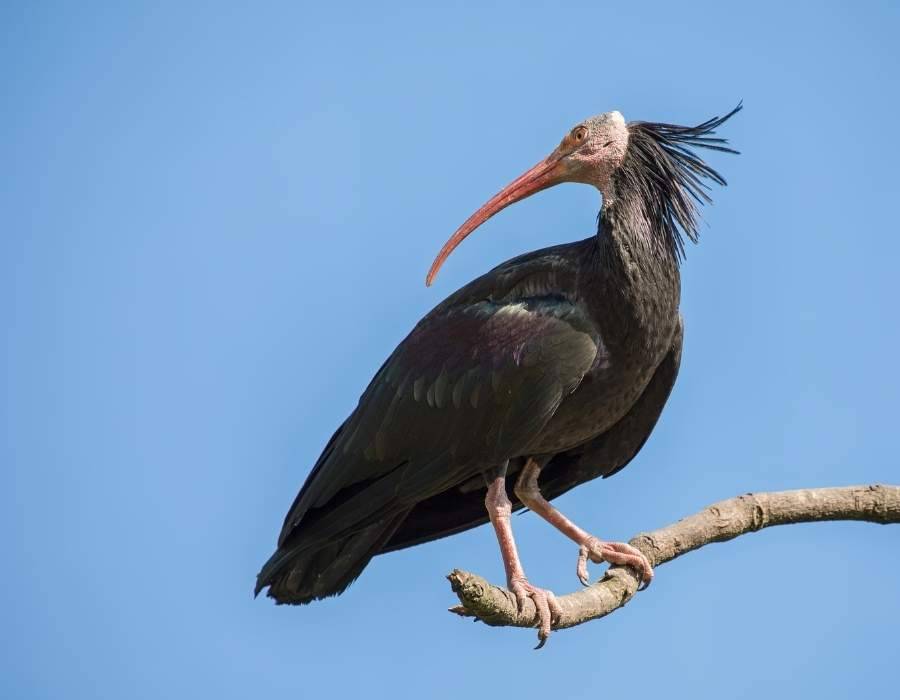
The Northern bald ibis is a large bird with a body length of up to 80 cm (31 in) and a wingspan of up to 150 cm (59 in). The plumage is black, with a bare red face and neck. The bill is curved and down-turned, and the legs are long and thin.
The Northern bald ibis was once widespread across northern Africa and southern Europe. The bird’s natural habitat is being destroyed as a result of human activity, and this is causing the population to dwindle. In addition, the northern bald ibis is hunted for food in some areas, further reducing its numbers.
Read more
Fruit Dove
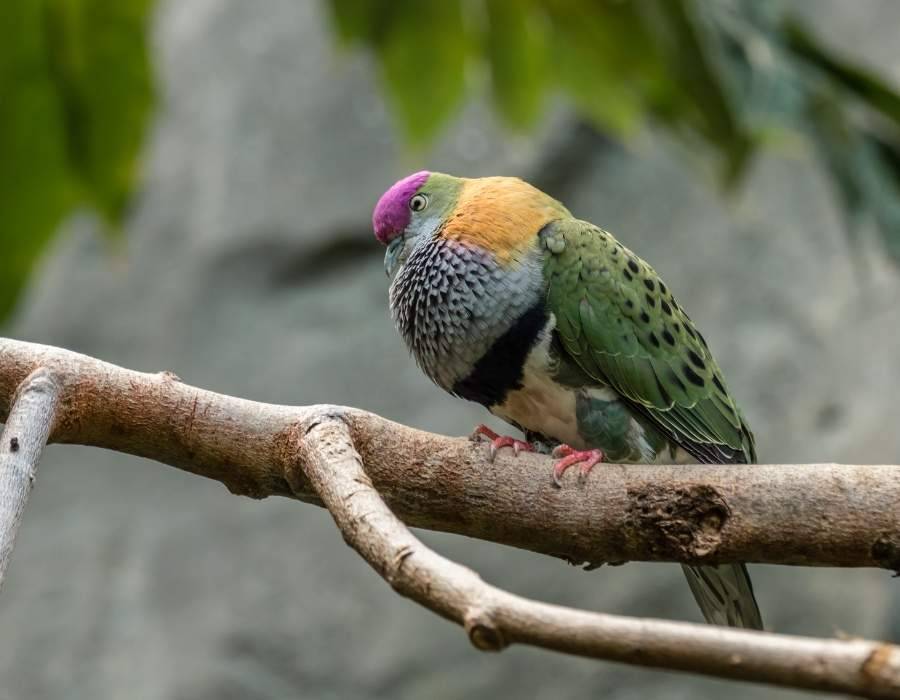
Fruit Dove is a kind of bird that is found in tropical forests. The fruit dove is a very shy bird and is not often seen by people. When it is seen, the fruit dove is usually sitting in a tree, eating a piece of fruit.
The fruit dove is a very beautiful bird, and its colors are very bright. Fruit doves are endangered because of habitat loss and hunting.
Their forests are being logged and cleared for agriculture. And because they are so beautiful, they are hunted for their feathers.
Kakapo
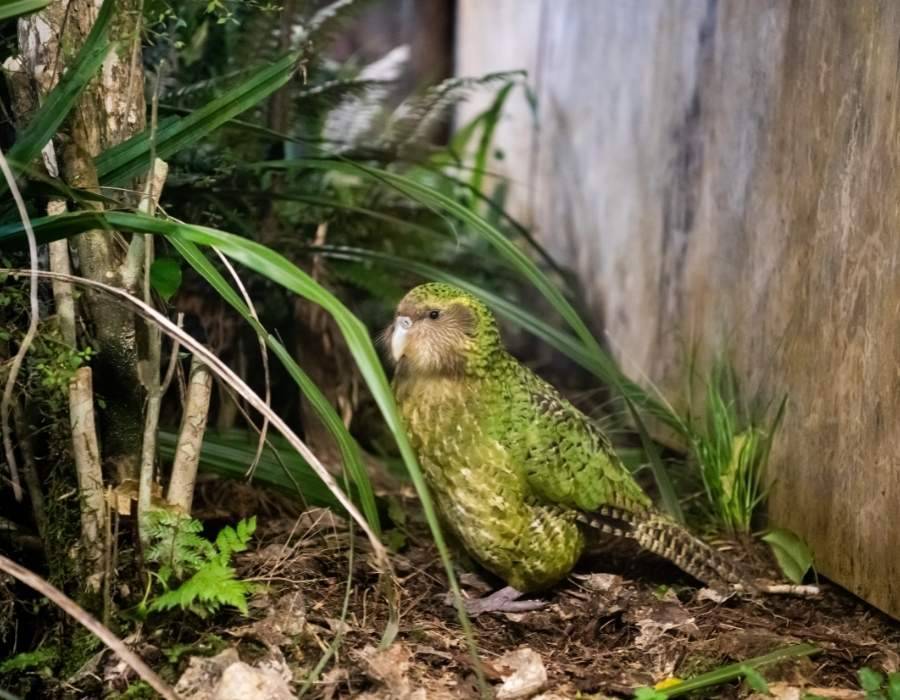
The Kakapo is a bird that is native to New Zealand. It is the only member of the Strigopidae family and is also the heaviest parrot in the world. The Kakapo has a round body and short legs, and its wings are so small that it cannot fly. The Kakapo is nocturnal and is mostly herbivorous, eating leaves, buds, flowers, and fruits.
The Kakapo was once very common in New Zealand, but due to habitat loss and predation by introduced mammals such as stoats and cats, their numbers have declined dramatically. As of 2022, there are only 252 known Kakapo in the world, making them one of the most endangered bird species on Earth.
Philippine Eagle
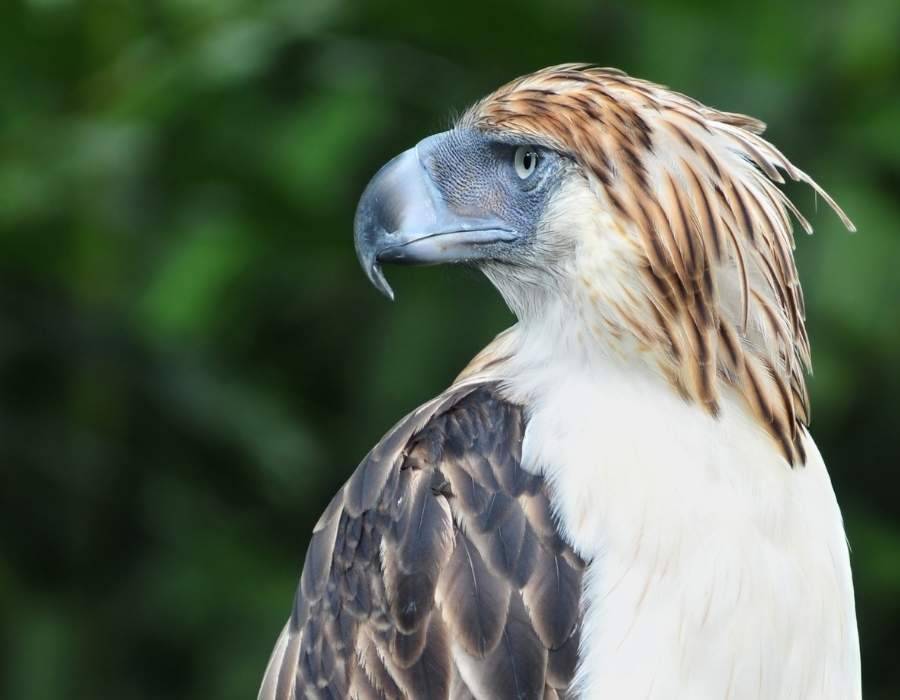
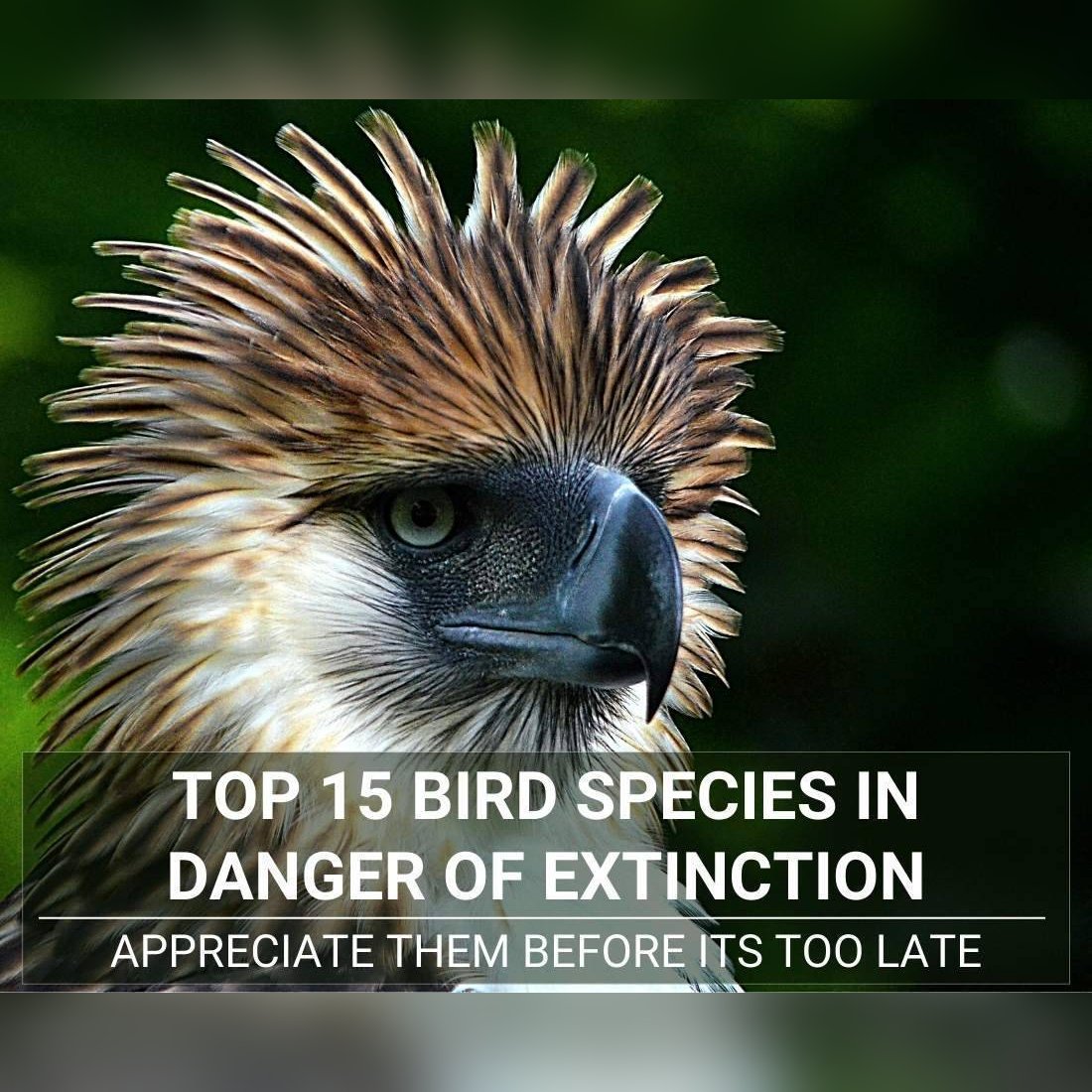
The Philippine Eagle, also known as the monkey-eating eagle, is a large bird species found in the Philippines’ forests. The Philippine Eagle is one of the heaviest flying birds in the world, with males weighing up to 7 kilograms and females weighing up to 9 kilograms.
Only an estimated 500 or fewer individual Philippine Eagles are left in the wild. The main threat to the Philippine Eagle is habitat loss due to deforestation.
Read more
African Grey Parrot
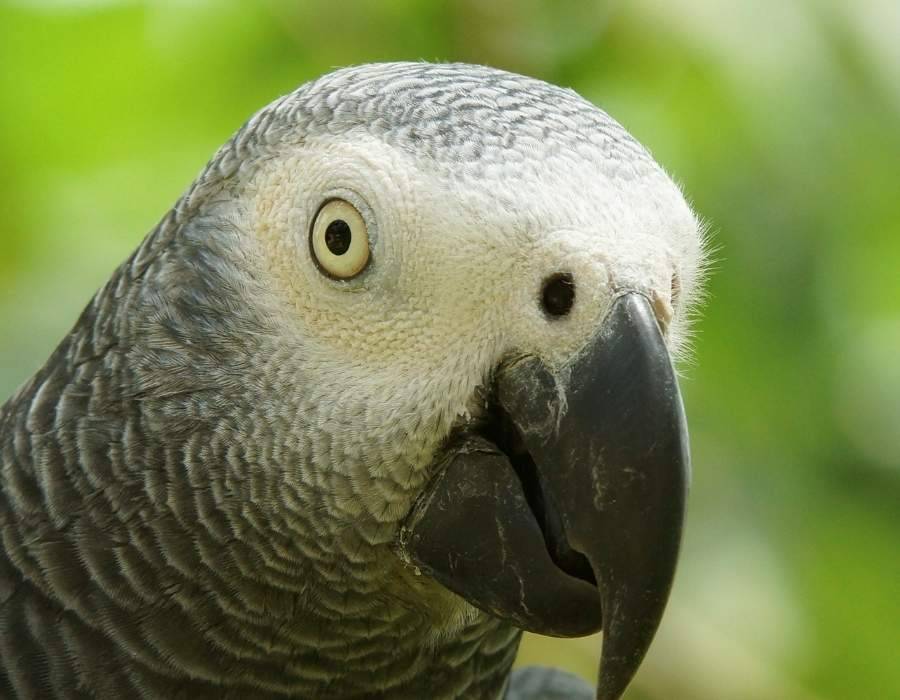
African Grey Parrots are known for their intelligence and ability to mimic human speech. These birds are also very social and thrive when they have plenty of interaction with their owners. A diet of fresh fruits and vegetables and high-quality pellet food will keep an African Grey healthy and happy.
These birds are hunted for their meat and the pet trade. Over-hunting and habitat loss are the biggest threats to these birds.
Hooded Grebe
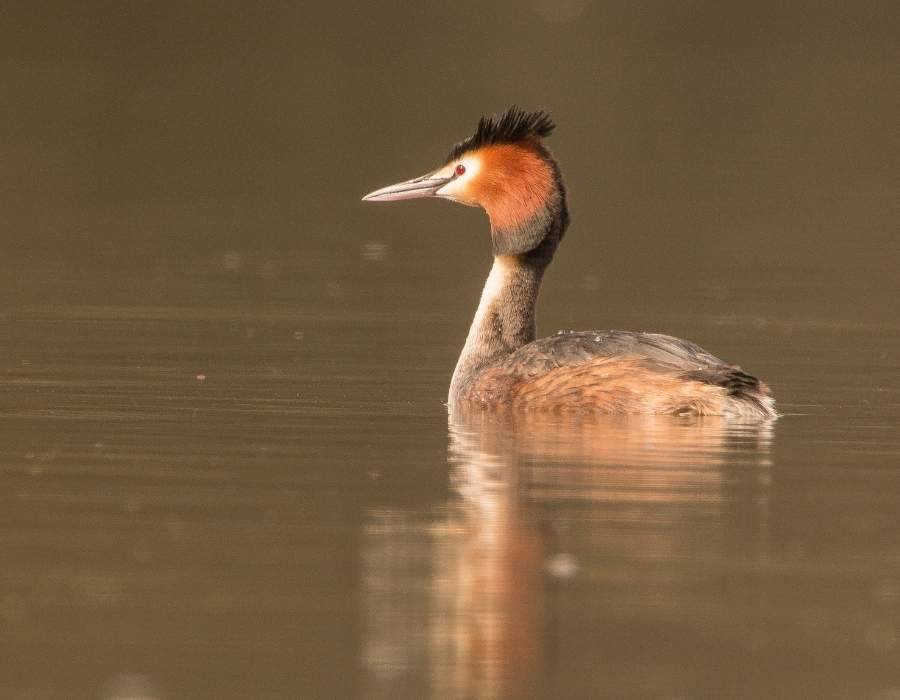
Hooded Grebe (Podiceps Gallardo) is a small South American waterbird. It is one of the few grebes in Argentina, which is found in the southern part of the country.
Its body is brownish-grey above and white below, with a black cap and neck. The bill is black, as are the legs and feet.
The bird’s habitat is being destroyed by humans for agriculture and development. The Hooded Grebe is also hunted for food and feathers.
Millerbird
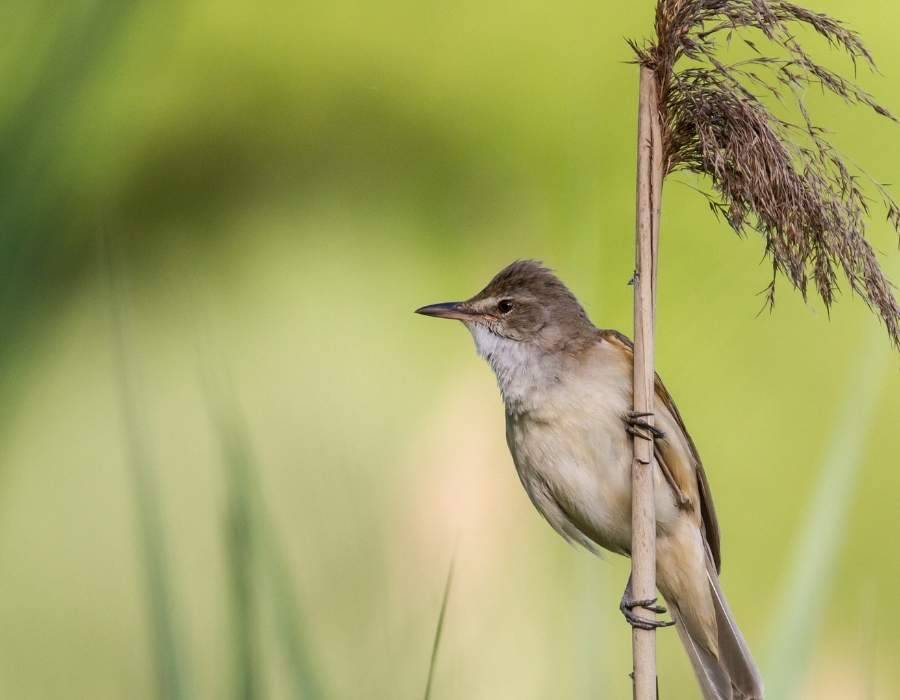
The Millerbird is a small bird found in the central Pacific Ocean. The Millerbird is dark brown with a white belly and black wings. It has a long tail that it uses for balance while flying.
The Millerbird is a shy bird that is difficult to observe in the wild. It feeds on insects and fruit and nests in trees or bushes. The Millerbird is endangered due to habitat loss and introduced predators such as rabbits, rats, and cats.
Whooping Crane
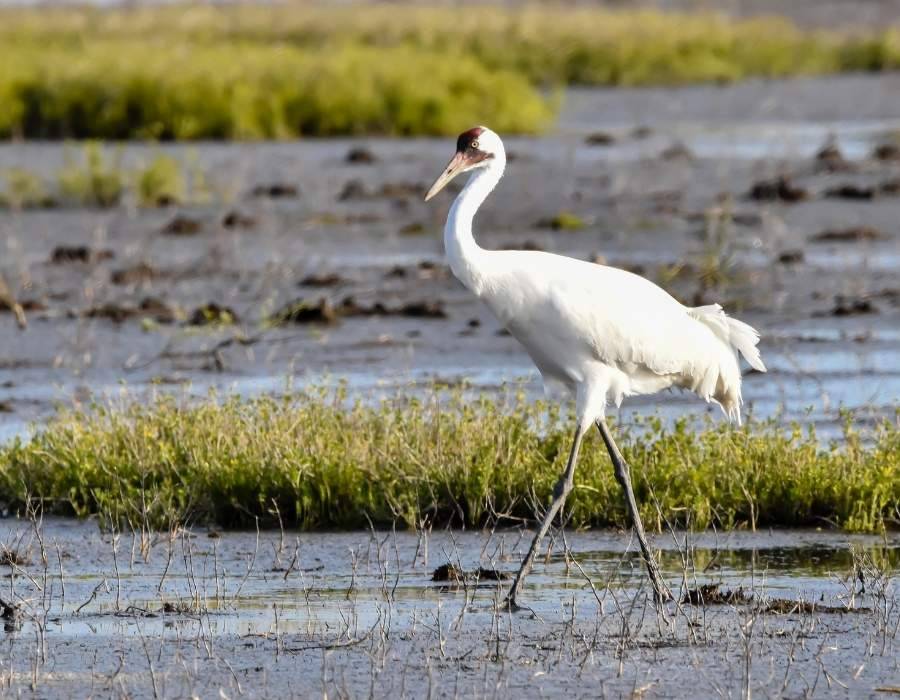
Whooping cranes are tall birds with long legs, necks, and white wing tips. Adults grow to be about five feet tall and have a wingspan of seven feet. Whooping cranes are unique among North American birds because they mate for life and can live up to 25 years in the wild.
The whooping crane is one of North America’s most endangered bird species. Despite being protected by law, whooping cranes continue to face many threats.
Their wetland habitats are being destroyed by development and pollution. Most whooping crane populations breed in Wood Buffalo National Park in Alberta, Canada, and winters in Aransas National Wildlife Refuge in Texas.
Read more
Regent Honeyeater
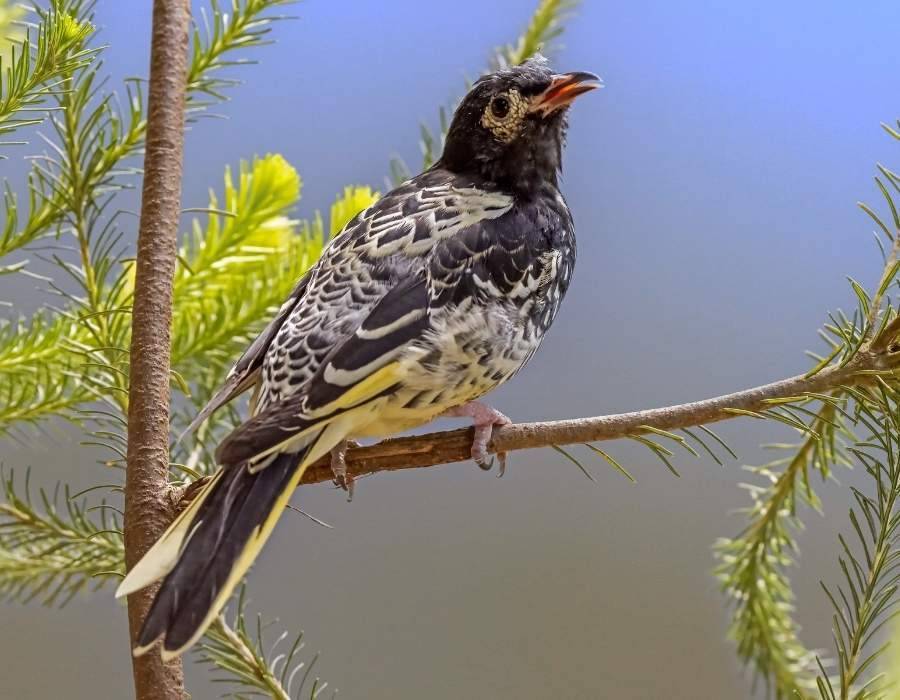
The regent honeyeater is a medium-sized bird with black, white, and yellow plumage. The male and female birds are similar in appearance. The regent honeyeater feeds on nectar from flowers and insects.
The regent honeyeater is a critically endangered bird found in southeastern Australia. Once common, the regent honeyeater has suffered a dramatic decline and now exists in only small, fragmented populations.
The species has experienced a decline of more than 80% over the last three generations. The primary threat to the regent honeyeater is habitat loss due to land clearing for agriculture. It is estimated that fewer than 1000 individuals remain in the wild. Certainly a top contender on our list of bird species in danger of extinction.
Akikiki
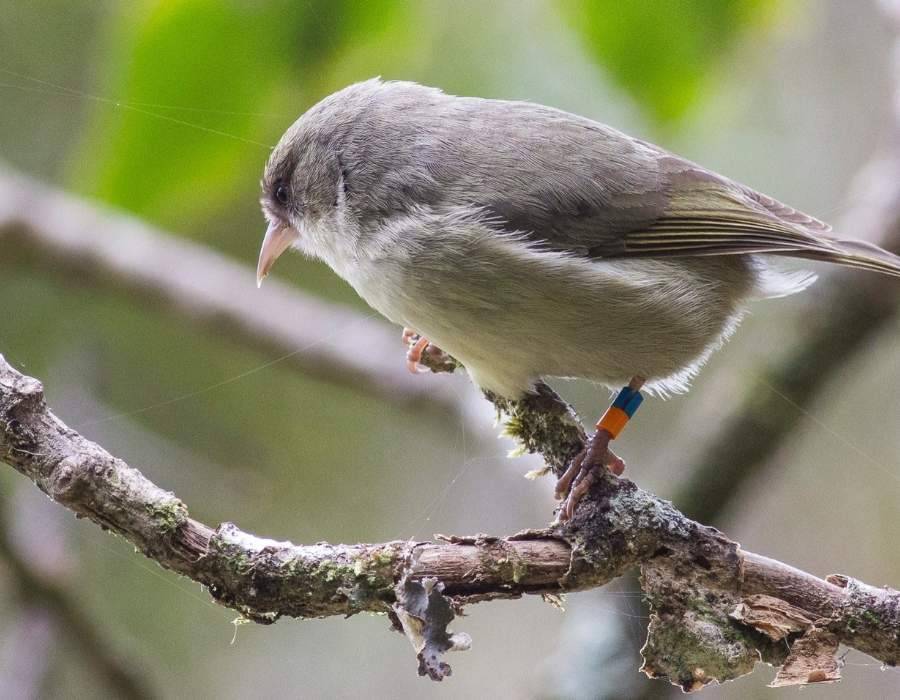
Akikiki is a small, vocal bird that is native to North America. The name “kiki” is derived from the bird’s sound.
The akikiki is known for its playful nature and ability to mimic human speech. Although they are not considered the smartest bird, they are still very entertaining and make good pets.
There are only around 45 Akikiki left in the world. The Akikiki is endangered because of the loss of habitat due to logging and mining. The Akikiki also faces predation from introduced species such as rats and snakes. Conservation efforts are underway to protect the remaining Akikiki population.
California Condor
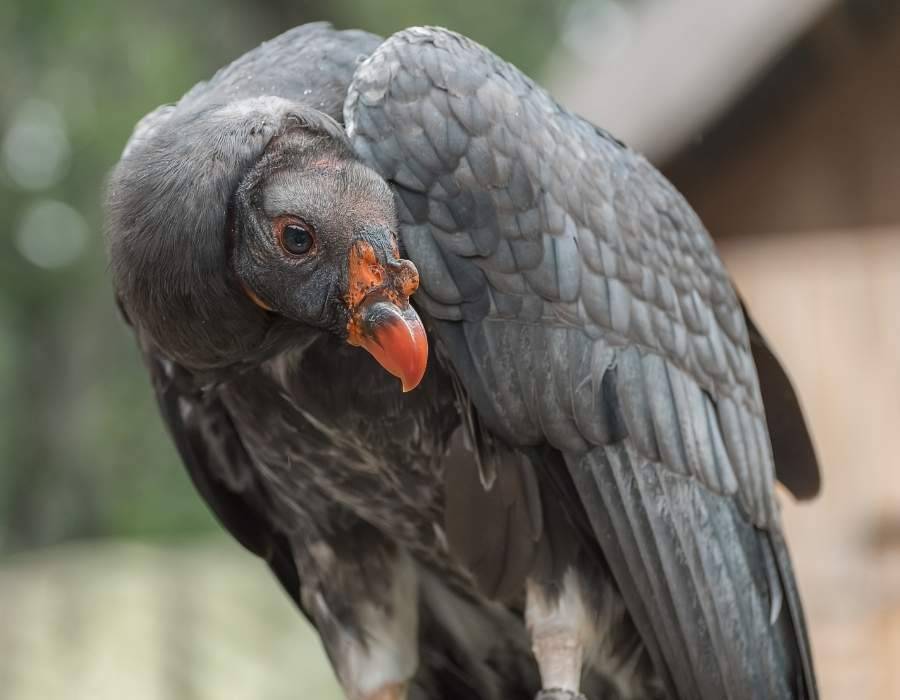
The California condor is the largest bird in North America. Their diet includes smaller animals such as rodents, lizards, snakes, and birds. Condors will also eat fruit and nuts.
California condors typically live about 60 years in the wild but can live longer in captivity. These birds mate for life, and pairs often nest on cliffs or ledges.
The main threat to California Condors is lead poisoning, which can come from ingesting lead fragments in carcasses or eating animals that have been shot with lead bullets. Lead poisoning can cause neurological damage and death in these birds.
Read more
Conclusion
The birds on this list are being watched and monitored, with efforts to help halt their population decline. Hopefully, the awareness of the issues within each of these birds’ longevity can help save them from total extinction!
Further reading about extinct birds
Sources
- https://www.fws.gov/story/8-fascinating-facts-about-snowy-owls
- https://abcbirds.org/bird/araripe-manakin/
- https://www.sfzoo.org/great-curassow/
- https://www.nationalgeographic.com/animals/birds/facts/blue-throated-macaw
- https://theculturetrip.com/asia/philippines/articles/philippine-eagle-11-facts-about-the-philippines-national-bird/
- https://www.thesprucepets.com/facts-about-african-grey-parrots-390715
- https://icfcanada.org/our-projects/projects/hooded_grebe
- https://www.estesparknews.com/estes_valley_spotlight/article_2213aeb6-89ca-11ec-ab85-5b9f91ece5f6.html
- https://www.allaboutbirds.org/guide/California_Condor/id
Frequently Asked Questions
What are the main threats causing bird extinction worldwide?
The primary threats to endangered birds include habitat destruction from deforestation and land clearing, hunting and poaching, predation by introduced species, climate change affecting Arctic regions, and illegal pet trade capture. These factors work individually and collectively to reduce bird populations globally.
Why are Snowy Owls endangered despite living in remote Arctic regions?
Snowy Owls face extinction because Arctic climate change is melting their habitat, reducing space for hunting and nesting. Nearly one-third of the world’s population lives in Canada, making them geographically vulnerable to environmental shifts and warming temperatures.
How many Araripe Manakins remain in the wild today?
Fewer than 500 Araripe Manakins remain in existence, making them critically endangered. This tiny Brazilian bird’s population has collapsed due to Atlantic Forest deforestation, with only 10% of its original habitat surviving today.
What makes the Kakapo one of Earth’s rarest birds?
The Kakapo, the world’s heaviest flightless parrot, has declined from abundance to just 252 known individuals. New Zealand’s introduced predators like stoats and cats, combined with habitat loss, devastated populations of this nocturnal, herbivorous bird.
Why is lead poisoning the primary threat to California Condors?
California Condors ingest lead fragments from ammunition in animal carcasses or hunted prey, causing neurological damage and death. These largest North American birds, living 60+ years, face poisoning from lead bullets used in hunting ammunition across their scavenging range.
How many Philippine Eagles exist in the wild currently?
Approximately 500 or fewer Philippine Eagles remain in their natural habitat. The world’s heaviest flying birds, these monkey-eating eagles face extinction primarily from deforestation destroying their Philippine forest ecosystems.
What specific habitat do Whooping Cranes depend on for survival?
Whooping Cranes breed exclusively in Wood Buffalo National Park, Alberta, Canada, and winter in Aransas National Wildlife Refuge, Texas. This narrow breeding and wintering range makes them vulnerable to wetland destruction, pollution, and development along migration routes.
Why are African Grey Parrots hunted despite legal protection?
African Grey Parrots face dual threats from illegal pet trade capture and hunting for meat, despite conservation laws. Their intelligence and speech-mimicking ability make them highly valuable in black markets, driving over-hunting beyond habitat loss impacts.
How has the Regent Honeyeater population changed in recent decades?
Regent Honeyeaters have experienced an 80% decline over three generations, with fewer than 1,000 individuals remaining in fragmented southeastern Australian populations. Agricultural land clearing destroyed their nectar-feeding habitat irreversibly.
What conservation status do Blue-Throated Macaws currently hold?
Only approximately 300 Blue-Throated Macaws survive in Bolivian tropical forests, making them among the rarest birds globally. Deforestation and illegal pet trade capture remain primary threats, though Bolivia established a nature reserve for population protection efforts.