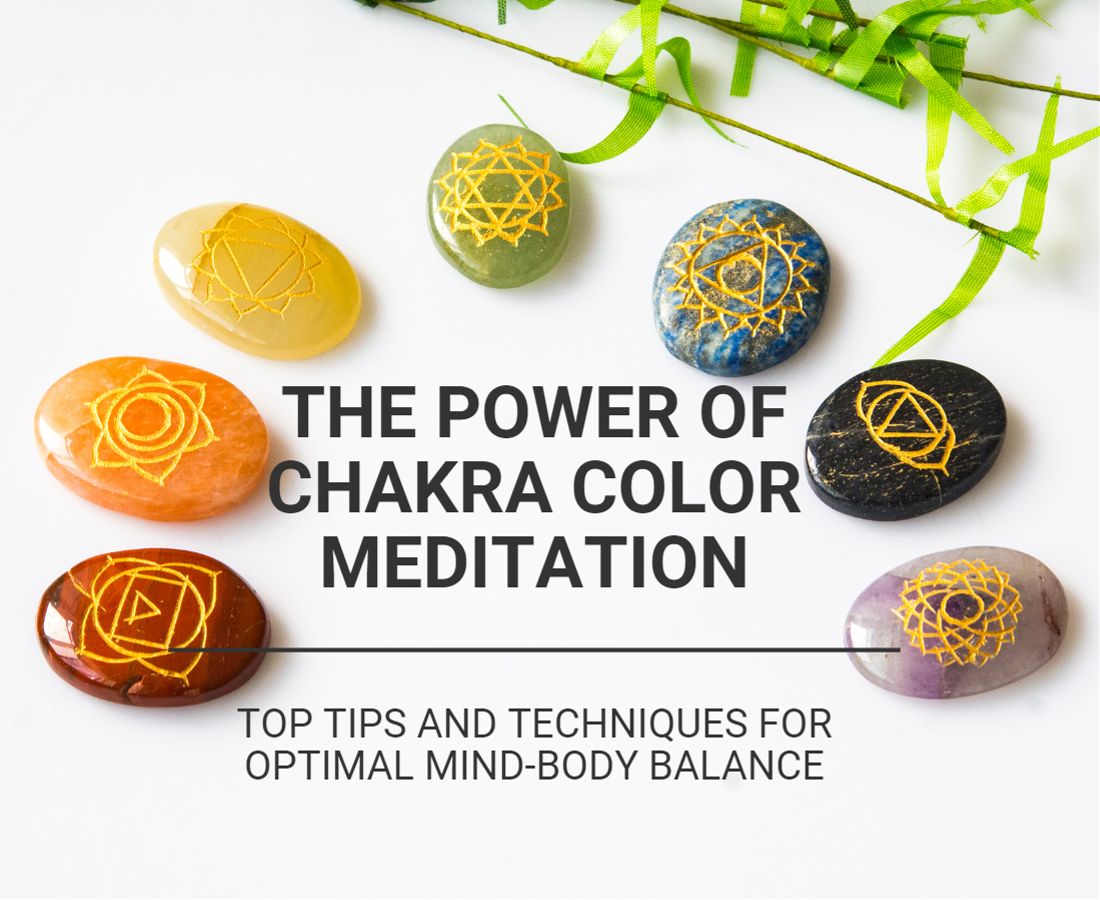
Chakras are body energy centers that are thought to circulate spiritual energy throughout our being. For centuries, many cultures, including Indian, Buddhist, and Hindu traditions, have used them to maintain physical, mental, and spiritual well-being.
Each chakra represents a different aspect of our lives and is associated with a specific area of the body.
The seven major chakras located along the spine represent different levels of consciousness ranging from primal instincts to higher spiritual awareness. All of these levels interact with one another, influencing how we live our lives physically, emotionally, and spiritually.
We can gain insight into ourselves and learn how to maintain balance in all aspects of life by understanding our chakras.
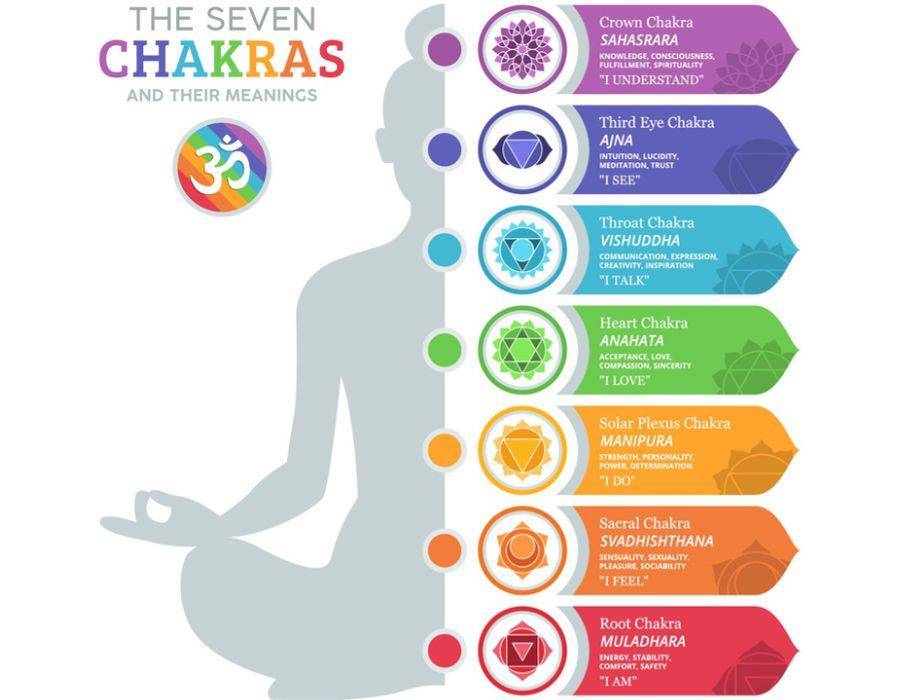
Table of Contents
- 1 Key points
- 2 Colors each have their own set of energies
- 3 Chakras are associated with specific colors
- 4 The advantages of meditating with colors
- 5 Color Meditation for the Chakras
- 6 Meditation Technique Using Chakra Colors
- 7 Sources
- 8 Frequently Asked Questions
- 8.1 What are chakras and how do they work in the body?
- 8.2 How many chakras are there and what do they represent?
- 8.3 Why is each chakra associated with a specific color?
- 8.4 What does a balanced root chakra mean and how does red energy support it?
- 8.5 How does color meditation activate chakras differently than regular meditation?
- 8.6 Can you practice chakra color meditation daily and what are the benefits?
- 8.7 What’s the difference between an overactive throat chakra and a balanced one?
- 8.8 How does the third eye chakra’s indigo color enhance intuition and insight?
- 8.9 What role does the crown chakra play in spiritual enlightenment?
- 8.10 How should you position your body during chakra color meditation for optimal results?
Key points
- Meditation is a great way to help activate the chakras in your body.
- Colors have their own unique energies, and you can use them to help bring specific energies into your life.
- Chakras are associated with their own energies, and using color meditation is beneficial for maintaining these energy points.
Colors each have their own set of energies
Colors have their own energies that can affect people in various ways. Color has been used to evoke emotion and convey meaning for centuries, from the bright and cheerful red of a Valentine’s Day card to the deep melancholy blue of a winter sky.
From the vitality associated with yellow to the nurturing qualities of green, each color has its own distinct energy and symbolism. We can use colors in our daily lives to bring balance and harmony into our environments if we understand these energies.
Most experts agree that each color represents an emotional or psychological state: red is often associated with being energetic and passionate, whereas blue is associated with being calming and peaceful. Colors can also affect our physical health; studies show that cool colors like blues and greens can lower blood pressure, while warm colors like oranges and yellows can boost energy levels.
Chakras are associated with specific colors
Chakras are energy centers in the body that are thought to be associated with various colors. Understanding the meaning of each color can help bring greater balance and harmony into one’s life for those interested in spiritual exploration.
The chakra colors are often associated with the various chakras in the human body. Each chakra is believed to have its own unique color, which reflects its particular energy and function. Other say from bottom to top, the colors of the chakra system adhere to the colors of the rainbow (ROYGBIV).
Here is a breakdown of the chakra colors and their meanings:
- The Root
Chakra , Muladhara, 1st chakra: red: This chakra is associated with the color red, which is the color of grounding and stability. It is associated with our sense of security and our connection to the earth. When this chakra is balanced, we feel safe and secure, and we are able to move forward in life with confidence. - The Sacral
Chakra , Svadhisthana, or 2nd chakra: orange: This chakra is associated with the color orange, which is the color of creativity and sexuality. It is associated with our emotional and sexual desires, and our ability to experience pleasure. When this chakra is balanced, we are able to express ourselves freely and authentically, and we are able to enjoy healthy, fulfilling relationships. - The Solar Plexus
Chakra , Manipura, or 3rd chakra: yellow: This chakra is associated with the color yellow, which is the color of personal power and self-esteem. It is associated with our sense of self-worth and our ability to achieve our goals. When the solar plexus chakra is balanced, we feel confident and capable, and we are able to take control of our lives and pursue our dreams. - The Heart
Chakra , Anahata, or 4th chakra: green: This chakra is associated with the color green, which is the color of love and compassion. It is associated with our ability to give and receive love, and our capacity for forgiveness and healing. When this chakra is balanced, we are able to cultivate deep, loving connections with others, and we are able to let go of resentment and bitterness. - The Throat
Chakra , Vishuddha, or 5th chakra: blue: This chakra is associated with the color blue, which is the color of communication and self-expression. It is associated with our ability to speak our truth and express ourselves clearly and authentically. When the throat chakra is blocked, we are not able to communicate effectively and assertively. - The Third Eye
Chakra , Ajna, or 6th chakra: indigo: This chakra is associated with the color indigo, which is the color of intuition and insight. It is associated with our ability to see beyond the physical world and access our inner wisdom. When the third eye chakra is balanced, we are able to trust our instincts and make decisions based on our inner guidance. - The Crown
Chakra , Sahasrara, or 7th chakra: violet/purple: This chakra is associated with the color violet, which is the color of spirituality and enlightenment. It is associated with our connection to the divine and our ability to access higher states of consciousness. The crownchakra helps us to connect with our higher selves and access a sense of peace and transcendence. You can also try using herbs for the crown chakra.
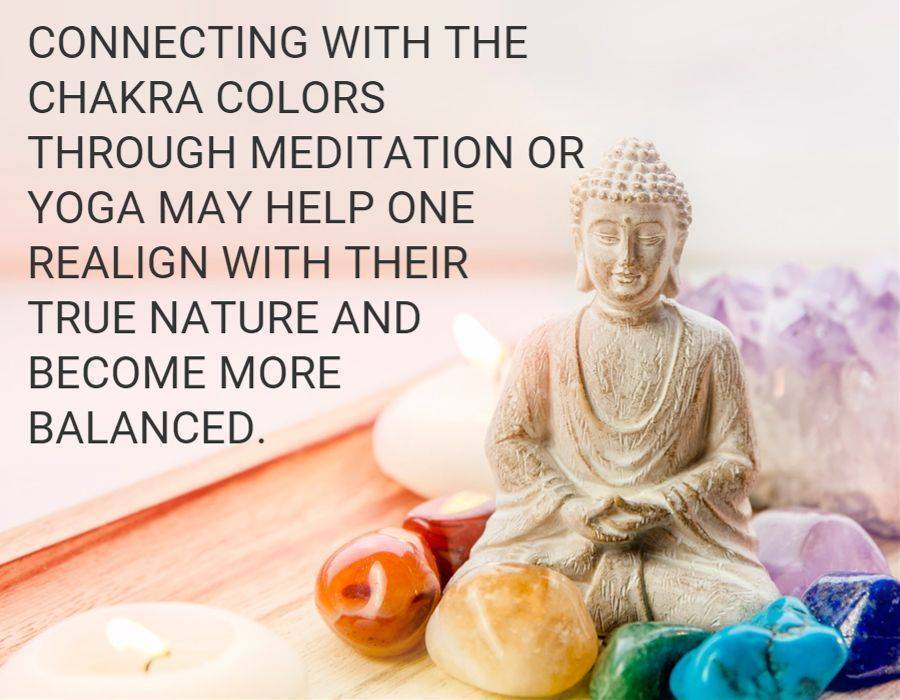
Connecting with these colors through meditation or yoga may help one realign with their true nature and become more balanced in general. We can gain insight into how our energy flows by learning how the chakra system works and what each color represents.
The advantages of meditating with colors
Meditation and color have a long history together. While meditating, focusing on colors can help draw in healing energy and bring balance to one’s life. Visualization during meditation is a powerful tool for connecting physical, mental, emotional, and spiritual health.
Color-based meditation has been used as a form of relaxation and healing for centuries. Because of the vibrational frequencies associated with each shade, colors provide an easy way to create energetic shifts within the body.
During meditation sessions, one can begin to tap into the energy held within them and direct it toward self-healing purposes by focusing on specific colors. Different colors represent different qualities that enable access to different aspects of consciousness for personal growth, insight, clarity, and transformation.
“Of all God’s gifts to the sighted man, color is holiest, the most divine, the most solemn.”
– John Ruskin
Color Meditation for the Chakras
Chakra Color Meditation is a powerful tool for re-energizing and healing the body, mind, and spirit. This ancient practice connects you with your inner energy centers using the power of color to bring balance into your life.
You will be able to tap into a deep sense of peace and harmony within yourself by engaging in this type of meditation. This type of meditation makes use of the seven chakras to bring balance to your entire body.
You can easily access positive qualities such as strength or clarity by focusing on each individual color associated with each chakra. During meditation, one should concentrate on the colors for several minutes at a time to establish an energetic connection between their physical body and spiritual being.
Meditation Technique Using Chakra Colors
Color meditation is one of the most effective ways to balance your chakra system. This meditation employs colored light, which is directed to the chakra associated with each color.
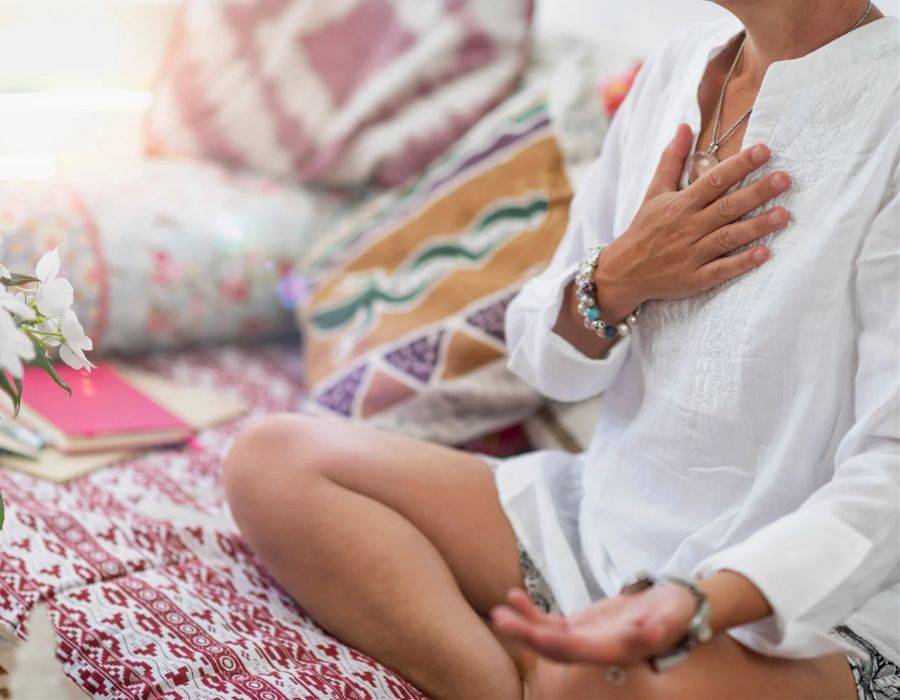
When you do this, the light activates the
- Locate a relaxing place where you can lie flat on your back. You want your spine to be straight to align your chakra system. This aids in the creation of an energy flow that activates and energizes each point.
- Close your eyes in a relaxed position.
- Begin by taking deep inhalations and deep exhalations.
- Continue deeply breathing for a few minutes or until you are completely relaxed.
- Begin with the base chakra. Imagine inhaling bright red energy with one inhale. Send this energy all the way down to your root
chakra . You can feel this chakra expanding and growing larger with each breath. It’s time to move on to the next chakra when you can’t add more energy. - Assume the energy’s color shifts, and you’re now breathing in bright orange energy. Down into the sacral
chakra , direct this colored light. Continue breathing in and expanding the sacralchakra until you can’t anymore. - Continue with the remaining chakras ascending, changing the color from yellow, green, blue, indigo, and violet.
- When you’re done, you’ll have activated each chakra point and become filled with a rainbow hue, indicating that your chakra system is in perfect balance.
You can perform this meditation daily, weekly, or whenever you feel an imbalance in your energies. If you’re having issues with a particular chakra, you can focus the meditation strictly on the one chakra and color it’s associated with.
Spend a few minutes breathing in the appropriate color and tend to the energy center as needed.
Check our post for more ways of chakra visualizations and instead of mediation with colors you can try chakra candles as well.
Check out this video for another chakra meditation!
Sources
- https://croneconfidence.com/2021/04/03/the-energy-of-colour-2/
- https://www.healthline.com/health/what-are-chakras
- https://www.mayoclinic.org/tests-procedures/meditation/in-depth/meditation/art-20045858
Frequently Asked Questions
What are chakras and how do they work in the body?
Chakras are spiritual energy centers aligned along the spine that circulate vital life force throughout your being. Found in Hindu, Buddhist, and Indian traditions, they represent different consciousness levels—from primal survival instincts to higher spiritual awareness. Each chakra influences physical, emotional, and spiritual aspects of life when functioning harmoniously.
How many chakras are there and what do they represent?
There are seven major chakras positioned along the spine, each representing distinct life aspects. From root to crown, they embody security, creativity, personal power, love, communication, intuition, and spiritual connection. These energy centers interact dynamically, affecting overall wellness and personal development across all life dimensions.
Why is each chakra associated with a specific color?
Chakra colors align with the rainbow spectrum (ROYGBIV) and correspond to vibrational frequencies of energy. Each color carries unique psychological and emotional qualities—red grounds, orange energizes creativity, yellow boosts confidence, green cultivates compassion, blue enables expression, indigo activates intuition, and violet connects to spirituality, facilitating targeted energy work.
What does a balanced root chakra mean and how does red energy support it?
A balanced root chakra creates feelings of security, stability, and grounding. The associated red color represents foundational energy connecting you to earth’s stabilizing force. When balanced, you feel safe, confident, and capable of moving forward in life without fear, enabling healthy progression toward personal goals and aspirations.
How does color meditation activate chakras differently than regular meditation?
Color meditation uses focused visualization of specific hues to direct healing energy to particular chakras. By concentrating on colored light frequencies during breathing exercises, you create energetic connections between physical body and spiritual essence. This targeted approach activates specific energy centers more effectively than general meditation, enabling precise chakra balancing.
Can you practice chakra color meditation daily and what are the benefits?
Yes, you can practice daily or whenever sensing energy imbalances. Regular chakra color meditation enhances physical vitality, emotional clarity, mental resilience, and spiritual connection. Benefits include reduced stress, improved intuition, deeper self-awareness, healing of emotional wounds, and restoration of energetic harmony throughout your entire being.
What’s the difference between an overactive throat chakra and a balanced one?
A blocked or overactive throat chakra impairs communication—you struggle expressing truth authentically. When balanced, the associated blue energy enables clear, assertive self-expression and effective communication. A healthy throat chakra allows you to speak your authentic voice confidently while listening receptively to others with genuine understanding.
How does the third eye chakra’s indigo color enhance intuition and insight?
Indigo energy vibration activates the third eye chakra, opening perception beyond physical reality. When balanced, this violet-tinged energy allows access to inner wisdom, heightened intuition, and spiritual insight. You develop trust in instincts, make decisions aligned with inner guidance, and perceive subtle energy patterns others miss.
What role does the crown chakra play in spiritual enlightenment?
The crown chakra, associated with violet energy, connects you to divine consciousness and higher states of awareness. When activated, it facilitates transcendence, spiritual awakening, and unity consciousness. The crown chakra enables access to universal wisdom, peace, and direct experience of spiritual connection beyond individual ego limitations.
How should you position your body during chakra color meditation for optimal results?
Lie flat on your back with your spine straight to align the chakra system vertically. This posture enables unobstructed energy flow activation through each center. Proper spinal alignment facilitates direct pathways for colored light visualization, ensuring energetic currents move smoothly upward from root to crown for complete, balanced chakra activation.