The importance of family is something that is very near and dear to our hearts. It can be difficult to express how much a person means to us, but sometimes we do it by giving them pet names or nicknames. Have you ever thought about the connection between pets and their families? There are many different kinds of animals that represent families, such as dogs, cats, sea turtles, hamsters, and even some fish! Motherhood and family are topics that have been covered many times, but the fierce and protective maternal instinct in different species deserves to be recognized. The biological programming of some animals goes beyond what we imagine for our own mothers.
Dogs
Another animal that represents family is the dog. Dogs are known for their loyalty and companionship with humans, which may be the reason why they have been domesticated by society so much! They certainly will not leave their families behind if there’s a chance to stick together in times of danger or when traveling long distances. In many cases, dogs undergo certain training methods to help them become more useful members of human communities through assistance animals such as seeing-eye dogs.
Just like how people provide care for other animals who cannot fend for themselves, a dog cares for his owners just as much – sometimes even better than those around him/her because he has an emotional connection with them rather than simply doing it out of necessity (such as animals that are domesticated to survive).
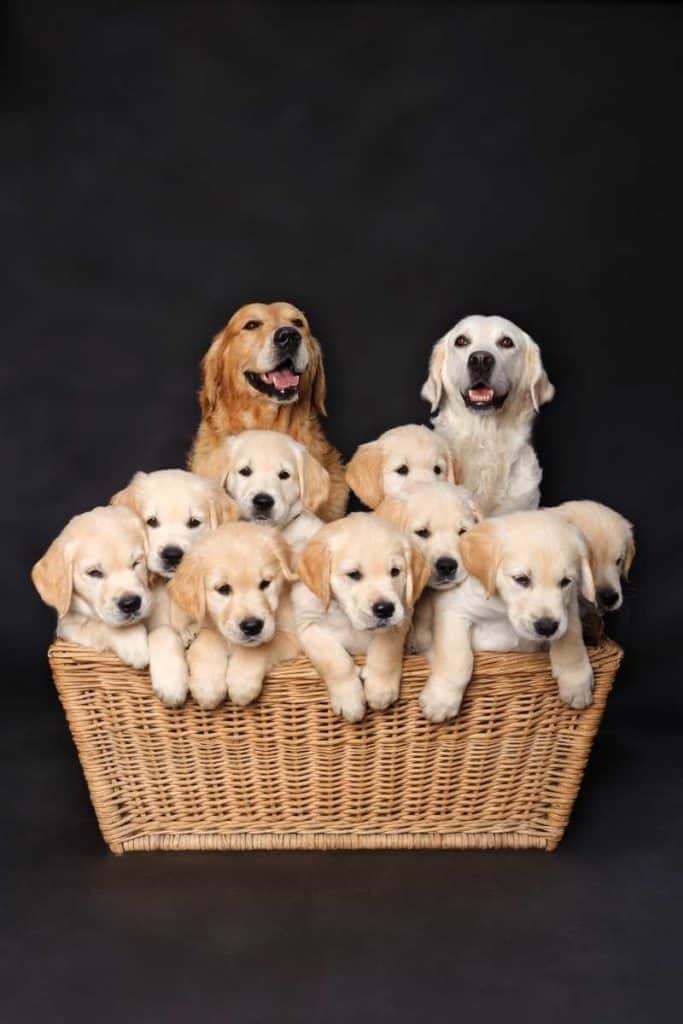
A great example of a dog caring for their family is Marley from the movie “Marley and Me”. This film follows John Grogan (played by Owen Wilson) who brings home his new puppy, Marley. The story shows how much this dog impacted not just John’s life but also those around him as well because he was such an active member in their lives!
Elephants
Another animal that represents family is the elephant. Elephants are very social animals and they enjoy the company of their families to an extent where it can be considered more than just friends, but rather like siblings as well! Just like those in human families, all animals within elephant communities look out for one another no matter what (even if they have disagreements). They will even mourn together when a member passes away from natural causes or through conflict with other animals.
When young members of the groups separate too far away, the rest of the group feels anxious because they fear he/she may never return home again since some animals go into territories unfamiliar to them while others get lost along the way. If this happens then adult elephants might travel miles upon miles to track down the young animals and make sure they return home safely (read more about the elephant symbolism).
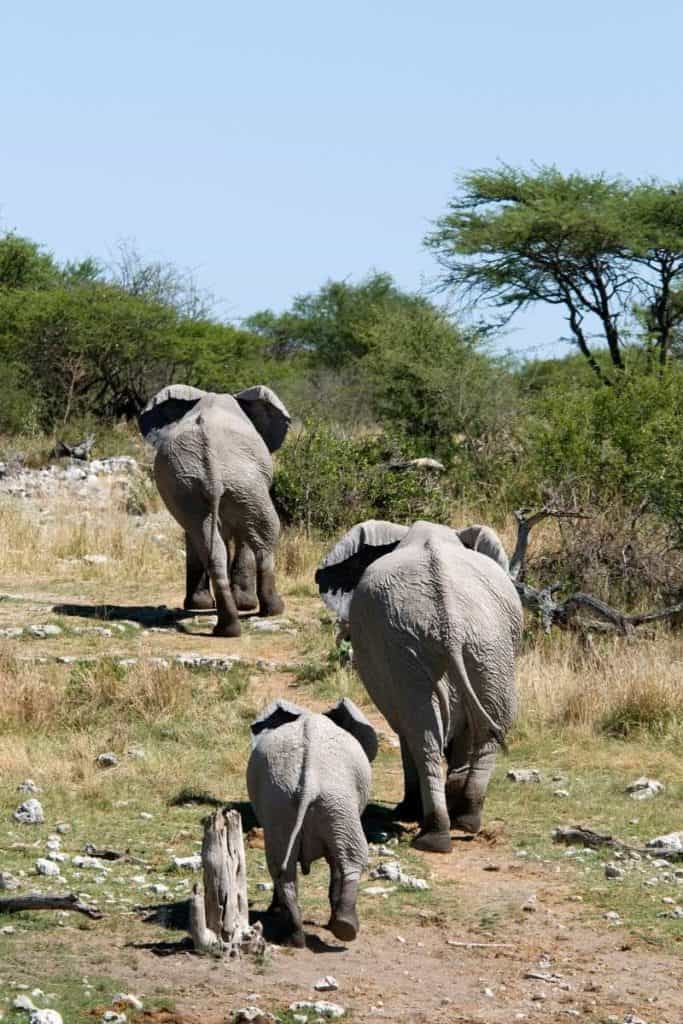
Even though elephants live in herds, the matriarch is generally responsible for leading and taking care of them. Elephants are known to stay by babies that get stuck in water or mud, mourn when their family members die, and rush to help other herd member’s calves who might be struggling during a river crossing.
Dolphins
Within the first four to eight days of their birth, bottlenose dolphin mothers nurse their young at least six times each hour. During this time, calves also stay alongside their mother in her slipstream so that they are able to keep up with her speed during swimming. Calves will remain by his or her mother’s side until he/she is 6 years old and ready to leave and go on adventures on its own before returning back again once it becomes an adult.
Dolphins (see also dolphins spiritual meaning) are animals that represent family because they live in pods with their families and hunt together. For example, when dolphins travel to find food, the pod will stick close together so that no one gets lost or left behind – especially if it’s a mother traveling with her baby(ies). Dolphins may sometimes be found sleeping on each other but this is actually for protection against sharks (check also our post: shark symbolism) since they look out for one another!
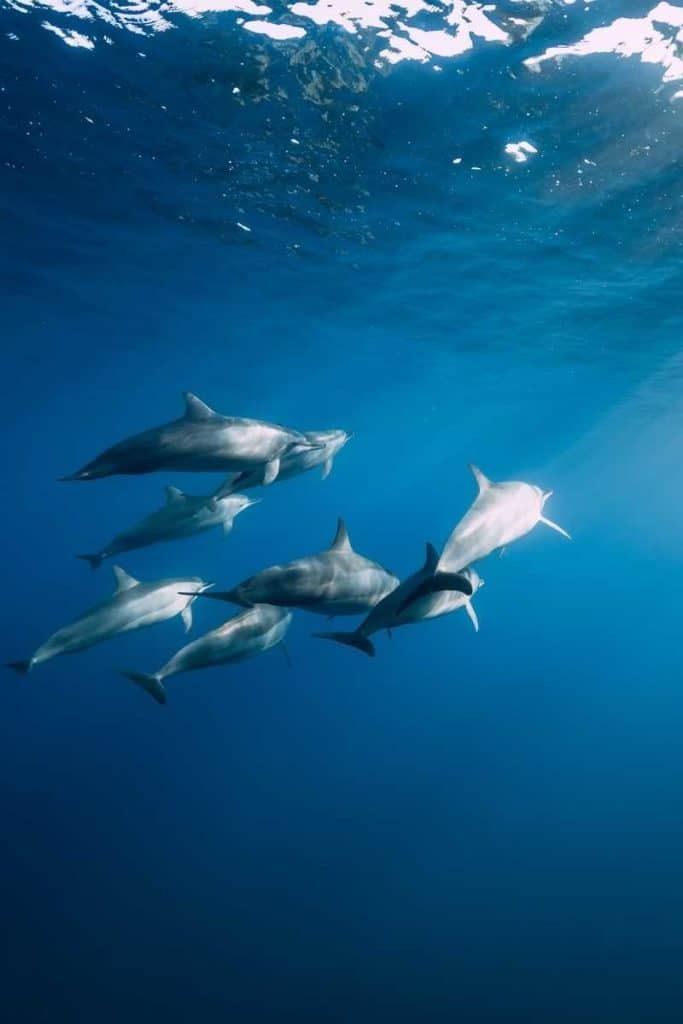
This animal shows great affection not only amongst its own kind but towards humans as well through interactions such as saving swimmers who might have been caught up in a current or even rescuing shipwrecked people from the ocean floor. These animals don’t just help those of their species either; some animals can take care of orphaned animals without a second thought.
Lions
Lions are animals that represent family because they live with their families. In fact, lions have even been known to adopt cubs who aren’t related at all – especially if the mother is killed by animals such as hyenas! They will defend these adopted offspring from other animals and sometimes even share food with them too since nothing should go to waste.
After a lioness (female, see more about the lioness spiritual meaning) gives birth, she stays away from hunting for several days while nursing her young until it’s old enough to start learning how to hunt as well – just like human mothers do when taking care of infants. While one animal in the pride hunts for its meal, others stay behind and protect the territory against any intruders or predators looking to steal their food.
If animals within a lion pride are related to each other, they will work together in order to take down larger animals such as elephants or buffalo (see our post about the white buffalo) too! For example, if a herd of African elephants come into their territory and threaten them – adult lions might bring the baby(ies) under secrecy while others try distracting the adults away from their young until it’s safe for everyone involved again. Then once this is done, all members who were partaking in protecting against the threat will go on about hunting/teaching activities with one another like nothing ever happened!
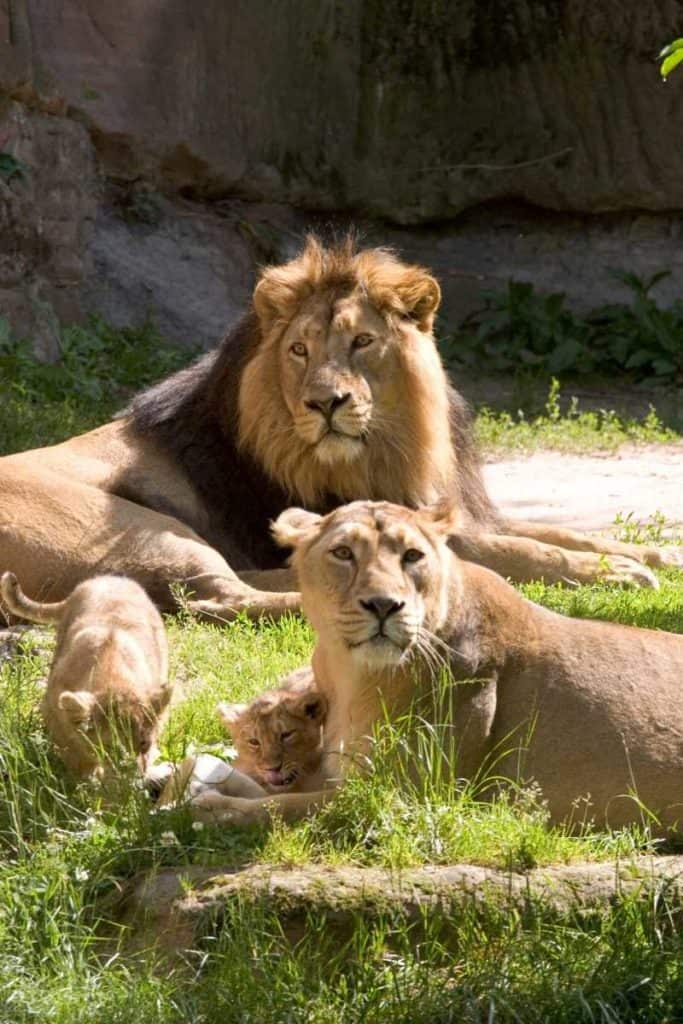
So while animals show different types of love towards family members depending on what species they are (for instance some animals may only care about those that share DNA), these examples above show animals’ love and affection for their own kind.
Owls
One animal that represents family is owls because they have a very strong bond with their young. When an owl hatches from its egg with siblings there will always be one baby who remains close to the parents while others venture out on their own before finally returning home. Owls share this trait with humans when sharing parenting responsibilities and allowing children to explore the world on their own. Once the children have returned to their parents, they will aid in caring for more new owlets.
This is not only beneficial for the animals but for humans as well since some animals are able to show that they can be productive members of society.
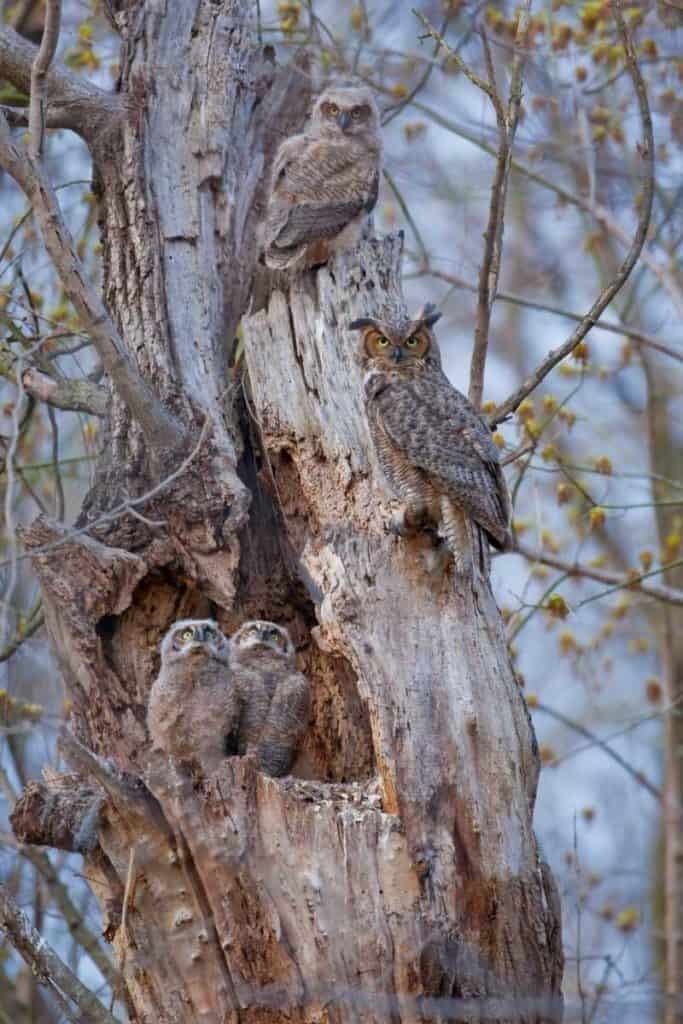
Owls tend to hunt at night and will fly silently through the air in order to catch prey such as rabbits or bunnies, rodents or even fish – sometimes killing animals much larger than themselves! However, owls do have their predators too including other types of birds (hawks) who might attack them from above while others snakes/coyotes try catching them off guard on land. This shows us how animals often need each other’s help during life-threatening situations no matter what species they’re related to.
Penguins
Penguins are animals that represent family because they live in large colonies with their families and take care of one another. They will even go as far as to protect members of the colony from animals like leopard seals who want to eat them by forming a ring around the penguin when it gets attacked!
These animals show great affection for those outside their own species too, such as humans or baby seals while protecting against predators during hunts. Penguins can also be found sleeping next to each other on ice flows while taking shifts so that no one has to sleep alone if there’s an opening in the group – just like how human mothers might let others watch over their child at night before she takes up her duty again. Since everyone is tired anyways, animals might find a spot to sleep around the outside of the group so no one is isolated in their own ice.
This shows animals who represent family are caring not only amongst their own kind but towards humans as well through interactions such as saving swimmers who might have been caught up in a current or even rescuing shipwrecked people from ocean floors. These animals don’t just help those of their species either; some animals can take care of orphaned animals without a second thought! For example, if an animal within a pride gets killed by another predator while out on the hunt, everyone else will turn around and instead start taking care of that young’s needs until it eventually grows into adulthood too!
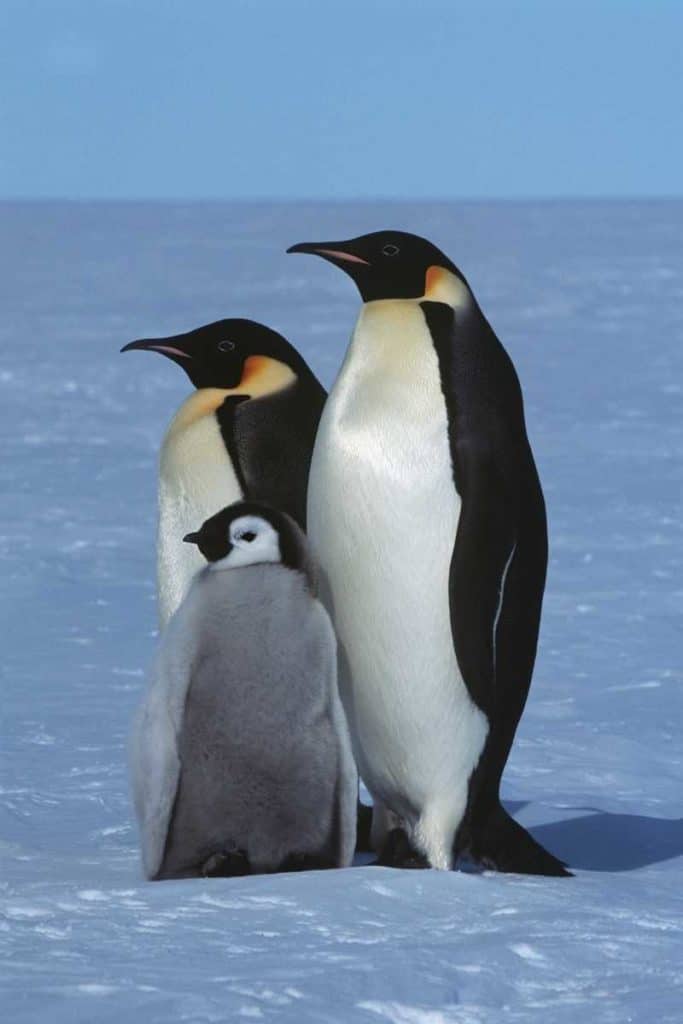
Emperor penguins exhibit singing, dancing, and exaggerated behaviors when trying to attract mates. Once paired with a mate emperor penguins are monogamous for the duration of their breeding season sometimes longer. These birds also travel in groups outside of nesting seasons but after laying eggs they hand them off to male partners who incubate and protect these nests from predators while females go off on feeding trips at sea that can last up to two months depending on the distance traveled!
Kangaroos
Kangaroos are pregnant for a surprisingly short amount of time (21 to 38 days). When they give birth, the baby can be as small as a grain or big enough to fit in one’s hand and weighs less than an ounce! Their babies spend months developing inside their pouches until finally emerging at 10 months old.
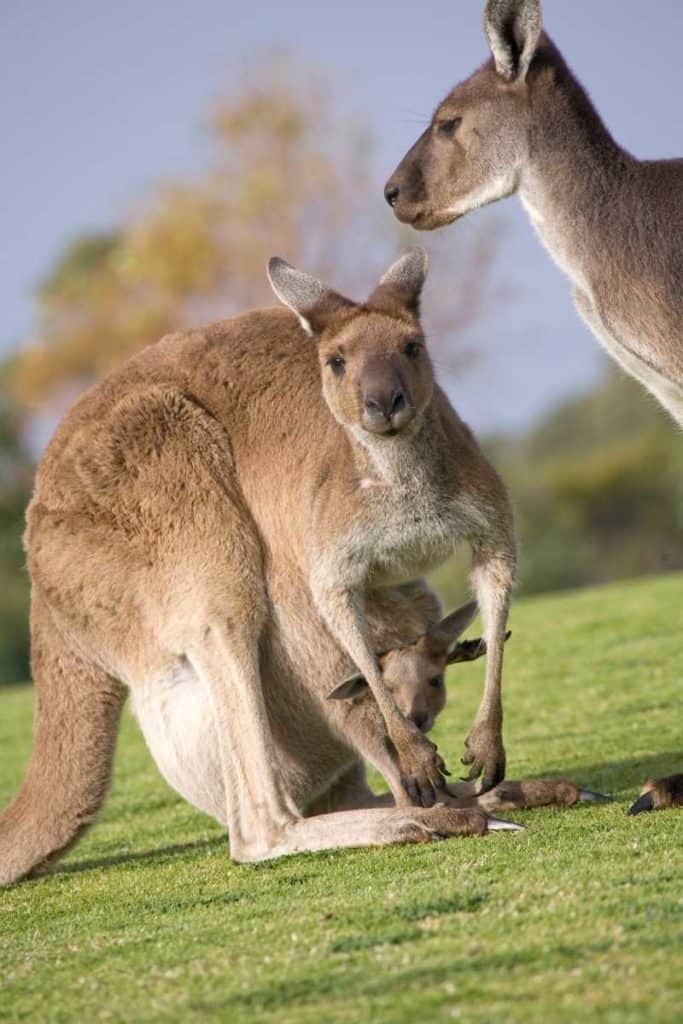
However, these little ones continue suckling from their mothers while staying next to them constantly through another 8-11 month period of time. This shows animals are family-oriented because they will stick together and take care of one another no matter what age the offspring is! Read more in our post kangaroo symbolism.
Chimpanzees
In chimpanzee society, relationships last a lifetime. These primates have strong mother-daughter bonds that can be extended from six to nine years old as the young become independent in their lives. While chimps live together in large communities of 15-120 individuals and they may break off into smaller groups, these are constantly changing with new members joining or leaving throughout time.
This shows animals that represent family are able to adapt to the ever-changing environment around them and adjust accordingly.
A chimpanzee mother, however, will travel together with her daughter until she reaches sexual maturity whereupon they will go their separate ways; live in different communities and have no physical contact or social interaction. This behavior can be seen as neglectful towards young offspring but it’s actually really beneficial! By doing this the female chimp is able to start building a new life including finding herself a new mate within her own community without having any distractions from her child who does not need care anymore since becoming independent at such an early age.
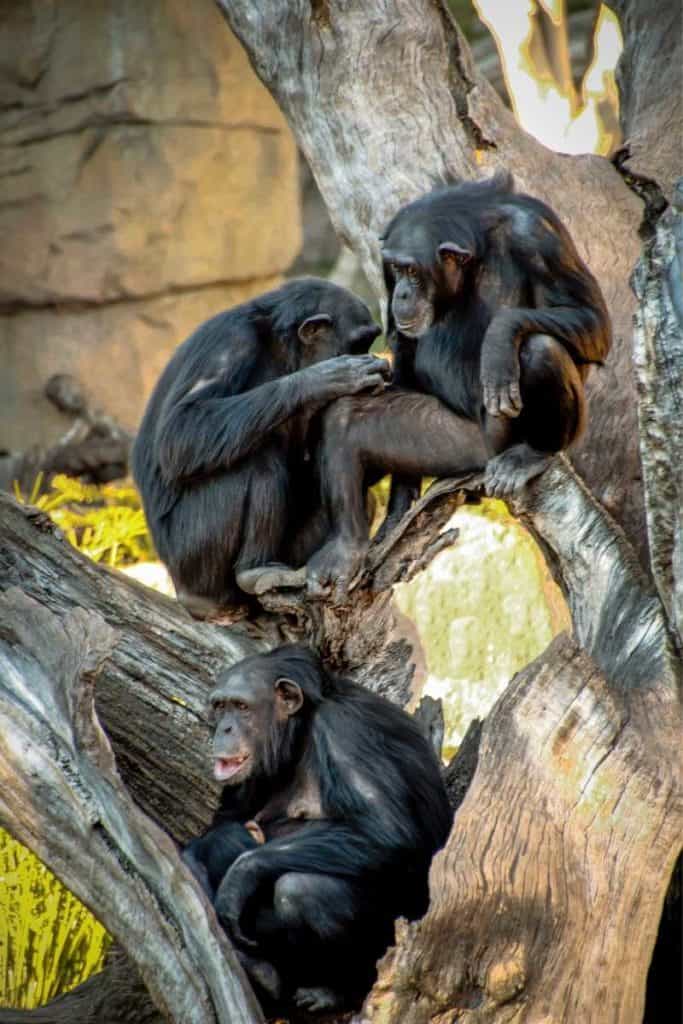
These animals show great independence while still being willing enough to take on extra responsibilities when necessary through examples like going off to find food and caring for the young animals left behind.
Orcas
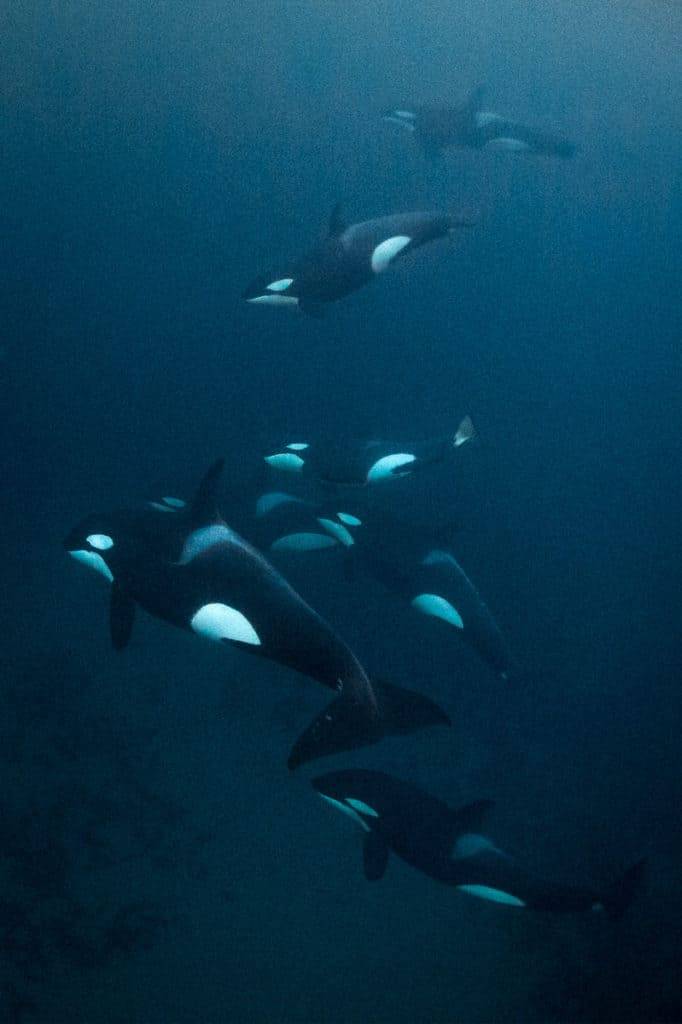
In the world of orcas, staying close to mom is the norm. In fact, orcas stay with their family for their entire lives and raise young as a group activity. The black and white whales live in pods that can range from five to 50 members where adolescent females help care for babies while parents teach them how to hunt together within pod lines. This shows animals that represent family directly contribute to the growth and well-being of one another.
Conclusion
In conclusion, animals that represent family are often animals who have a strong bond with one another in every aspect of life. These animals stick together and take care of one another through thick and thin because all members contribute to the growth and well-being of their group!
Animals can take care of orphaned animals without a second thought! For example, if an animal within a pride gets killed by another predator while out on the hunt, everyone else will turn around and instead start taking care of that young’s needs until it eventually grows into adulthood too!
Emperor penguins exhibit singing, dancing, and exaggerated behaviors when trying to attract mates. Once paired with a mate emperor penguins are monogamous for the duration of their breeding season
See also our full guide post about animal symbolism.
Frequently Asked Questions
What animals best represent family bonds and loyalty?
Dogs, elephants, dolphins, lions, penguins, and orcas exemplify strong family bonds through loyalty, cooperation, and protective instincts. These species demonstrate lifelong commitments to their families, mutual care during crises, and collaborative hunting or child-rearing, mirroring human family values.
Why do elephants travel long distances to find lost young?
Elephant herds exhibit deep familial anxiety when young members separate from the group. Adult elephants instinctively travel miles to locate lost calves, ensuring their safe return. This behavior reflects their sophisticated emotional intelligence and the matriarch’s responsibility for herd cohesion and protection.
How do dolphins demonstrate family care and protection?
Bottlenose dolphins nurse calves intensively during early development and keep them in their slipstream for speed and safety. Pods hunt together while protecting members from predators like sharks. Dolphins also rescue humans and adopt orphaned animals, showcasing cross-species compassion and familial commitment.
What is unique about lion pride family structure?
Lions form cooperative prides where mothers nurse cubs while others hunt and defend territory. Prides adopt unrelated cubs, coordinate group hunts against large prey, and protect young through strategic diversions. This collective approach ensures survival and demonstrates kinship beyond biological relations.
How do orcas maintain family units throughout their lives?
Orcas remain with their family pods for their entire lives, creating multi-generational bonds. Adolescent females assist in raising calves while parents teach hunting techniques. This lifelong family structure ensures knowledge transfer, survival skills, and emotional well-being for all pod members.
What makes penguins effective family protectors in harsh environments?
Emperor penguins form monogamous breeding pairs and employ collaborative defense strategies, forming rings around vulnerable members to protect against leopard seals. They rotate sleeping duties and share incubation responsibilities, demonstrating synchronized teamwork essential for surviving extreme Antarctic conditions.
How long do kangaroo joeys depend on their mothers?
Kangaroo joeys develop in pouches for approximately ten months after a remarkably short gestation period of 21-38 days. After emerging, they continue nursing for another 8-11 months while remaining physically attached to mothers, demonstrating extended parental investment and family bonding.
What role do chimpanzee mothers play in offspring independence?
Chimpanzee mothers maintain strong bonds with daughters for 6-9 years until sexual maturity, then encourage independence through separation. This controlled detachment allows young females to establish new communities and find mates, reflecting adaptive family dynamics that balance nurturing with individual autonomy.
How do owls balance parenting with allowing offspring independence?
Owl families demonstrate shared parenting where one offspring remains close to parents while siblings explore independently before returning home. Once juveniles mature, they assist in raising subsequent owlets, creating intergenerational family support systems that mirror human family responsibilities and cooperation.
Why do animals adopt orphaned young from other families?
Animals like lions, dolphins, and penguins adopt unrelated orphaned offspring through evolved maternal instincts that override genetic specificity. This behavior ensures group survival, population sustainability, and demonstrates that family bonds transcend biology—compassion and collective responsibility strengthen entire communities.