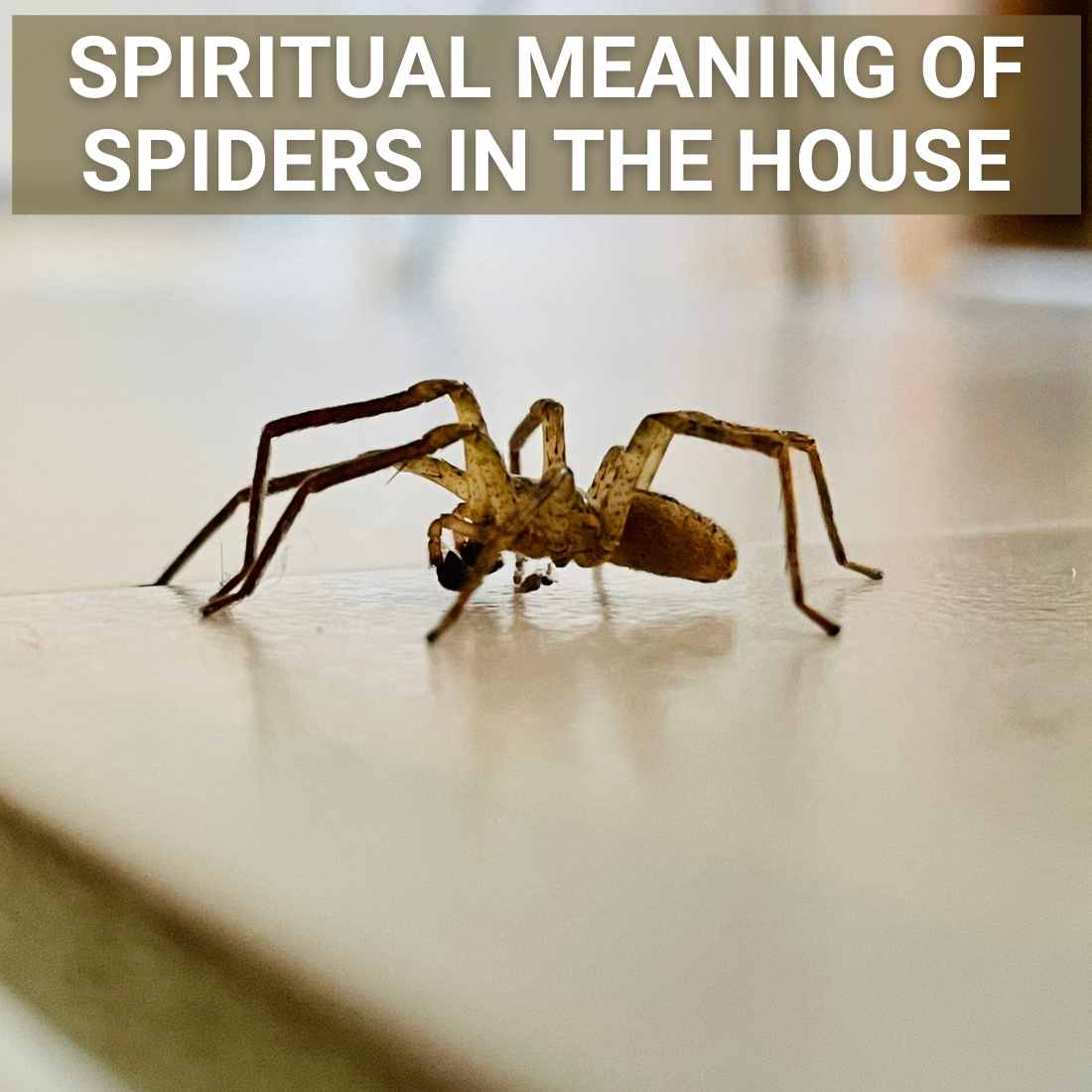
Most Western folk traditions read spiders as good signs. British belief ties them to domestic luck and money, while Hopi cosmology names the spider as a creator figure signaling guidance. The Akan tradition reads it as Anansi, appearing when something needs figuring out. Location shapes interpretation significantly.
Key Takeaways
- Across most traditions I’ve been able to trace, a house spider is a positive sign, tied to creativity, protection, and domestic luck, not danger.
- British and Northern European folk belief links spiders inside the home to financial luck. The old proverb is unambiguous: “if you wish to live and thrive, let the spider run alive.”
- In Hopi cosmology, as documented by Ekkehart Malotki in his work on Hopi oral traditions, Spider Grandmother (Kokyangwuti) is a creator figure whose presence near human space signals guidance, not intrusion.
- In Akan tradition, Anansi crosses boundaries and carries knowledge. Finding one inside your home carries a different weight than finding one in the garden.
- Where the spider appears in your house, kitchen, bedroom, basement, adds nuance to what you might take from the encounter.
What Does It Mean When You Find a Spider in Your House?
My grandmother Theresa kept a leather notebook of animal lore from the Bavarian Forest, and I have looked through it enough times to know that spiders don’t appear in it as a threat. They appear as weavers. Patient ones. The notebook is in German cursive and some pages have stuck together over the years, so I can’t always read every word, but the posture toward the spider is consistent: it is doing something deliberate, and you should notice that before you do anything else. This understanding of animal symbolism aligns with spider web symbolism and traditional interpretations of symbols and their meanings.
What strikes me about house spider symbolism across traditions is how consistent the reading is in cultures that had no contact with each other. The spider inside your home is not a threat symbol. It is a threshold symbol. The web it builds is geometric, specific to the space, and takes time. The creature that made it waited. Across the folk record, the common thread is patience and construction, something being built that you haven’t yet seen the shape of.
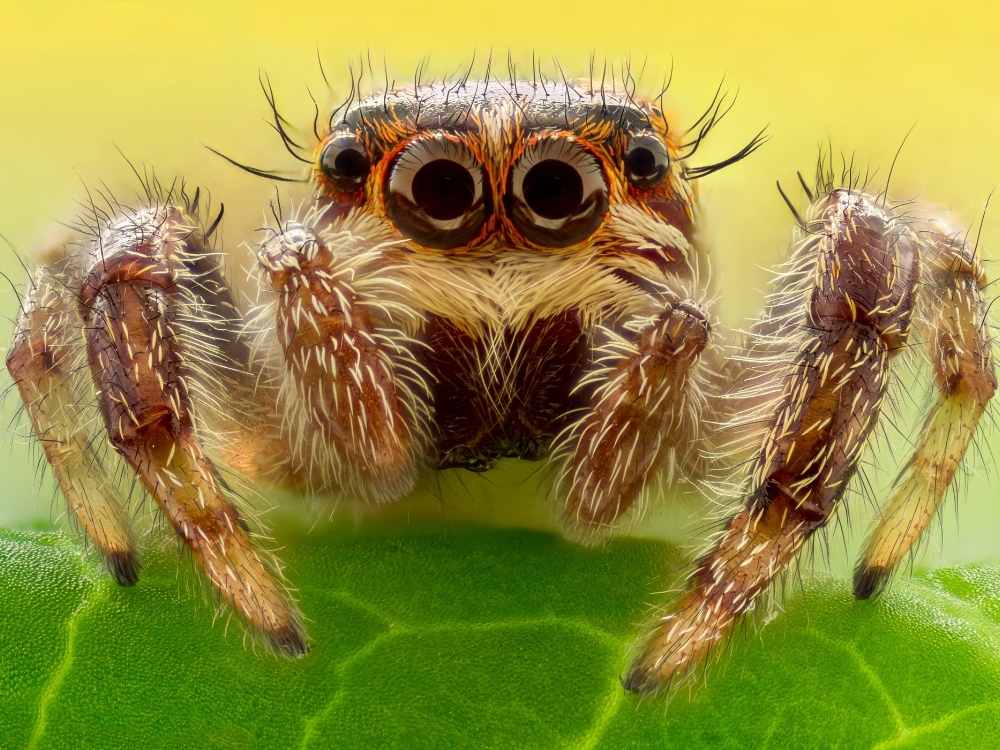
Before the symbolism, though: a spider in your house isn’t lost. It chose that corner. It found warmth, shelter, prey. The deliberateness is the first fact, and the symbolism is built on top of it, not underneath it.
What Do Spiders Symbolize Spiritually, and Why Does Location Matter?
The spiritual vocabulary around spiders clusters around four ideas: weaving fate, patience as a practice, creative power, and guardianship at thresholds. An outdoor spider belongs mostly to the first two. A spider inside your home pulls in the third and fourth.
Your home is not neutral ground in any folk tradition I know of. It is the space you control, the space where your life happens. When a creature enters it and stays, the older traditions treat that as significant in a way that a roadside sighting isn’t. The spider chose the inside of your house. That specificity is what shifts the reading.
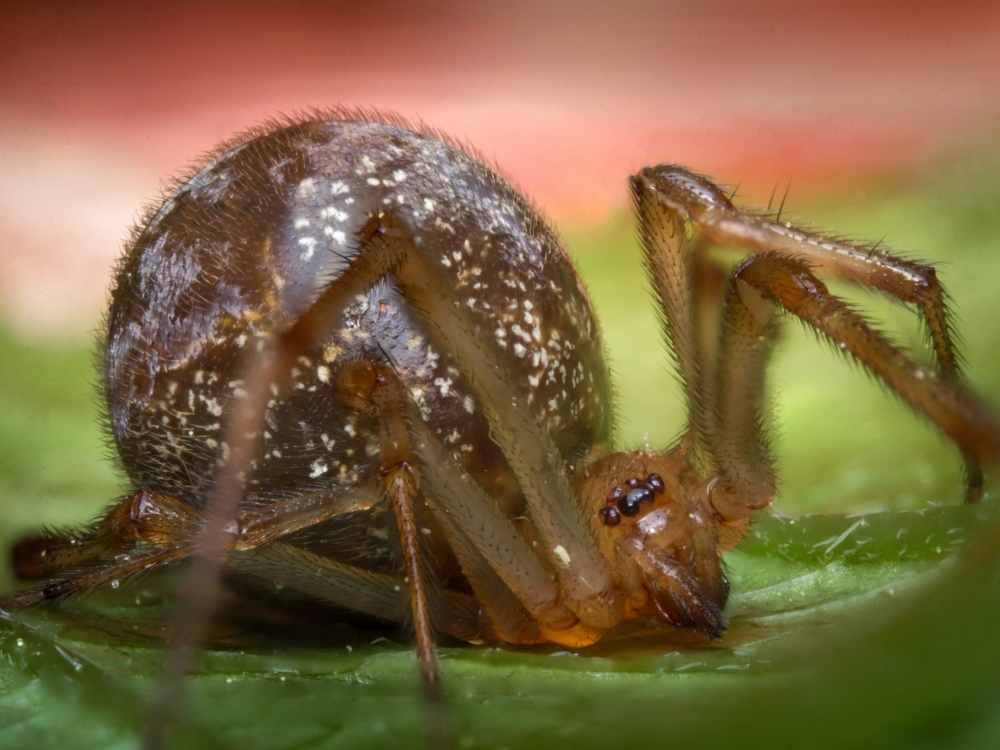
And the web itself carries its own logic. A 2017 study published in Science found that some orb-weaver spiders adjust their web geometry based on the frequency of prey movements in their environment, the structure is genuinely responsive to what the spider is trying to catch. The symbolism of building something specific to your situation, calibrated to your circumstances, maps directly onto observed behavior. That’s not nothing.
What Does Western and Northern European Folklore Say About House Spiders?
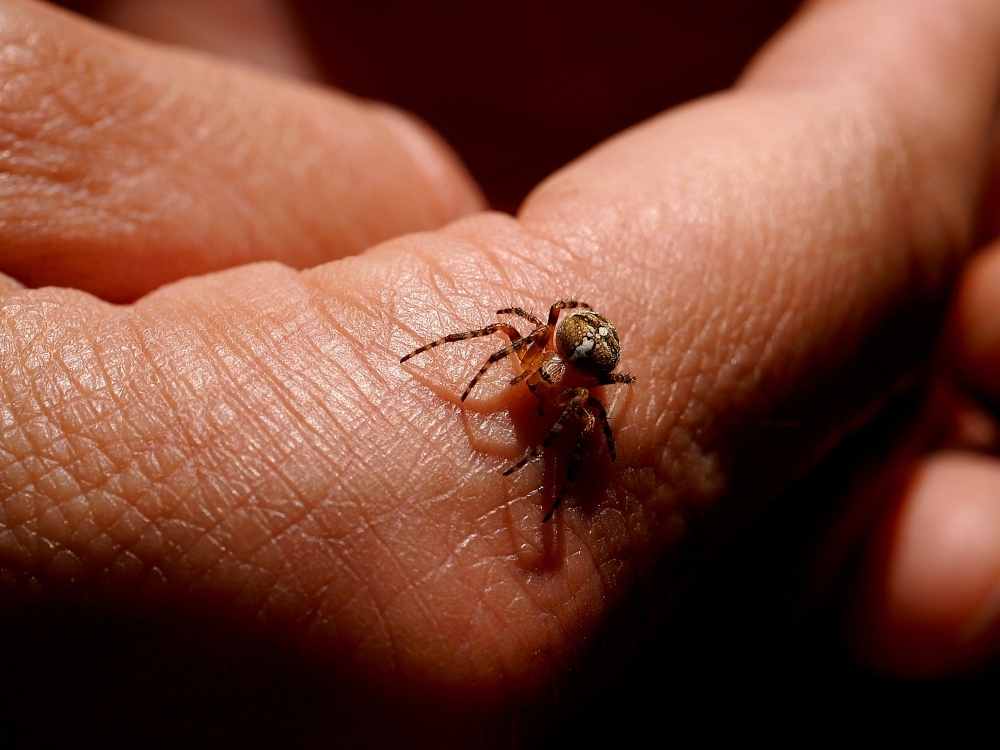
According to Iona Opie and Moira Tatem’s A Dictionary of Superstitions (Oxford University Press, 1989), the most documented spider belief in British folk culture is a flat prohibition against killing house spiders. The proverb circulates in multiple regional variants but the core is consistent: killing a spider indoors brings bad luck, specifically financial bad luck. The inverse reading, that a living spider in your home brings prosperity, appears in the “money spider” tradition, where a small spider running across your hand was said to be spinning you new wealth.
Richard Folkard, in Plant Lore, Legends and Lyrics (1884), records British variants including the belief that a spider descending its thread toward you brings good news. Not disaster. Good news. The fear-reading of house spiders is more recent than most people assume, and it runs counter to the actual folk record in the British Isles and Northern Europe, where the spider inside your home was almost uniformly a welcome sign.
The spider-as-protector also appears in medieval Christian Europe. Some accounts connect spiders to the protection of the Christ child, a spider spinning a web across the entrance to a cave to hide the holy family from Herod’s soldiers. The detail varies by region and is not in the canonical Gospels. But it shows up in enough European folk Christmas traditions to suggest the spider as guardian was a widespread instinct, not an isolated story.
What Does Indigenous and Mesoamerican Tradition Say About Spiders in the Home?
In Hopi cosmology, Kokyangwuti, Spider Grandmother, is not a minor figure. She is a creator, a teacher, a being who exists at the edge between the human world and what preceded it. According to Ekkehart Malotki’s Hopi Tales and Legends (1998), which draws on oral tradition recorded directly with Hopi speakers, Spider Grandmother appears at moments of transition and difficulty, not as a warning but as a guide. Her presence near human habitation is not accidental in these narratives.
Alfonso Ortiz, in The Tewa World (University of Chicago Press, 1969), his foundational study of Pueblo cosmology, documents the spider as a figure who inhabits the boundary between the surface world and the world below. A threshold keeper. A spider inside your home, in this frame, is less visitor and more reminder that thresholds exist and can be crossed.
I want to be careful here. I am a German-American writer, not a Hopi or Tewa scholar, and I cite these traditions with named sources because the only respectful way to reference them is specifically. The reading I take from this tradition, that a spider near your home signals a guide at a threshold, is my reading, built from these scholars’ documented work. The tradition itself belongs to the people who carry it.
How Have African and West African Traditions Interpreted the Spider?
Anansi is the Akan spider figure, originating in the oral traditions of the Ashanti people of present-day Ghana. Robert D. Pelton’s The Trickster in West Africa (University of California Press, 1980) is the scholarly anchor here. Pelton documents Anansi as a trickster who crosses boundaries, between humans and gods, between the living and the dead, between what is known and what is kept from you. He acquires stories. He holds knowledge.
So what does it mean when a spider turns up in your kitchen? In the Akan symbolic frame, Anansi’s appearance inside a domestic space might signal that something is being communicated, not a warning exactly, but an invitation to pay attention to what you know and what you don’t. Anansi is rarely a simple good-luck sign. He is more interesting than that. He shows up when something is worth figuring out.
Across traditions, the common thread is that a spider inside your home brings something: luck, guidance, a question, a creative prompt. The traditions that read it as bad luck are a minority, and even those tend to locate the bad luck in killing the spider, not in its presence.
Does the Room or Spot in Your House Change the Meaning?
In the folk tradition as I’ve read it: yes, somewhat. The logic is practical before it’s symbolic. Where the spider chooses to build says something about the spider, and the symbolic reading follows from that.
Kitchen: Spiders in the kitchen are close to food, warmth, and the center of domestic life. British folk belief, per Opie and Tatem, linked kitchen spiders to household abundance. If you’re seeing one regularly near your stove or pantry, the traditional reading is about nourishment and incoming good fortune in practical matters.
Bedroom: A spider in your bedroom operates in a more personal register. Jung, whom I read as psychology rather than metaphysics, would read the bedroom as the space closest to the unconscious, where the mind processes what the day couldn’t. A spider there might be worth reading as a prompt about what you’re building privately, or avoiding.
Basement or corners: Spiders in neglected corners, dark rooms, or basements are in the parts of your house you don’t look at much. The spider found a space that was undisturbed. The symbolic parallel, the neglected corner of your own attention, is one I find worth sitting with, even though I can’t tell you it’s objectively true.
Frequently Asked Questions
Is finding a spider in your house good luck or bad luck?
Good luck, in the folk traditions I find most documented. According to Iona Opie and Moira Tatem’s A Dictionary of Superstitions (Oxford University Press, 1989), British folk belief consistently treats house spiders as signs of domestic prosperity. The “money spider” tradition, a small spider running on your hand or clothes spinning you new wealth, is one of the most consistent strands in English folk belief. The bad luck version almost always involves killing the spider, not finding one alive.
What does it mean if a spider keeps appearing in the same spot in your home?
Practically, it means the spider found a productive hunting spot. Symbolically, across traditions that pay attention to repetition, a creature returning to the same place is harder to read as random. I’d treat a recurring spider in the same location the way I’d treat any recurring encounter: as something worth noticing. What is that corner near? What happens in that room? The repetition doesn’t prove anything. But it earns a second look.
Does the color of the spider change its spiritual meaning indoors?
Honestly, I don’t have a confident answer here. The folk record is thin and the academic record is thinner. Color symbolism for spiders specifically, as opposed to color symbolism in general, is not well-documented in the sources I trust. White spiders appear in some modern online spirituality writing as signs of purity or spiritual connection, but I haven’t found that in historical folk sources. I’d be cautious about readings built primarily on color alone.
What does it mean spiritually if you accidentally kill a spider in your house?
British folk tradition is fairly consistent: accidentally killing a house spider was associated with bad luck, specifically financial misfortune. But “accidentally” is doing real work in that sentence. The tradition seems more concerned with deliberate killing than accidents. If you’re troubled by it, the old remedy was simply to acknowledge the accident and pay attention to the next spider you find. No elaborate ritual required.
Is a spider in your bedroom a different sign than one in your kitchen?
The folk traditions don’t usually break it down by room this precisely; that’s more a modern elaboration. But the logic holds. Kitchen spiders map onto nourishment and household abundance in British folk belief. A bedroom spider sits closer to private life and what’s happening in your inner world. I read the location as a prompt for where in your life to direct the question the spider is raising.
What does it mean if a spider drops down in front of you inside your home?
Richard Folkard, writing in Plant Lore, Legends and Lyrics (1884), recorded a British folk belief that a spider descending on its thread toward you was a sign of good news coming. The image is specific: the spider moving toward you, not away. I find that a more grounded reading than most of what gets written about this encounter. A spider dropping in front of you on a thread is displaying behavior, moving with intention. The folk tradition named that intention as favorable.
Are there any traditions that consider a house spider a bad omen?
Some exist, though they’re a minority in the sources I’ve worked through. Certain strands of European folk belief associated evening spiders with bad luck while morning spiders were good luck, the “spider in the morning, grief without warning / spider at night, brings delight” rhyme, which Opie and Tatem document in several regional variants. So the time of day mattered in some traditions. But a house spider as a consistently bad omen? I haven’t found it as a dominant reading anywhere in the documented folk record.
What is the difference between a spider as a spirit animal and a spider as an encounter sign?
A spirit animal, in the sense the term is used in modern spirituality (borrowed imprecisely from Anishinaabe and other Great Lakes peoples’ traditions), refers to a persistent connection, an animal whose qualities you carry or are meant to develop over time. An encounter sign is a single event: you found a spider today, and you’re asking what to make of it. These are different questions. The encounter sign traditions I’ve covered here are about this spider, this moment, this location. The spirit animal question is a different and longer conversation.
Sources
- Iona Opie and Moira Tatem, A Dictionary of Superstitions (Oxford University Press, 1989)
- Richard Folkard, Plant Lore, Legends and Lyrics (1884), via richardalois.com insects reference index
- Robert D. Pelton, The Trickster in West Africa (University of California Press, 1980), referenced in the site’s centipede symbolism article
- Steffen Thomas Institute, Symbols and Their Meanings, cross-cultural symbol reference
- Alfonso Ortiz, The Tewa World (University of Chicago Press, 1969), Journal of the American Folklore Society reference
- richardalois.com, About the author and site methodology