Chakras first appeared in ancient Vedic times as star charts depicting various space points as containers for cosmic energies. These energies were thought to flow through us and into our surroundings, influencing everything.
This information was eventually incorporated into religious teachings and adopted by yogis from all traditions to create their healing practices. Conscious breathing is one of the most potent ways to balance your
Follow along to discover three of the most powerful breathing exercises to help balance your chakras.
Table of Contents
- 1 Key points
- 2 What are chakras?
- 3 What are the advantages of pranayama or deep breathing?
- 4 How does breathing help the chakra system?
- 5 How frequently should you practice chakra breathing?
- 6 Frequently Asked Questions
- 6.1 What is the origin of chakras in ancient spiritual traditions?
- 6.2 How many chakras are in the human body and where are they located?
- 6.3 What is pranayama and how does it differ from regular breathing?
- 6.4 Can chakra breathing reduce stress and anxiety symptoms?
- 6.5 What are the physical health benefits of practicing chakra breathing exercises?
- 6.6 How do chakras connect to specific brain regions and mental functions?
- 6.7 What is the four-breath technique used in chakra breathing practices?
- 6.8 How can partner chakra breathing techniques deepen intimate connections?
- 6.9 How often should someone practice chakra breathing for optimal results?
- 6.10 What is the relationship between chakra balance and overall spiritual awareness?
Key points
- Chakras are the energy centered that run along the base of your spine.
- These energy centers can be activated and opened through deep breathing or pranayama.
- Chakra breathing has many physical, mental, emotional, and spiritual benefits.
What are chakras?
The
Chakras first appeared in ancient Vedic times as star charts depicting various space points as containers for cosmic energies. These energies were thought to flow through us and into our surroundings, influencing everything.
This information was eventually incorporated into religious teachings and adopted by yogis from all traditions to create their healing systems (chi and chakras are both part of the energetic healing system). Each
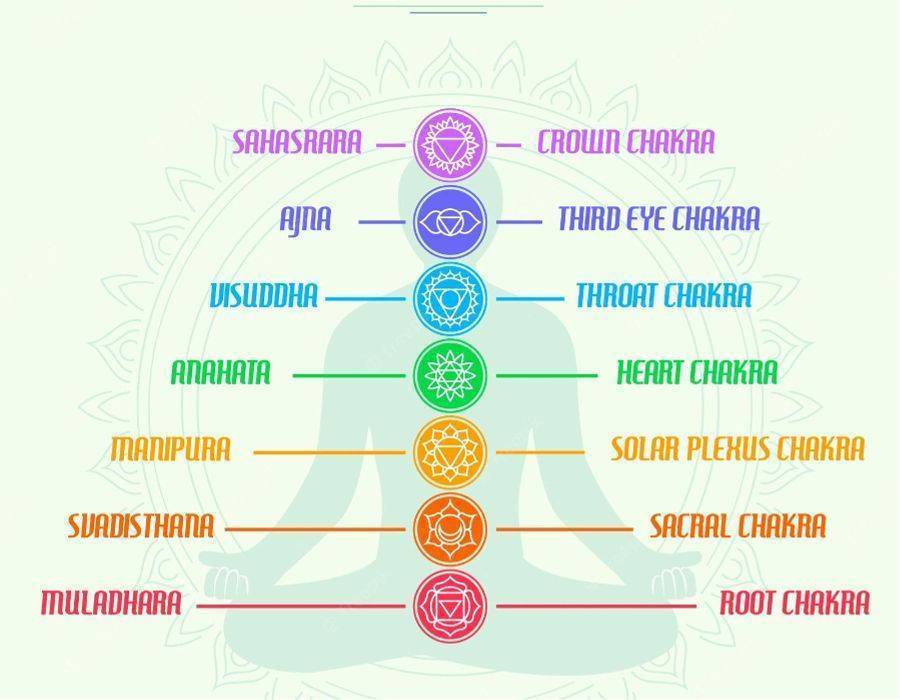
Each serves a distinct purpose and plays a distinct role in our physical and emotional lives. When these chakras are balanced and aligned, we can experience deep inner peace and harmony. The
The
What are the advantages of pranayama or deep breathing?
Deep breathing, or pranayama, is a centuries-old practice to improve physical and mental health. The body’s chakras, or energy centers, are thought to be linked to specific parts of the brain, and deep breathing can help balance these energy flows.
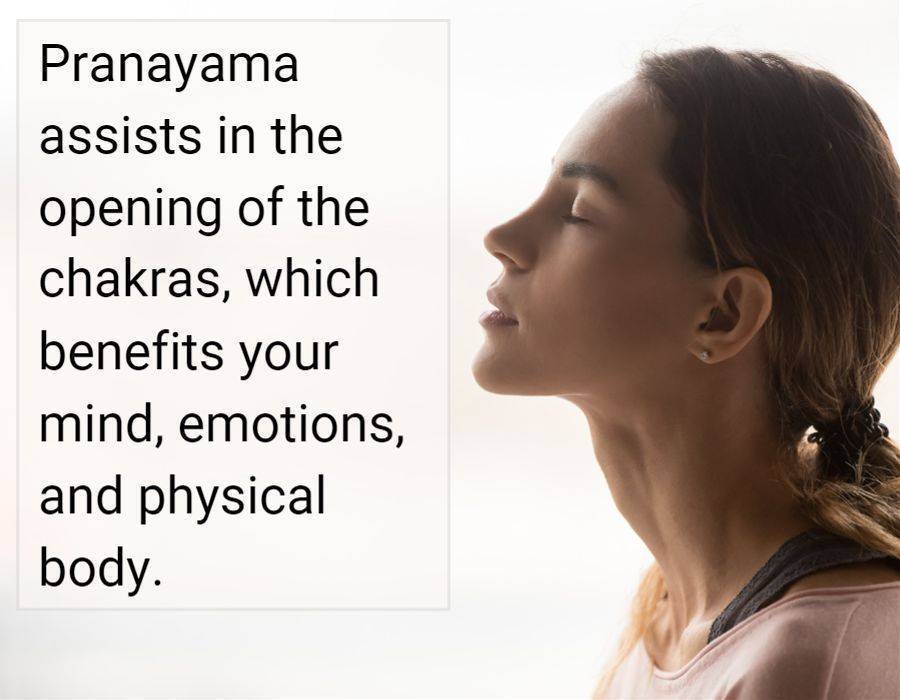
Pranayama assists in the opening of these chakras, which benefits your mind, emotions, and physical body. Deep breathing has numerous advantages, including improved respiratory function, increased energy, reduced stress, and improved circulation.
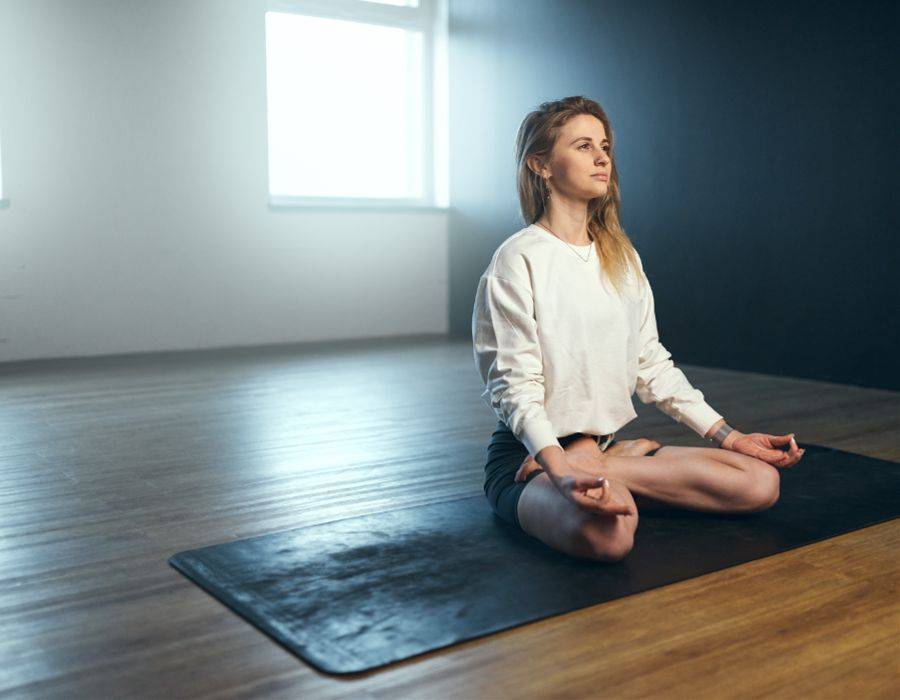
Pranayama also aids in the reduction of anxiety and depression symptoms by elevating mood and decreasing stress responses throughout the body. Regular pranayama breathing exercises can improve your body’s circulation, lung capacity, and overall respiratory endurance.
Many people find deep breathing beneficial when relaxing before bed or after a stressful day at work. It’s also an excellent way to improve your sleep quality.
Check out this video for more information on Pranayama.
How does breathing help the chakra system?
There are many ways and rituals to cleanse your chakras. Many people believe that pranayama breathing can benefit the
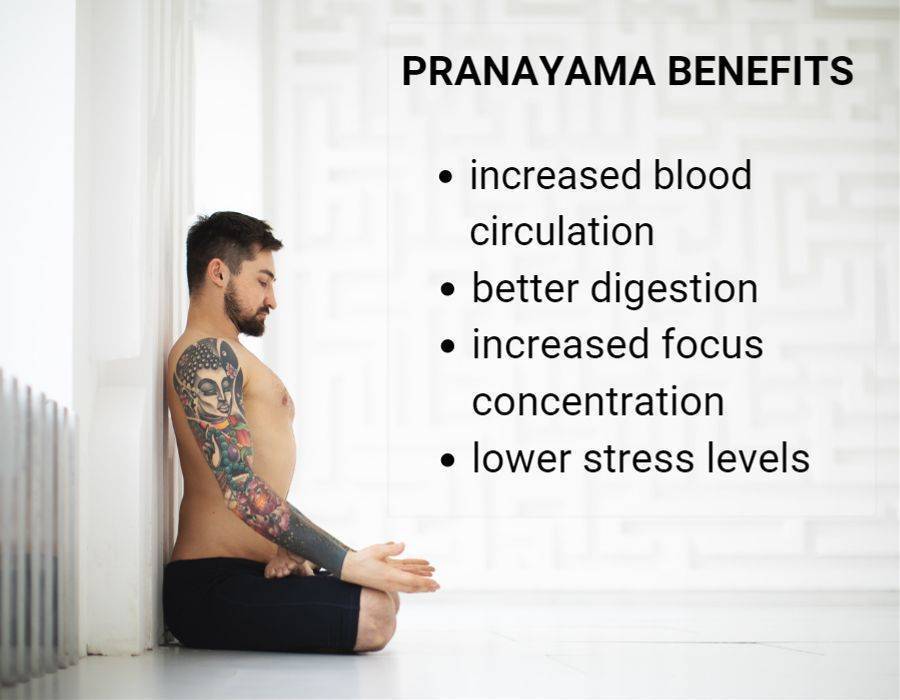
Pranayama refers to any technique that aids in breath control and pranayama practitioners frequently combine it with other practices such as meditation and yoga. Many believe that pranayama has numerous health benefits, such as increased blood circulation, better digestion, increased focus and concentration, and lower stress levels.
This breathing exercise can also help to improve the body’s energy balance and overall well-being. Some functional practitioners of Pranayama breathing assist in opening blocked or dysfunctional chakras, allowing their energies to flow correctly and be used beneficially.
Others employ pranayama breathing techniques to connect with their higher selves or spiritual forces. Finally, these breathing exercises allow you to access deeper layers of your subconscious mind.
Regularly working with the seven chakras (but also the minor chakras) through pranayama exercises can improve overall physical well-being and spiritual awareness (have you heard of non-dual awareness? Check out the post behind the link.
Chakra Breathing Technique #1
There are numerous ways to use pranayama breathing to channel your physical or mental energy into useful, practical purposes. Combining it with meditation is one method for unblocking or balancing your chakras through breathing.
The first technique entails practicing being aware of your body and all seven energy centers within the present moment. Meditation is the process of redirecting your attention from external distractions to your inner self in the present moment.
When you direct your attention to specific chakras and the feelings or energies that arise from these energy centers, you allow your mind to connect more deeply with your emotional and physical bodies. Basic pranayama techniques can be used to access and direct the energy flow within your body.
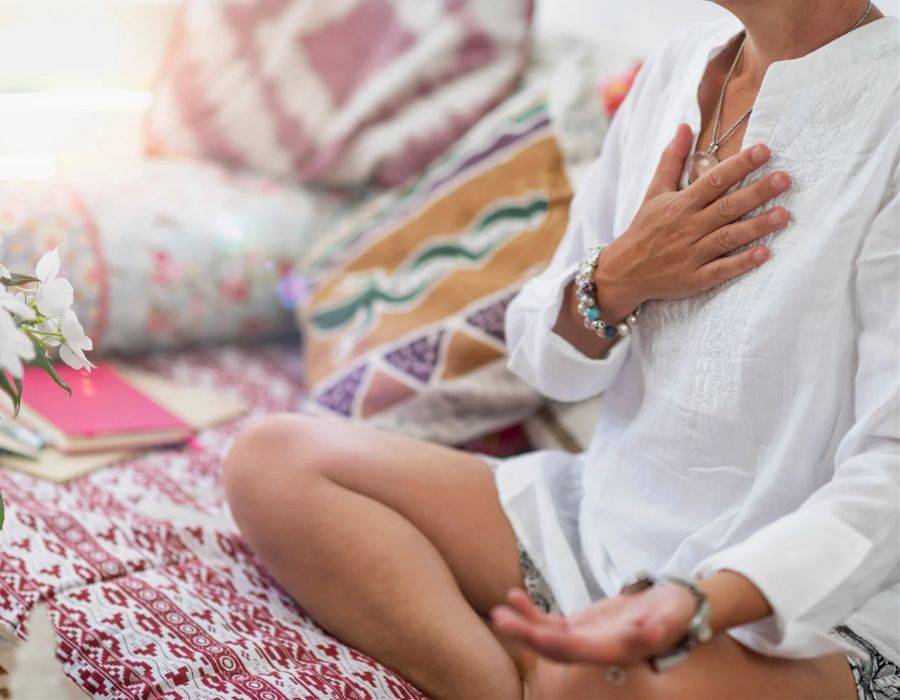
The first step in this meditative pranayama breathing technique is to find a stress-free environment where you won’t be disturbed. Locate a comfortable sitting or standing position where you can press your feet into the floor and ground yourself.
Allow yourself to relax and clear your mind of stress and other factors. Your attention should be drawn to your breathing as you inhale through your nose and allow your belly, lungs, and rib cage to expand with the breath. Continue to concentrate on breathing as you exhale the air through your nose.
Continue deep breathing until your mind and body are completely clear.
Chakra Breathing Technique #2
The second chakra breathing technique involves taking specific breaths and holding them while focusing on specific chakras in the body. It would be best if you sat comfortably with your mouth closed and your tongue lightly placed against the top palate of your mouth.
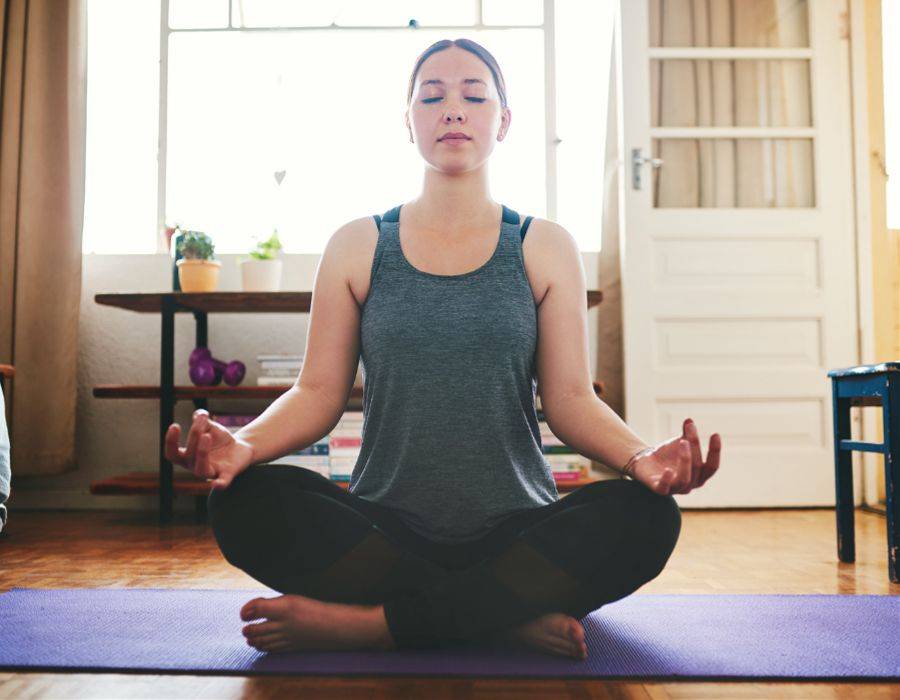
Your breathwork should be divided into four breaths, emphasizing inhale, hold, exhale, and hold. Concentrate on intent or specific keywords for the energy center of your choice during the hold in your breathing technique.
Your focused breaths and intent to release any blocked or stagnant energy within your body as you move through each of the seven
Chakra Breathing Technique #3
Another chakra breathing technique is to align your body and its energies to connect with your higher self and become one with your body. This technique can be used in conjunction with partnered meditation and breathing techniques.
Being present and aligning your emotional energies with another person will allow you to connect with them more deeply. As you use breathwork and focus on aligning your
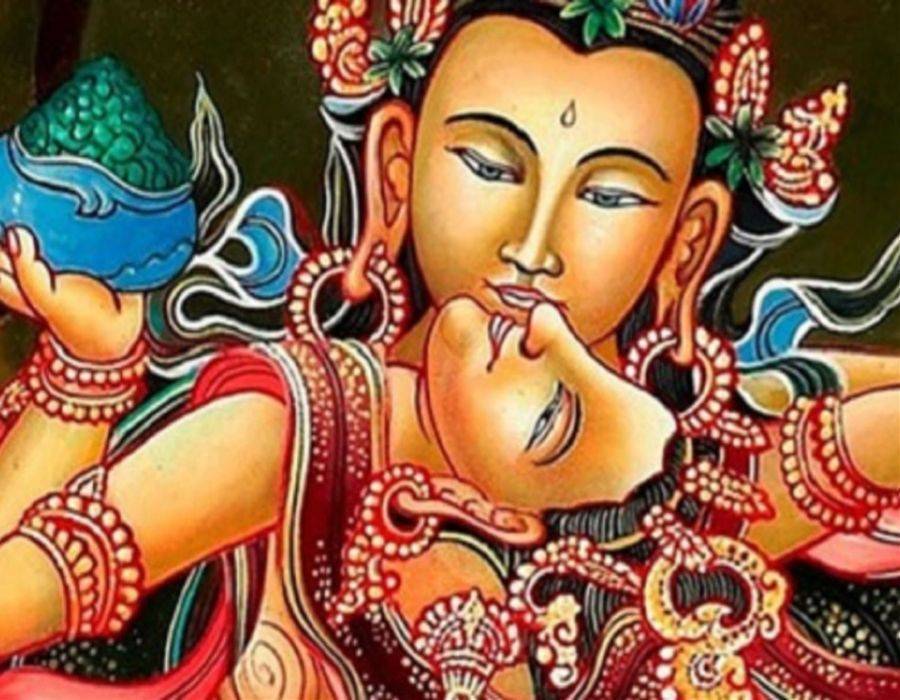
As you combine physically, mentally, and emotionally, the energy should flow as if in a loop between your and your partner’s chakras. The energy from your focused intention and breath work, combined with touch and heat, will allow you greater access to your energy chakras.
This technique is primarily used to release romantic or sexual energy from you or your partner. You can concentrate on increasing your partner’s emotions and feelings of intimacy.
Other techniques to balance chakras include reiki and chakra, herbs, different chakra cleansing rituals, and chakra candles.
How frequently should you practice chakra breathing?
Chakra breathing is a popular technique for improving your overall health and well-being. The practice entails mentally focusing on your chakras while breathing in and out.
Chakra breathing has numerous advantages, including increased energy, improved mental clarity, and reduced stress levels. There is no definitive answer regarding how frequently you should perform
Some people recommend doing it every day, while others only do it once or twice a week. Experimentation, like anything related to health and wellness, is essential until you find a proper balance for your daily routine. It all comes down to what works best for you.
Sources
- https://chmhst.com/sexuality/chakra-breathing-exercise/
- https://lightnews.org/wp-content/uploads/2018/11/Chakra-Breathing-Exercises-for-the-Beginner.pdf
- https://mantrayogameditation.org/what-is-chakra-breathing-and-how-to-practice/
- https://www.healthline.com/health/what-are-chakras
- https://www.richardalois.com/spirituality/reiki-chakra-symbols
Frequently Asked Questions
What is the origin of chakras in ancient spiritual traditions?
Chakras originated in ancient Vedic times over 2,000 years ago as star charts depicting cosmic energy points. Hindu teachings incorporated this knowledge, and yogis adopted chakra systems to develop healing practices that balance physical and energetic bodies through targeted interventions.
How many chakras are in the human body and where are they located?
There are seven primary chakras located along the body’s central axis, running from the base of the spine upward. Each energy center serves a distinct purpose in our physical and emotional lives, with additional minor chakras throughout the body supporting overall energetic balance.
What is pranayama and how does it differ from regular breathing?
Pranayama, meaning ‘breath control’ in Sanskrit, involves conscious breathing techniques that regulate energy flow through chakras. Unlike automatic breathing, pranayama combines intentional inhale-hold-exhale-hold patterns with meditation and yoga to activate chakras and enhance physical, mental, and spiritual well-being.
Can chakra breathing reduce stress and anxiety symptoms?
Yes, pranayama breathing exercises reduce anxiety and depression by elevating mood and decreasing stress responses throughout the body. Deep breathing improves circulation, lung capacity, and respiratory endurance while promoting relaxation, making it beneficial before sleep or after stressful situations.
What are the physical health benefits of practicing chakra breathing exercises?
Chakra breathing improves respiratory function, increases energy levels, enhances blood circulation, aids digestion, and boosts overall well-being. Regular pranayama practice strengthens lung capacity, reduces stress responses, improves sleep quality, and promotes better oxygen delivery throughout the body’s systems.
How do chakras connect to specific brain regions and mental functions?
The body’s chakras are thought to link with specific brain areas and mental processes. Deep breathing through pranayama helps balance these energy flows, connecting the mind more deeply with emotional and physical bodies while accessing subconscious layers to improve focus, concentration, and cognitive clarity.
What is the four-breath technique used in chakra breathing practices?
The four-breath technique divides breathwork into inhale, hold, exhale, and hold phases. Practitioners sit comfortably with tongue against the palate and focus on specific chakras during each hold, concentrating on intent or keywords to release blocked energy and promote balanced flow throughout the seven chakra centers.
How can partner chakra breathing techniques deepen intimate connections?
Partner chakra breathing aligns emotional energies and chakra systems between two people through synchronized breath and focused intention. This tantric technique allows energy to flow between partners like a loop, combining physical touch, heat, and breathwork to access deeper intimacy and release romantic or sexual energy.
How often should someone practice chakra breathing for optimal results?
There’s no universal frequency—some practitioners recommend daily practice while others prefer once or twice weekly. The ideal schedule depends on individual needs and lifestyle. Experimentation is essential to find what works best for your body and wellness goals through consistent personal assessment.
What is the relationship between chakra balance and overall spiritual awareness?
Regular chakra work through pranayama exercises improves physical well-being while expanding spiritual awareness and consciousness. Balanced chakras allow practitioners to connect with universal consciousness, access higher self insights, and develop non-dual awareness—understanding the interconnectedness of mind, body, and universal energy.