Most people think a goldfish in a dream means good luck is coming. But in Han Chinese folk belief, it’s more specific: a goldfish represents wealth and peace you build at home through your own choices, not fate’s gift. Whether the fish swims free or stays in its bowl determines which meaning fits your dream.
Key Takeaways
- In Han Chinese folk religion and feng shui practice, goldfish symbolize cultivated abundance and domestic harmony, not a universal wealth omen that applies to every context.
- In Edo-period Japanese culture, goldfish symbolism centers on seasonal beauty, urban leisure, and the short pleasure of summer, not on spiritual prophecy.
- Buddhist traditions link fish to compassion and the practice of release (fangsheng), not to automatic fortune-telling or financial prediction.
- Goldfish live 10 to 30 years in captivity, according to Encyclopaedia Britannica, which makes them a more fitting symbol of quiet persistence than of short memory or triviality.
- Dream meanings and totem associations depend heavily on personal context and the condition of the fish, not on any single fixed code.
What Is the Spiritual Meaning of a Goldfish?
The goldfish is a symbol of cultivated abundance and contained beauty. A creature shaped by human hands over centuries into something that could not survive without care. That’s the core of what it represents across the traditions that have written about it most carefully, not a wild omen, not a messenger from outside the household. Something kept.
My grandmother Theresa kept a leather notebook of animal lore from the Bavarian Forest, and goldfish don’t appear in it. The fish isn’t European folk fauna. But the question it raises is one the notebook does address in other animals: what does it mean when something beautiful lives only inside a boundary someone else drew?
Across traditions, the common thread is that the goldfish represents prosperity that has been tended, not found. The symbolism maps directly onto the animal’s nature. A goldfish doesn’t swim into your pond from a river. Someone put it there, feeds it, keeps the water clean. The symbol follows from the fact.
What Does the Word “Goldfish” Actually Mean, and Why Does It Matter Symbolically?
The name itself did the symbolic work before any folk tradition got involved. The English word goldfish appears in the written record in the 1690s. The scientific name, Carassius auratus, takes the Latin auratus, “gilded” or “golden.” The Mandarin name, jinyü (金鱼), means “gold fish” directly: 金 for gold, 鱼 for fish. Japanese kingyo (金魚) uses the same two characters.
Three languages, three writing systems, all of them landed on gold. That convergence isn’t coincidence. It reflects what made the fish remarkable when people first kept it: the color. A living thing the color of a coin, moving through water. The auspicious associations came from the name as much as from any deliberate symbolic decision.
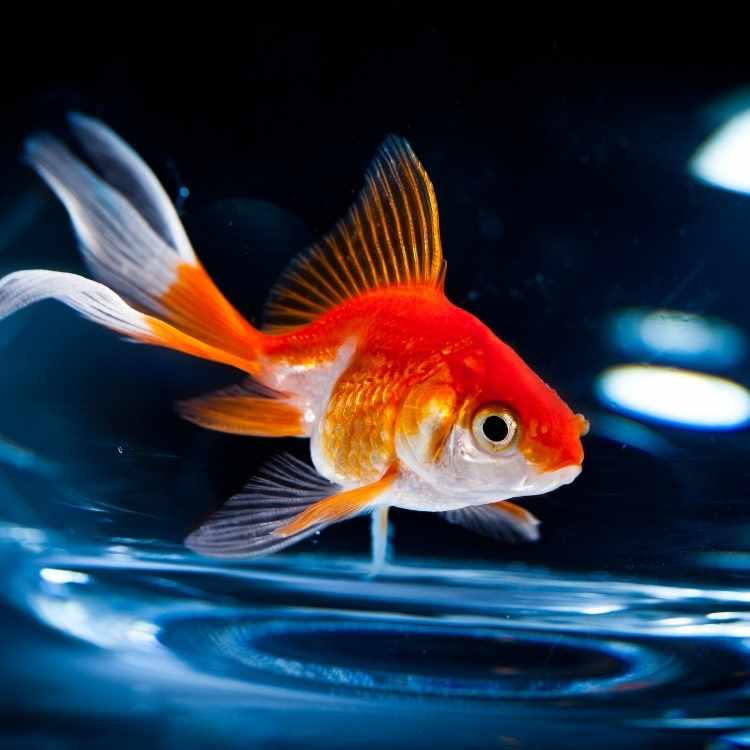
The National Diet Library of Japan’s record of goldfish history notes that earlier Japanese forms included kogane uo, also “golden fish”, before kingyo became the standard term. The gold was always the point.
What Do Chinese Folk Religion and Feng Shui Say About Goldfish?
Kluth’s 2020 review in Frontiers in Ecology and Evolution links goldfish in Han Chinese folk religion to prosperity, abundance, marital harmony, and favorable household fortune. These associations developed in the context of domestic decoration, gift-giving, painted scrolls, and feng shui. Not as a prediction system for every goldfish anyone has ever seen.
The feng shui use is specific. Goldfish kept in a tank or pond in certain areas of a home are thought to support the flow of positive energy. Eight gold fish and one black fish is a combination some practitioners recommend, the black fish said to absorb misfortune. I don’t know enough about the internal logic of feng shui to evaluate that claim fully, and I’d be cautious about anyone who presents it as a universal rule rather than one school’s interpretation.
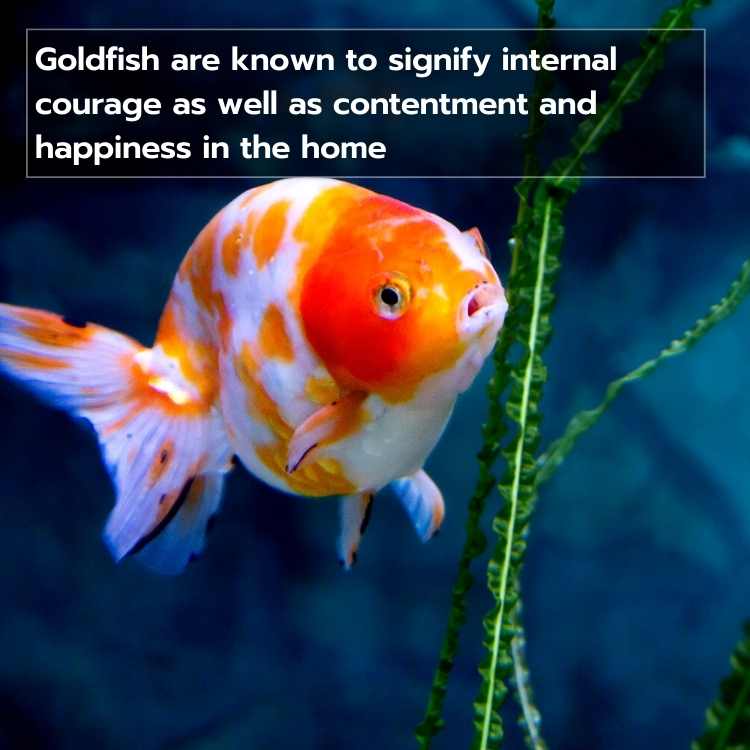
Pairs of goldfish in Chinese decorative art carry associations with marital harmony and fertility. The image shows up in wedding gifts and household paintings, a pair of bright fish in a clear bowl. The symbolism is domestic. It’s about what you tend inside your home, not about wild fortune arriving from outside.
What Did Goldfish Symbolize in Edo-Period Japan?
Japanese goldfish symbolism moved in a different direction than Chinese, and that difference is worth knowing. According to the National Diet Library of Japan, Kingyo sodategusa (“How to Raise Goldfish”), published in 1748, was a breeding manual that helped drive something close to a goldfish culture boom in Edo-period urban Japan. By the late Edo period, goldfish vendors working the streets of Japanese cities had become associated with summer itself, a seasonal sound and image as recognizable as the smell of a food stall.
In traditional Japanese poetry, certain images function as seasonal markers (kigo). Goldfish became one of them, linked to summer and to the particular mood of heat and leisure that summer carries in Edo culture. The game kingyo-sukui, goldfish scooping, where you try to catch fish with a paper scoop at a festival, is still played at summer festivals in Japan today.
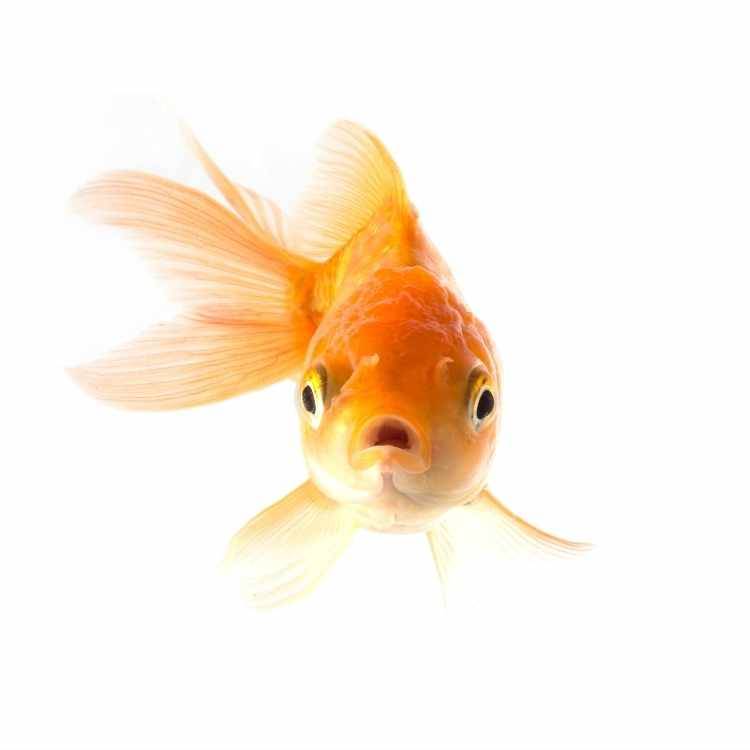
The Japanese tradition emphasizes pleasure, refinement, and the passing beauty of a season. Not wealth, not spiritual revelation. A goldfish in Japanese art is often about the feeling of summer, something brief, vivid, and gone. That’s a different symbol than the Chinese one. Both are more specific than “good luck.”
What Role Do Goldfish Play in Buddhist and Daoist Release Traditions?
Fish appear in Buddhist iconography asone of the eight auspicious symbols of Tibetan and Chinese Buddhism, the golden fish (suvarnamatsya in Sanskrit) representing freedom from suffering and the ability to move through existence without drowning. But the specific goldfish kept in a bowl is a different image than that emblem. The two shouldn’t be collapsed.
The practice more directly relevant to goldfish is fangsheng (放生), the release of living beings. Henry Shiu and Leah Stokes, in their 2008 study of Buddhist animal release practices, trace this tradition to texts including the Fanwang jing and other Mahayana sources. The practice involves buying captive animals, fish, birds, turtles, and releasing them as an act of compassion, generating merit by freeing a life.
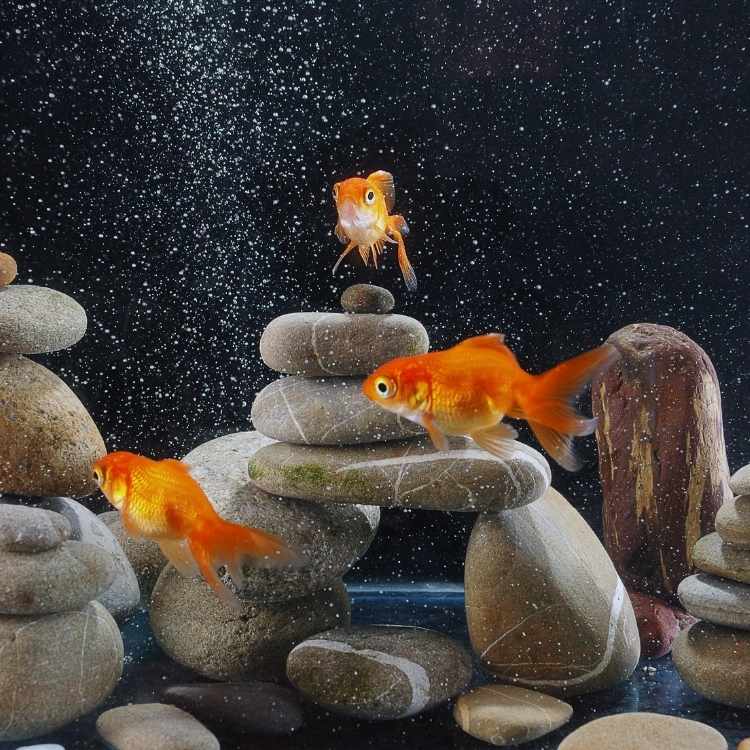
Goldfish can be involved in these releases. But Shiu and Stokes are careful to note that the ecological consequences of releasing ornamental fish into natural waterways can be severe. The symbol of release is mercy and responsibility; the practice itself requires thought. A goldfish in this framework is not a messenger of fortune. It’s a living thing that deserves freedom, which is a different kind of meaning, and a more demanding one.
What Does Goldfish Symbolism Reveal About Domestication and Human Care?
The goldfish is not a natural animal in the way a wild carp is. Wang et al.’s 2020 study in Proceedings of the National Academy of Sciences, “The evolutionary origin and domestication history of goldfish (Carassius auratus),” documents more than 1,000 years of selective breeding from crucian carp in ancient China. The orange, white, and black-spotted fish we keep in bowls today are the result of generations of human choice.
That history grounds a metaphor worth sitting with. The goldfish is beautiful because it was shaped. Its colors, its fins, its dependence on clean managed water, none of that is wild. It represents something cultivated, something that could not exist without ongoing human attention.
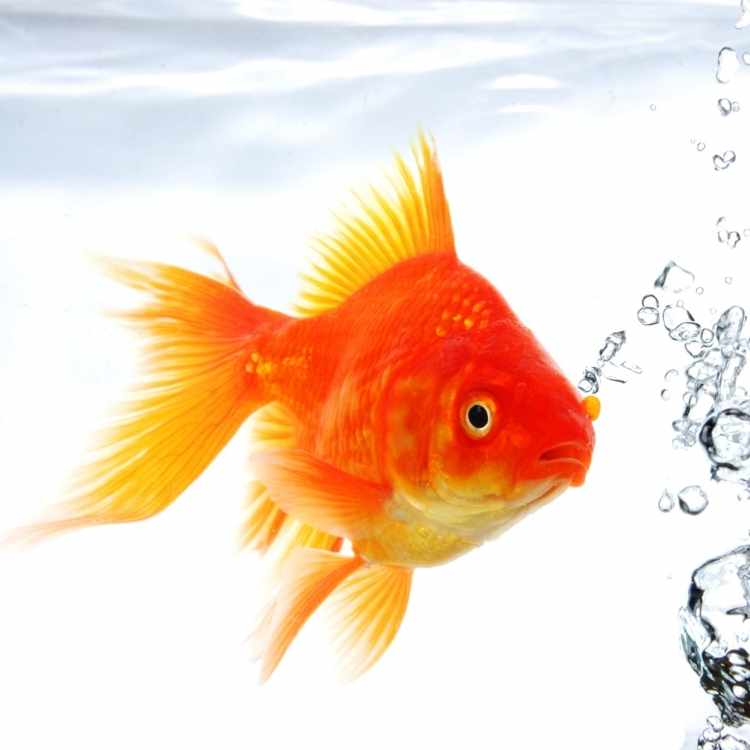
Whether that reads as “protected potential” or “constrained by its environment” probably says something about the question you bring to it. As a symbol for your own life, the goldfish asks: what have you shaped carefully over time? And what requires you to keep showing up, or it fades?
How Does Goldfish Longevity Challenge Common Symbolic Assumptions?
The popular stereotype, goldfish as symbols of short memory and brief existence, doesn’t hold up against the actual biology. Encyclopaedia Britannica notes that pet goldfish have been known to live 25 years, and National Geographic reported in 2019 that captive goldfish commonly live about 10 years in aquariums and up to 30 years in ponds. The “three-second memory” claim is a folk myth with no scientific support.
So if someone tells you goldfish symbolize triviality or forgetting, they’re working from the stereotype, not the animal. A creature that can live three decades in a bowl, returning to the same surface every morning for the same food from the same hand, is an image of persistence and continuity.
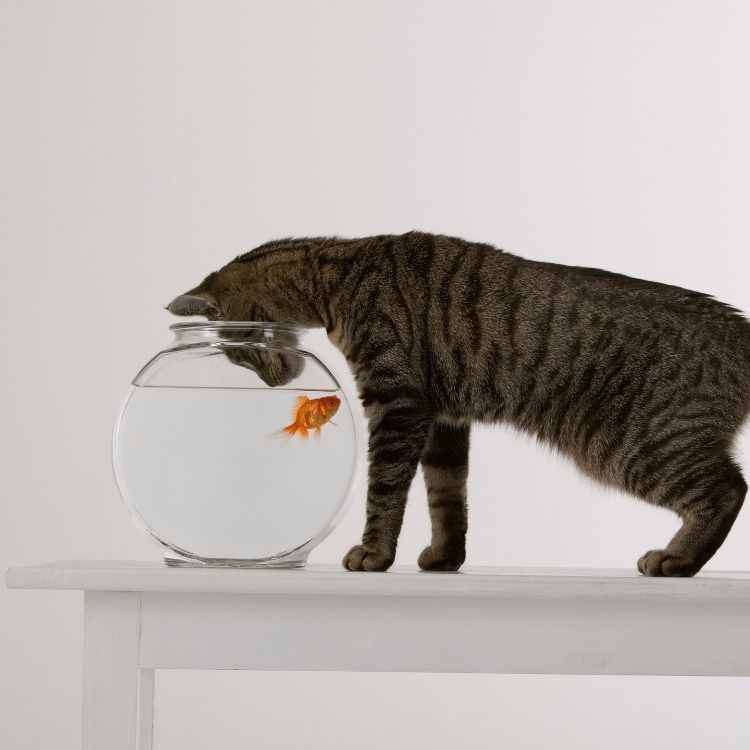
Quiet, yes. Underestimated, certainly. But not brief.
In a dream context, this matters. A dying goldfish might signal neglect of something you’ve been caring for over a long time, not a warning of brief fortune, but of a sustained relationship going wrong.
What Are the Most Common Misconceptions About Goldfish Symbolism?
Three errors show up repeatedly. First: goldfish dreams do not automatically predict money. The Han Chinese association links goldfish with cultivated abundance and household harmony, a domestic meaning, not a financial prophecy. Personal context shapes a dream’s meaning more than any symbol does.
Second: goldfish do not traditionally symbolize poor memory. This is a Western popular myth, not a Chinese, Japanese, or Buddhist folk meaning. The documented biology also contradicts it. A goldfish’s potential lifespan of 10 to 30 years is not consistent with an animal that forgets in seconds.
Third: a goldfish is not automatically a Buddhist messenger. Buddhist fish iconography and fangsheng provide genuine religious contexts, but Shiu and Stokes stress that the presence of a fish, in life or in a dream, is not itself a Buddhist sign. The practice is about compassion and responsibility, not about fish as oracles.
What Does a Goldfish Represent as a Spirit or Totem Animal?
If the goldfish has caught your attention recently, here is what people have made of that across the traditions covered here. As a totem figure, the goldfish carries associations with cultivated abundance (something built slowly, with care), graceful endurance (more lasting than it looks), contained beauty (something worth tending), and the ongoing responsibility of keeping something alive.
I should be honest about the limits of this framing. No single ancient tradition codified a goldfish totem the way wolf or eagle traditions have been documented in Lakota oral history or in the Pacific Northwest. The goldfish as totem animal is a synthesis, drawn from Chinese, Japanese, and Buddhist sources, not from a single inherited system. If you find the qualities useful, that’s the point. If you need them to come from a specific named tradition, the Chinese domestic symbolism is the most historically grounded starting place.
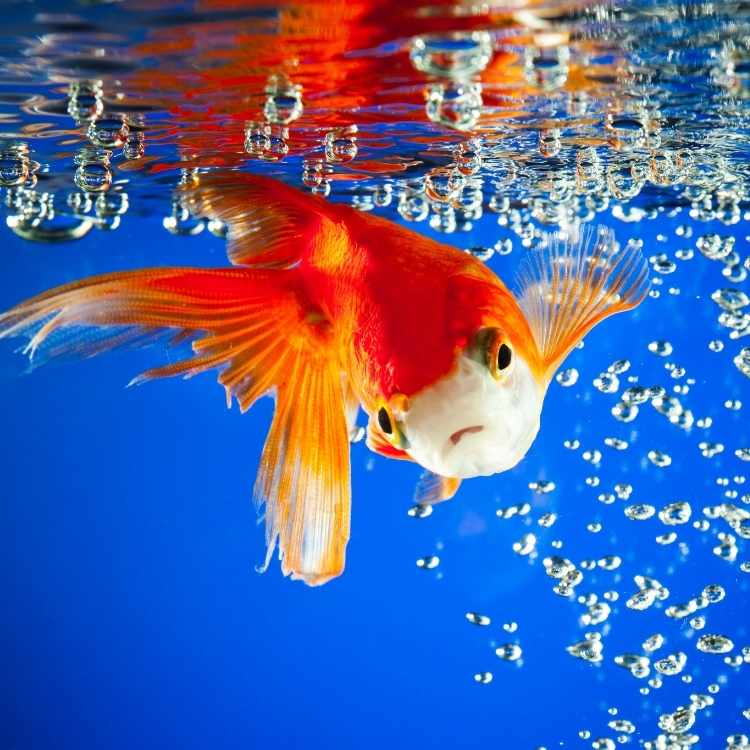
What strikes me about goldfish symbolism is how consistent it is across cultures that never had direct contact with each other: the emphasis on something beautiful, alive, and dependent on human attention. That consistency suggests the symbol is working from the animal itself, not from borrowed tradition.
What Does It Mean to Dream of a Goldfish?
Dream meanings for goldfish depend on the condition and behavior of the fish in the dream, not on a fixed code. Here are the most common scenarios and what the Han Chinese, Japanese, and Buddhist cultural layers suggest about them.
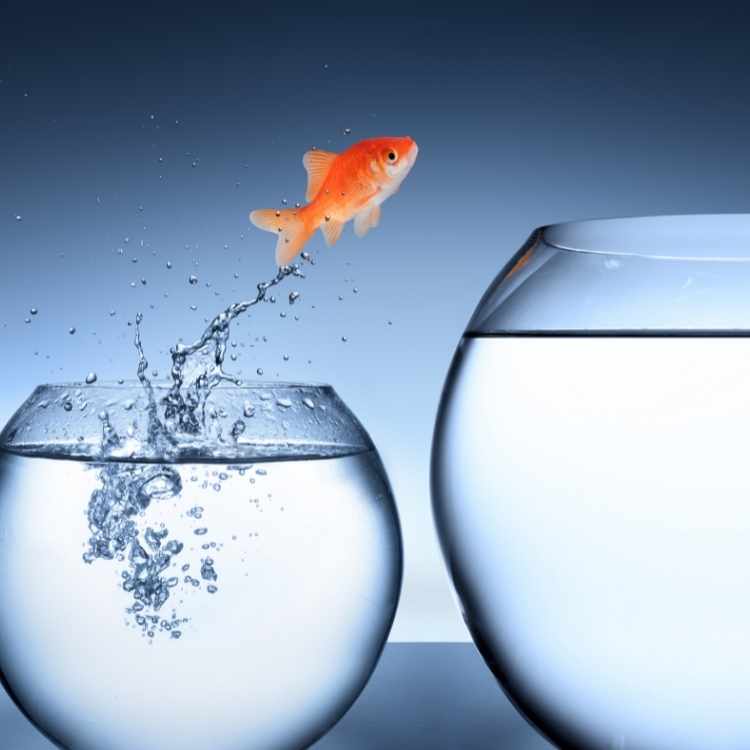
A thriving goldfish in clear water aligns most closely with the Chinese domestic auspicious tradition, cultivated abundance, household harmony, something you have tended well. A dying or dead goldfish more likely signals neglect of a long-term relationship or creative project; given the actual lifespan of goldfish, this is a symbol of something sustained going wrong, not of brief fortune ending. A goldfish escaping its bowl connects to the Buddhist fangsheng thread, freedom, release, the tension between protection and captivity. A cloudy or dirty bowl may reflect concern about an environment that has stopped being maintained. A pair of goldfish, in the Chinese decorative tradition, carries associations with partnership and marital harmony.
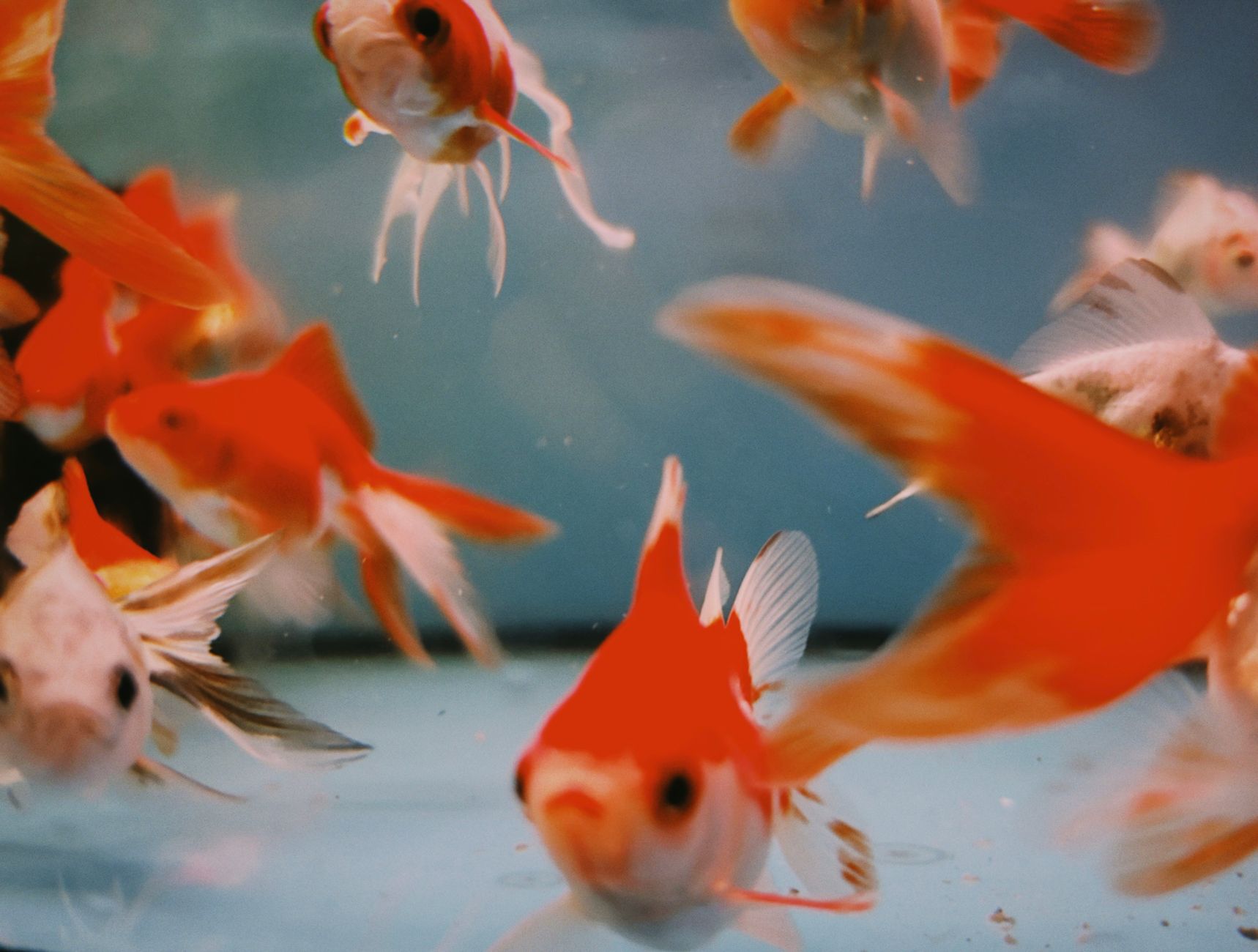
For a fuller treatment of goldfish dream scenarios, including emotional tone in the dream and what that changes, see the dedicated dream meaning article on this site.
What Do Goldfish Colors and Varieties Symbolize?
Color matters in goldfish symbolism, though the associations are not all equally old. Gold and orange connect most directly to the Chinese character jin (金), gold, wealth, yang energy. This is the historically grounded association. A bright orange or gold fish in Chinese decorative art is working the same symbolic register as the character for gold itself.
White goldfish are more complicated. White in Han Chinese folk tradition carries associations with both purity and mourning, depending on context. A white goldfish in a household decoration reads differently than a white fish in a dream during a period of loss. I’d read these as context-dependent, not fixed.

Black goldfish appear in some feng shui frameworks as protective, the black fish absorbs misfortune for the others in the tank. This is a modern feng shui interpretation rather than a historical classical one, and I don’t have strong sourcing for how old it is. Red-and-white varieties like the Sarasa comet carry both gold and wealth associations from the red, and purity associations from the white. But treating any of these as a fixed symbolic code overstates the historical record.
What Does Goldfish Symbolism Mean for Your Own Life?
The goldfish asks a few questions worth sitting with. What have you cultivated slowly, over years, that you sometimes forget to notice? What in your life is beautiful because of consistent care, and what happens if that care stops?
The goldfish is not a wild symbol of fortune arriving from outside. It’s a domestic one. It’s about what you keep.

If the image of a goldfish has stayed with you, in a dream, in an encounter, in an unexpected pull toward the symbol, the most honest thing I can offer is this: look at what you tend. The traditions that have thought longest about this animal all circle back to cultivation, enclosure, and ongoing responsibility. Not luck. Work.
And if the fish in your image was not thriving, if it was dying, or in cloudy water, or trying to leave, that may be the more important question. What have you been given responsibility for that is not being cared for?
Frequently Asked Questions
Are goldfish good luck in feng shui, and how many should I keep?
According to feng shui practice, goldfish kept in the right area of a home support the flow of positive energy. A common recommendation is nine fish total, eight gold and one black, with the black fish understood to absorb misfortune. But feng shui is not a single unified system, and practitioners disagree on specifics. The underlying principle, as recorded in Han Chinese domestic auspicious tradition, is that a thriving fish kept with care reflects and supports household abundance. The number matters less than the attention you give the fish.
What does a dying or dead goldfish symbolize spiritually?
A dying goldfish is not a simple bad omen. Given that goldfish can live 10 to 30 years in captivity, according to Encyclopaedia Britannica, a dying fish most often signals something sustained going wrong, neglect of a long-term relationship, project, or practice. In the Han Chinese domestic tradition, it represents the interruption of cultivated abundance. The honest reading is to ask what you have been given responsibility for that is not being tended. It’s not a prediction of death or misfortune for anyone else.
What is the difference between goldfish symbolism and general fish symbolism in Han Chinese folk religion?
General fish symbolism in Han Chinese folk religion draws on the wordplay between yü (鱼, fish) and yü (余, surplus or abundance), a pun that applies to fish broadly and appears in New Year decoration and imagery. Goldfish symbolism is more specific: it draws on the gold color (jin, 金) and on the animal’s status as a cultivated, domestic creature. The two overlap but are not identical. A carp jumping over a waterfall carries different associations than a goldfish in a bowl. The goldfish is about household abundance and care; the broader fish pun is about surplus and prosperity at a wider scale.
What does it mean when a goldfish jumps out of its bowl in a dream?
I find this one genuinely difficult to answer with confidence, the folk record on this specific scenario is thin, and the academic record is thinner. The most grounded reading I can offer draws on the Buddhist fangsheng tradition documented by Henry Shiu and Leah Stokes: a fish escaping its container is an image of release, freedom, and the tension between protection and captivity. Whether that reads as liberation or as something going wrong depends on the emotional tone of the dream. If the escape felt like relief, lean toward the release reading. If it felt like loss or danger, the dream may be about something you tend that is slipping away.
Is the goldfish one of the eight Buddhist auspicious symbols?
The golden fish (suvarnamatsya in Sanskrit) is one of the eight auspicious symbols in Tibetan and Chinese Buddhism, representing freedom from suffering and the ability to move through existence without drowning in it. But this symbol is typically depicted as two fish swimming together, not as the domestic ornamental goldfish specifically. The ornamental goldfish and the Buddhist golden fish emblem share a visual language but come from different contexts. Treating a pet goldfish or a dream goldfish as an automatic Buddhist sign collapses two distinct traditions.
What does a goldfish tattoo symbolize?
Goldfish tattoos draw most heavily on the Han Chinese auspicious tradition, prosperity, abundance, good household fortune, and on the aesthetic tradition of Japanese woodblock prints, where goldfish appear as images of summer beauty and refined domestic life. A goldfish tattoo in Western contexts often carries both layers without strictly adhering to either. Some people choose it for the Chinese wealth association; others for the Japanese aesthetic of something vivid and seasonal. The historical traditions give you raw material, not a fixed code. The symbolism you carry is yours to decide.
What does a goldfish symbolize as a gift in Han Chinese folk tradition?
In Han Chinese gift-giving tradition, goldfish are associated with abundance, prosperity, and marital harmony. A pair of goldfish given as a wedding gift draws on the decorative symbolism of two fish in a clear bowl, partnership, fertility, domestic happiness. Goldfish given for a home or business carry the wealth association of jin (gold) and the auspicious color orange. According to the associations documented in Kluth’s Frontiers in Ecology and Evolution review, the gift communicates a wish for the recipient’s household to thrive, a generous and specific meaning, not a vague good-luck gesture.
Do goldfish symbolize fertility or new beginnings?
In the Chinese decorative tradition, pairs of goldfish do carry associations with fertility and marital harmony, often appearing in wedding art and gifts. Britannica’s account of goldfish biology notes that spawning occurs in spring or summer, with eggs hatching in roughly one week, a seasonal reproductive pattern that likely contributed to associations with renewal and new life in domestic pond culture. Whether that extends to “new beginnings” in a broader personal sense is an interpretive step beyond the historical record. The fertility association is real; the “new chapter” reading is a modern addition.
What is the spiritual meaning of a goldfish appearing repeatedly in dreams?
A goldfish appearing in multiple dreams over time is worth taking seriously as a signal from your own attention, whatever you believe about dream sources. The recurring image usually points to something in the symbolic territory the fish occupies: cultivated abundance, something tended over time, a responsibility of care, or the tension between protection and freedom. I’d ask what in your life matches those themes, what you’ve been building slowly, or what you’ve been keeping without fully examining whether it’s still thriving. The repetition is the signal. The goldfish gives you the category.
How is goldfish symbolism different in Western versus East Asian traditions?
In East Asian traditions, goldfish carry specific, historically documented associations: cultivated household abundance and marital harmony in Han Chinese folk religion, seasonal beauty and urban leisure in Edo-period Japanese culture, and compassion in Buddhist release practice. In Western tradition, the goldfish is largely a cultural blank that absorbed the pop-psychology myth of three-second memory and an impression of pleasant triviality. There is no strong Western folk tradition of goldfish symbolism comparable to what developed in China and Japan over a thousand years of intentional breeding and cultural attention. If you are looking for a grounded symbolic tradition, the East Asian sources are where the depth is.
Sources
- Wang et al., “The evolutionary origin and domestication history of goldfish (Carassius auratus),” Proceedings of the National Academy of Sciences, 2020
- Henry Shiu and Leah Stokes, “Buddhist Animal Release Practices: Historic, Environmental, and Cultural Concerns,” 2008
- National Diet Library of Japan, “The Introduction and Boom of Kingyo (Goldfish),” 2024, updated 2026
- Encyclopaedia Britannica, “Goldfish,” 2025-2026 edition
- National Geographic, “Goldfish Aren’t the Ho-Hum Fish You Thought They Were,” 2019
- K. Kluth, “Rediscovering Goldfish,” Frontiers in Ecology and Evolution, 2020
- Wikipedia, “Fish in Chinese Mythology”
- Wikipedia, “Goldfish”
- www.shambhala.com
- www.buddhistelibrary.org