Quail vs Pheasant
Quails and pheasants are fascinating birds that are members of two unique bird families. A vast spectrum of personality characteristics distinguishes the two birds from one another. Despite the physical disparities that exist between them, they both possess outstanding flying abilities. Due to the popularity of these two birds, it is critical to distinguish all the possible differences and similarities between them, along with some interesting facts.
Differences between Quail and Pheasant
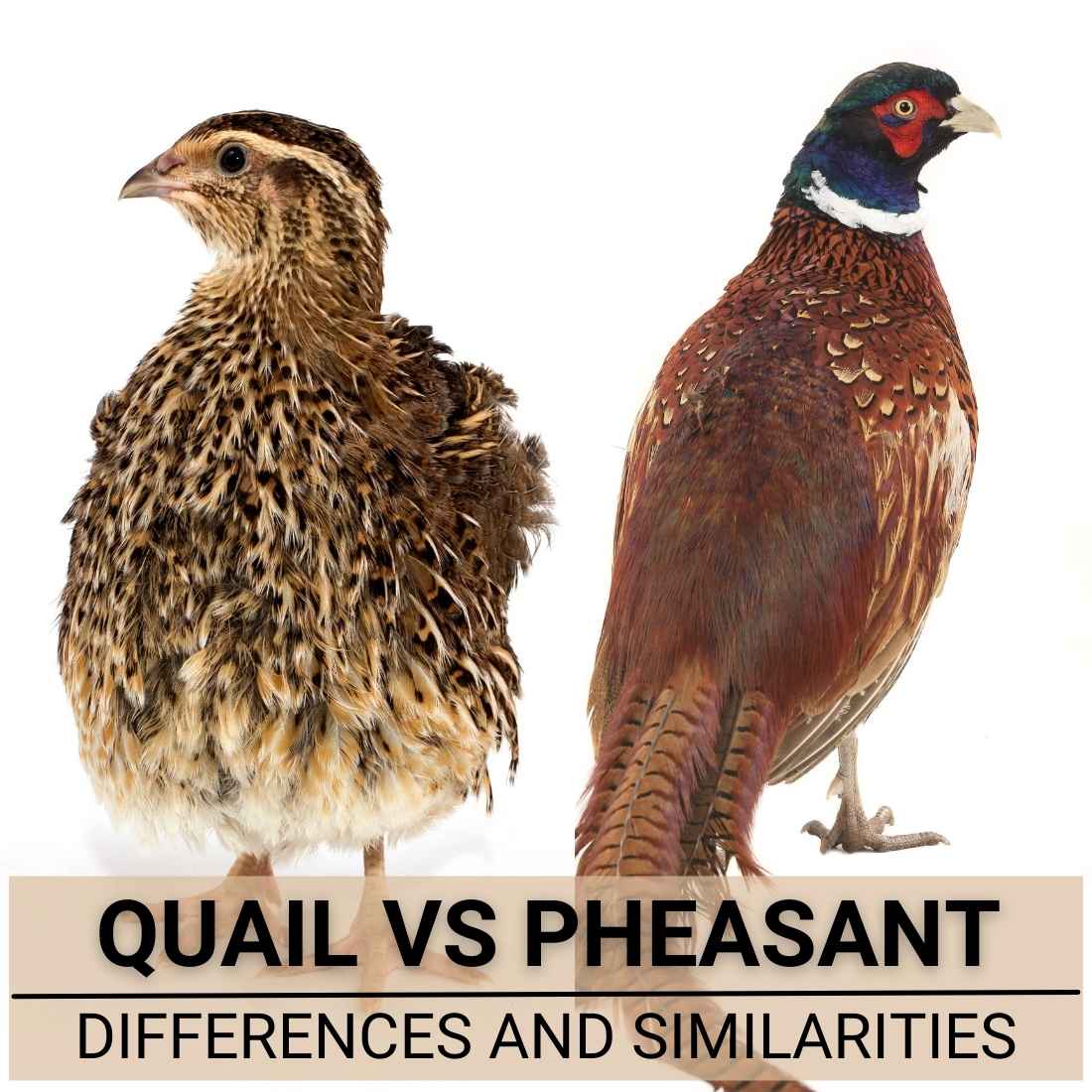
Generally, “quail” refers to two families of birds, the New World (Odontophoridae) and the Old World (Phasianidae). There are almost 29 different quail species, and some of them make excellent pets. On the other hand, the name “pheasant” is also a general term since it refers to 49 species – and numerous subspecies – of birds belonging to the amazing family Phasianidae.
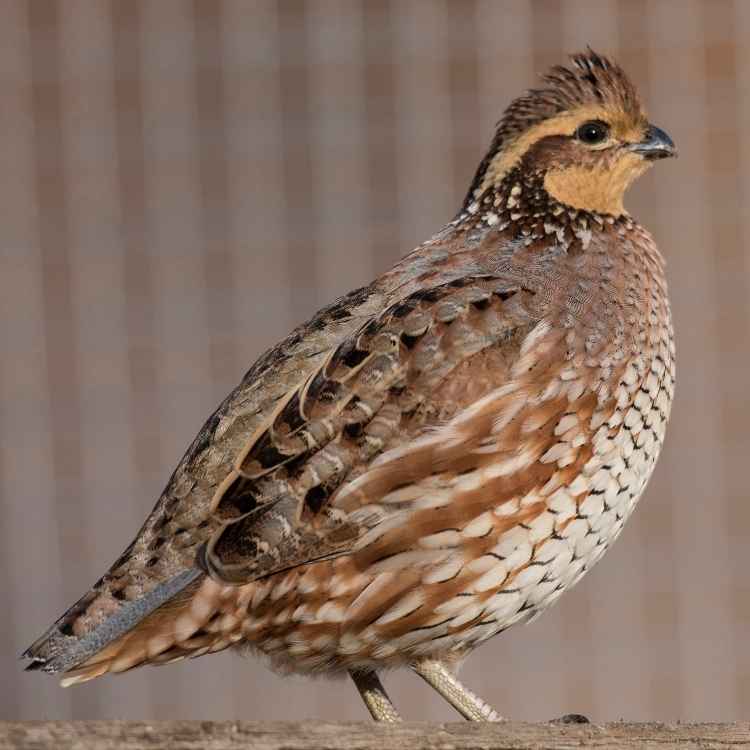
Quails, which are often considered game birds, are distinguished by their round, bulky bodies and small height. Quails length is between 8 and 10 inches, depending on the species. The weight of the most regularly seen wild quail species ranges from 5 to 8 ounces. On the other hand, Pheasants weigh an average of 20 pounds and have a body length ranging between 24 and 34 inches.
Quails farming is very trendy and popular, while pheasant farming is not widely practiced in the World yet. Male pheasants are often bigger than female pheasants, and they may also have spurs, whereas female quails are typically larger than their male counterparts.
A quail’s primary food sources are leaves and seeds; however, they will occasionally eat arthropods. A change in their diet occurs throughout the year, during which they will consume berries and root or tuber foods, among other things. At the same time, the food of all Pheasant species changes depending on the season and location. They eat a wide variety of grains, fresh or stored seeds, roots and insects, earthworms, berries, spiders, snails, etc. In the winter, they may eat more seeds, and in the summer, they may eat more insects.
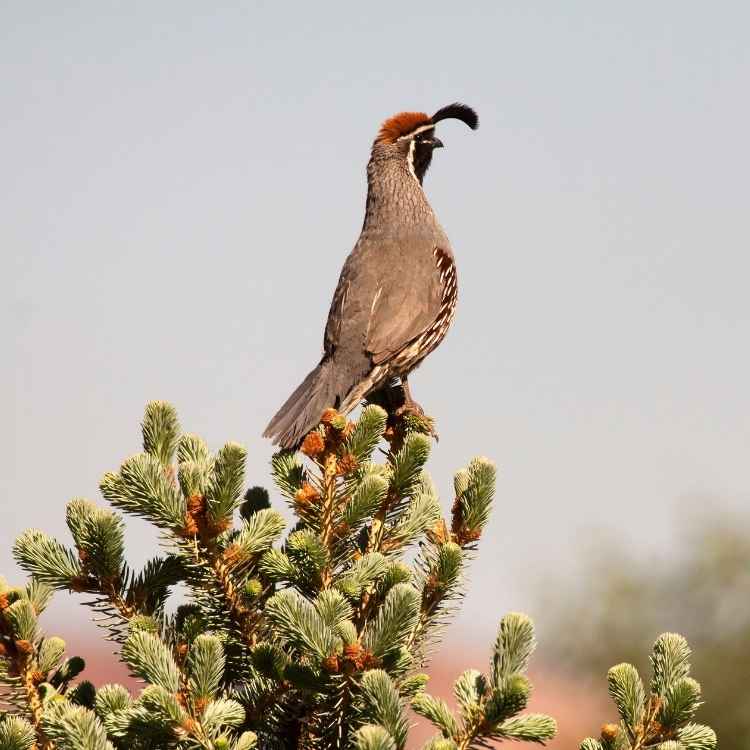
Quails may be found in various habitats, including rangelands, forests, foothills, and even residential areas. It is distributed across North Africa and Europe, and Asia. Both New World and Old World quails habitats range from deserts to rainforests, and they can be found in a variety of climates. Currently, both types of quails have been successfully introduced to almost every continent on the planet.
Pheasants may be found in a wide variety of habitats, ranging from grasslands to idle fields, wetlands, croplands, shrublands, and haylands. The common pheasant, which is the most widely distributed species, is native to Asia but has been successfully introduced onto every continent.
The following table lists some of the other notable distinctions between quails and pheasants:
| Quails | Pheasant |
|---|---|
| Smaller and shorter than Pheasants | Bigger and lengthier than quails. |
| Males are shorter than females | Females are shorter than males |
| Species are divided into new-world quails and old-world quails. | Species are not further divided. |
| Shorter beak/bill than Pheasants | Longer beaks/bills than quails |
| Normally kept as a pet and its farming is trendy nowadays | Not good as a pet. No farming. |
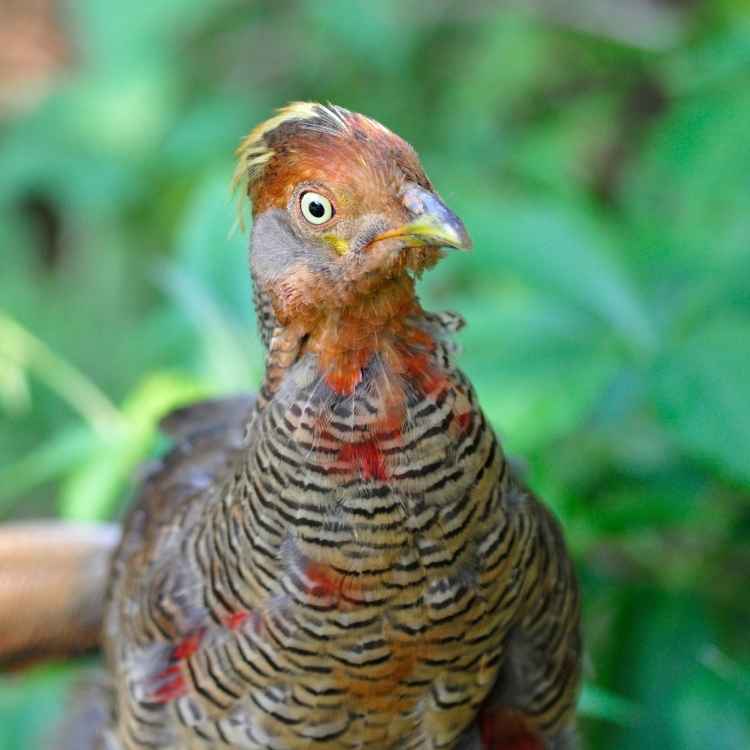
| Most common quail species include: King quail (Old World), Japanese quail (Old World), Mountain quail (New World), California quail (New World) | The pheasant species include: Ring-necked pheasant, Silver pheasant, Golden pheasant, common pheasant |
Similarities between Quails and Pheasants
More than any other bird, Quails, and pheasants require a higher proportion of protein in their diet. You may give them a variety of foods such as soybeans, rice, rye, oats, etc.
In order to supplement the diets of wild or domestic quails or pheasants, it is necessary to cultivate a reliable supply of corn to ensure a constant supply. Both quails and pheasants can change their diet according to availability, and they are both very vocal. Another similarity is that they both are beautiful and fascinating birds.
Interesting facts about Quails
Quail species are distinguished by their unusual coloration and plumage, which may be found in various colors. Gambel’s quails have blue-grey plumage with a black and white head, distinguishing them from other quail species. The California quail has a whitish-brown belly and a teardrop plume on its small head.
Similarly, the mountain quail’s belly, throat, and chin are a richer shade of blue than the rest of the bird. They are distinguished by the absence of plumes on their bodies, which are brownish-white in color, and the remarkable black and white face on which they are characterized.
Other noteworthy facts to keep in mind include the following:
- Different breeds of quails eat a different types of foods.
- Certain quail species may not require access to fresh water at all times.
- Quails are only capable of flying a short distance.
- Read here about the quail symbolism.
Here you can check all Quail sounds
Interesting facts about Pheasants
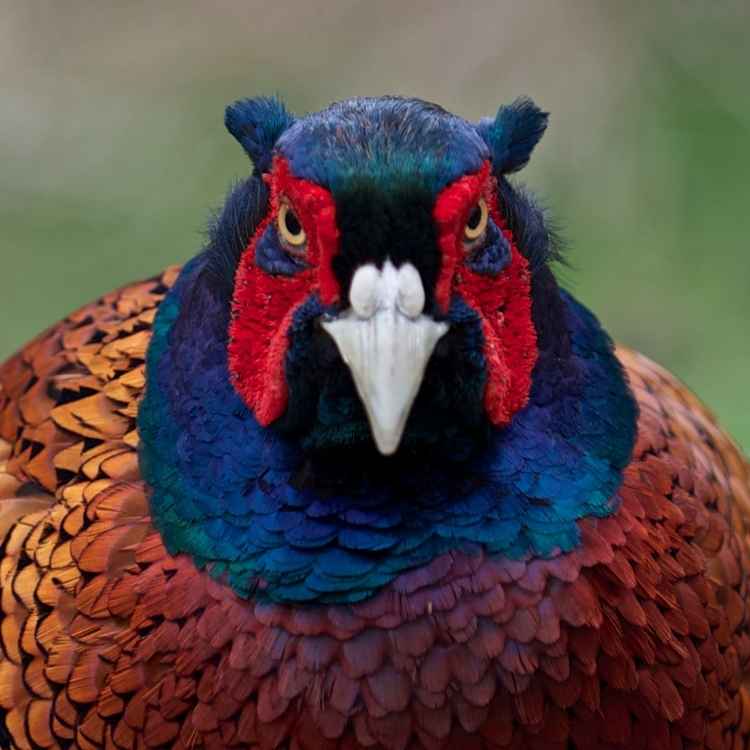
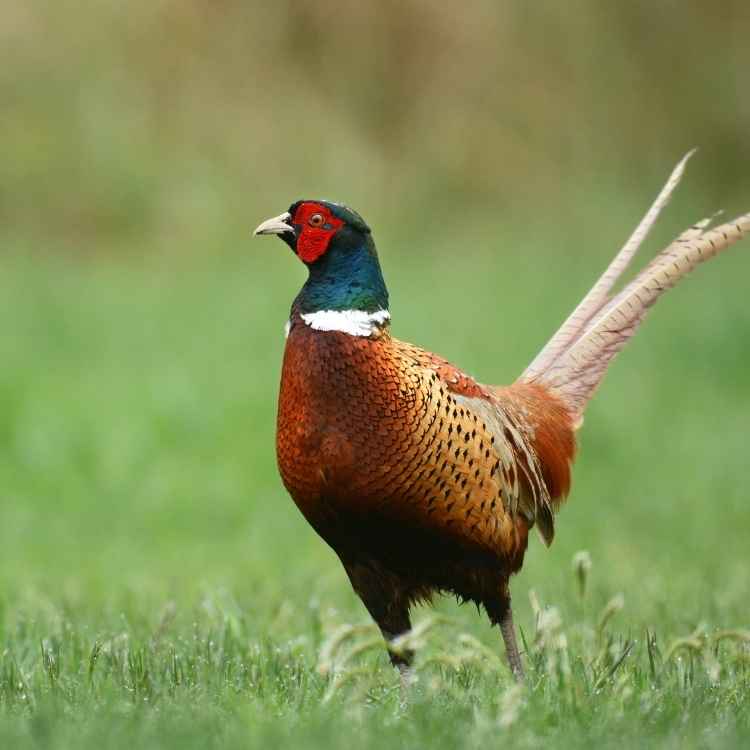
Male and female pheasants have significantly distinct looks, in contrast to the appearances of other species of birds. In contrast to females, males are frequently vividly colored with feathers in shades of green, gold, brown, white, and purple, while females are normally entirely brown. The tails of males are also longer than those of females, and they frequently have a redhead with a tiny crest.
While many birds migrate throughout the winter, pheasants remain in their home ground. They will spend most of the winter season in their roosts, where they will be protected from the cold weather. They are also capable of going for extended periods of time without feeding, which makes it simple for them to stay cooped up.
Other interesting facts are as follows:
- Pheasants have excellent eyesight and hearing.
- Common pheasants are polygynous, with a single male holding a harem of multiple females.
- In the United States, common pheasants are commonly referred to as “ring-necked pheasants.”
- Read here about the pheasant symbolism.
Here you can check all Pheasant sounds
Final verdict: Quail vs Pheasant
So in the competition of both quail and pheasant, we can say that quail are small birds that can be kept as pets (see also our post about the dead pheasant’e meaning). On the other hand, Pheasants are a little mischievous and cannot be tamed regularly. Furthermore, there is a significant variation in the look of male and female pheasants.
Frequently Asked Questions
What is the main difference in size between quails and pheasants?
Quails are significantly smaller, measuring 8-10 inches and weighing 5-8 ounces, while pheasants are much larger at 24-34 inches in length and average 20 pounds. This makes pheasants roughly three times bigger than quails overall.
How many species of quails and pheasants exist?
There are approximately 29 quail species divided into New World (Odontophoridae) and Old World (Phasianidae) families, while pheasants comprise about 49 species with numerous subspecies, all within the Phasianidae family.
Can quails and pheasants be kept as pets?
Quails are popular as pets and their farming is trendy worldwide. Pheasants, however, are not suitable as pets and farming them isn’t widely practiced globally due to their mischievous nature and difficulty taming them.
What are the sexual dimorphism differences between quails and pheasants?
In quails, females are typically larger than males. Conversely, male pheasants are bigger than females and possess spurs. Male pheasants also display vibrant plumage while females remain entirely brown with shorter tails.
What do quails and pheasants eat?
Both birds require high protein diets and eat seeds, grains, roots, berries, and insects. Quails prefer leaves and seeds, while pheasants consume grains, earthworms, snails, and spiders. Their diet shifts seasonally based on food availability.
Where are quails and pheasants found geographically?
Quails inhabit diverse habitats across North Africa, Europe, Asia, and now nearly every continent, ranging from deserts to rainforests. Pheasants thrive in grasslands, wetlands, and croplands, with the common pheasant native to Asia but now globally distributed.
Both require high-protein diets, adapt their feeding to seasonal availability, enjoy corn supplementation, are highly vocal birds, and can successfully survive in diverse climates. They’re also both considered beautiful and fascinating species.
How do quail and pheasant flight capabilities compare?
Both birds possess outstanding flying abilities despite physical differences. However, quails can only fly short distances, making their flight more limited compared to pheasants, which can cover greater distances during migration.
What are unique physical characteristics of male and female pheasants?
Males display vibrant plumage in green, gold, brown, white, and purple with red heads, small crests, and longer tails, while females are entirely brown with shorter tails. This sexual dimorphism is significantly more pronounced in pheasants than most bird species.
Do pheasants migrate during winter or stay year-round?
Pheasants don’t migrate; they remain in their home territories year-round. During winter, they spend most time in protected roosts and can survive extended periods without feeding, allowing them to endure harsh weather conditions.