Have you ever marveled at the architectural prowess of birds building mud nests? From the curious oven-like homes of the Rufous Hornero to the colossal dome-shaped nests of the Hamerkop, these avian engineers construct their abodes with incredible precision and skill.
Join us as we explore the fascinating world of mud-nesting birds, uncovering the unique techniques they employ, the benefits of their sturdy homes, and the essential role they play in our ecosystems.
Get ready to discover the intriguing lives of these master builders!
Key takeaways
- Mud nests are nests made out of mud, branches, and other objects a bird can find. They are sturdy and can house many birds, depending on their size. There are often instances of other animals using these nests to protect themselves.
- Some birds build multiple kinds of nests, depending on their surroundings. If they aren’t exclusively mud nest builders, they may also build other nests, such as the simple bird nest most commonly found.
- Because certain birds depend on their habitat to provide the resources they need to build mud nests; some birds have trouble maintaining their population due to habitat loss and destruction.
| Bird Name | Country | Habitat | Eating Habits | Interesting Features |
|---|---|---|---|---|
| Rufous Hornero | South America | Woodlands, savannas | Insects, spiders | Builds large, oven-like mud nests |
| Spotted Morning Thrush | Central & South America | Forests | Insects, fruits | Named for the black spots on its white throat |
| White-winged Chough | Australia, Indonesia, New Guinea | Forests, woodlands | Omnivorous, insects, seeds, fruits | Red eyes and white wing patches |
| Red-rumped Swallow | Africa, Asia, southern Europe | Open country | Insects caught in flight | Rufous rump and tail |
| Apostlebird | Australia | Dry open woodlands, mallee scrub, spinifex grasslands | Omnivorous, insects, seeds, fruits | Social bird, often found in groups called ‘apostles’ |
| Purple Martin | North America | Open woodlands, near water | Insects caught in flight | Males have iridescent purple-blue plumage |
| Cave Swallow | North, Central, South America | Caves, cliffs | Insects caught in flight | Blue-gray above with a rusty throat |
| Eastern Phoebe | North America | Woodlands, near water | Insects, caught in mid-air or on the ground | Dark gray plumage and white underparts |
| Cliff Swallow | Americas | Cliffs, buildings | Insects caught in flight | Builds gourd-shaped mud nests in colonies |
| Barn Swallow | Worldwide | Open country, near water | Insects caught in flight | Long, deeply forked tail |
| Black Phoebe | Americas | Near water | Insects, caught in mid-air or on the ground | Grey-black upper parts, white underparts |
| Black-billed Magpie | North America | Open country, near water | Omnivorous, insects, fruits, seeds, carrion | Long tail and bold black and white plumage |
| American Flamingo | Americas | Wetlands, estuaries, lagoons | Filter feeder, brine shrimp, algae, small fish | Bright pink plumage, long neck, and legs |
| House Martin | Eurasia | Near human habitation | Insects caught in flight | Black back and white underparts |
| Hamerkop | Africa, Asia | Near water | Fish, amphibians, insects | Hammer-shaped head, builds large dome-shaped nests |
| Black-browed Albatross (Bonus Bird) | Antarctic, subantarctic, sub-tropical waters | Open ocean | Fish, squid, crustaceans | Long wingspan, nests on mud and guano mounds |
Why are birds building mud nests?
Mud nests offer several benefits that make them an appealing choice for certain bird species. One key advantage is their durability. Mud, when combined with plant materials and dried, forms a strong, long-lasting structure that can withstand various weather conditions. This stability ensures the nest remains intact throughout the breeding season, providing a safe environment for eggs and chicks.
Another benefit of mud nests is their insulation properties. The thick mud walls act as a natural temperature regulator, keeping the nest warm in colder climates and cool in warmer areas. This helps maintain a comfortable environment for the developing chicks.
Lastly, mud nests provide protection from predators. Their solid construction and strategic placement on vertical surfaces or in sheltered locations make it difficult for predators to access the nest. Additionally, some species construct their mud nests in colonies, creating a communal defense system against potential threats.
Altogether, these factors contribute to the appeal of mud nests for many bird species, ensuring the safety and well-being of their offspring.
Top 15 birds building mud nests
Rufous Hornero
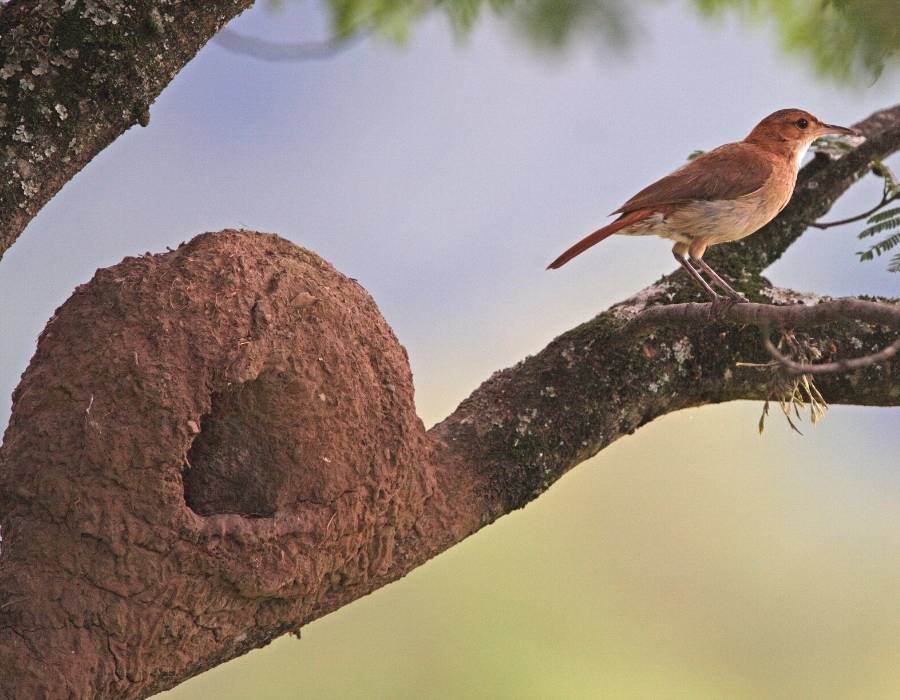
Rufous Hornero is a South American bird species in the ovenbird family. The plumage is overall reddish-brown, with darker wings and tail. The bill is black and slightly down-curved.
This species builds an extensive mud nest, which it places on trees, rocks, buildings, or any other suitable structure. Both sexes help construct the nest, which takes around two weeks to build.
Nest-building process
The Rufous Hornero collects mud and plant material, such as grass and twigs. The pair works together to mold and shape the materials into a large, dome-like structure with a small entrance hole. The inside of the nest is lined with softer materials, like grass, for added insulation and comfort.
Spotted Morning Thrush
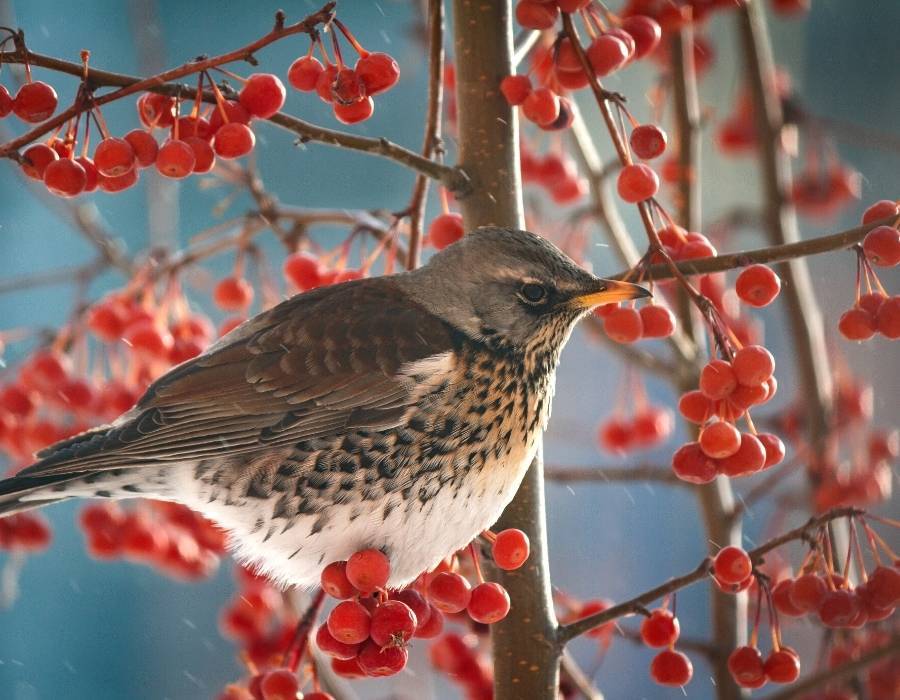
The Spotted Morning Thrush is a small songbird found in Central and South American forests. The bird gets its name from the two black spots on its white throat.
The Spotted Morning Thrush builds its nest out of mud and twigs, which it collects from the forest floor. The bird uses its beak to shape the mud into a cup-like structure.
Nest-building process
The Spotted Morning Thrush gathers mud and twigs from the forest floor. It uses its beak to mix and shape the materials into a small, cup-shaped nest. The bird may also incorporate leaves, grass, or other vegetation to strengthen and insulate the nest.
White-winged Chough
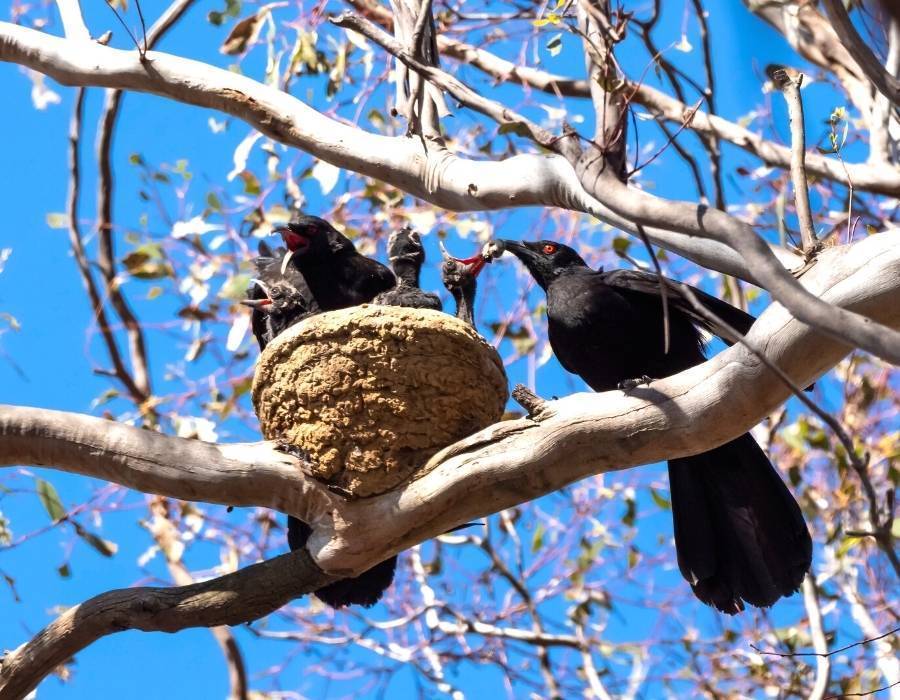
The white-winged chough is native to Australia, Indonesia, and New Guinea. This bird has black plumage, a glossy sheen, red eyes, and white wing patches.
It builds its nests out of mud pellets held together with saliva. The female lays 3-5 eggs incubated for 18-21 days. The chicks fledge after about 42 days but remain dependent on their parents for several months.
Nest-building process
White-winged Choughs collect mud pellets and mix them with their saliva to form a sturdy construction material. They also gather sticks and twigs to create a framework for the nest. The birds then work together to build a bowl-shaped nest, attaching it to a tree branch or other suitable structure.
Red-rumped swallow
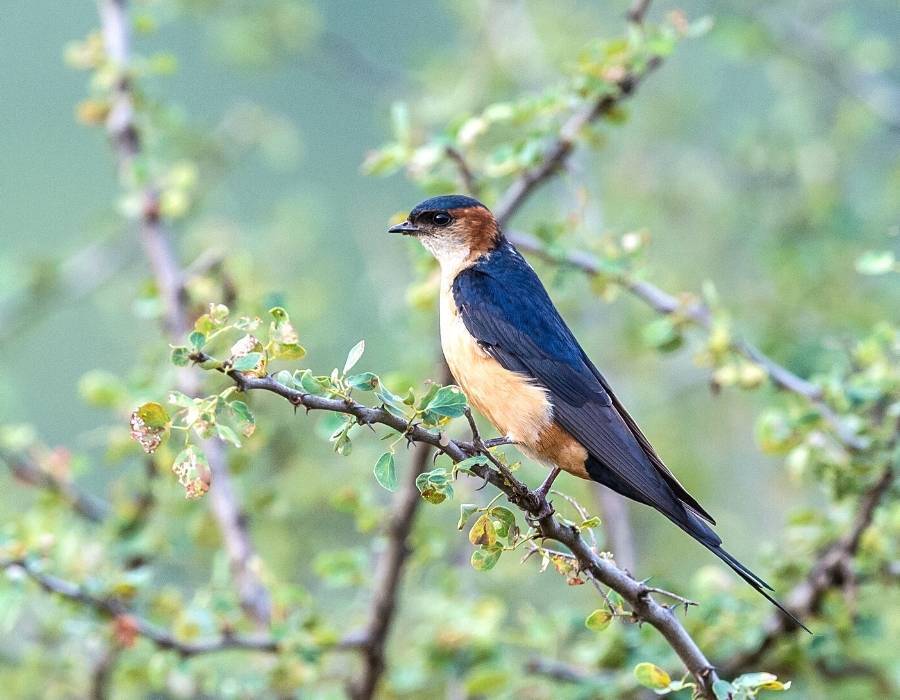
The red-rumped swallow is a small passerine bird in the swallow family. It breeds in Africa, Asia, and southern Europe.
The adult has dark blue upperparts with a rufous rump and tail. The underparts are white with a reddish breast. The bill, legs, and feet are black.
The red-rumped swallow builds its mud nest on any vertical surface, such as a cliff face, tree trunk, or man-made structure like a building.
Nest-building process
The Red-rumped Swallow uses its beak to collect mud and mixes it with plant material, such as grass or twigs. The bird then shapes the mixture into a cup-shaped nest with a tubular entrance. The nest is often attached to a vertical surface, like a cliff face or building.
Check out this video for more information on how swallows adapted to make mud nests!
Apostlebird
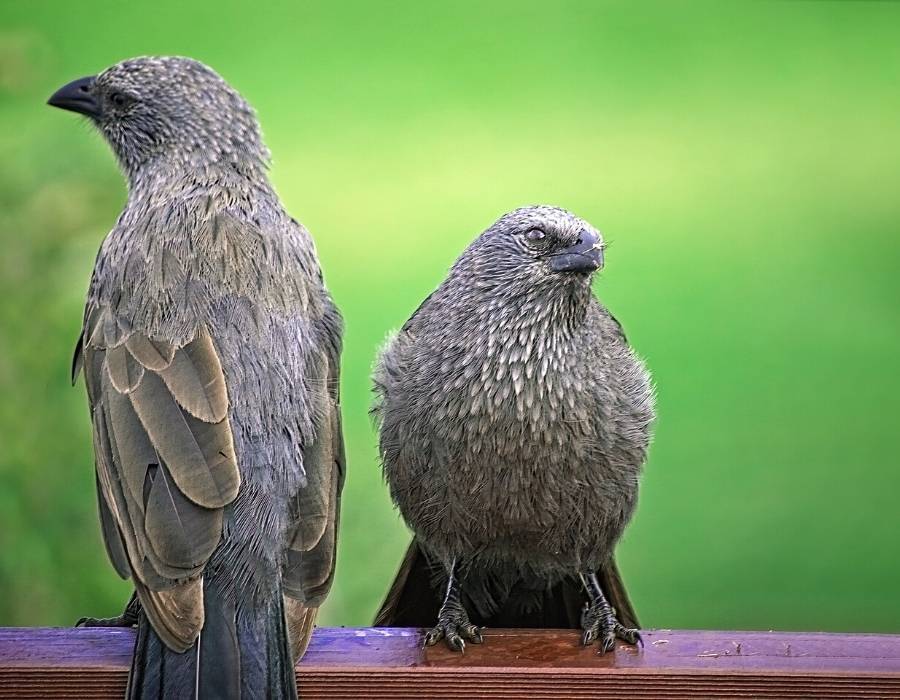
The apostlebird is a small, stocky bird found in Australia. Apostlebirds are generally found in dry open woodlands but will also inhabit mallee scrub and spinifex grasslands.
Apostle birds build mud nests. The mud is collected from the ground and mixed with water to form a sticky paste. This paste is then used to construct a small, cup-shaped nest.
Nest-building process
Apostlebirds collect mud from the ground and mix it with water to create a sticky paste. They then use their beaks to shape the paste into a small, cup-shaped nest, often incorporating twigs and grass to reinforce the structure.
Purple Martin
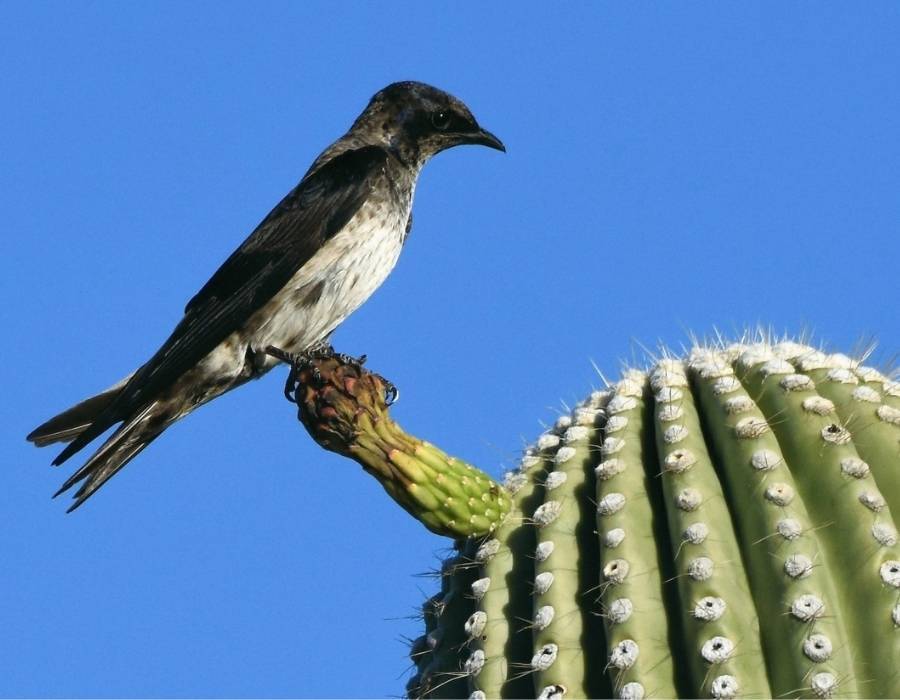
These birds are unique in their nesting habits, as they will only nest in mud nests. The process starts with the male collecting mud from nearby bodies of water.
Once they have enough mud, they will start constructing the nest by shaping it with their beak and body. As the male builds the nest, the female will help by adding saliva and feathers. Once the nest is complete, the pair will mate and lay eggs inside.
Nest-building process
The male Purple Martin gathers mud from nearby water sources and transports it to the nest site. The pair then shapes the mud using their beaks and bodies, adding saliva and feathers for added stability and insulation. The nest is usually a gourd or cavity shape.
Cave Swallow
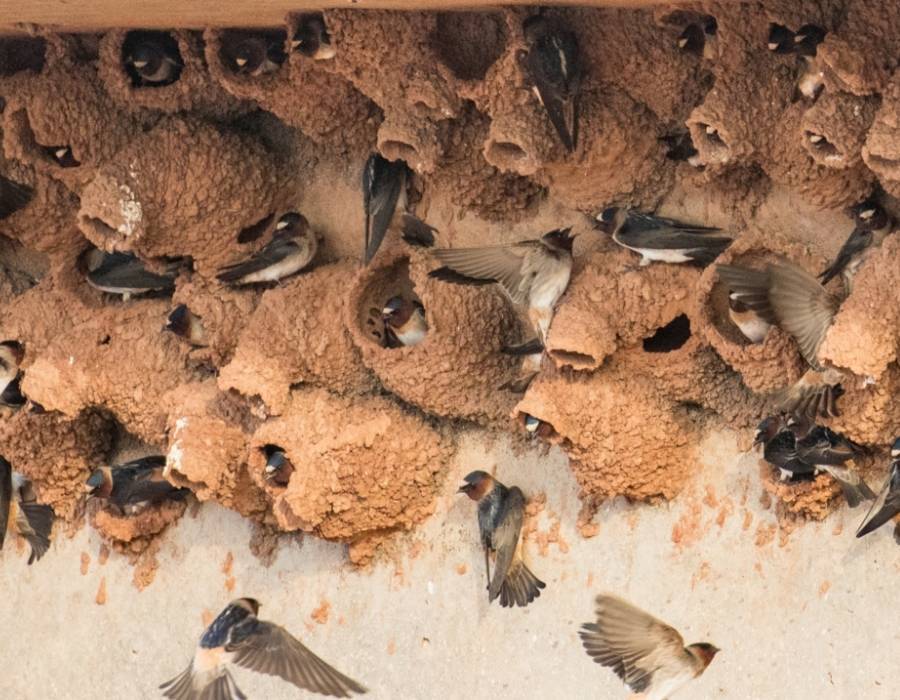
Cave Swallow is a small songbird that lives in caves, crevices, and cliffs in North, Central, and South America. The bird is blue-gray above with a paler underbelly and rusty throat.
The female builds a mud nest on a ledge inside a cave or other sheltered site. She lays 2-6 eggs which hatch in about two weeks.
Nest-building process
The female Cave Swallow builds a mud nest on a ledge inside a cave or other sheltered site. She collects mud in her beak and shapes it into a cup-like structure, reinforcing it with twigs and grass. The nest is typically lined with softer materials for added comfort.
Eastern Phoebe
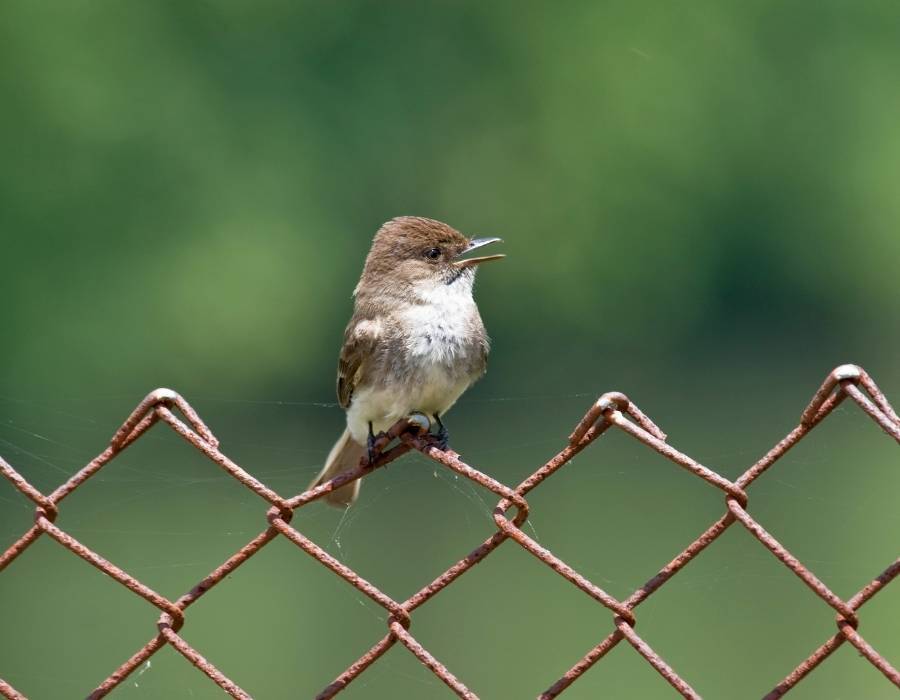
Eastern Phoebes typically eat insects, such as flies and beetles. They capture their prey in mid-air or by picking it off the ground. These birds often hunt near water, where insects are abundant.
These birds are easily recognizable by their dark gray plumage and white underparts. They are also known for their mud nests, which they build on ledges and other structures.
Nest-building process
Eastern Phoebes construct their nests by gathering mud and combining it with plant material, such as grass, moss, or twigs. The bird shapes the materials into a cup-like structure and attaches it to a ledge or other suitable structure, often near water sources.
Cliff Swallow
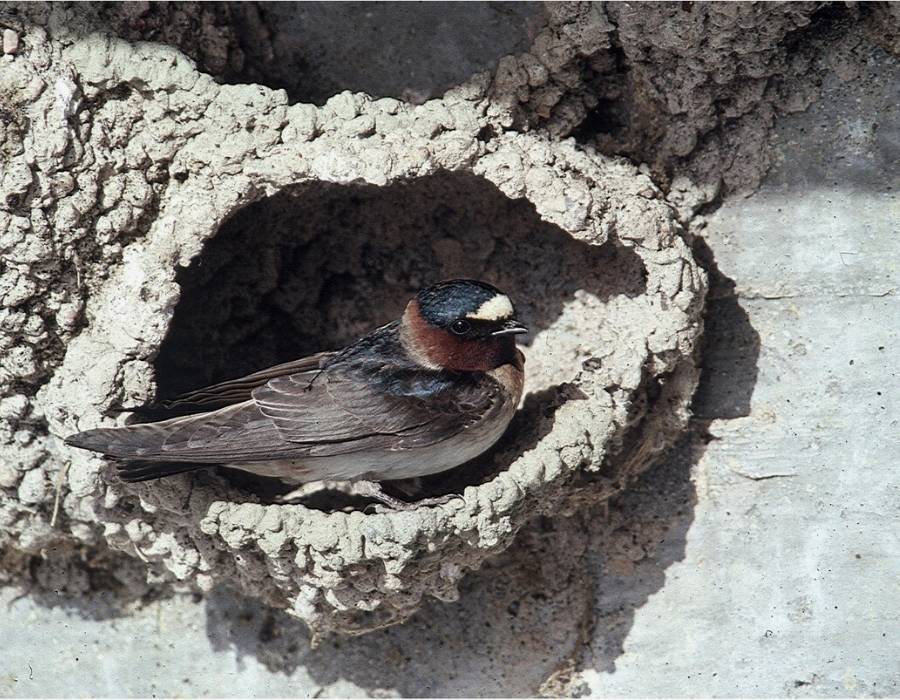
Cliff swallows are another species of bird that make their nests out of mud. These birds typically build their nests in a variety of locations.
Cliff swallow populations have recently declined due to habitat loss and degradation. Nesting sites are often disturbed by human activity, and food availability has decreased as agricultural land is converted to other uses.
Nest-building process
Cliff Swallows collect mud pellets and mix them with plant materials and saliva to create a sturdy, adhesive mixture. They shape the mixture into a gourd-shaped nest, complete with a small entrance hole. The nest is typically attached to a vertical surface, like a cliff or building.
Barn Swallow
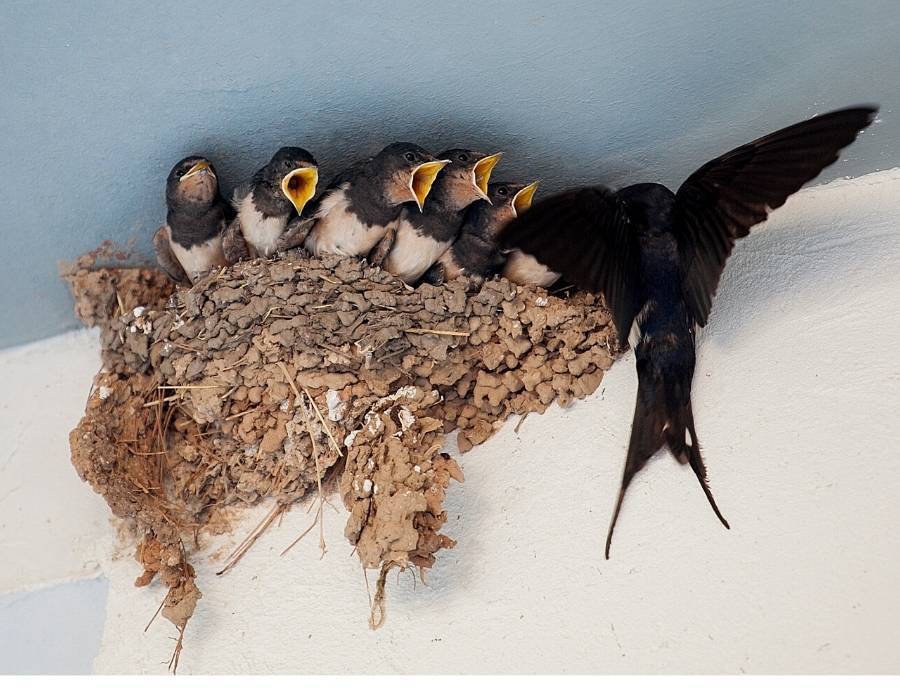
The barn swallow is sexually dimorphic, meaning the male and female look different. The barn swallows nests in colonies of mud nests which it builds on buildings or cliffs.
It lays 3-7 white eggs per nest, which hatch after 13-19 days. Both parents help to feed the young birds until they are old enough to fly and hunt on their own.
Nest-building process
Barn Swallows gather mud and mix it with grass, twigs, and feathers. They use their beaks and bodies to shape the mixture into a cup-shaped nest, which they attach to a building, cliff, or other suitable structure. The nest is often reinforced with saliva for added stability.
Black Phoebe
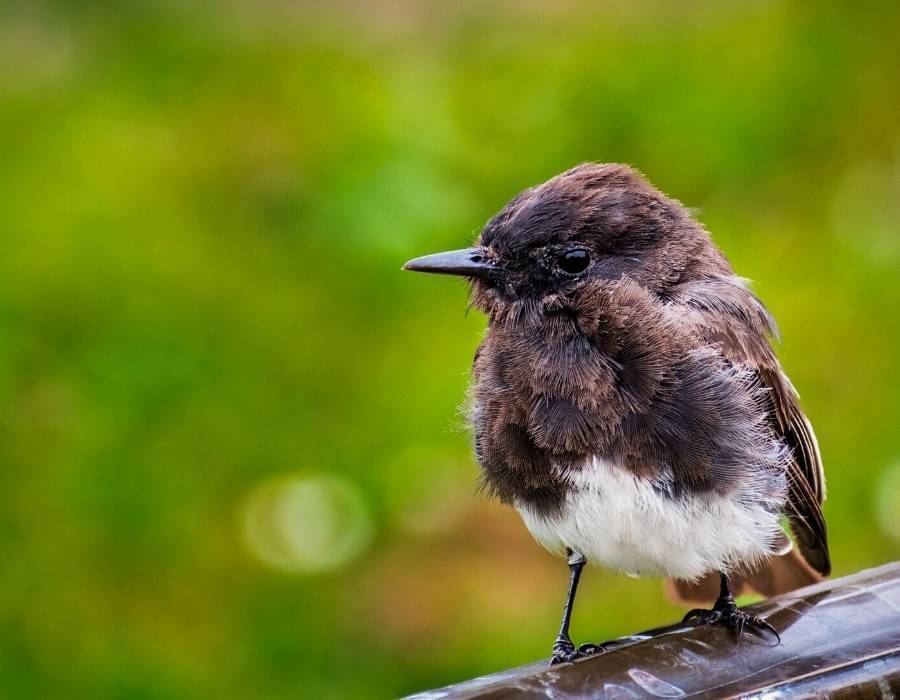
The adult Black Phoebe is grey-black on the upper parts, with a paler grey throat and breast and a black belly. The wings are dark with two white bars.
Sexes look similar; juveniles are sooty-brown above, with whitish underparts heavily streaked with brown. This bird builds mud nests in mud banks near water, often close to human habitation.
Nest-building process
Black Phoebes collect mud and mix it with plant material to create a sturdy construction material. They shape the material into a cup-like nest, which they attach to a vertical surface near water. The nest is often lined with grass or other soft materials for added insulation.
Black-billed Magpie
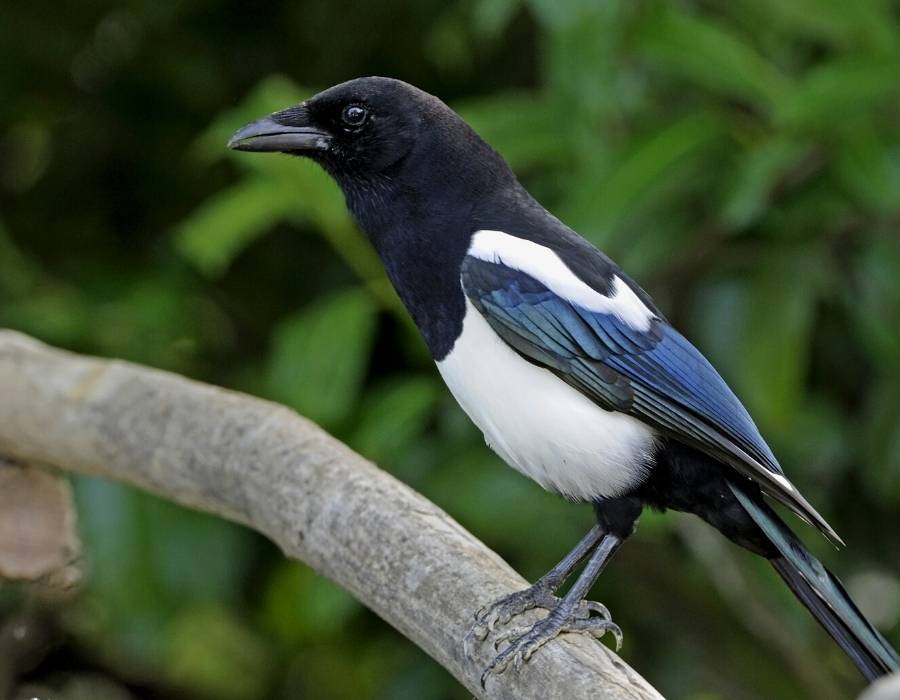
Watching the black-billed magpie use its beak and feet to create a structure that will house it and its young is amazing.
The nests can be found in many locations, showing the species’ adaptability. The Black-eyed Magpie has become a popular bird in many parts of the world due to its unique nesting habits.
Nest-building process
Black-billed Magpies collect mud, sticks, and other materials to create their nests. They use their beaks and feet to weave the sticks together, creating a dome-shaped structure with a side entrance. The nest is then lined with mud and sometimes grass, providing insulation and stability.
American Flamingo
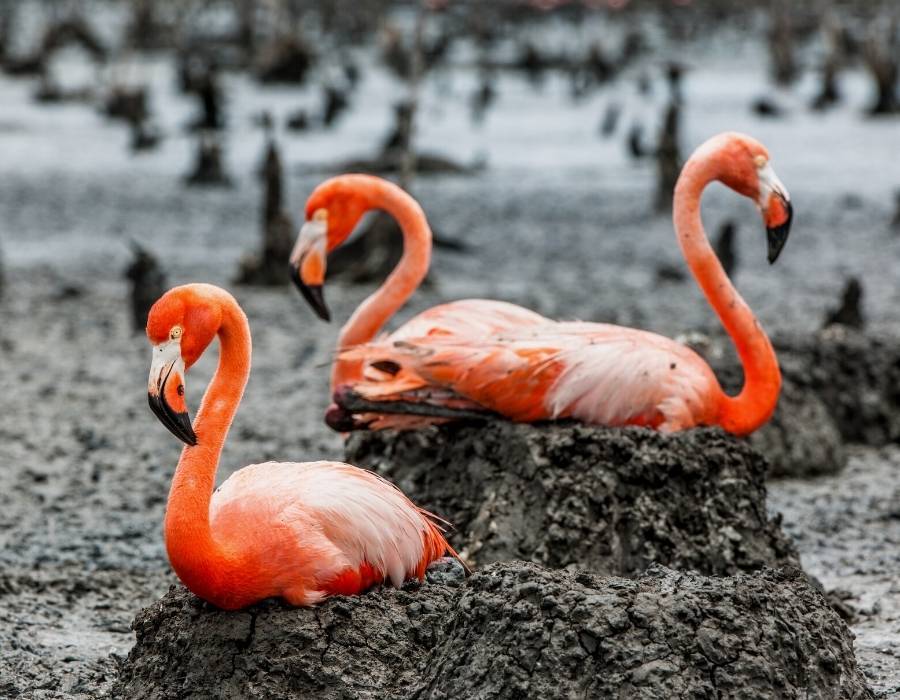
The American flamingo is a large species of flamingo found in the Americas. The range of the American flamingo extends from the west coast of Florida to the east coast of Brazil.
American flamingos are gregarious birds that live in colonies of up to several thousand individuals. They construct mud nests on the ground. Both sexes help to build the nest, which takes about two weeks to complete.
Nest-building process
American Flamingos build mud nests on the ground in shallow water. They use their beaks to collect mud and shape it into a volcano-like mound with a depression on top. The nest is built up in layers, with each layer drying before the next one is added. This provides stability and helps protect the eggs from flooding.
House Martin
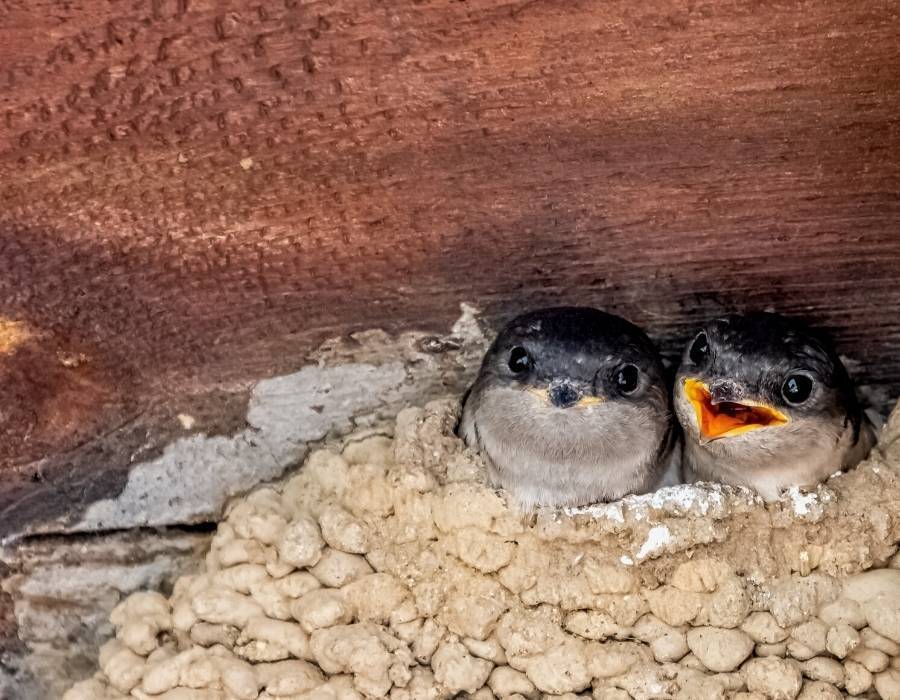
The house martin is strongly associated with human habitation and often nests on buildings. It is a fairly small bird, with a black back and white underparts.
The house martin builds its nest from mud pellets the bird collects in its beak while flying. The pellets are deposited on a suitable site before the female is ready to lay her eggs.
Nest-building process
House Martins collect mud pellets in their beaks while flying. They then deposit the pellets on a suitable site, such as the eaves of a building, and shape them into a cup-shaped nest. The nest is reinforced with plant materials, like grass and twigs, and lined with feathers for added insulation and comfort.
Hamerkops
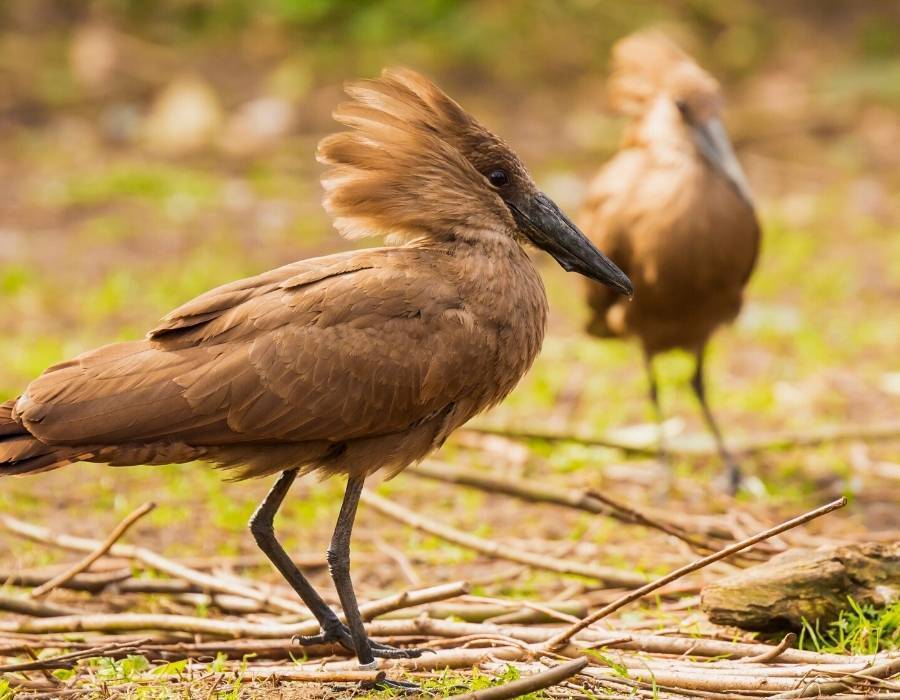
Hamerkops are native to Africa and Asia and typically live near water. Hamerkops use their beaks to create little mud balls, which they then use to construct their nests.
These nests can be quite large and sometimes even house other animals! If you’re lucky enough to see one of these birds in the wild, they’ll surely be impressed by their impressive nest-building skills.
Nest-building process
Hamerkops use their beaks to create small mud balls, which they then use to construct their nests. They build large, dome-shaped nests on trees, rock ledges, or other structures. The nests are reinforced with sticks and lined with grass, leaves, or other soft materials, providing insulation and protection for the eggs and chicks.
Bonus Bird that builds its nest out of mud: Black-browed Albatross
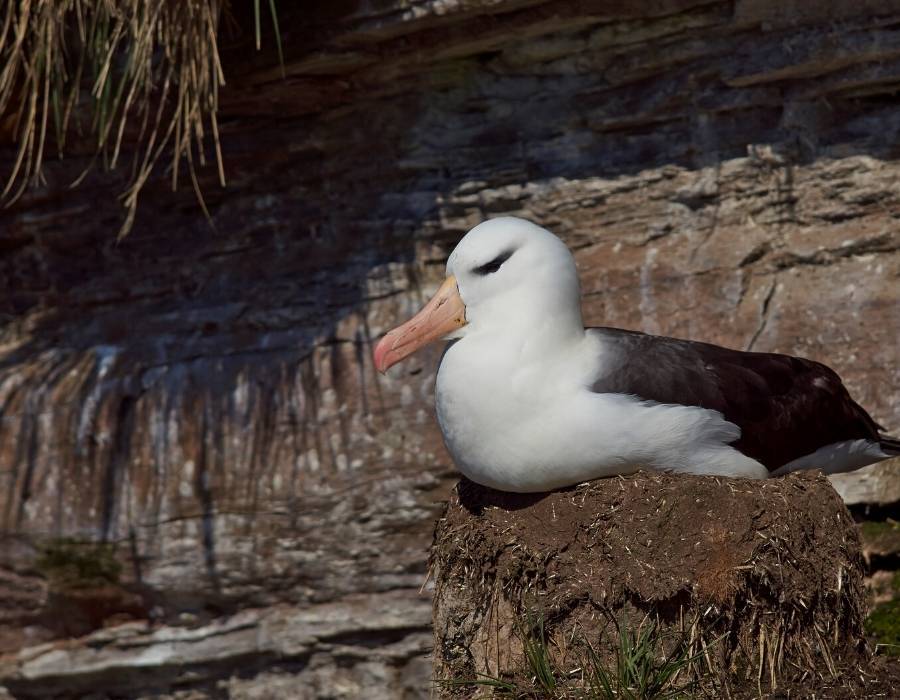
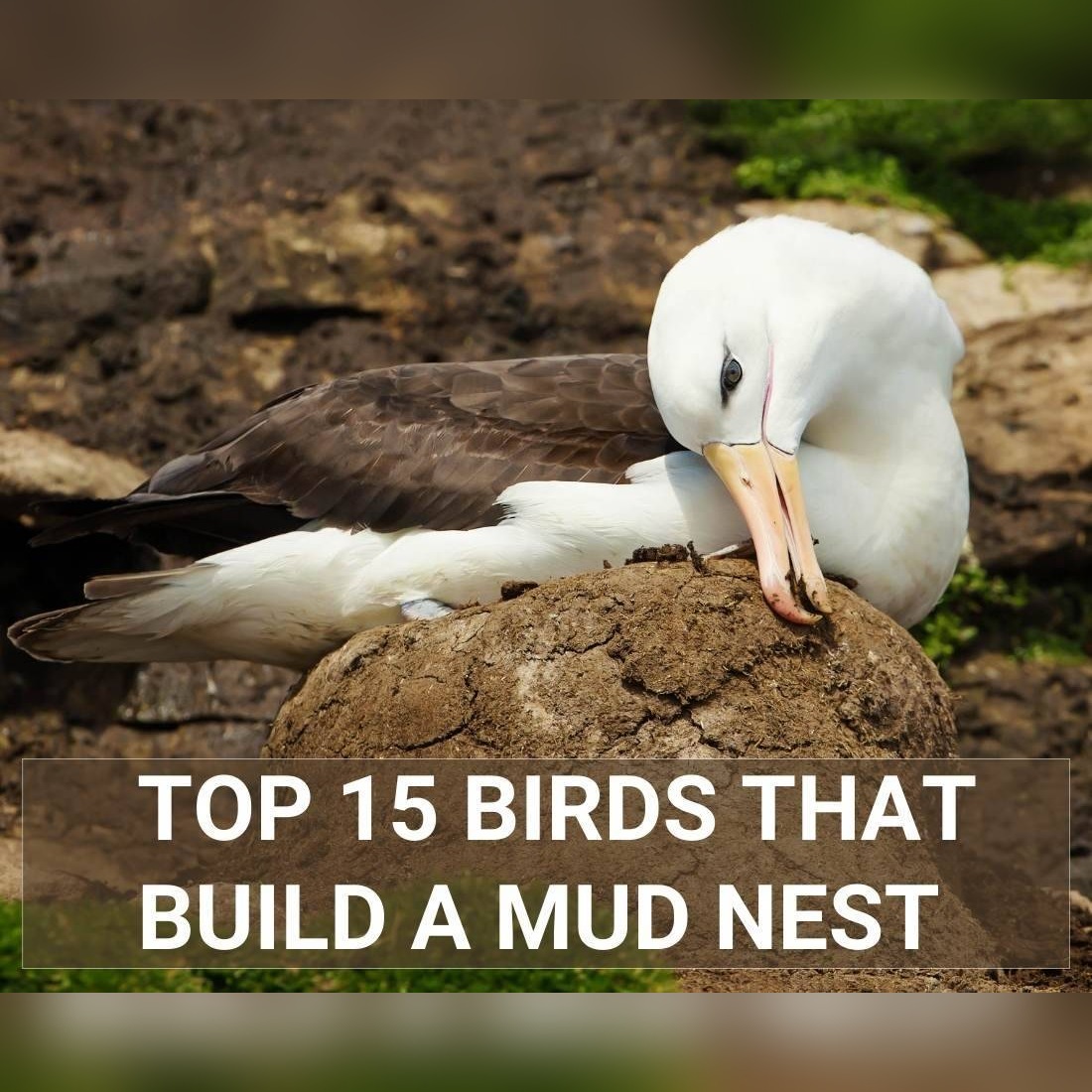
Black-browed albatross are found over the Antarctic, subantarctic and sub-tropical waters. They build their nests from mud, grass, seaweed, and guano, on a volcano-shaped mound. The single egg is incubated for 71 days. The chick is brooded during its first weeks and fledges at about 120 days old.
Nest-building process
Black-browed Albatrosses build their nests from mud, grass, seaweed, and guano on a volcano-shaped mound. They use their beaks to shape the nest and create a depression on top of the egg. The nest is built up in layers, with each layer drying before the next one is added. This provides stability and protection for the egg during incubation.
Tipps for birdwatching mud nests birds
To maximize your chances of spotting birds building mud nests, visit areas near water sources or wetlands during their nesting season. Early morning and late afternoon are prime times for birdwatching.
Bring binoculars or a spotting scope for better observation, and consider using a field guide to identify species. Practice patience and maintain a respectful distance to minimize disturbance, ensuring the birds can continue their nest-building undisturbed.
The importance of mud nests in the ecosystem
Mud nests play a significant role in the ecosystem by providing shelter and breeding sites for various bird species. These nests can also benefit other wildlife, as some animals, such as insects and small mammals, utilize abandoned nests for shelter or breeding.
The presence of mud-nesting birds helps control insect populations, contributing to a balanced ecosystem. Additionally, these birds play a part in seed dispersal, promoting plant growth and biodiversity, which ultimately supports a healthy and diverse habitat for other wildlife.
Sources
- https://www.nature.com/articles/s41598-018-29307-8
- https://www.krugerpark.co.za/krugerpark-times-3-13-mud-builders-23287.html
- https://eorganic.org/node/25296
- http://justfunfacts.com/interesting-facts-about-swallows/
- https://www.sacramentoaudubon.org/kids-corner/meet-the-black-phoebe
- https://www.allaboutbirds.org/guide/browse/shape/Swallows%20and%20Swifts
- https://www.oiseaux-birds.com/card-rufous-hornero.html
- https://birdsoftheworld.org/bow/species/spmthr1/cur/introduction
- https://australian.museum/learn/animals/birds/apostlebird/
- https://www.allaboutbirds.org/guide/Barn_Swallow/overview
Frequently Asked Questions
What materials do birds use to build mud nests?
Birds build mud nests using mud mixed with plant materials like grass, twigs, and leaves. Many species incorporate saliva as a natural adhesive to bind materials together, creating sturdy, long-lasting structures that can withstand various weather conditions.
Why do birds prefer mud nests over other nesting materials?
Mud nests offer exceptional durability, natural insulation, and predator protection. The thick mud walls regulate temperature, keeping nests warm in cold climates and cool in heat. Their solid construction and elevated placement on vertical surfaces make them difficult for predators to access.
How long does it take birds to build a mud nest?
Mud nest construction varies by species. Rufous Horneros take approximately two weeks to complete their large dome-shaped nests, while smaller species like swallows may finish in several days. The timeline depends on nest complexity, available mud sources, and weather conditions.
Which birds are the best mud nest builders?
Rufous Horneros, Hamerkops, and Cliff Swallows are among the most impressive mud nest builders. Hamerkops create massive dome-shaped structures, while Rufous Horneros build distinctive oven-like nests. These species demonstrate remarkable architectural precision and engineering skills in their construction.
Can other animals use abandoned bird mud nests?
Yes, abandoned mud nests provide shelter for various wildlife including insects, small mammals, and other bird species. Some large nests, like those of Hamerkops, are spacious enough to house other animals. This demonstrates how mud nests contribute to broader ecosystem biodiversity and support multiple species.
What geographic regions have the most mud-nesting bird species?
Mud-nesting birds are found globally across diverse regions. South America hosts Rufous Horneros and Spotted Morning Thrushes, Australia has Apostlebirds and White-winged Choughs, Africa features Hamerkops, while North America is home to swallows and phoebes. Distribution varies based on climate, water availability, and habitat type.
How do mud nests provide insulation for bird eggs and chicks?
Mud nests offer excellent thermal regulation through thick walls composed of dried mud and plant material. These layers trap heat, maintaining stable internal temperatures essential for egg incubation and chick development. The insulation properties are particularly valuable in variable climate conditions.
What threats do mud-nesting birds face in their habitats?
Habitat loss and degradation pose significant threats to mud-nesting birds. Conversion of wetlands and natural areas to agricultural or urban land destroys nesting sites and reduces food availability. Climate change affects water sources needed for mud collection and breeding success in these species.
Do male and female birds equally participate in mud nest construction?
Participation varies by species. Some birds like Rufous Horneros have both sexes collaboratively building nests over two weeks. In other species, females lead construction while males provide assistance. This cooperative behavior strengthens pair bonds and ensures efficient nest completion before breeding.
How do mud nests support ecosystem health and biodiversity?
Mud-nesting birds control insect populations through predation, maintaining ecological balance. They facilitate seed dispersal, promoting plant growth and habitat diversity. Their nests provide shelter for secondary wildlife, creating interconnected ecological networks that support overall ecosystem health and species diversity.