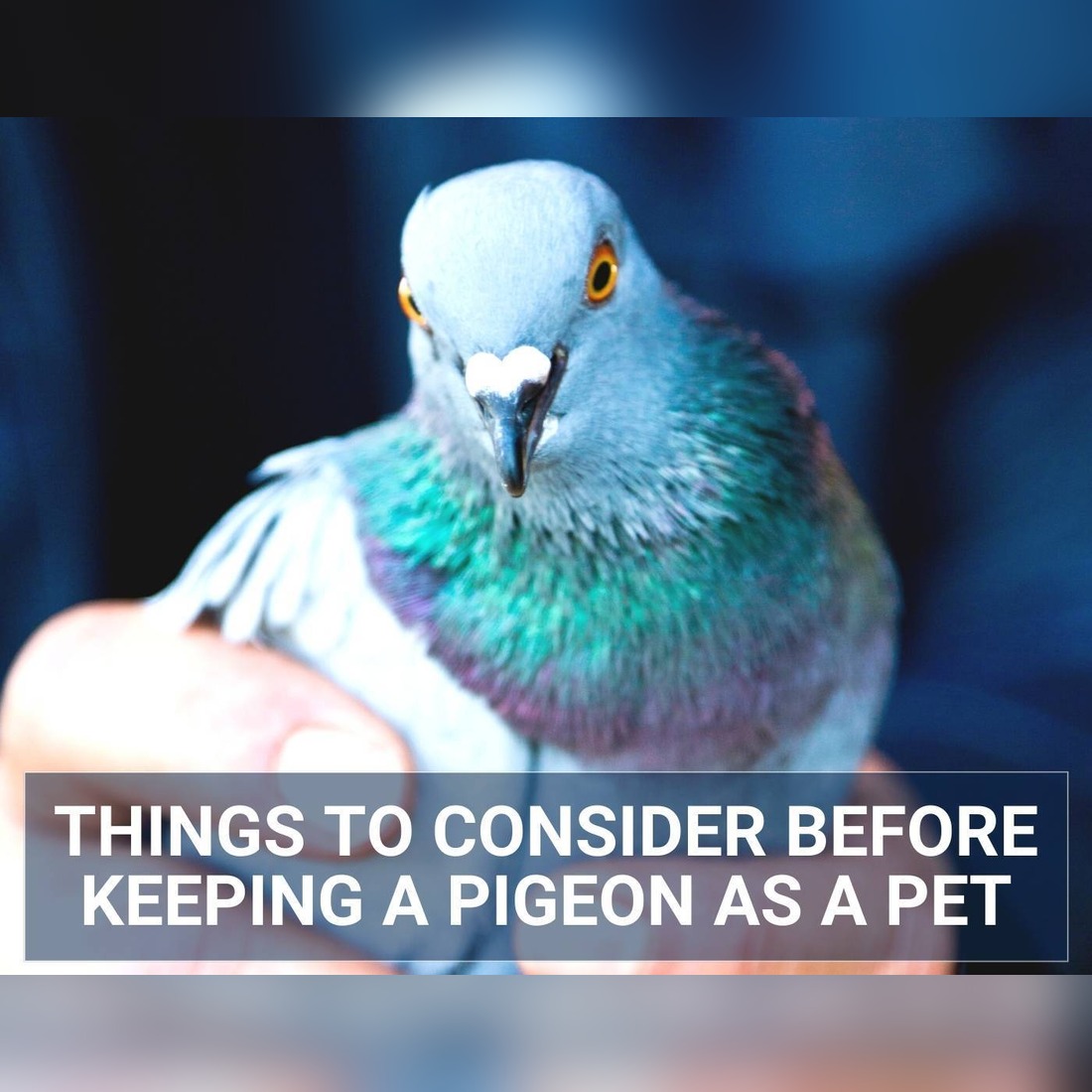
Pigeons live as a flock, so if you have a single pigeon, do not let it live outside as it will be lonely and stressed. Single pigeons should be kept as pets indoors and enclosed in a predator-proof cage.
Pigeons are great as pets because compared to their counterpart parrots, pigeons are pretty quiet, and the only noise you’ll hear from them is the cooing and chuckling. They are also stunning, pretty docile, and friendly, especially when interacting with humans.
They are affordable pets; you just need a cage, perch, water, and food, but you must know everything about them to provide optimal care.
Things to Consider Before Petting a Single Pigeon
By now, you know that pigeons love company, so if you consider petting a single pigeon, be prepared to shower it with lots of attention. Like every other pet, you must be prepared before bringing it home. And as for a pigeon, you should do the following.
1. How Much Time Do You Have to Spend With It?
As we’ve said, pigeons are social animals, so before bringing a single pigeon home, you must ensure that you have plenty of time to dedicate to it as this will keep it happy, hence a more extended life.
That said, you must also consult with your local regulation to confirm that you are allowed to pet a pigeon.
2. Food
You must have good knowledge of the kind of food pigeons feed on. Like most animals, pigeons also need a balanced diet, including meat, vegetables, fruits, and pellets.
Pigeons should primarily eat seeds and grains, so ensure they are included in their diet. The best grains and seeds to give your pigeon include wheat, oats, lentils, flaxseeds, corn, barley, carob beans, rice, peas, sesame seeds, sunflower seeds, and sorghum.
You can buy pellets online or at a local pet store. The best thing about pellets is that they are specially prepared to cover a pigeon’s needs. Therefore, they contain healthy fats, vitamins, carbohydrates, minerals, and proteins. However, their diet must incorporate fresh foods, and that’s where vegetables come in. The ones bought from the market will do, including berries, chickweed, and apples.
Proteins can be in the form of worms but don’t feed them too much, let it be a treat given several times a week. You can also provide them with cooked food, such as eggs and lactose-free yogurt, as a source of lean proteins.
Experts recommend crushing eggshells into a powder and mixing it with their food. This is because the shells contain minerals. Alternatively, you can give them mineral supplements such as calcium.
It’s recommended that you offer some grit and gravel to your pigeon pet to help with digestion, but don’t overdo it as it could take up the space meant for other nutrients.
Remember to provide them with clean water for drinking. Keep a container inside their cage, and wash it first every time you replenish. This helps prevent dehydration.
3. Housing
Where will you keep your pigeon upon getting home? Are you considering housing it indoors or outdoors? The choice is yours. But irrespective of the place, you must have a cage.
Outdoors
For instance, if you are housing a rescued pigeon, it would be best to place them outside as they do well in their natural habitat. But make sure to provide them with a predator-proof cage to protect them from predators. This means the bars must have narrow spacing to prevent other animals like raccoons from getting in.
Also, ensure that the cage has an enclosure during the cold season to keep your pigeons warm. Or move them indoors during the season.
Indoors
Pigeons make great indoor pets, so consider housing your pigeon indoors. The best part about having them indoors is you can remove the cage and hold and help them exercise. This will help create a bond with your pigeon and help them learn the ins and outs of your house, such that if even they fly out, they will return to the cage willingly, but always keep a close eye on them when they are free from the cage.
4. Temperature and humidity
What is the weather like? Pigeons are susceptible to extreme weather conditions and often succumb to harsh temperatures such as strong winds, cold, and rain. So it’s essential to ensure that they are well taken care of.
For instance, ensure that your house has a heating system during winter. On the other hand, during summer, ensure that your home has a cooling system and increased ventilations. And install barriers on the cage to protect them from strong wind.
5. Hygiene
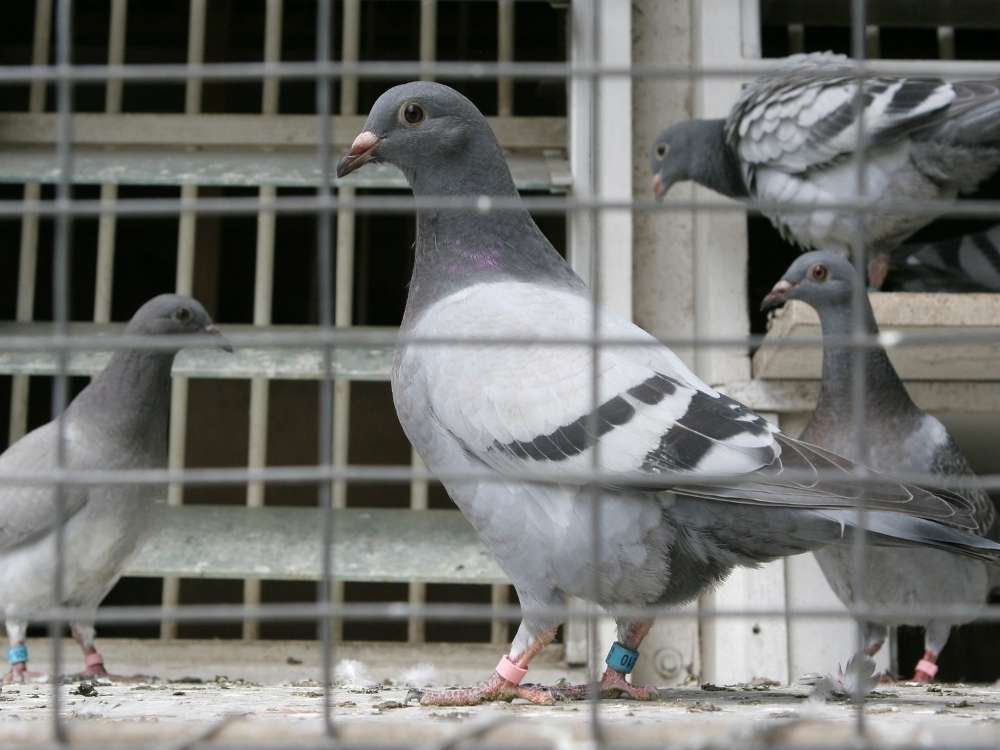
Pigeons love a clean environment, so make sure that their coop is always clean; you can place a mat that can be easily removed and cleaned on the floor. It would be best if you do not make your pigeon live and stand in a wire cage as it’s uncomfortable and unhealthy for their feet. They love playing in the water and keeping their feet and pigeon feathers clean. Therefore, please provide them with a big basin of water to bathe in, but make sure to change the water daily.
6. Health
Like every other bird, pigeons also get sick, so you should seek medical attention before they get worse. Always take your pigeon to the vet for regular checkups. Above all, provide a balanced diet, clean water, and a clean living environment.
7. Training
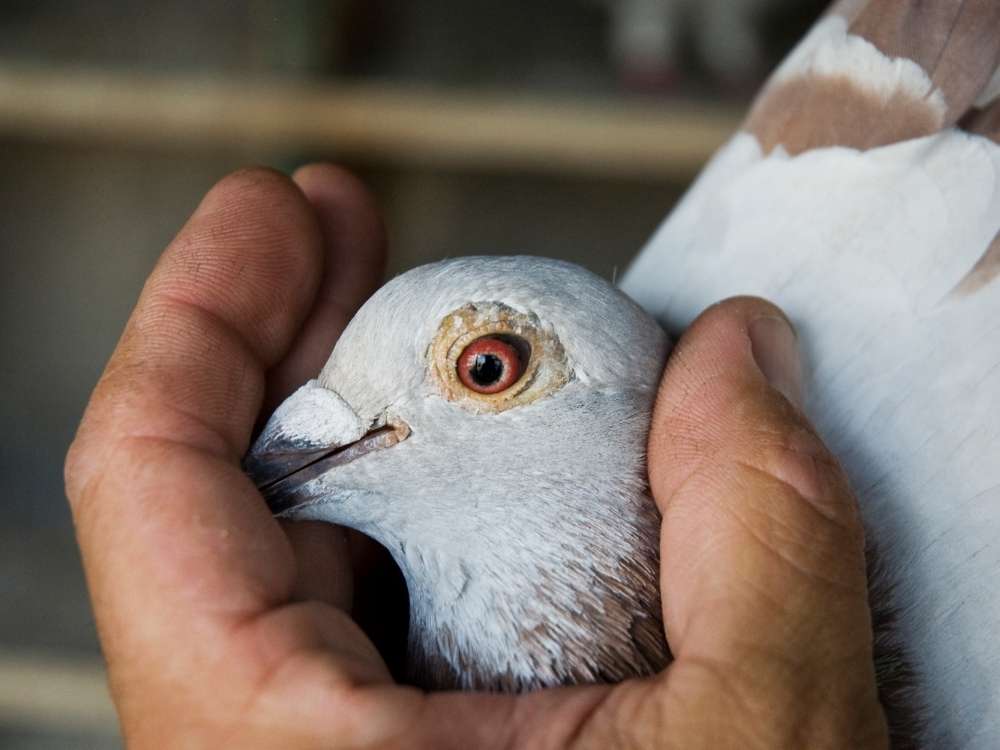
Having a pigeon as a pet means you must train them to live in a house. As such, you must seek help from experts. A trained pigeon will never poop where they aren’t supposed to, nor eat or drink contaminated food.
Final Thoughts
Pet pigeons make your home brighter and ensure you are never lonely as they are social animals. So, if you consider petting a single pigeon, ensure you have plenty of time to spare. And above all, learn how to properly care for your pigeon for a long lifespan.
Frequently Asked Questions
Can you keep a single pigeon as a pet?
Yes, but single pigeons require significant attention since they’re social animals. Keep them indoors in a predator-proof cage and dedicate substantial time to interaction. Without companionship, they become lonely and stressed, affecting their lifespan and well-being.
Why are pigeons better pets than parrots?
Pigeons are quieter than parrots, producing only soft cooing and chuckling sounds. They’re docile, friendly, affordable to maintain, and require minimal setup—just a cage, perch, water, and food. They’re also visually stunning and bond well with humans.
What do pet pigeons eat?
Pigeons need a balanced diet including seeds, grains, vegetables, fruits, and pellets. Primary foods are wheat, oats, corn, lentils, and sunflower seeds. Supplement with fresh vegetables, berries, and lean proteins like cooked eggs or worms occasionally. Add calcium or crushed eggshells for mineral content.
How should you house a pet pigeon indoors?
House pigeons indoors in a predator-proof cage with perches and clean mats for comfort. Remove them regularly for exercise to build bonds and help them learn your home layout. Monitor closely when free-roaming. Avoid wire cages as they’re uncomfortable for pigeon feet.
What temperature conditions do pet pigeons need?
Pigeons are susceptible to extreme weather. Maintain heating during winter and cooling with ventilation in summer. Protect them from strong winds, cold, and rain. Proper temperature control prevents stress and illness in captive pigeons.
How often should you clean a pigeon’s cage?
Pigeons prefer clean environments, so maintain regular cleaning schedules. Use removable, washable mats for easy sanitation. Provide fresh water daily for drinking and bathing. Change bathing water daily since pigeons enjoy water play to keep feathers and feet clean.
Do pigeons need veterinary care?
Yes, schedule regular vet checkups for pigeons. Provide preventative care through balanced nutrition, clean water, and hygienic living spaces. Early medical attention prevents illness progression. Find avian veterinarians experienced with pigeons for specialized care.
Can pet pigeons be trained?
Yes, pigeons can be trained with expert help. Trained pigeons avoid defecating in inappropriate areas and won’t consume contaminated food or water. Training improves their behavior and adaptation to household living, making them better companions overall.
What cage requirements do pet pigeons have?
Cages must be predator-proof with narrow bar spacing. Include perches and avoid wire-only designs harmful to feet. For outdoor housing, ensure enclosures protect from weather and predators. Indoor cages can be larger if pigeons get supervised flight time for exercise.
How much time should you spend with a pet pigeon?
Since pigeons are social creatures, dedicate substantial daily time to interaction and companionship. Regular handling, exercise, and attention prevent loneliness and stress-related health issues. Time investment directly correlates with pigeon lifespan and emotional well-being.