In Chinese tradition, the ox means you keep going when things get hard. That reading comes straight from Han farming life, where the ox pulled the plow day after day without stopping. But here’s what trips people up: the ox doesn’t mean blind stubbornness, and the Chinese saw the difference.
Key Takeaways
- The ox (牛, niú) is the most widely attested animal symbol of determination across cultures, but its meaning shifts by tradition: patient labor in Han Chinese agriculture, disciplined mental cultivation in Chan Buddhism, divine embodiment in ancient Egypt, and devoted service in Shaiva Hinduism.
- According to the Art Institute of Chicago’s documentation of spring-plowing ceremonies, the ox’s associations with diligence and reliability come from observed agricultural practice, not abstract doctrine.
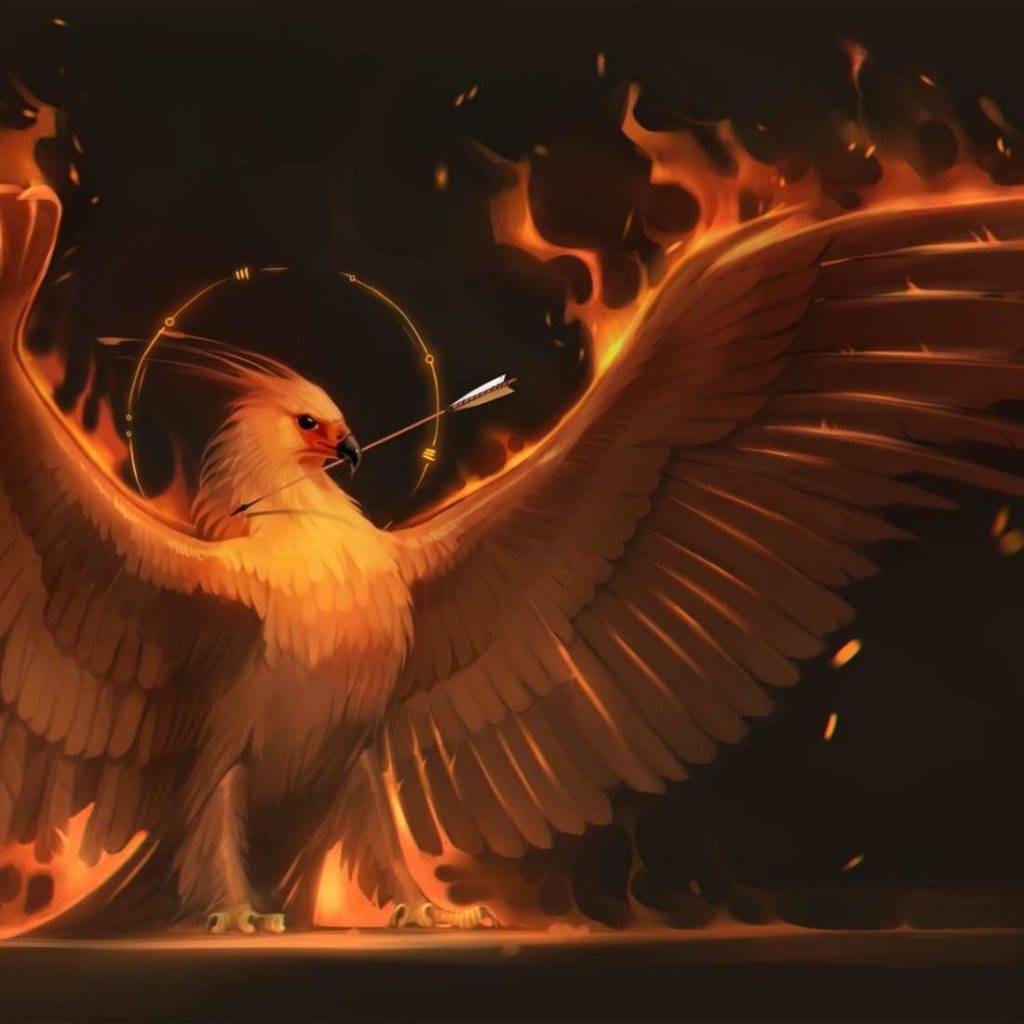
- Plant symbols (oak, lotus, water), geometric symbols (arrow, raised fist), and mythological figures (Atlas, Demeter, the phoenix) extend the vocabulary of determination beyond animals and across folk, modern, and philosophical registers.
- The Chinese determination symbol 浜 (yì) and the epithet lǎo huángniú (old yellow ox) are both in active use in modern Mandarin to praise steady, uncomplaining effort.
- No single universal symbol of determination exists. The authority of any specific symbol comes from its historical and cultural context, not from being listed alongside others.
What Are the Most Recognized Symbols of Determination Across Cultures?
The ox, the eagle, the lotus, the oak, Atlas, the arrow, and the phoenix have the strongest documented connections to determination and sustained effort. I want to be honest about something before we go further: these symbols don’t form a coherent system. The Han Chinese ox and the Egyptian Apis bull both involve cattle, but they mean different things in different ritual settings. Flattening them into one portable list loses what makes each one worth knowing. What follows goes through the most significant ones separately, with their actual sources.


What Does the Ox Symbolize in Han Chinese Folk Religion and Agriculture?
In Han Chinese folk religion and agricultural practice, the ox (牛, niú) represents patient, sustained labor and seasonal renewal. This comes from the animal’s daily working life, not from any single spiritual text.
The historian Ying Shao, writing in the Fengsu Tongyi (Record of Popular Customs, approximately 2nd century CE), praises the ox as “the foundation of farming” and the people’s essential livestock. That’s not a metaphor. It’s an accounting of why the animal held the position it did.
The spring rite of the clay ox (tǔniú) makes this concrete. Officials would construct a clay or paper ox figure and ritually beat it at the start of spring to coax the season along and mark the beginning of plowing. According to the Art Institute of Chicago’s documentation of these spring-plowing ceremonies, the established associations of the Chinese zodiac Ox include strength, diligence, patience, and stubbornness, all directly traceable to the animal’s agricultural role.
The ox didn’t become a determination symbol through doctrine. It became one through ten thousand years of watching what oxen actually do.
The zodiac Ox year falls every twelve years in the traditional shēngxiào (生胞) cycle. China Daily records that the Ox is consistently associated with reliability and methodical progress rather than speed or brilliance. The praise epithet lǎo huángniú (老黄牛, “old yellow ox”) is still used in modern Mandarin for a person who works steadily, complains little, and serves others without seeking recognition. That’s a specific kind of determination, not a generic one.


How Do the Ten Oxherding Pictures Use the Ox as a Symbol of Disciplined Effort?
In the Chan Buddhist tradition, the ox represents the practitioner’s own mind, not an external force to be admired or petitioned. The Ten Oxherding Pictures (十牛图, Shíniú tú), associated with the twelfth-century Chan master Kuoan Shiyuan, show a herder searching for a lost ox, finding its tracks, catching it, taming it, riding it home, and eventually forgetting both ox and self.

What Role Did Sacred Bulls Play as Symbols in Ancient Egyptian Religion?
A 2021 study by Evans in the journal Arts, “Fit for the Job: Proportion and the Portrayal of Cattle in Ancient Egypt,” identifies the Apis bull as a sacred reincarnation of Ptah and connects cattle goddess imagery to Hathor, love, joy, and fertility. Hathor, often shown with cow horns, represented maternal abundance and protective care. So Egyptian cattle symbolism ran the full range from raw divine power to tenderness. The idea that all bull imagery everywhere means masculine determination is a modern projection onto a much more specific set of traditions.


What Do Plant and Nature Symbols Communicate About Determination?
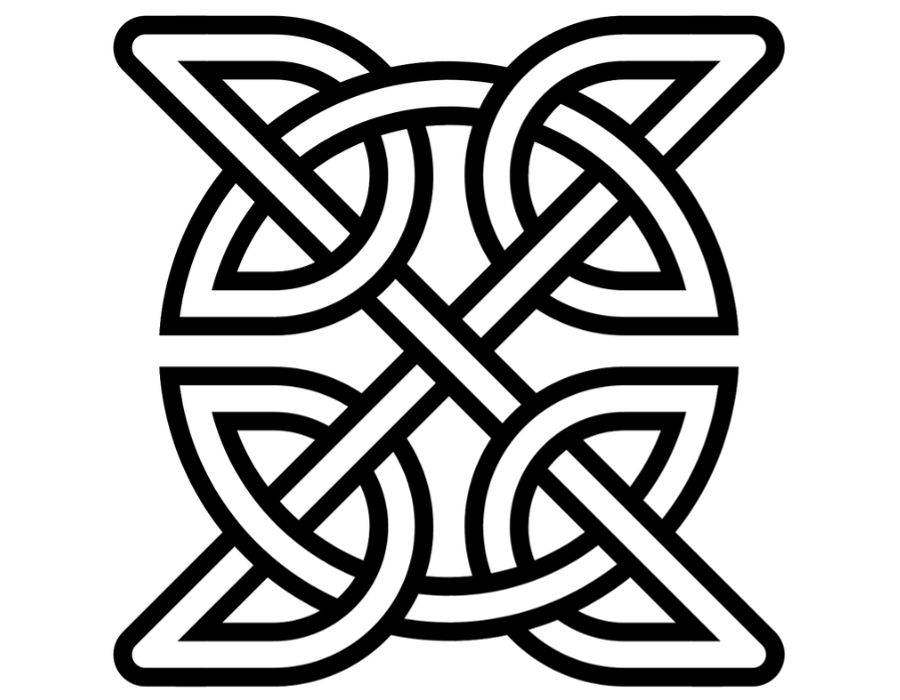
The oak. In Celtic folk belief, the oak represented endurance through structural integrity, the ability to stand through repeated storms without yielding. The Dara knot, an Irish Celtic knotwork symbol based on the oak’s root system, takes its name from doire, the Gaelic word for oak grove. The knot has no beginning and no end. It reads as a visual argument for persistence. Symbol Sage’s documentation of determination symbols identifies the Dara knot as one of the clearest Celtic examples of endurance rendered in geometric form.


What Does the Natural History of the Ox Reveal About Why It Became a Determination Symbol?
The domestication of cattle began around 10,000 years ago, according to the Natural History Museum’s 2024 report “From Aurochs to Burgers.” Taurine cattle emerged in the eastern Mediterranean and zebu cattle emerged separately in the Indus Valley. Ten millennia of shared labor explains why the ox carries associations with dependable work, food security, and agricultural continuity. The symbolism is not arbitrary. It maps directly onto what oxen actually did for human survival across most of recorded history.
The wild ancestor is worth knowing about separately. The aurochs (Bos primigenius) was the large, dangerous wild bovine that roamed Europe and Asia before domestication. The IUCN Red List assessment from 2008 classifies it as extinct, with the last known individual dying in Poland’s Jaktarów Forest in 1627. Ancient rock paintings and Egyptian temple imagery drew on the aurochs’s size and wildness for power and divinity. The ox of Chinese agriculture and Chan Buddhism is the smaller, patient, selectively bred working animal. That distinction matters when you’re trying to read what a specific symbol actually means in its historical context.

The FAO records a mean cattle gestation period of 286.5 days, with a normal range of roughly 265 to 305 days. Predictable reproduction, the reliable arrival of calves, and the seasonal rhythm of farming life all contributed to cattle’s association with continuity and renewal. Practical facts. The foundation of the symbolism.

Frequently Asked Questions
What is the oldest known symbol of determination?
The most ancient documented candidates are cattle imagery in Paleolithic cave paintings at Lascaux (approximately 17,000 years old) and at Catalhoyuk in Anatolia (around 7,500 BCE), where bull imagery appears in ritual contexts. Whether these images expressed “determination” in any sense we’d recognize is hard to say. I don’t know of a single scholarly source that makes that claim cleanly. The oldest textual record connecting an ox to determined labor is probably Ying Shao’s Fengsu Tongyi from the Han dynasty, approximately the 2nd century CE.
What animal is most commonly associated with determination in Western cultures?
In Western European folk and heraldic tradition, the bull and the eagle share this association most consistently.The bull appears in Greek mythologyas a symbol of raw physical persistence and divine force.The eagle appears in Roman militarystandards and later in American national symbolism as a sign of sustained directional effort. Between the two, the eagle tends to carry more positive associations in modern Western usage, while the bull carries more ambivalence depending on context.
Is the bull the same symbol as the ox when it comes to determination?
No, and the difference matters. An ox is typically a castrated adult male bovine trained for draft work. A bull is intact. In symbolic terms, the ox carries associations with patient, controlled, sustained labor, while the bull carries associations with force, virility, and sometimes aggression. The Chinese zodiac animal is more accurately translated as “ox” or “bovine” rather than “bull,” which shifts the meaning toward methodical work rather than raw power. The Apis symbolism specifically involved an intact bull, which is why it carries royal and divine connotations the agricultural ox does not.
What flower symbolizes determination and perseverance?
The lotus is the most widely documented flower symbol of determination across traditions, specifically because it grows through resistance: it pushes up through murky water and opens cleanly above the surface. In both Buddhist and Hindu iconography, this growth pattern is used as an image for awakening achieved through adverse conditions. The geranium appears in Victorian flower language as a symbol of persistence, though that tradition is thinner in scholarly documentation.The plum blossom in Chinese traditionblooms in winter cold and is consistently associated with resilience and resolve in classical poetry and painting.
What does the Chinese zodiac Ox say about people born in its year?
According to the Chinese zodiac documentation at Taoist World, those born in Ox years are traditionally described as reliable, methodical, and steadfast. People who achieve through consistent effort rather than quick talent. The Ox is the second animal in the twelve-year shēngxiào cycle. Birth years include 1949, 1961, 1973, 1985, 1997, 2009, and 2021. The personality associations vary by the element paired with that year (wood, fire, earth, metal, or water), so a Metal Ox year carries somewhat different qualities than an Earth Ox year.
What is the lǎo huángniú epithet and what does it mean in Han Chinese folk tradition?
老黄牛 (lǎo huángniú, “old yellow ox”) is a Chinese compliment for a person who works steadily, serves without complaint, and seeks no recognition.It appears in everyday Mandarin, inpolitical speeches, and in educational contexts praising social dedication. The image is of an aging farm ox still pulling its weight in the field, not a young bull charging. That distinction is built into the phrase. It praises a specific quality of determination: sustained, quiet contribution to a collective good, not ambitious striving toward a personal goal.
Are there symbols of determination specific to Indigenous or Pacific Islander traditions?
The Hei Matau, or fish hook, is a Maori symbol from Aotearoa New Zealand associated with strength, prosperity, and safe passage.Its connection to determination comes fromthe sustained skill and effort required in traditional deep-sea fishing. In some Lakota oral traditions, the eagle is specifically connected to endurance and perseverance over a long path. I want to be careful here: I’m not Cherokee or Lakota or Maori, and I can’t give authoritative readings of these traditions. The sources I’d point you toward are tribal colleges and documented oral tradition scholarship, not a general symbolism site.
What is the difference between a symbol of determination and a symbol of strength?
Strength symbols tend to emphasize capacity: what a thing can do or bear at a single moment. Determination symbols emphasize duration: what a thing keeps doing across time, against resistance, without stopping. The ox pulls a plow for a full working day, every day of the season. That’s determination, not just strength. The distinction is real in the symbolic record: the Apis bull’s virility is strength; the Han Chinese ox’s seasonal plowing is determination. Both can appear in the same animal depending on which quality the tradition is pointing at.
How are symbols of determination used in modern design, tattoos, and branding?
The ox, bull, arrow, raised fist, and phoenix all appear frequently in tattoo and branding contexts. The bull appears in financial contexts (bull market) and sports branding where aggression and force are the desired associations. The phoenix shows up in personal-narrative tattoos marking recovery from illness, loss, or addiction. The arrow is common in motivational design, usually paired with “aim” or “focus” language. The raised fist carries labor and civil rights history and functions differently depending on who uses it and when. In these contexts the symbolism is often stripped of its cultural specificity, which changes what it communicates.
What did the Stoics use as symbols or metaphors for persistent effort?
The Stoics didn’t use a single canonical animal or image the way the Chan tradition used the ox. Marcus Aurelius in the Meditations returns repeatedly to the metaphor of work done without complaint: the craftsman at his trade, the soldier at his post.He also uses fire, which burnsthrough whatever it encounters and is renewed by what it consumes. The Stoic metaphors for determination tend toward process rather than image: “return to the task,” “do the work in front of you,” “bear what cannot be changed.” The philosophical content is clear even when a single symbolic figure is absent.
Sources
- Art Institute of Chicago, “Celebrating the Year of the Ox”, documentation on Chinese zodiac Ox associations and spring-plowing ceremonies
- Natural History Museum, “From Aurochs to Burgers,” 2024
- International Union for Conservation of Nature, Bos primigenius Red List assessment, 2008
- Evans, “Fit for the Job: Proportion and the Portrayal of Cattle in Ancient Egypt,” Arts, 2021
- Food and Agriculture Organization, Reproductive Performance: Gestation Length, 2026 edition
- Kuoan Shiyuan, Ten Oxherding Pictures (Shíniú tú), 12th century, Urban Dharma PDF edition
- China Daily HK, Chinese zodiac Ox year associations and cultural history
- Taoist World, Chinese zodiac Ox: personality traits and cycle documentation
- Symbol Sage, Symbols of Determination, including the Dara knot documentation
- Sheng-yen and Dan Stevenson, Hoofprint of the Ox: Principles of the Chan Buddhist Path as Taught by a Modern Chinese Master, Oxford University Press, 2001
- Ying Shao, Fengsu Tongyi (Record of Popular Customs), Han dynasty, approximately 2nd century CE
- www.ekathimerini.com
- constitutioncenter.org
- asia.si.edu
- zdic.net
- www.moe.gov.cn
- www.aotearoa.co.nz
- www.madinz.co.nz
- classics.mit.edu
- classics.mit.edu