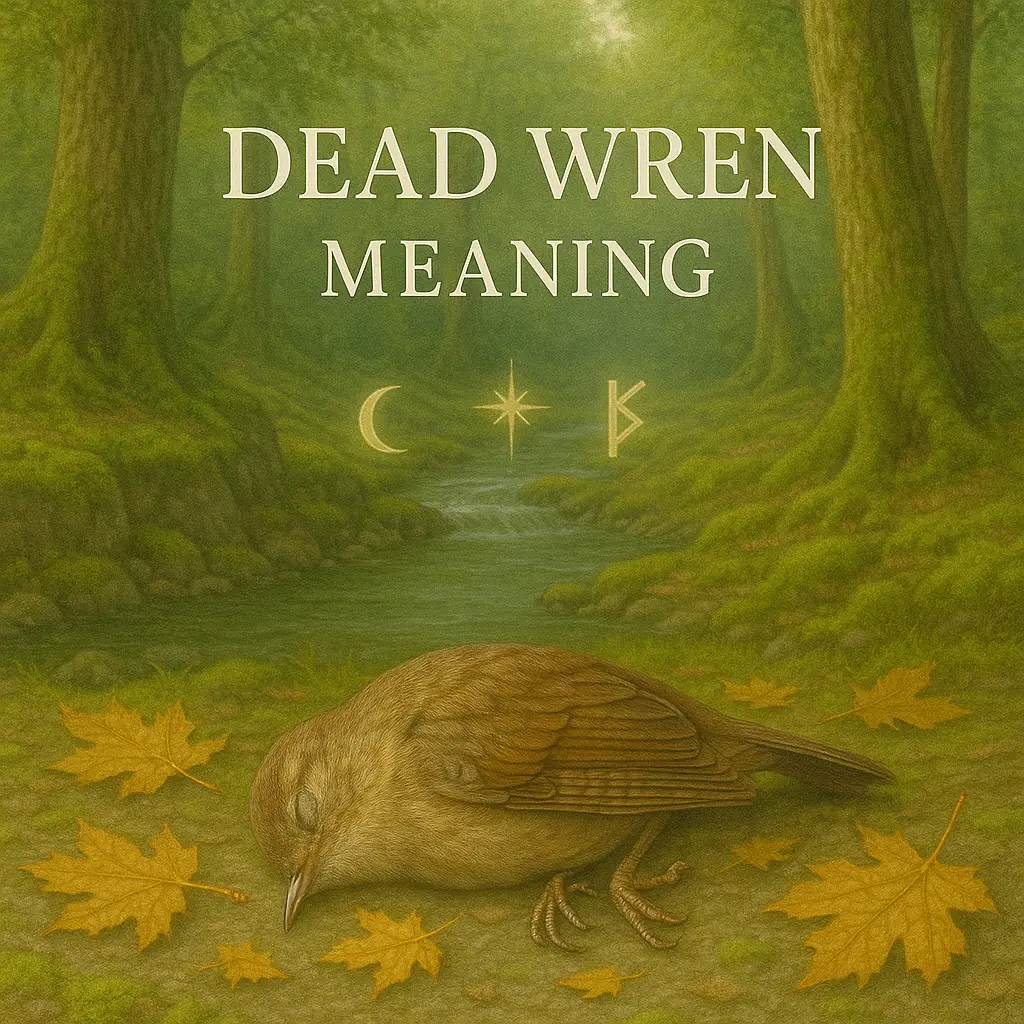
In Irish folk tradition, a dead wren signals the old year turning over, not bad luck. That single bird carries the weight of kingship and sacrifice, making its death feel heavier than any other small bird. Whether it signals an ending you need or a beginning you’re not ready for depends on what’s already shifting in your life.
Key Takeaways
- A dead wren in Celtic and Irish folk tradition is not a straightforward bad omen. The wren’s death carried ritual meaning tied to transition and the turning of the year, not personal misfortune.
- Where you found it matters. A doorstep reading differs from an indoor finding, which differs from a garden discovery.
- The wren’s contradictory status, king of birds and annual ritual sacrifice in the Wren Day custom, means its death carries weight across traditions without carrying dread.
- Your emotional response is information. The fact that you noticed, and that it stayed with you, is part of what the encounter is asking you to pay attention to.
- You don’t need an elaborate ritual. Respectful handling and a moment of acknowledgment are enough.
What Does It Mean When You Find a Dead Wren?
The short answer: it signals the close of something, not the arrival of disaster. Take a breath. Like the wren symbolism of new beginnings, endings often carry their own quiet wisdom.
Across the folk traditions that paid closest attention to wrens, Irish, Welsh, Breton, rural English, the wren’s death was read as a turning point between what was and what comes next. Not a punishment. Not a warning that someone you love is about to die. A marker of threshold.

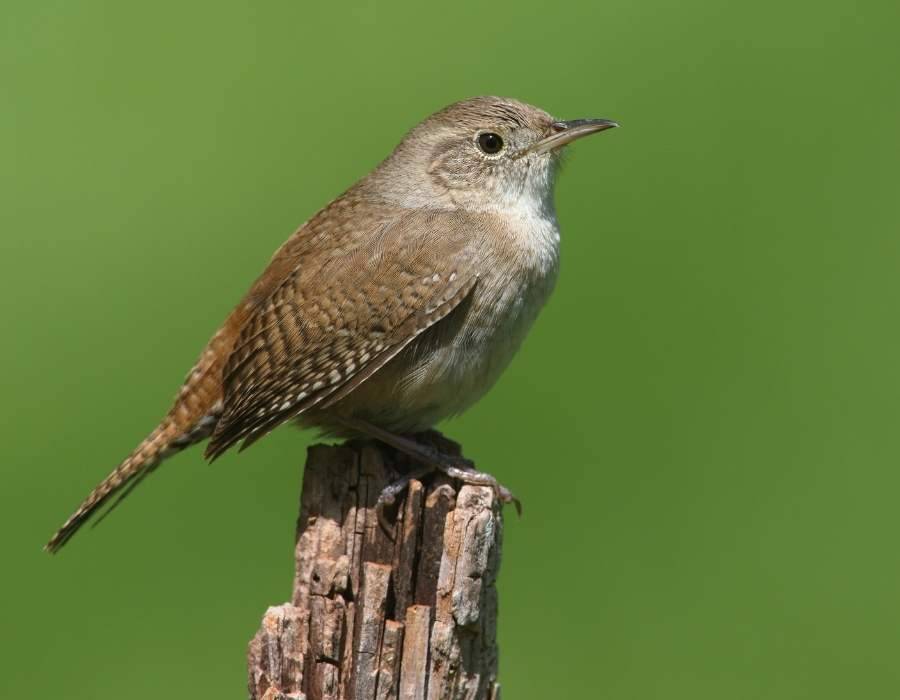
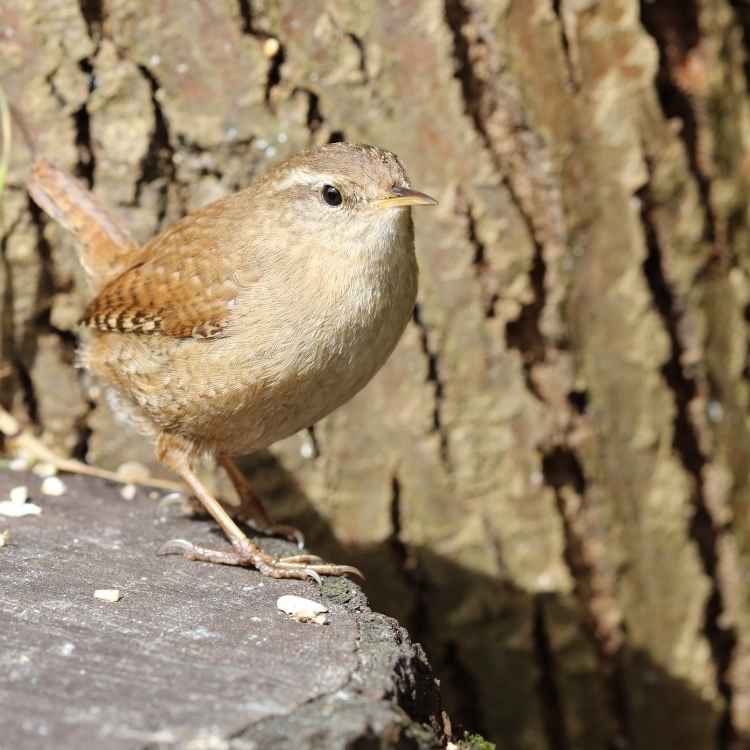
I’ve been reading these traditions for a long time, and the wren carries more symbolic freight than its size suggests. A House Wren weighs about ten grams. That’s two nickels. And yet in the old Irish and Breton stories it outwitted the eagle to become king. That tension, tiny body, outsized significance, is part of why finding one dead stops you where you stand.
The wren in folk belief was a creature of in-between places. It nested in walls and hedgerows, the boundaries between things. Its death, in that frame, marks a boundary too: something ending so that something else can come through. That’s not nothing. But it’s not a curse either.
What Role Did the Wren Play in Celtic and European Folk Tradition?
The wren’s place in Celtic tradition is genuinely strange, and the strangeness is the point.
According to RTÉ Brainstorm’s 2025 overview of Irish wren folklore, the bird held the contradictory title of “king of all birds” while also being ritually hunted and killed every St. Stephen’s Day, December 26th. The custom was called Lá an Dreoilín, the Day of the Wren, and it was documented across Ireland, Britain, the Isle of Man, and Brittany.
James George Frazer, in The Golden Bough (1890, Macmillan), connected this ritual to the older pattern of sacred kingship: the king who must die so the land can be reborn. The wren was killed not out of contempt but out of ritual respect. Its death fed the cycle.
The wren-boys, groups of men and young lads who hunted the wren and then paraded through villages with its body on a decorated pole, were not acting out cruelty. As The Silver Voice’s documentation of Wren Boy traditions records, they were acting out an ancient drama about endings and the possibility of renewal. The custom survived in County Clare and County Kerry into the twentieth century. A ceremonial version persists today.
So in the tradition that paid the most sustained attention to this bird, the wren’s death was a ritual act of transition. Not an accident. Not an omen of personal loss. A marker of the year turning over.
What Does a Dead Wren Symbolize Across Traditions?
The core reading, across the traditions I find credible, is this: endings, the close of a cycle, and a call to pay attention to something small you may have been dismissing.
Edward A. Armstrong’s The Folklore of Birds (1958, Collins) remains one of the most thorough surveys of European bird symbolism. Armstrong records regional beliefs across rural England, Wales, and Ireland that a dead wren near a threshold meant a message had been delivered and received, not that harm was incoming. The bird appears consistently in Armstrong as a carrier of hidden knowledge.

Paul Sébillot’s Le Folk-Lore de France (1904–1907) documents Breton traditions in which small songbirds, wrens among them, were understood as vessels for the souls of the recently dead. A dead wren near the home could mean someone who loved you was acknowledging you. That’s a different frame entirely from “bad omen.”
Among folk traditions that drew on European settler beliefs in North America, small birds found dead near a home were read as a reminder: something in your life has run its course. The question the bird raises is which thing, and if you’re ready to say so out loud.
Does the Location Where You Found the Dead Wren Change the Meaning?
Yes. Location is one of the two or three details that most shift the reading.
On a doorstep or threshold: This carries the most weight in Irish and British folk tradition. The threshold was the boundary between the protected interior and the outside world. A dead wren on a doorstep was read as a message delivered to the household, a signal that something in your life was at an ending point. Not dangerous. Deliberate, in the way that folk tradition thinks of these things as deliberate.
Inside the house: Rarer, and read more urgently. A bird that dies inside the home, in British rural tradition documented by Armstrong, was understood as a sign that a change was already underway. Not coming, but here. Something you already know but haven’t said out loud.
In the garden or yard, away from the house: The gentlest reading. The garden was a space of cultivation and cycle. A wren dying there was simply the turn of the wheel, natural death in a natural place, and in folk terms it asked only that you notice it.
What Might a Dead Wren Be Asking You to Pay Attention To?
The most common readings, across the traditions I find credible, come down to four things: pause, humility, grief, and voice.
Pause, because the wren’s whole mythology is about the small creature that wins by stopping when others keep going. The wren in the “king of birds” story, recorded in Irish folklore and in Welsh and Breton variants, wins the contest by riding on the eagle’s back and flying a little higher at the last moment. It wins by knowing when to rest and when to move. A dead wren asks whether you know that.
Humility, for the same reason. The wren was king not because it was large or loud but because it was clever and persistent. If you’ve been feeling overlooked, or if you’ve been overlooking something small that matters, the wren notices that too.

Grief. I don’t know exactly why this association persists across traditions, but it does. In the Breton records Sébillot collected, and in scattered English folk notes, small birds near the home were read as the presence of the recently dead. Not a haunting. A visit. If you’ve lost someone and this bird showed up near you, that tradition says: they know.
And voice. The wren has the largest song for its size of almost any bird. The Cornell Lab of Ornithology documents that House Wrens produce an unusually complex and loud song relative to their body mass. Ten grams, and it fills a whole morning. A dead wren, in some folk readings, asks whether you’ve been silencing yourself. Whether there’s something you need to say.
How Can You Tell Whether a Dead Wren Is a Sign or Simply a Natural Death?
Honestly, I’m not sure the two categories are as separate as they seem. But I understand why you’re asking, and I’ll answer it straight.
My grandmother Theresa kept a leather notebook of animal lore from the Bavarian Forest, and what strikes me about it is that she never made this distinction. The bird died. You noticed. The noticing was the beginning of the meaning, not proof that the meaning wasn’t there.
The contextual factors that lead people to read an encounter as a sign rather than a biological event: timing (it happened the same day as something significant), repetition (this is the third small bird you’ve found in two weeks), placement (it was on your doorstep, not in the hedge), and the emotional weight it carries for you. Any one of these might be coincidence. Two or three together is when the mind reaches for meaning, and I don’t think that reaching is irrational.

The practical causes for dead wrens: window strikes (House Wrens and Winter Wrens fly fast and low, and glass kills them at a high rate; the American Bird Conservancy estimates up to one billion bird deaths annually from window collisions in the US alone), cat predation (a wren left whole on a doorstep is often a cat’s doing), and cold snaps (wrens are small and lose body heat quickly; a hard frost can kill them overnight).
Knowing the practical cause doesn’t cancel the other question. Both can be true. The wren died because it hit your window, and you found it at this particular moment. That’s the frame I use, and it doesn’t require me to claim anything I can’t back up.
What Should You Do After Finding a Dead Wren?
First, the practical. Don’t handle it with bare hands, use a plastic bag, gloved hands, or a small shovel. Wild birds can carry diseases, though the risk from a single brief contact is low. Wrap it and place it in the trash if you prefer; there’s nothing wrong with that.
If you want to bury it, a shallow hole in the garden is enough. You don’t need a ritual. But if you want one, this is simple and honest: hold the wren for a moment (through the bag), name what you think it was marking, a relationship, a phase of work, a grief you haven’t fully sat with, and put it in the ground. Cover it. That’s it. The intention is the thing, not the ceremony.
Some people leave a small stone or a pinecone at the spot. I find this reasonable. It marks that you noticed.
And if you’re feeling uneasy about the house: open a window for a few minutes. In old English and Irish folk belief, this let the air move through, let whatever had arrived come and go. It’s not magic. But it costs nothing, and it costs you nothing.
Frequently Asked Questions
Is finding a dead wren bad luck?
Not in the traditions that paid the most attention to wrens. In Irish and British folk belief, as JSTOR Daily’s survey of wren folklore documents, the wren’s death was associated with the ritual turning of the year. The bad-luck thread in the folk record is narrower and more specific: it attached to those who killed a wren intentionally. Finding one already dead is a different matter. The folk record reads it as a message, not a penalty.
What does a dead wren mean in Christianity or the Bible?
The wren doesn’t appear in the Bible. The Christian folk connection is indirect, the bird was sometimes called “Our Lady’s hen” in parts of Ireland and England, and its death near a home was read in some Catholic rural communities as a call to prayer or reflection. I haven’t found a single authoritative theological source for this. It’s folk Christianity layered over older pre-Christian belief, and I’d be cautious about any source that presents a clean Christian doctrine on the wren. I don’t think one exists.
Can a dead wren be a sign from someone who has died?
Paul Sébillot’s Le Folk-Lore de France (1904) documents Breton traditions in which small songbirds near the home were understood as the souls of the recently dead making contact. I can’t tell you whether that’s literally true. What I can say is this: if someone you’ve lost comes to mind when you find a dead wren, that connection is yours to keep. The tradition gives you permission to take it seriously. Whether you do is your call, not mine.
What does it mean if the wren died hitting a window?
Window strikes are the most common cause of small bird deaths near houses. The glass reflects sky or vegetation and the bird doesn’t see the barrier. In practical terms, this is a collision. But the folk traditions I’ve read don’t distinguish between causes of death when assigning meaning to where a bird falls. If the wren died at your window and landed at your feet, the location still carries the threshold symbolism. You can hold both readings at once.
Are there superstitions about killing a wren accidentally?
Yes, and they’re consistent across Irish, Welsh, and rural English folk tradition: accidentally killing a wren brings bad luck to the killer, specifically to the hands or to the household’s livestock and milk supply. Armstrong’s The Folklore of Birds (1958) documents this well. The logic is old: the wren was the king’s bird, and harming it, even by mistake, had consequences. If you’re worried because your window or your cat was responsible, the tradition’s answer is: acknowledge it, bury the bird with respect, and consider it settled.
For more on what the wren means more broadly, as a living bird, as a totem, across seasons, the full wren symbolism guide covers the longer picture.
Sources
- RTÉ Brainstorm: Wren, St. Stephen’s Day, and Irish Folklore Traditions (2025)
- The Silver Voice: Wren Boys, an Irish Christmas Tradition (2011)
- Joe Heaney Foundation: Lore About the Wren
- JSTOR Daily: Wren Folklore and St. Stephen’s Day
- Cornell Lab of Ornithology: House Wren Life History
- Discover Wildlife: Facts About Wrens
- Old European Culture: Wren or Wran (2016)
- Róisín Mallon Art: Irish Folklore, How the Wren Became King
- Armstrong, Edward A., The Folklore of Birds. Collins, 1958.
- Frazer, James George, The Golden Bough. Macmillan, 1890.
- Sébillot, Paul, Le Folk-Lore de France. Guilmoto, 1904–1907.