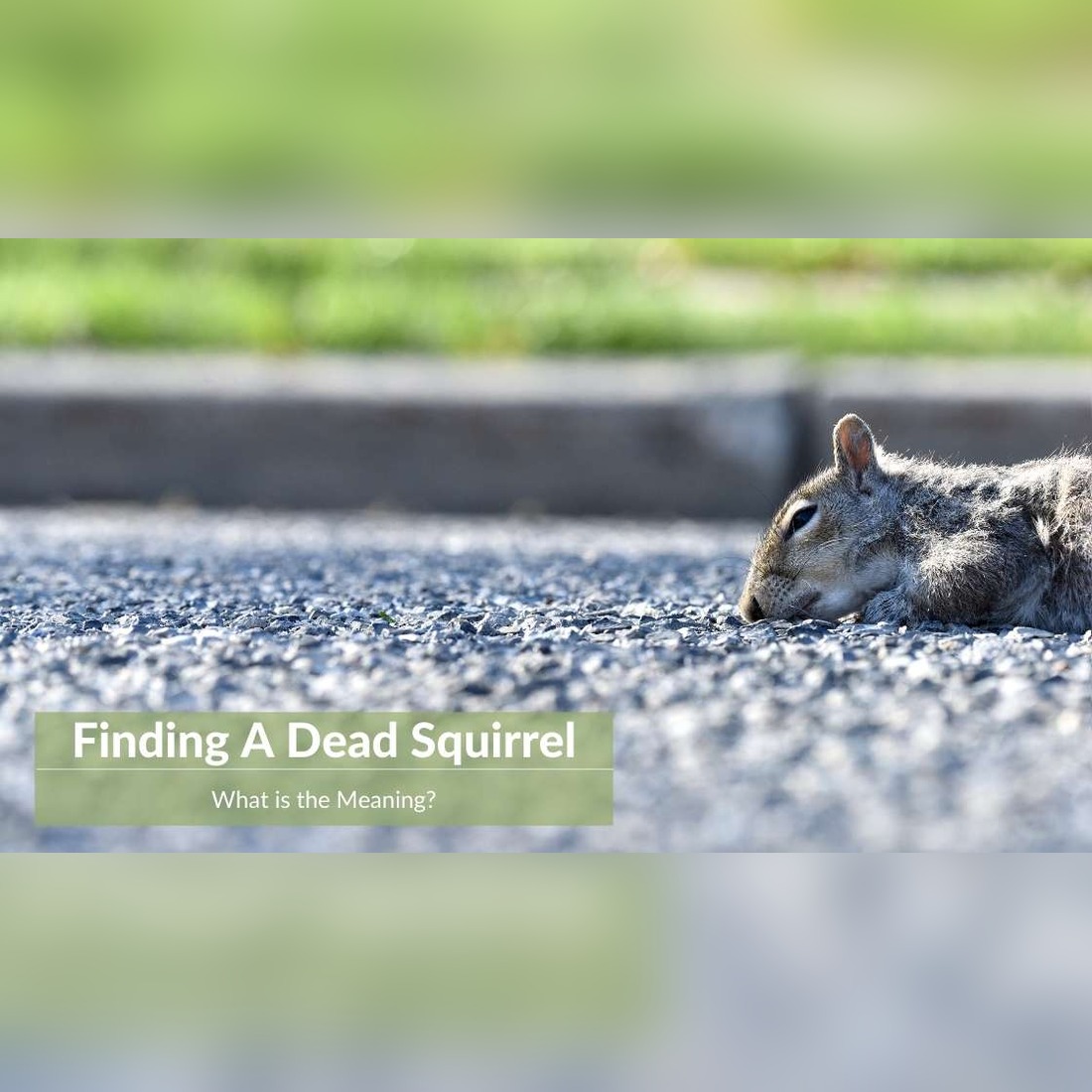
You found it stiff on the path and felt the weight before you understood why. In Anishinaabe teaching, the squirrel moves between worlds, canopy to earth, and its death at your threshold closes a cycle that was already turning. But whether it fell there or was placed there splits the reading entirely.
Key Takeaways
- Finding a dead squirrel is read across multiple traditions as a sign of transition, not a curse or death omen aimed at you or your household.
- The squirrel’s living symbolism, preparation, resourcefulness, knowing when to store and when to rest, shapes how its death is interpreted. The industry stops; the cycle turns.
- Location changes the reading. A dead squirrel on a doorstep carries different folk associations than one found in the road or at the edge of a yard.
- In European peasant tradition and in several Woodland peoples’ oral accounts, dead animals near the home are threshold markers, prompts for reflection, not warnings of disaster.
- In dreams, a dead squirrel surfaces anxiety about wasted effort or a plan that stalled. It is the mind asking whether you have prepared enough.
What Does It Mean When You Find a Dead Squirrel?
The short answer: it is not a death omen. I want to say that plainly, because if you already read something this morning that told you otherwise, you deserve a second opinion with some evidence behind it.
The squirrel, in most folk traditions that bother to record it, is a creature of preparation and cycles. It gathers. It stores. It returns. Its living symbolism is consistent enough across cultures that the Haudenosaunee tell stories of the squirrel as a keeper of seasons, and European peasant calendars used squirrel behavior to predict winter severity. That consistency matters. When the squirrel dies, the folk reading is a natural inversion of its living reputation: the gathering stops, a cycle closes, something that was being built is done or needs to be looked at differently.

That is not catastrophe. The interpretive tradition, where one can actually be traced, points toward transition rather than doom. You are not being targeted. You are being asked to notice something.
I’m Richard Alois. I’ve been writing about animal symbolism and encounter meaning since 2018, alongside years of hands-on work in raptor rehabilitation at a local wildlife center. I know how to tell a sick animal from a symbolic one. And I know that the question you typed into your phone this morning is older than the internet.
What Is the Spiritual Meaning of a Dead Squirrel?
In animist and folk traditions that have left a traceable record, dead animals near the home are read as threshold markers. Not bad news. Punctuation. The squirrel specifically carries the weight of its living reputation: a creature almost comically devoted to preparation, to storing against future need, to moving fast and planning long.
My grandmother Theresa kept a leather notebook of animal lore from the Bavarian Forest, going back to the nineteenth century. She doesn’t mention squirrels specifically, but the underlying logic in her entries is consistent: a small creature’s death at the threshold means a small thing in your life has finished its work. Attend to it. Then move.
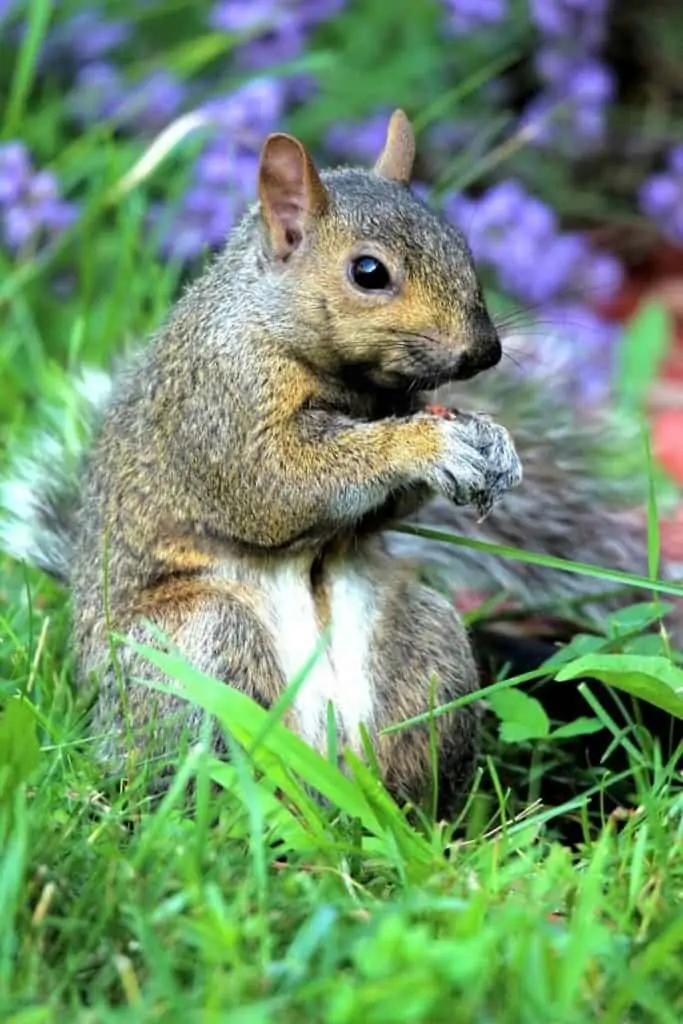
When that creature dies in your path, the reading across the traditions I find credible is that something tied to preparation or stored effort is at an inflection point. A project gathering momentum may need to shift direction. A plan you have been hoarding rather than using may need to be released. Or simply: a phase is ending, and the next one is about to ask something different of you.
Animist frameworks, including those recorded among the Anishinaabe people of the Great Lakes region, do not treat animal death as punishment or warning. They treat it as information. The animal completed its role. You witnessed the completion. What you do with that is yours to decide.
What Did Different Cultures Historically Believe About Dead Squirrel Omens?
Honestly, squirrel-specific omen traditions are thinner in the ethnographic record than you might expect. Most documented animal-death augury focuses on birds, serpents, and larger mammals. But squirrels do appear, and the records we have point in a consistent direction.
Oral traditions documented among the Woodland peoples of the northeastern United States hold that small mammals, squirrels, chipmunks, rabbits, that die near a dwelling are understood as markers of seasonal or situational change rather than personal curse. The animal is not targeting you. It is completing a pattern.
In European peasant superstition the logic ran parallel. Folklorist Sabine Wienker-Piepho’s 2019 survey of Germanic and Scandinavian folk belief notes that rodent death near the home was historically linked to harvest cycles and household change: a sign that something was shifting in the domestic sphere, not that disaster was incoming. The shift could be welcome. A new arrangement, a family transition, a season closing out. The body was a marker, not a verdict.

In Han Chinese folk practice, documented by scholar Terese Tse Bartholomew in Hidden Meanings in Chinese Art (2006), small animals carry layered meanings depending on context, but the overarching framework treats dead animals as boundary-crossers, beings that inhabited the threshold between the living world and something else. Squirrels, being tree-dwellers that also forage on the ground, fit this liminal category. Neither fully sky nor fully earth. Their death is read as a message from the in-between.
What I don’t have, and won’t pretend to have, is a single authoritative folkloric source that says “in tradition X, a dead squirrel means Y.” The folk record on squirrels specifically is thin. What I can say is that the cross-cultural logic consistently points away from catastrophe and toward transition.
Does the Location Where You Found It Change the Meaning?
Yes. Location is the part most readings skip, and it is the part that matters most to you standing there with your phone trying to figure out what just happened.
In the yard: The most common find. In folk tradition, an animal that dies in the open space around the home completed its cycle in neutral territory. It is a marker of seasonal or natural transition, nothing in the yard’s omen tradition suggests personal targeting. A squirrel in the yard probably died because urban wildlife mortality is high. Hawks, cars, disease, all constant. Your yard is where it stopped. The folk reading adds: a cycle in the outer world of your life may be closing.
On the doorstep or at the front entrance: This is the placement that rattles people, and for understandable reasons. In European threshold lore, the doorstep is a boundary space. What appears there is read as liminal. A dead squirrel on the doorstep in Germanic folk belief, as near as I can reconstruct the tradition, was associated with a coming change to the household itself. Not death. Change. Something in the home’s arrangement, a relationship, a plan, a dynamic, was about to shift. Read it as a prompt, not a threat.
In the road, away from your home: The least personally charged of the location variants. An animal that dies in public space belongs to the world’s cycle, not yours specifically. The folk reading here is about paying attention to where you are going, not what is coming to you.
Repeated finds in the same location: Before reaching for a supernatural explanation, look for a practical one. A hawk working a territory, a neighborhood cat, a disease moving through the local squirrel population. Urban squirrel mortality is higher than most people realize. If the practical explanation checks out, the symbolic one can sit alongside it. Repeated encounters with the same threshold image are worth sitting with, whatever the cause.
What Does a Dead Squirrel Mean in a Dream?
A dead squirrel in a dream surfaces around anxiety about effort that went nowhere. Or rather, around the fear that it went nowhere. The squirrel’s living symbolism is so tied to purposeful industry that the dream-image of a dead one tends to arrive when you are questioning whether your preparation was adequate, whether you stored enough, whether the project you have been quietly building is already past its moment.
I don’t read dreams as literal prophecy. I read them as the mind’s way of asking questions it hasn’t been able to ask out loud.
In general dream-symbol frameworks that trace back to Jung’s work on the collective unconscious, small mammals represent the instinctive, practical self, the part of you that manages the daily details of life. When that creature appears dead, the reading is not “your practical self is destroyed” but “something in your practical arrangements needs to be reconsidered.” A plan released. A strategy updated. The acorn cache that no longer fits the winter you are actually facing.
If the squirrel in the dream was a baby, the reading shifts. An unfinished thing. A beginning that didn’t get far enough. That one tends to surface around grief for a project or relationship that ended before it had a chance to become what it might have been.
What Should You Do After Finding a Dead Squirrel?
The practical part first, because it needs to happen regardless of what you believe about the rest of it.
Frequently Asked Questions
Is finding a dead squirrel bad luck?
No tradition I can find with a credible ethnographic source reads a dead squirrel as straightforwardly bad luck. The folk logic around small mammal death near the home consistently points toward transition and change rather than curse or penalty. If you read elsewhere that it is a death omen, I’d ask which tradition that claim comes from and where it was recorded. Most of those attributions are modern inventions with no traceable source behind them.
What does it mean if a squirrel dies on your porch specifically?
The porch and doorstep occupy threshold space in European folk tradition, the boundary between the home’s interior world and the outside. A dead animal in that space is read as a sign of household change, not household danger. Something in your domestic situation, a relationship, a plan, a living arrangement, may be at a turning point. The threshold placement makes the message feel directed at you. That reading is not wrong, but “directed at you” is not the same as “aimed against you.”
Does the number of dead squirrels found matter spiritually?
Cluster encounters carry more weight in folk tradition than single encounters; repetition is the signal, not the single event. Before reading a cluster spiritually, though, look for a practical explanation first. A hawk denning nearby, a neighborhood cat, a disease moving through the local population. A 2019 study on urban wildlife mortality in North American cities found that vehicle strikes and predation account for over 60 percent of squirrel deaths in suburban areas. If the cluster continues with no environmental explanation, the reflective question becomes worth sitting with more seriously.
What does a dead baby squirrel symbolize compared to an adult?
An adult animal that completed its life cycle carries different weight than a young animal that did not. A dead baby squirrel tends to evoke grief for beginnings that ended too soon, a plan that didn’t get off the ground, a relationship that closed before it had a chance to fully develop. I find this reading honest and worth sitting with, though I want to be clear it is interpretive rather than sourced to a specific ethnographic tradition. The record on this particular distinction is thin.
Is there a difference in meaning if the squirrel died naturally versus from injury?
Folk omen tradition does pay attention to how an animal died. An animal that died from predation is read as part of a natural exchange, the cycle working as it should. An animal that appears to have died suddenly, or in a place where predation is unlikely, carries more of the “message delivered” quality. I don’t have confident sourcing on squirrel-specific distinctions here. The folk record is thin, and I’d rather say so than invent a framework that sounds authoritative but isn’t.
What does it mean if you keep seeing dead squirrels repeatedly?
Repeated encounters with the same animal image are worth taking seriously as a pattern. Oral traditions documented among several Woodland peoples hold that an animal appearing to you more than once in a short period is carrying a message your attention hasn’t fully received yet. The squirrel’s message is about cycles: something is ending and asking to be acknowledged before the next phase begins. Sit with what in your life has been stalling, storing up, or waiting to turn over.
Should I be worried if my pet brought me a dead squirrel?
Practically: wash your hands, check your pet’s vaccinations are current, and watch for any signs of illness over the next few days. Cats and dogs that hunt can be exposed to leptospirosis and other pathogens through squirrel contact. That is the realistic concern and it is worth taking seriously.
Symbolically, a pet bringing you an animal is its own kind of threshold event, but I read it differently from a wild animal dying in your path. The offering is the pet’s action, not the world’s. If you want to honor the animal anyway, a moment of acknowledgment before disposal costs nothing and closes the encounter cleanly.
Sources
- Richard Alois, Animal Symbolism Overview, richardalois.com
- About Richard Alois, richardalois.com
- Terese Tse Bartholomew, Hidden Meanings in Chinese Art (2006), referenced via richardalois.com
- Michael Dylan Foster, The Book of Yokai, University of California Press, 2015, methodological reference for distinguishing documented folk tradition from modern reinterpretation
- Squirrel Symbolism, full reference article, richardalois.com