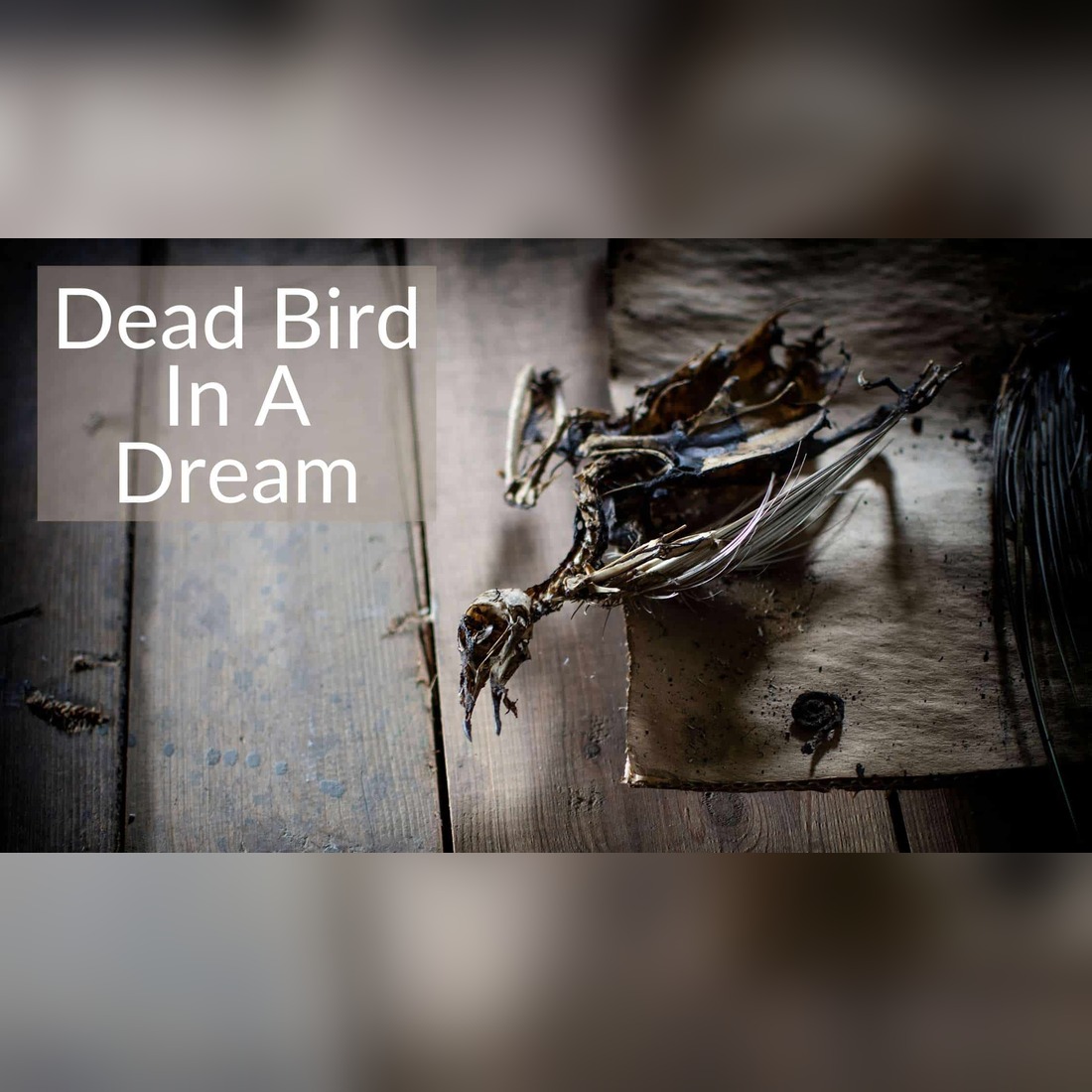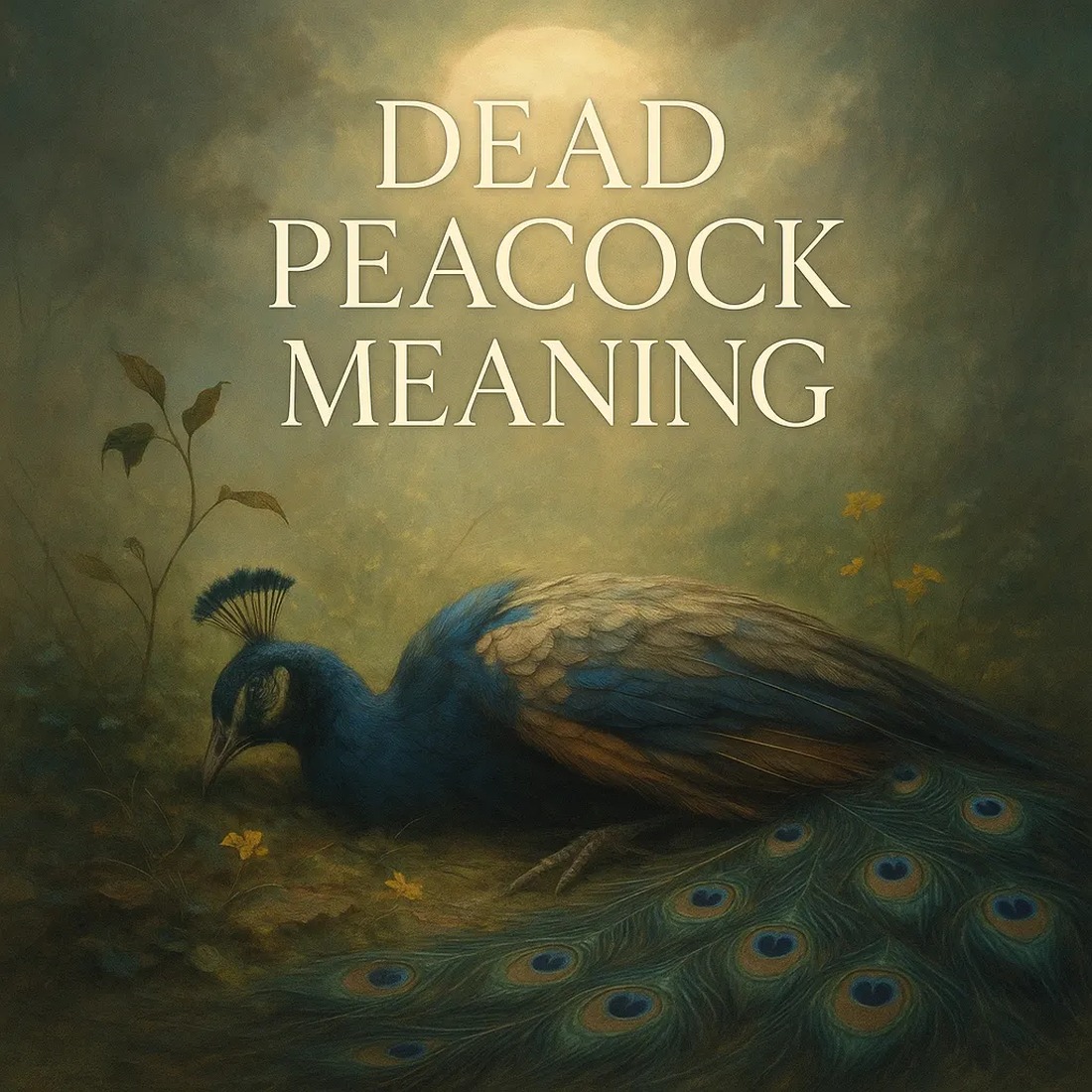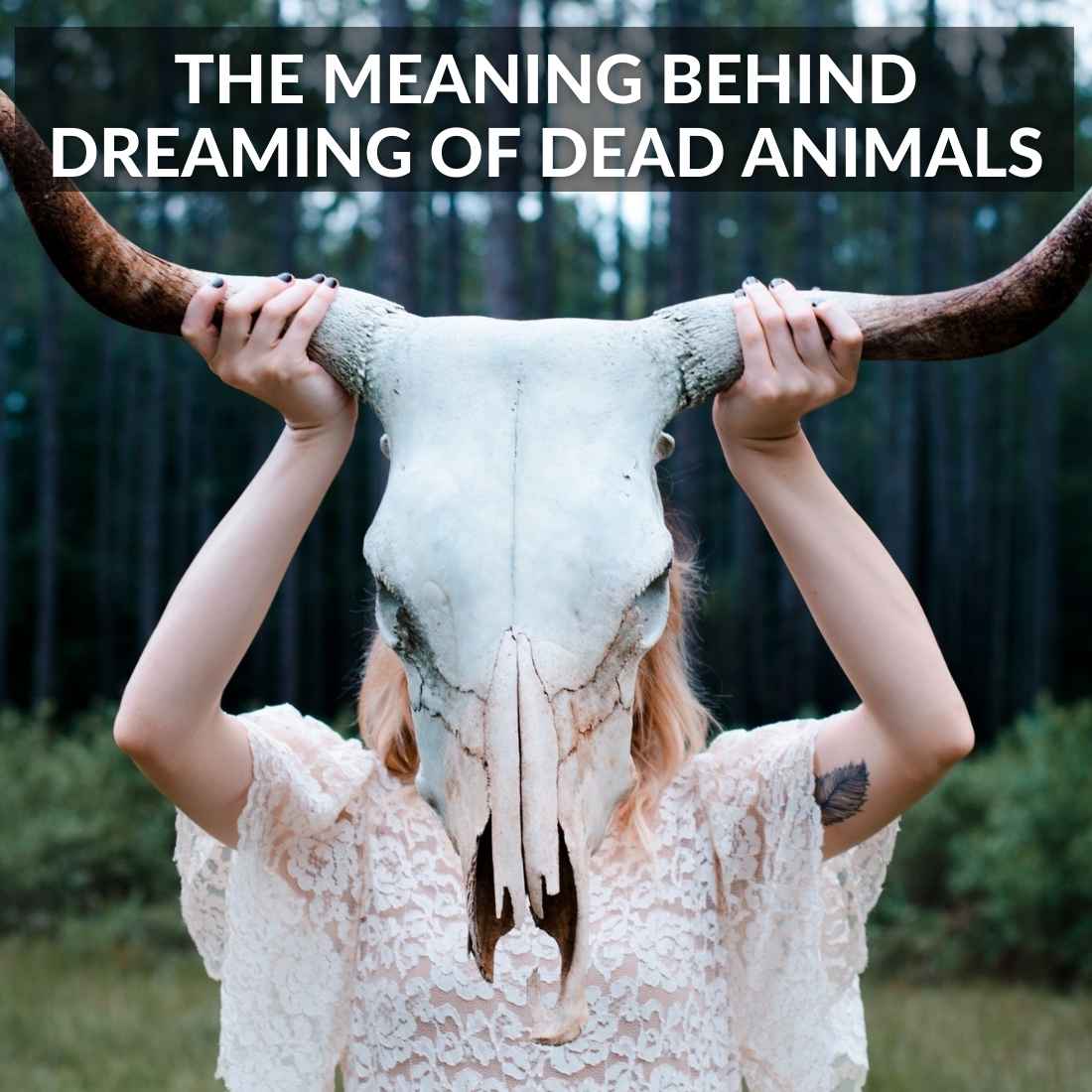
You woke up and the image wouldn’t leave. A dead animal, somewhere in the dream, and now it’s morning and you’re here. Across the five traditions I find most credible, that dream almost never means what you’re afraid it means. It reads, consistently, as an ending: something in you that ran its course. That’s not comfortable. But it’s not a prophecy either.
Key Takeaways
- Dreaming of a dead animal almost never signals a literal death. Across the traditions I find most credible, it marks an ending, a transition, or a part of yourself that has run its course.
- Carl Jung and James Hillman read the dead animal as a shadow archetype, not a threat, but a psychic energy completing its cycle.
- Han Chinese folk-religious tradition treats death imagery as ambivalent: dangerous, yes, but also ritually protective, depending on the animal and context.
- Classic Maya visionary tradition read chthonic, many-limbed creatures crossing thresholds as passage between worlds, neither good nor bad, just movement.
- Early modern European folk belief is the most cautionary framework here: a dead animal in a dream was a warning about the household’s spiritual boundary, not a prophecy of personal loss.
What Does It Mean When You Dream of a Dead Animal?
Not what you’re afraid it means. I want to say that first.
In the five traditions I’ve spent the most time with, which are Jungian depth psychology, Han Chinese folk religion, Japanese otogi-zoshi literature, Classic Maya cosmology, and early modern European vernacular belief, dreaming of a dead animal is almost never read as a prophecy of someone’s death. The consistent reading, across frameworks that share almost nothing else, is that something is ending. A habit. An identity. A way of seeing that no longer fits. Something that was alive in you, psychically speaking, and isn’t anymore.

That’s less frightening than “bad omen.” But it isn’t soft either. The traditions that recorded this dream did so because endings are real, and they wanted people to pay attention.
You are not making this up. The fact that the image stayed with you after waking is part of what makes it worth sitting with.
How Do Jungian and Western Dream Psychology Interpret Dead Animals in Dreams?
Jung’s collected works, specifically his writing on the shadow archetype and animal imagery, treat animals in dreams as instinctual energies operating below conscious reasoning. A living animal is an active drive: hunger, fear, protection, desire. A dead one is that drive completing its cycle, or being suppressed past the point of function. Jung didn’t read this as catastrophe. He read it as information.
James Hillman pushed further in The Dream and the Underworld (1979), arguing that death imagery in dreams belongs to what he called the underworld perspective: a mode of seeing oriented less toward action than toward depth. In Hillman’s reading, a dead animal is asking you to follow it downward. Not to fix anything. The underworld isn’t punishment. It’s where things go when they’ve finished their above-ground work.

I find this the most honest framework in this article. It doesn’t promise resolution. It asks what you’ve been carrying that no longer moves.
What Does Han Chinese Folk Tradition Say About Dreaming of Dead Animals?
Han Chinese folk religion doesn’t have a single unified dream dictionary, and I want to be careful not to overstate what the sources support. But Li Shizhen’s Bencao gangmu (1596) gives something specific to work with: the concept of the Five Poisons, which are the snake, scorpion, centipede, toad, and gecko. These creatures’ dangerous qualities were ritually harnessed to repel worse harms. A dead venomous animal, in this framework, isn’t simply unlucky. Its death can signal that the threat it represented has been spent, not growing.
This ambivalence runs through Han folk-religious dream reading more broadly. Death imagery is a boundary event. Something crossed a line, and the question is which direction. A dead animal appearing in a grief dream would have been read differently than one appearing during the Duanwu festival period. Context shaped the reading. The tradition is more careful than a single verdict allows.
I should say plainly: I don’t have access to a single named scholar who has systematically documented Han folk dream interpretation the way Christina Hole documented English customs. The folk record here is thinner than I’d like, and I’d rather say so than fill the gap with confidence I don’t have.
What Does Japanese Folklore Reveal About Dead Animals Appearing in Dreams?
The clearest Japanese framework comes from the Omukade legend, preserved in otogi-zoshi literature and retold in English by Yei Theodora Ozaki in Japanese Fairy Tales (1908). The Omukade, a giant centipede of Lake Biwa, is destroyed by the hero Fujiwara no Hidesato. What matters symbolically is what the centipede’s death signals: the end of a chaotic, predatory force that had been threatening the border between human settlement and wild water.
In this folk-religious frame, dreaming of a dead powerful or monstrous animal can mean exactly that. Not that something terrible is coming. That something terrible has ended. The creature’s death is the resolution, not the warning.
Frequently Asked Questions
Is dreaming of a dead animal a bad omen?
Across the five traditions covered here, Jungian psychology, Han Chinese folk religion, Japanese folklore, Classic Maya cosmology, and early modern European vernacular belief, dreaming of a dead animal is not primarily a bad omen. The consistent reading, in all five, is transition: something ending, a psychic energy completing its cycle, or a boundary being crossed. The European tradition is the most cautionary, but even there the warning is about maintenance, not personal catastrophe. Take the dream seriously. Don’t take it as prophecy.
What does it mean to dream of a dead pet specifically?
A dead pet in a dream sits in different territory than a wild animal. The personal bond is the primary fact. My reading, and I hold this as an opinion rather than certainty, is that dreaming of a dead pet usually surfaces grief that hasn’t finished its work, or a quality the pet embodied (loyalty, comfort, uncomplicated presence) that you’re currently missing. Jungian analysis would call this a grief archetype completing its processing. What I can’t do is tell you it means something specific about anyone else in your life. That isn’t what the traditions say.
Does dreaming of a dead animal mean someone close to me will die?
No tradition I’ve been able to trace and verify makes this a primary reading. Folklore does record some cultures associating dead animals with death omens, but typically in waking encounters at specific locations: doorstep, window, threshold. Not in dreams. In dream interpretation, across the sources I trust, a dead animal signals an internal transition, not an external one. The fear that it predicts someone’s death is understandable. It’s also not what the folk record supports.
What does it mean to dream of multiple dead animals?
I don’t have a confident answer here. The folk record is thin on this specific configuration, and I’ve read three different frameworks without fully trusting any of them. My best reading, drawing on Jung: multiple dead animals suggest a wider clearing, more than one instinctual pattern completing its cycle. This can feel alarming in the dream and clarifying afterward. If the animals are different species, write each one down separately. If they’re the same species multiplied, the repetition is the signal.
Why do dead animals appear in recurring dreams?
According to James Hillman’s The Dream and the Underworld (1979), recurring death imagery suggests the psyche returning to unfinished work. Something hasn’t been processed. The dream returns because the situation it represents hasn’t changed. This doesn’t mean you’re doing something wrong. It means something is waiting for your attention. The species, condition, and setting of the recurring dream often shift slightly over time, and those shifts are the data. Note what changes and what stays the same.
Does the condition of the dead animal in the dream matter, fresh versus decomposed?
Yes, and this distinction gets underreported. A freshly dead animal places the ending very close in time: whatever this represents has just stopped. A decomposed animal suggests something that’s been over for a while, perhaps something you’ve been slow to acknowledge as finished. Early modern European folk belief was particularly attentive to decay as a pollution signal; the longer the decomposition, the longer the household boundary had been compromised. In Jungian terms, decomposition means the psychic energy in question has become background noise rather than an active force.
What does it mean to dream of a dead animal coming back to life?
This one I find genuinely interesting, and the traditions are sparse on it specifically. In the Maya framework documented by Karl Taube, threshold creatures could move between worlds, which means their “death” was always more like a crossing than a finality. A dead animal returning to life may signal that the ending you expected isn’t happening on your timeline, or that what you thought was finished has more to do. I wouldn’t read this as resurrection in any literal sense. The story isn’t over yet.
Are dead animal dreams more common during grief or major life changes?
In my experience with people who have written to this site: yes. The questions increase after loss, job change, the end of a relationship, serious illness, or a move. This tracks with the Jungian reading, that the psyche processes transition through animal imagery, and death in the dream mirrors death in the life. A 2001 study by David Koulack published in Dreaming: Journal of the Association for the Study of Dreams found that stressful life events significantly increase the frequency of threatening or disturbing dream imagery. A dead animal in a grief dream isn’t a second loss. It’s the first one, still being processed.
Sources
- Li Shizhen, Bencao gangmu (1596), Han Chinese pharmacopoeia and folk-religious animal symbolism
- Yei Theodora Ozaki, Japanese Fairy Tales (1908), Omukade legend and Japanese folkloric animal symbolism
- Karl Taube, The Major Gods of Ancient Yucatan (1992), Classic Maya underworld iconography and chthonic creature symbolism
- Christina Hole, A Dictionary of British Folk Customs (1976), Early modern European vernacular animal omens
- Carl Jung, Collected Works, shadow archetype and animal symbolism in dream psychology
- James Hillman, The Dream and the Underworld (1979), Western depth-psychology framework for death imagery in dreams
- David Koulack, Dreaming: Journal of the Association for the Study of Dreams (2001), stressful life events and threatening dream imagery frequency