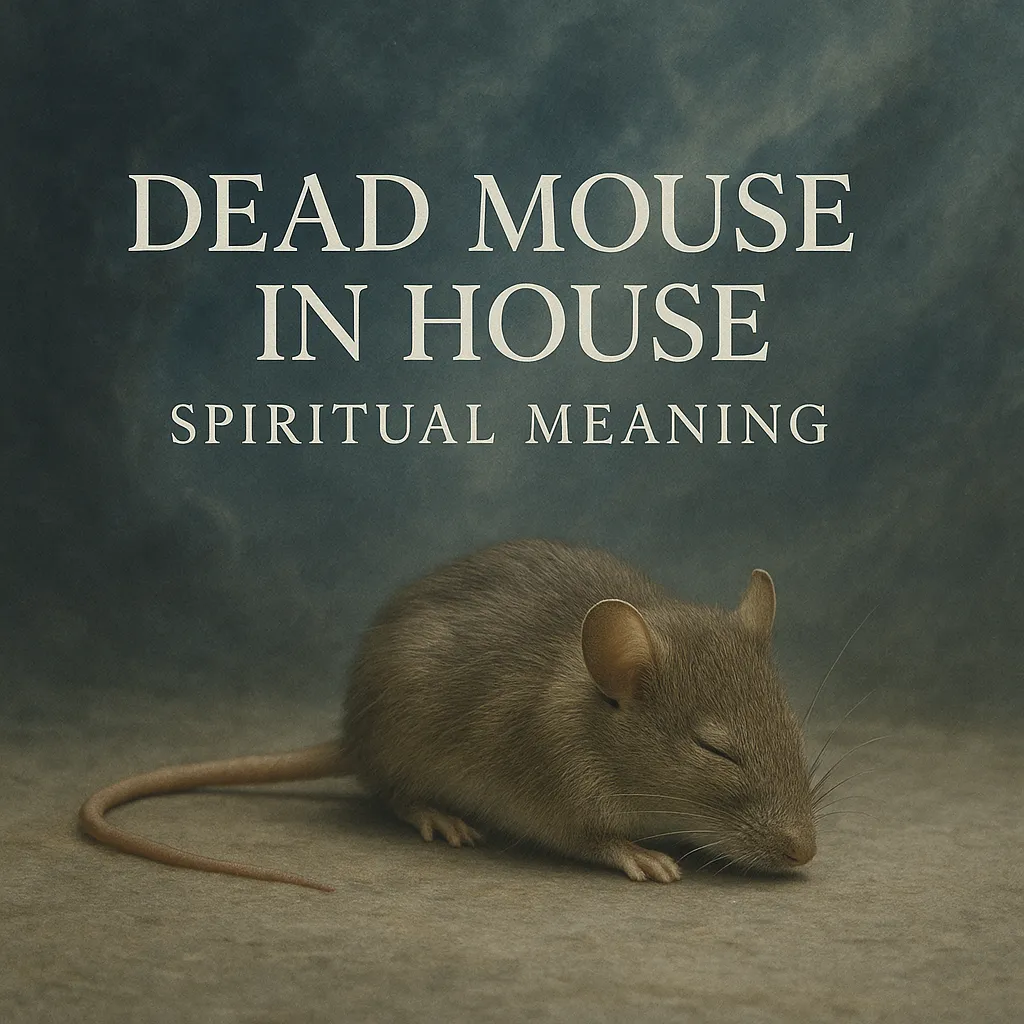
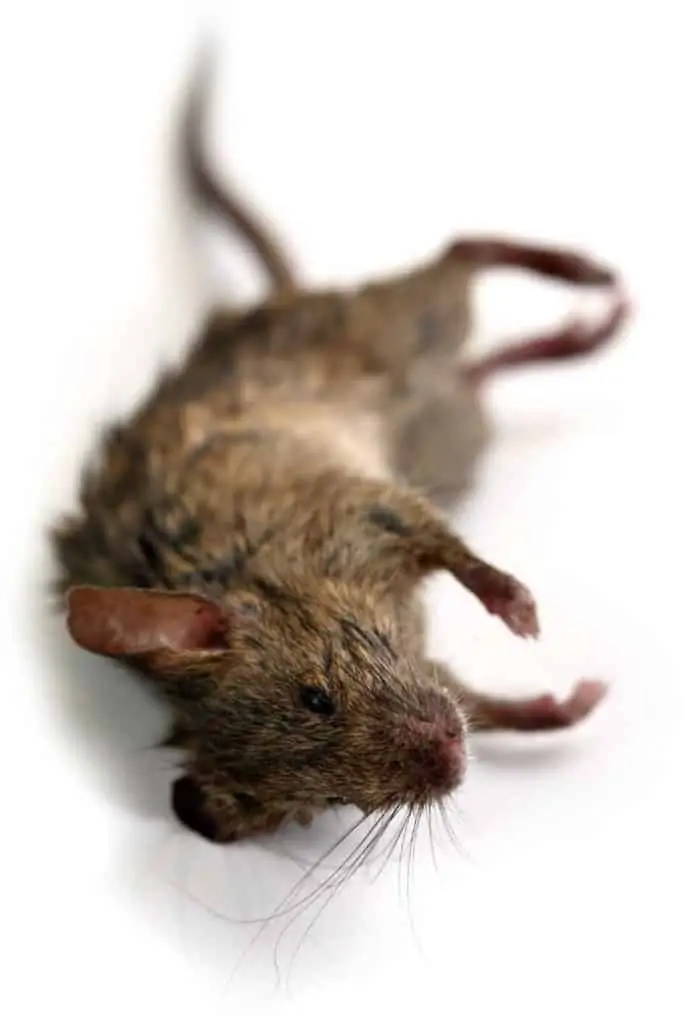
You find it by the baseboard, small and still, and something in you tightens. In East Slavic Polesian belief, Death itself walks as a mouse, so a dead one inside your walls means something unclean crossed your threshold. But whether it died near your bed or your door, whether you found it alone or with others, changes what it means for your house.
Key Takeaways
- Across East Slavic, medieval Christian, and several Siberian traditions, a dead mouse inside the home signals a breach of household protection, not a curse and not a lucky sign.
- The Polesian oral tradition is the most specific: Death could take mouse form, so a dead mouse indoors triggered purification rites, not just disposal.
- Buryat and Veps ethnography adds a real complication: a white mouse dead inside the home could mean either defeated harm or deepened misfortune. Color and context both matter.
- Location inside the home changes the weight. Front door, kitchen, and bedroom each carry different readings across these traditions.
- What most traditions actually prescribe is small, physical, and intentional: clean the space, mark the threshold, do something to acknowledge the breach. Not panic. Action.
What Does a Dead Mouse in the House Mean Spiritually?
The short answer is this: a dead mouse inside your home is read, in most traditions that have thought carefully about it, as a signal that something has entered your household’s space that shouldn’t have. A breach, not a curse.
There are exceptions, and I’ll get to them. But if you’ve already found an article calling this a terrible omen, take a breath. The traditions that treat it as pure catastrophe are a minority. Most treat it as a call to pay attention and do something about your household’s condition. Not to despair about what’s coming.
My grandmother Theresa kept a leather notebook of animal lore from the Bavarian Forest, and mice appear in it twice, both times as creatures of the underside of things: the cellar, the wall, the place where what’s stored can go wrong. She didn’t dramatize the entries. She just noted them. That posture, watchful rather than panicked, is probably the right one here.
What Do Cross-Cultural Traditions Say About Mice as Household Omens?
Mice are boundary animals. That’s the pattern that holds across the traditions that have paid attention to them. They live inside walls. They come out at night. They eat stored food from the inside, which in folk logic makes them creatures that operate at the edge between the safe domestic world and whatever is underneath it.
The 2020 semiotic analysis in the RUDN Journal of Semiotics and Semantics comparing Slavic and Han Chinese mouse symbolism found this boundary-crossing role consistent across both traditions, even where the meaning flips. In Han Chinese folk religion, mice can bring prosperity: they gnaw into stores, yes, but stores mean abundance. In Slavic folk religion, they gnaw into what should be sealed, which means breach. Same animal. Different reading of the same behavior.
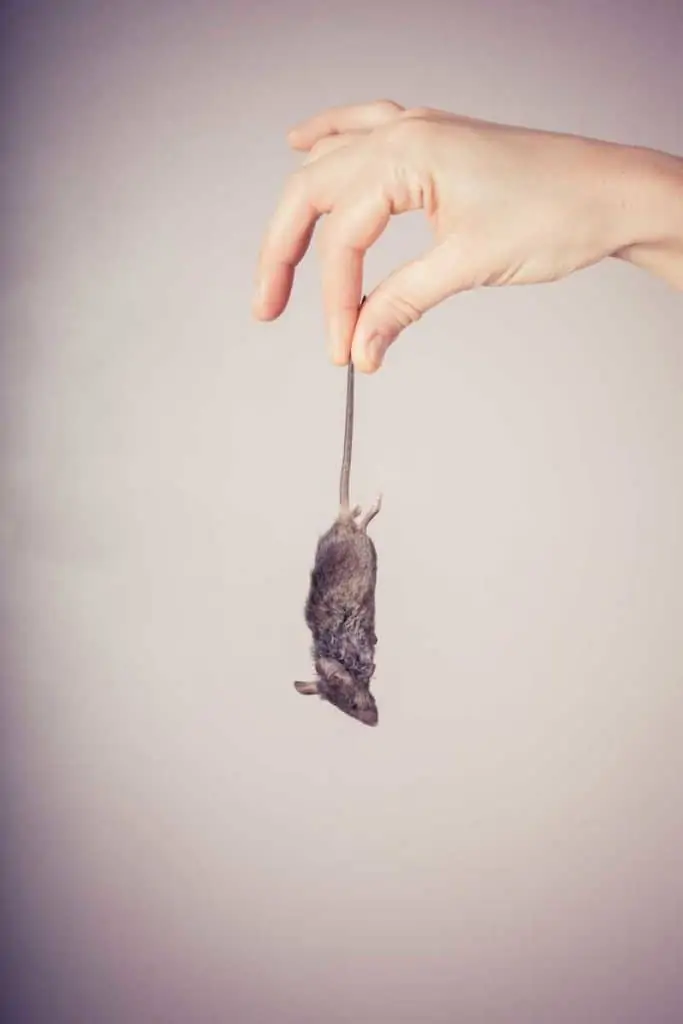
But when the mouse is dead inside the house, the positive readings mostly fall away. A living mouse in a Han Chinese household can be a good sign; a dead one suggests that whatever abundance the mouse represented has been cut off. And in the Slavic tradition, where mice were already linked to death and unclean spirits, a dead one is a stronger version of the same signal.
What Does East Slavic Folklore Say About a Dead Mouse Indoors?
This is the tradition with the most specific material, and it’s worth sitting with. Ethnographic research published in Vestnik YarGU, Seriya Gumanitarnye nauki (2024), covering Russian, Ukrainian, and Belarusian folk belief, documents mice as chthonic beings: creatures of the underworld, or at least the underside of things, capable of carrying illness, misfortune, and the presence of “unclean” forces into a home.
The Polesian oral tradition goes further. Death itself could take mouse form. This is not metaphor in the way we use the word. It’s literal folk theology. A mouse in your house might be Death visiting. A dead mouse in your house means something crossed the threshold and didn’t leave cleanly.
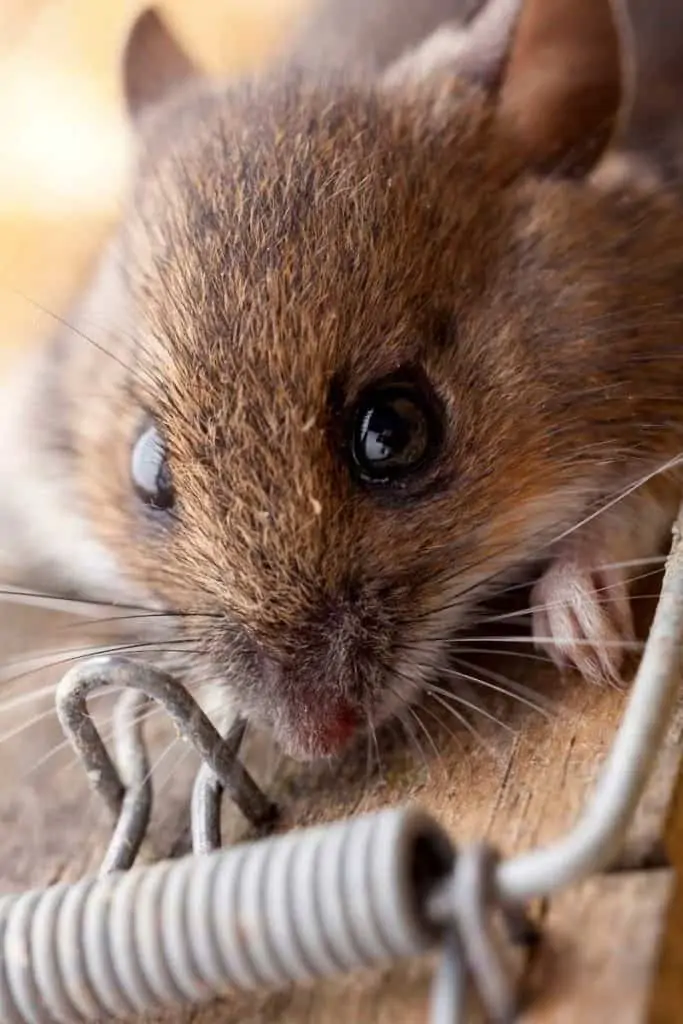
What did people do? Not passive dread. They prayed. They cleaned the house with intention. They performed small protective acts to close the breach. The response was practical and active.
I find this more useful than the generic bad-omen framing you’ll find most places. It’s not that doom is coming. It’s that something passed through, and you have work to do.
What Do Buryat and Veps Traditions Say About a Dead Mouse in the Home?
Here the reading gets complicated, and I think that complexity is honest. A comparative study published in Vestnik NSU. History and Philology (2024), drawing on field ethnography from Vinokurova (2007), looked at how Buryat communities in Siberia and Veps communities in northwest Russia read mouse appearances in domestic spaces.
The house mouse in both traditions is associated with demonological forces, consistent with the Slavic pattern. But the study documents a split: a white house mouse carries connotations of healing and happiness. And a dead mouse inside the home could be read in two opposite directions, either as intensified misfortune or as evidence that a harmful force has been defeated.
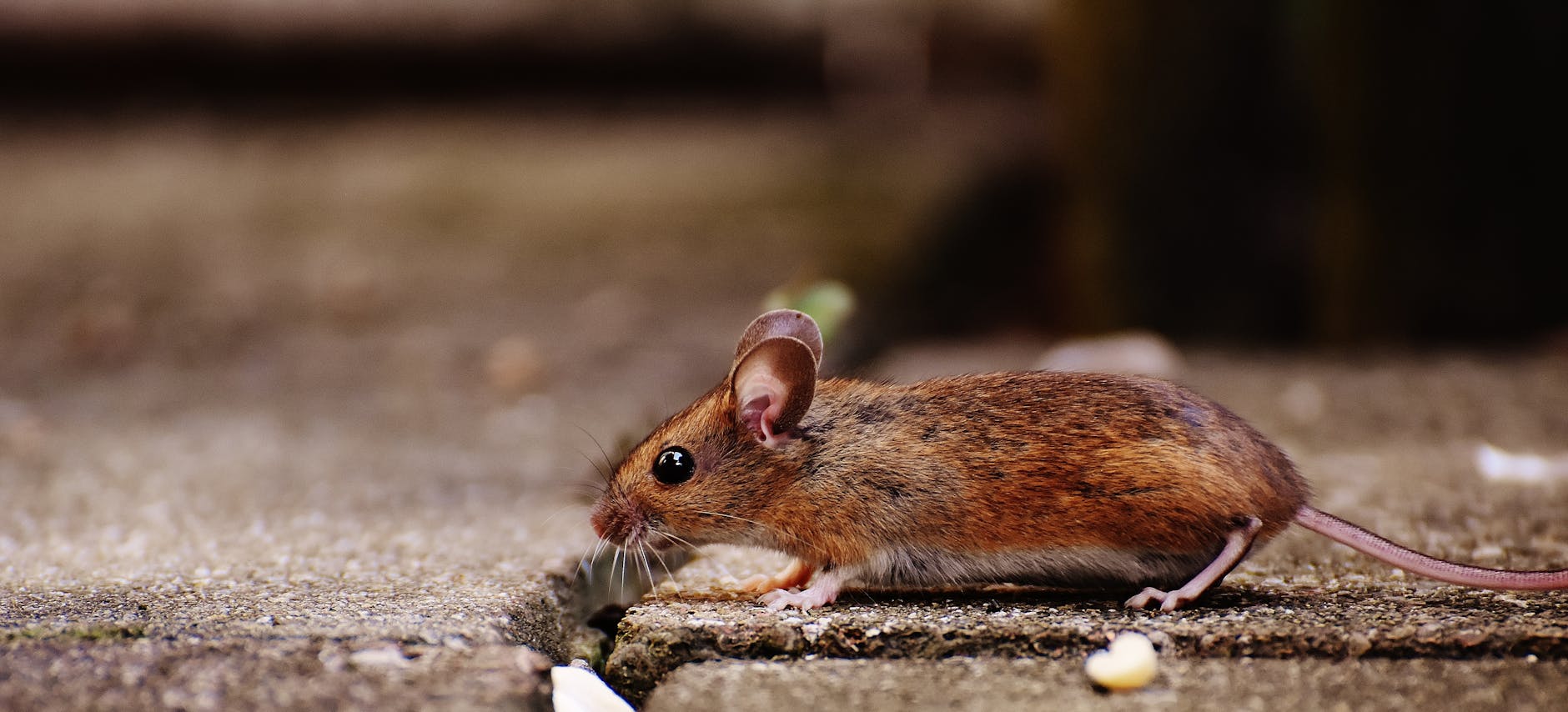
Which reading applies depends on context. Was the household under stress before the mouse appeared? Did anything else shift around the same time? I don’t have a clean answer for how to tell the difference, and I’m not sure the folk record does either. What I’d say is this: if your household is in a hard season, a dead mouse reads as a warning. If things have been stable, it may be more neutral than it feels.
What Does Medieval Christian Tradition Say About a Mouse Dying in the House?
The Rochester Bestiary (c.1230), analyzed by Kent History & Archaeology (2024), classified the mouse as “unclean” under the Levitical framework of the Hebrew Bible. Leviticus 11:29 names the mouse explicitly among the creatures that defile. Medieval Christian commentary built on this: the mouse’s habit of gnawing in the dark, eating through what should be sealed, became an allegory for sin working secretly inside the soul and the household.
A dead mouse found inside the home, in this framework, signals that impurity has already entered. The mouse reached what it shouldn’t have. The response is examination and cleansing, not despair. Same practical orientation as the Slavic tradition, just with different theology underneath it.
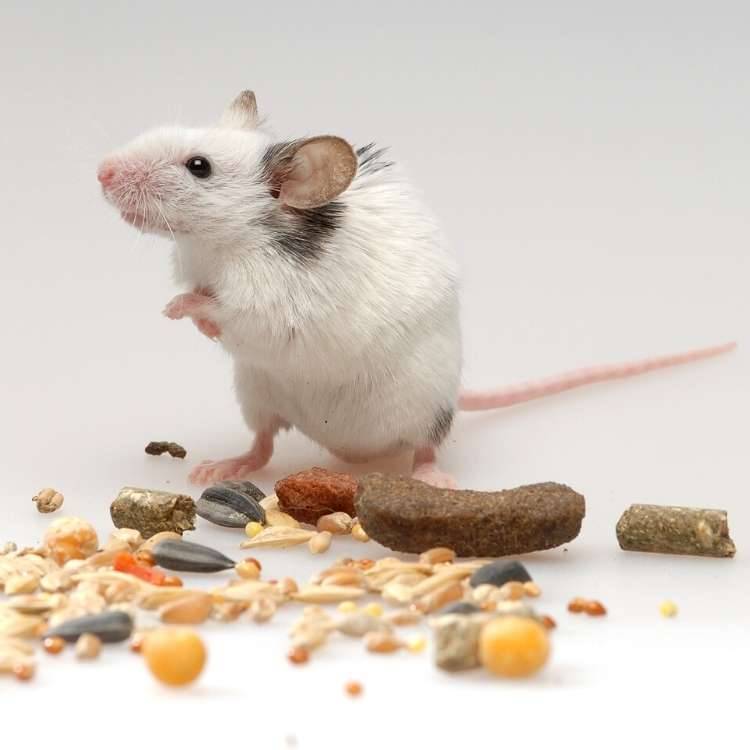
What strikes me about the bestiary material is how consistent the underlying logic is across traditions that had no contact with each other. Mouse inside means breach. Dead mouse inside means the breach happened and needs addressing. The unease you feel is one that people across a very long stretch of history have also felt.
What Do Native American Traditions Say About a Dead Mouse Near the Home?
I want to be careful here. These traditions are not one thing, and I am not in a position to speak for any of them. What I can do is note what the compiled oral traditions document, with that caveat clearly in place.
According to the Native Languages of the Americas archive, Blackfoot oral tradition regards mice as “brothers of mankind,” animals that once helped humans gain their place in the world. Hopi narratives feature warrior mice as heroes and protectors. In both frameworks, a mouse in or near your home could be a protective presence.
Tlingit tradition reads them differently. There, mice carry associations with witchcraft and hostile magic. A dead mouse at the threshold, in Tlingit understanding, could mean hostile forces have been active near your household.
What Should You Do After Finding a Dead Mouse in Your House?
- Clean the space where you found it. Sweep or mop. Open windows if you can. The East Slavic tradition treats physical cleaning as part of the spiritual act. You are doing both things at once.
- Mark the threshold. If the mouse was near a door, do something small at that entry point. Salt across the doorstep appears in multiple European folk traditions as a way to close an entry point. You don’t have to believe in the mechanism for the act to feel useful. Ritual is often useful before we understand why.
- Say something out loud. This feels strange to write, but it appears in several traditions: acknowledge the animal. Thank it if that resonates, or simply note aloud that the space is clean and closed. You are the only one who needs to hear it.
Frequently Asked Questions
Is finding a dead mouse in the house good luck or bad luck?
Neither frame quite fits, but it’s not good luck. The consistent reading across East Slavic folklore, medieval Christian tradition, and several Siberian ethnographic records is that a dead mouse inside the home signals a breach of household protection. Not a curse, a warning. The Han Chinese tradition is one of the few where a living mouse can carry positive meaning, but even there, a dead one suggests whatever abundance the mouse represented has been cut off. The appropriate response is cleansing and closing the space.
Does a dead mouse in the house mean someone will get sick?
Practically, it’s worth knowing that mice can carry hantavirus, so proper disposal with gloves matters regardless. Symbolically, the East Slavic tradition does link the house mouse to illness and unclean forces, so finding one dead indoors was historically a prompt to cleanse the household. I wouldn’t read it as a prediction that a specific person will fall ill. I’d read it as a reason to clean the space thoroughly and pay attention to the general health of the household over the next few weeks.
What does it mean if my cat brought a dead mouse inside?
Cats bring prey inside as a gift or as territorial display; that’s documented animal behavior, not spiritual action. Whether it still registers as an omen depends on which tradition you’re applying. The East Slavic and medieval Christian frameworks don’t make an exception for how the mouse arrived: the breach is the breach. The Tlingit tradition focuses on the presence of the mouse near the threshold, not the cause of death. My read: treat it practically the same way. Remove it with care, clean the area, and note whether this is a single event or a pattern.
Is a dead mouse near the front door a different omen than one found in the bedroom?
According to the cross-cultural logic in the ethnographic sources covered here, yes. The threshold is the most charged zone; it’s where protective boundaries are meant to hold, and a dead mouse there is the most direct signal that something crossed where it shouldn’t have. The bedroom carries a more personal reading. Traditions that associate mice with illness treat a dead one in the sleeping space as a specific prompt for that room’s cleansing. Location matters in folk belief because space is not uniform.
What does it mean to find multiple dead mice in the house?
A pattern is harder to set aside than a single event, and most folk traditions treat it that way. The East Slavic material documented in Vestnik YarGU (2024) notes that repeated mouse activity in a home escalated the protective response expected. Multiple dead mice found over days or weeks would have prompted more serious household purification, including elaborate rituals beyond a single sweep. And practically: check whether there are entries for mice that need sealing. Both readings matter here, and neither cancels the other.
Should I be spiritually concerned if I find a dead mouse with no obvious cause of death?
I don’t have a confident answer here. The folk record doesn’t consistently distinguish between a mouse that died by trap, by cat, by poison, or by unknown causes: the concern is the body inside the home, not the mechanism of death. What I’d say is this: if there’s no trap that caught it and no obvious explanation, it’s worth checking whether mice have access to your home through a gap or crack. That’s practical. The symbolic reading doesn’t change based on cause of death in any tradition I’ve encountered.
What is the biblical meaning of a dead mouse in the house?
The mouse is classified as unclean in Leviticus 11:29, and the Rochester Bestiary (c.1230) built on this by reading the mouse’s hidden gnawing as an allegory for secret sin corrupting the household from within. A dead mouse found inside the home signals, in this framework, that impurity has already entered. The medieval response was confession and physical cleaning of the space. The underlying logic is not unlike the East Slavic one: the house has been breached, and the breach requires a response.
How do I cleanse my home spiritually after finding a dead mouse?
Dispose of the body safely first: gloves, sealed bag. Then sweep or mop the space where you found it, open windows, and if the mouse was near a door, put salt across the threshold. That last step appears in multiple European folk traditions as a way to close an entry point against further intrusion. Say something out loud if that feels right: acknowledge the space is clean and closed. None of this needs to be elaborate. Small acts, done with attention, are what the traditions actually recommend.
Sources
- Vestnik YarGU, Seriya Gumanitarnye nauki (2024), East Slavic mouse symbolism and chthonic associations
- Vestnik NSU. History and Philology (2024), Buryat and Veps comparative ethnography, citing Vinokurova (2007)
- Kent History & Archaeology (2024), Rochester Bestiary (c.1230) and medieval Christian uncleanness classification
- RUDN Journal of Semiotics and Semantics (2020), Semiotic comparison of Slavic and Han Chinese mouse symbolism
- Native Languages of the Americas, Compiled Blackfoot, Hopi, and Tlingit oral traditions
- Icy Sedgwick, Mouse in Folklore
- Rats Prevention, Omens and Superstitions About Mice
- MyMythos, Mouse Archetype