In medieval European hunting tradition, a dead pheasant was left at the feet of the person who broke a sworn oath. That bird was no accident; it was a public record of a broken word. Finding one now means you need to look at what promise, claim, or role in your life has stopped holding weight.
Key Takeaways
- A dead pheasant most consistently points to a broken or completed message: a communication, vow, or ambition that has run its natural course.
- In Japanese Shinto, as documented in the Kojiki (712), the pheasant is a kami messenger. Its death severs a channel of communication, often tied to speech given at the wrong moment.
- Han Chinese imperial culture read the pheasant as the bird of civil rank earned through virtue. A dead one asks whether the rank still matches the person.
- The 1454 Burgundian Vow of the Pheasant made the bird a ritual object for binding oaths, the point of no return between intention and sworn action.
- This is not a curse. It is a prompt to consciously renew or release whatever has been silenced, spent, or misaligned.
What Does It Mean When You Find a Dead Pheasant?
The short answer: it is not a death omen for you or anyone you love.
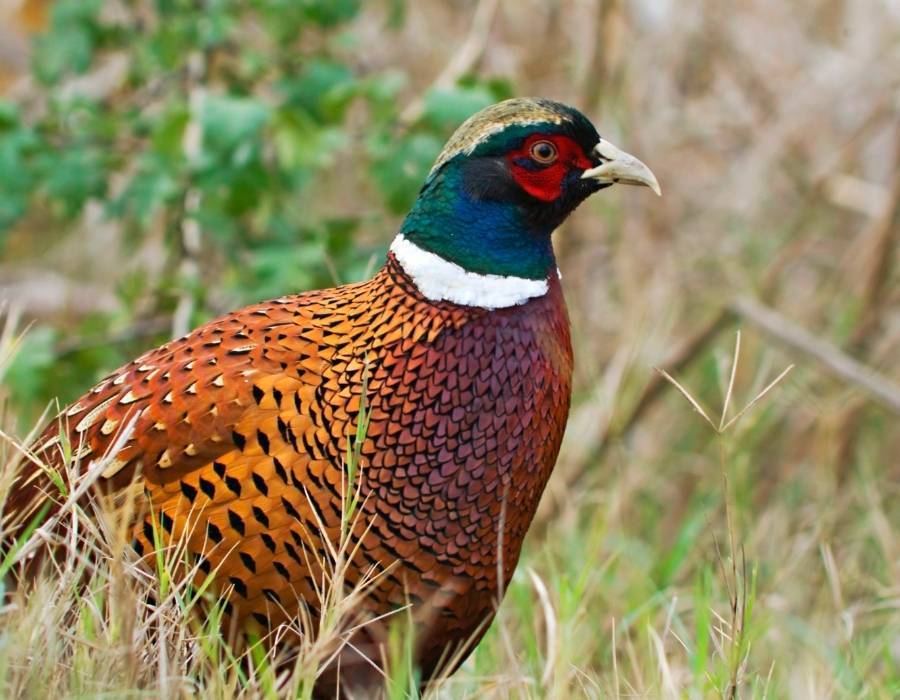
The longer answer starts with what the pheasant actually is, symbolically, in the traditions that have paid it the most sustained attention. Japanese Shinto, Han Chinese court culture, medieval Burgundian ceremony, all three read this bird as a carrier. A messenger. Not a songbird, not a raptor, not a crow. A dedicated go-between.
When that carrier falls dead, the message it was carrying does not arrive. The channel closes.
I find this reading more honest than the “endings and new beginnings” framing you’ll see recycled everywhere. The pheasant is specifically a carrier. That is narrower, more specific, and more useful to sit with than a vague sense that something is over. The question worth asking is not “is this bad?” but “what communication in my life has gone quiet lately?”
For more on what the pheasant means when you encounter it alive, my fuller piece on pheasant symbolism covers the ground in detail.
Is Finding a Dead Pheasant a Bad Omen?
No. Not in the catastrophic sense people fear.
If you read somewhere that this means someone close to you is about to die, that reading comes from a narrow slice of European folk belief that applied death symbolism to all dead birds without much attention to species. The pheasant has a more specific history than that.
The Folklore Thursday archive on birds and death notes that in most pre-modern European folk belief, a dead bird at a threshold marked transition, not doom. The soul of a message. Not the soul of a person. The distinction matters, and it is the one worth holding.
You are not making this up when you feel the weight of the encounter. The fact that you noticed it is already part of the answer.
What Does Japanese Shinto Tradition Say About a Fallen Pheasant?
This is where it gets genuinely strange, and worth knowing slowly.
In early Japanese myth, the pheasant is far more than a bird. According to Donald L. Philippi’s 1969 translation of the Kojiki (University of Tokyo Press), pheasants appear in mythic episodes as emissaries sent between the human world and the realm of the kami, dispatched by rulers to carry word to the gods and return with answers. William Aston’s 1896 translation of the Nihon Shoki documents similar court episodes where the pheasant serves as herald and intermediary.
So: not a general bird of omen. A dedicated carrier. When it falls, the message stops.
The Japanese proverb that crystallized this is kiji mo nakazuba utaremaiji: “the pheasant would not be shot if it did not cry.” A warning about exposed speech. The bird gave itself away by calling at the wrong moment. What it points to, read as a folk warning, is the cost of speaking too soon, too loudly, or without reading the room, and the silence that follows when the messenger is gone.
I have read three different explanations for why pheasants in particular carry this weight across folk traditions, and this one is the one I trust most. It is specific, it is documented, and it maps onto what people actually feel when they find this bird.
What Does Chinese Imperial Symbolism Say About a Dead Pheasant?
In Han Chinese court culture, the ring-necked pheasant carried a very particular meaning: it was the bird of civil rank achieved through learning and moral conduct, not through force.
Art historian Jessica Rawson, in Chinese Ornament: The Lotus and the Pheasant (British Museum Publications, 1984), traces pheasant motifs on Zhou and Han ritual bronzes and in early poetic texts, where the bird’s call and plumage accompany scenes of orderly governance and proper ritual. In Ming and Qing dynasty court dress, the mandarin square, the embroidered badge on an official’s robe, assigned a pheasant to a fifth-rank civil official. Not the general who fought his way up. The scholar who earned his position through virtue and study.
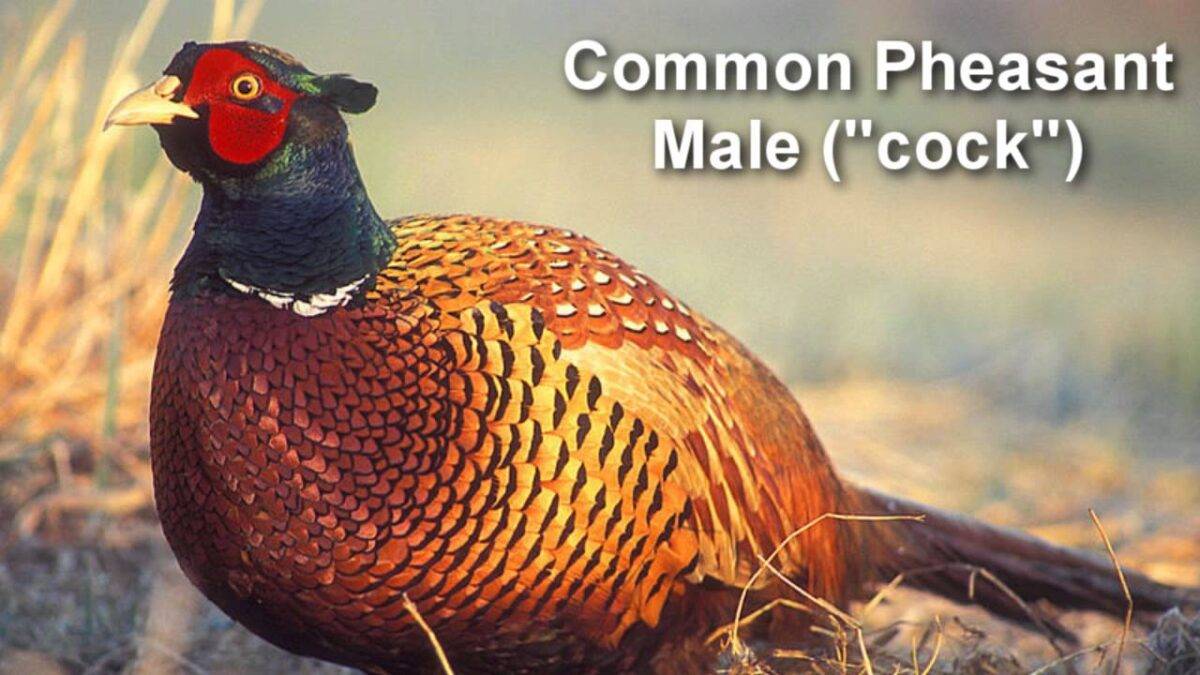
The bird stood for rank that was deserved.
A dead pheasant, read through this frame, points toward the inverse: a public role or reputation maintained by appearance rather than genuine substance. I read this as a pointed question, whose expectations are you performing for, and how long has that performance felt hollow?, rather than a punishment being announced.
What Was the Vow of the Pheasant and Why Does It Matter?
On February 17, 1454, at a banquet in Lille, Duke Philip the Good of Burgundy had a roasted pheasant carried into the hall wearing a collar of gold and precious stones. His nobles laid their hands on the bird and swore vows to go on crusade against the Ottoman Empire, which had just taken Constantinople.
The crusade never happened. But the ceremony is documented in detail by Richard Vaughan in Philip the Good: The Apogee of Burgundy (1970) and by Malcolm Vale in The Princely Court: Medieval Courts and Culture in North-West Europe (2001). Both historians note the strangeness of the object: the vow sworn not over a relic, not over a Bible, but over a dead bird, dressed up and carried in like a king. The pheasant’s death was the point. A killed thing cannot be recalled. The oath sworn over it carries the same quality: spoken and irreversible.
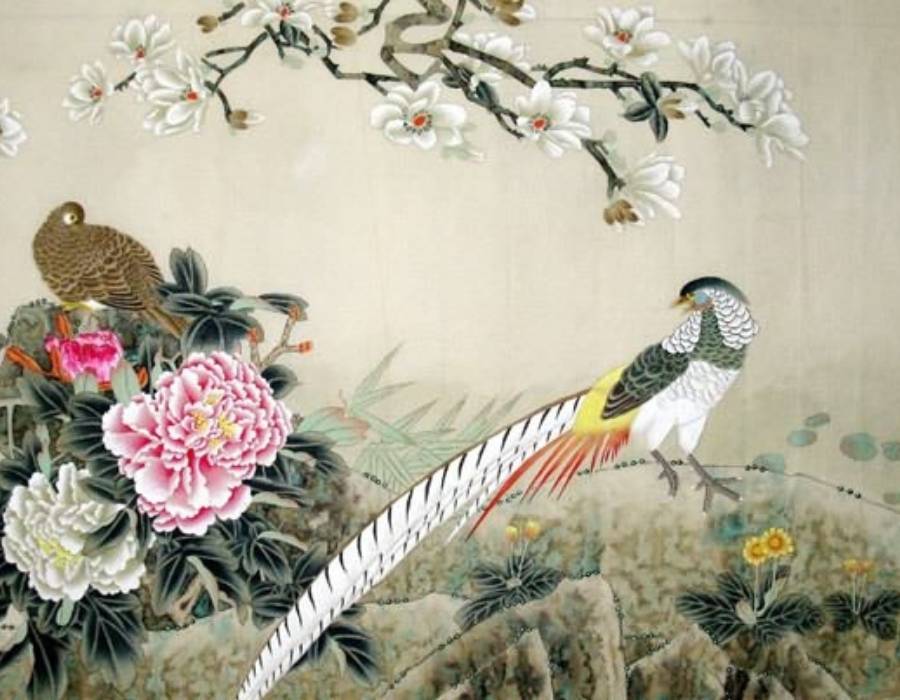
This is the third layer of the dead pheasant’s meaning, and the most specific one: the passage from intention to binding commitment. The moment when “I’ve been meaning to” becomes “I swore I would.” If you found a dead pheasant in a season when something in your life is asking you to stop intending and start acting, this is the tradition that names it most directly.
Does the Location of a Dead Pheasant Change Its Meaning?
Location matters. Not because different places have different spirits watching them, but because the physical context tells you something about which part of your life the broken message belongs to.
In a road or open field: The pheasant was moving through public space and stopped. I read this as the exhaustion of a public ambition, something you have been working toward in your career or reputation, a visible goal, reaching a natural stopping point. Not a failure. A completion.
On a doorstep or threshold: A message stopped at your door is directed at your household, your close relationships, the commitments you carry across that threshold every day. The Spiritual Centre’s overview of pheasant symbolism notes the threshold as a particularly charged location in folk belief. Something in your domestic life has been waiting to be named.
In a garden: The garden is personal, cultivated, enclosed. A dead pheasant here points toward a creative or personal cycle closing, a project you have tended, a habit or relationship you have grown, reaching the end of one form before it takes the next.
None of these readings require supernatural belief to be useful. They are prompts for honest attention. That is all they have ever been.
Frequently Asked Questions
Is a dead pheasant a sign of death for someone I know?
No, and I want to be direct about this. The folk traditions that assigned death meanings to dead birds were working with ravens, owls, crows, birds with a long-standing cultural role as death messengers. The pheasant’s documented role is as a carrier of messages between realms, not as an omen of human mortality. According to A-Z Animals’ overview of dead bird symbolism, species context matters significantly in folk readings. A dead pheasant points to a broken or completed message. That is a different thing entirely.
Does the condition of the bird change the meaning?
I think it does, though the folk record on this specific question is thin. An intact bird suggests a message that completed its arc and was simply released, a natural ending. A damaged or clearly injured bird suggests something interrupted: a communication cut off before it could arrive, a commitment broken by outside force rather than natural conclusion. If your bird was badly damaged, the reading shifts toward something in your life that was stopped mid-sentence rather than finished. What was being said that didn’t get to land?
What does it mean if a pheasant dies on my doorstep specifically?
The doorstep is threshold territory in nearly every folk tradition I have read, from Appalachian Mountain Magic to pre-modern German rural belief. A message stopped at your door is directed at your household, your close relationships, the private life you carry across that threshold. It is asking about the commitments inside your home, conversations not yet had, vows quietly abandoned. You are not in danger. But you are being asked to pay attention to something closer than your career or your public life.
Can a dead pheasant appear as a message from a deceased loved one?
I don’t believe in literal messages from the dead, and I won’t tell you otherwise. What I do believe, and have thought about carefully since losing someone I loved, is that the mind reaches for animal images when it is processing grief. If a dead pheasant appeared near the time of a loss, your instinct to connect the two is a human instinct, not a superstitious one. The pheasant in Japanese Shinto specifically carries the role of messenger between living and sacred realms. Whether you read that as literal or as a psychological truth about how grief works, the reading holds.
What does it mean if I keep finding dead pheasants repeatedly?
There is a practical layer worth naming first. In the UK and parts of rural North America, pheasants are released in very high numbers for sport shooting, and their mortality rate is steep. A 2016 report from the Game & Wildlife Conservation Trust found that only about half of released pheasants survive their first year. So repeated encounters may be genuinely ordinary in your area. But if the repetition feels significant, if it keeps happening in personal spaces, near your home, in the same week, I would ask: what message keeps not getting through? What commitment keeps getting made and then abandoned?
Is there a difference in meaning between a male and female pheasant found dead?
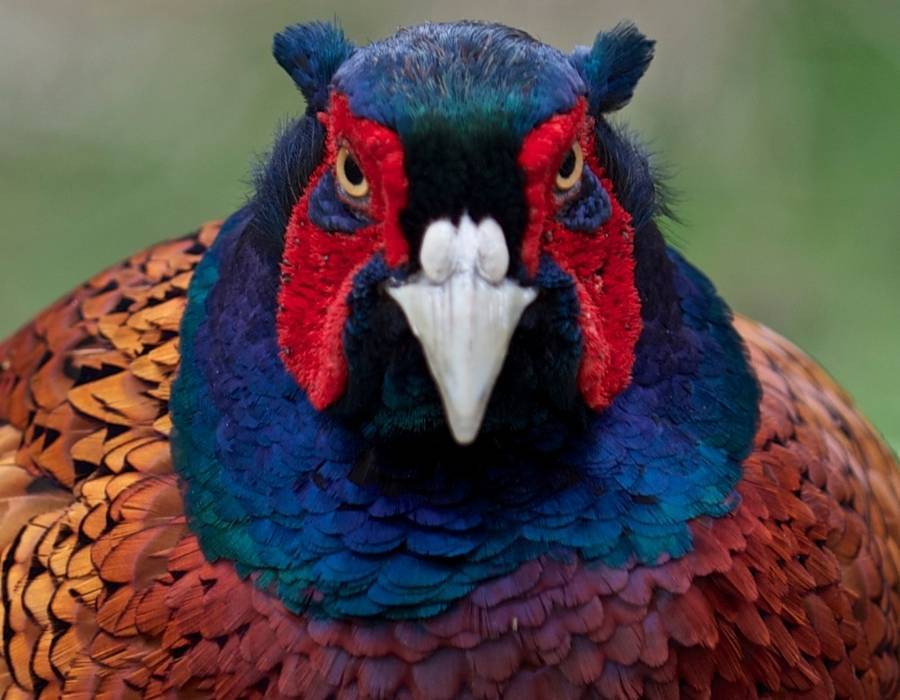
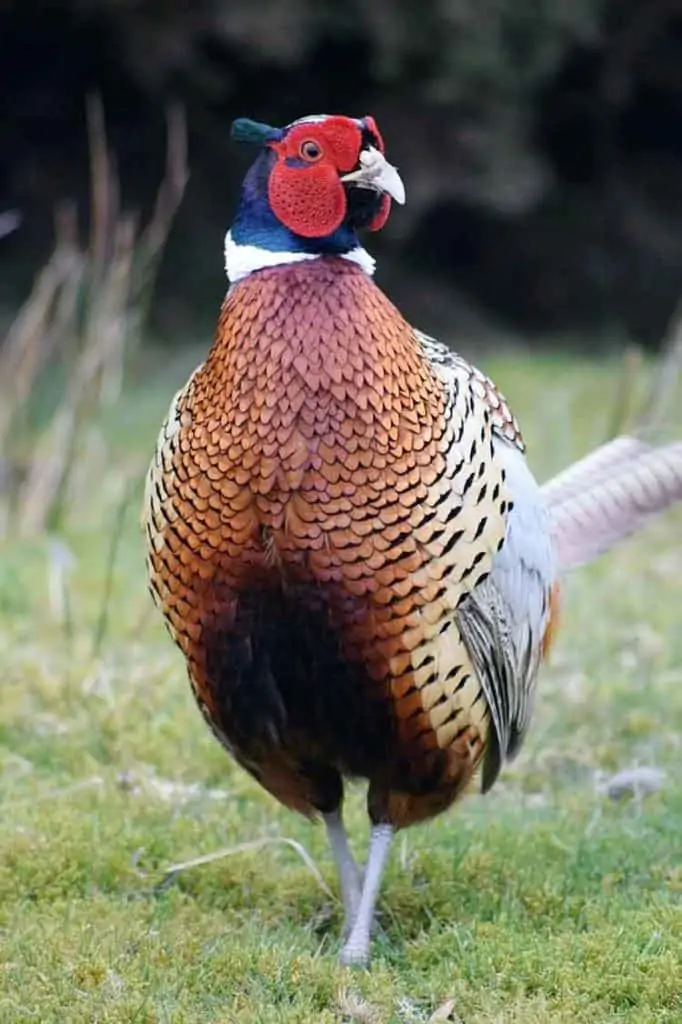
Honestly, I don’t have a confident answer here. The folk record on this specific distinction is very thin, and the academic sources I trust, Philippi, Rawson, Vaughan, don’t address sex-based differences in pheasant symbolism. The male ring-necked pheasant is dramatically more visible, with his copper and green plumage, and the Chinese mandarin-square tradition works specifically with that coloring as a symbol of public rank. A female bird, quieter, less ornamental, might point more toward private or domestic messages. But I’m reading the logic of the symbolism there, not a documented tradition.
Should I be worried if my dog or cat brought a dead pheasant to me?
No. Your dog or cat is doing exactly what dogs and cats do, especially in rural and semi-rural areas with high pheasant populations. The animal’s behavior is predator behavior, not a spiritual act. That said, the encounter still landed on your threshold, so the question of what it means in your life doesn’t entirely disappear. Your pet delivered the encounter. The encounter still asks its question. You can hold both truths, it was the dog, and it still caught your attention, without forcing them to contradict each other.
How is a dead pheasant different symbolically from other dead birds?
Most dead bird symbolism is general: endings, transitions, the soul taking flight. The pheasant is specific in a way most birds aren’t. It carries three distinct documented roles across three separate traditions: divine messenger in Shinto, civil virtue and rank in Han Chinese court culture, and oath-binding in Burgundian ceremony. The pheasant’s symbolism as a living bird centers on abundance and good fortune; its death sharpens that into a pointed question about what communication, status, or commitment in your life has run its course. That specificity is why the generic dead-bird article won’t quite give you what you’re looking for.
Sources
- The Spiritual Centre, Pheasant Symbolism
- A-Z Animals, Meaning and Symbolism of Seeing a Dead Bird
- Spirit Animals, Pheasant Symbolism
- Folklore Thursday, Death Takes Wing: Birds, Folklore, and Death
- MyMythos, Pheasant Archetype
- Funeral.com, Bird Meanings Across Cultures
- Donald L. Philippi, Kojiki (University of Tokyo Press, 1969)
- William Aston, Nihongi: Chronicles of Japan (1896)
- Jessica Rawson, Chinese Ornament: The Lotus and the Pheasant (British Museum Publications, 1984)
- Richard Vaughan, Philip the Good: The Apogee of Burgundy (1970)
- Malcolm Vale, The Princely Court: Medieval Courts and Culture in North-West Europe (2001)