In medieval Europe, a rooster nailed above a courthouse door reminded judges that truth, like dawn’s call, comes whether you want it or not. That detail reveals honesty wasn’t about virtue alone, it was something you can’t stop or fake. Whether a rooster means the same thing in your yard or someone else’s splits the old readings clean.
Key Takeaways
- In Anishinaabe tradition, honesty (gwayakwaadiziwin) is one of the Seven Grandfather Teachings, represented by the Sabe or the raven, depending on the community and the storytelling context.
- The rooster appears as an honesty symbol in two unrelated traditions: Han Chinese folk religion and Portuguese Catholic legend, for different but overlapping reasons.
- In medieval European heraldry, the dog signaled oath-keeping and reliability. Honesty, in that context, meant keeping your word, not just telling the truth.
- Non-animal honesty symbols (the open palm, daffodil, Vishuddha throat chakra, open padlock, magnifying glass) each encode a different angle on what transparency looks like.
- Across traditions, the common thread is that honesty is active and embodied, not a passive quality you either have or don’t.
What Are the Main Symbols for Honesty Across Cultures?
The rooster, the dog, and the Sabe. Those are the three animals that traditions actually chose for this, and I want to be specific about which traditions, because “across cultures” is the phrase that makes these articles useless.
The Sabe comes from Anishinaabe oral teaching. Named figure, named teaching, named word. The rooster shows up on two continents for different reasons: Han Chinese folk religion and Portuguese Catholic legend. The dog shows up in European coats of arms, where fidelity and honesty were treated as the same virtue because, in medieval social contracts, they basically were.

Beyond animals: the open palm, the daffodil, the Vishuddha chakra from yogic tradition, the open padlock. I’ll work through all of them. But I want to start with the animals because they carry the most specific cultural weight, and because a roasted chicken crowing in a Portuguese courtroom is genuinely one of the stranger things I’ve encountered researching this site.
What Does the Anishinaabe Tradition Say About Honesty as a Spiritual Teaching?
According to the Seven Grandfather Teachings as documented by Anishinaabe communities and the Ontario Legislative Assembly, gwayakwaadiziwin, honesty, is one of seven core teachings that together describe how to live well. The word is glossed as “to live correctly and with virtue.” It is not a passive trait.
What strikes me about gwayakwaadiziwin is that it includes honesty with yourself. The teaching is not primarily about not lying to others. It’s about not pretending to be something you’re not, which is a harder thing to ask of a person, and a more demanding concept than most honesty symbols actually reach for.
The University of Ottawa’s “Les Sept Valeurs anishinaabeg – Animaux” exhibit records that honesty in Anishinaabe teaching is embodied by either the raven or the Sabe, depending on the community. Both figures function as moral teachers rather than luck symbols. That distinction matters here.
Why Is the Sabe (Misabé) the Animal Symbol for Honesty in Anishinaabe Lore?
The Sabe is a towering, hair-covered giant. Yes, the physical description overlaps with Sasquatch imagery. In Anishinaabe oral tradition, the Sabe is a moral teacher, not a cryptid, and that distinction is not minor. One is a creature people fear in the dark; the other is a figure who appears to teach you something you need to hear.
In educational retellings used in Indigenous community programs, the core Sabe story involves a boy who wants to be someone else: to look different, act different, present himself as something other than what he is. The Sabe appears and teaches him to say what he means and be true to his own spirit rather than copying others. The lesson is internal before it is social.

The Sabe is chosen for this teaching because the giant cannot hide. It’s enormous, unambiguous, visible from a distance. No performance is possible for a creature that size. That’s the logic: honesty as the condition of being seen clearly, with nothing concealed behind a smaller shape.
How Does the Raven Represent Honesty in Anishinaabe Symbolism?
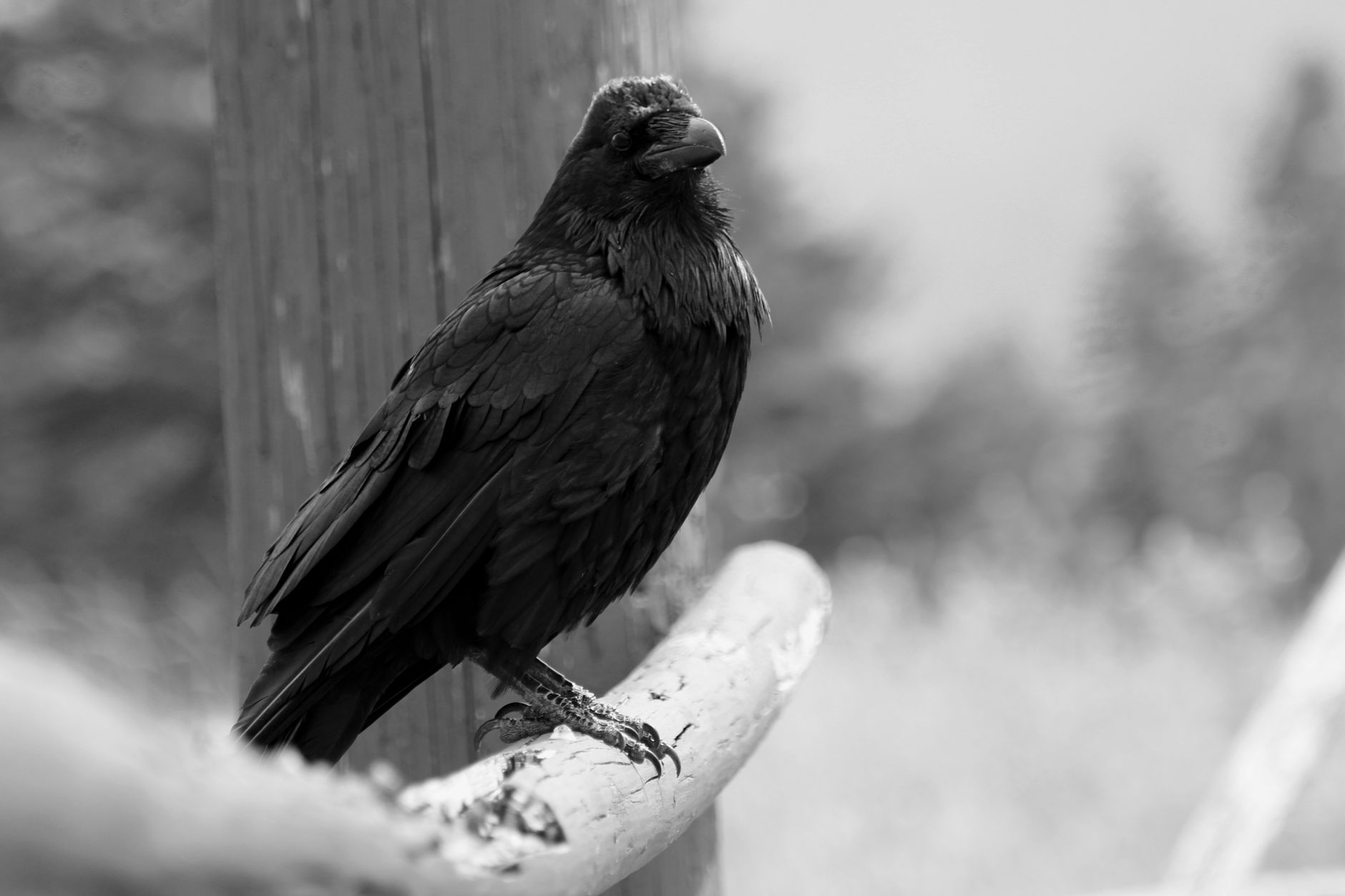
The raven serves as an alternate emblem of gwayakwaadiziwin in some Anishinaabe communities. Ravens are loud, persistent, and impossible to ignore when they have something to say. They are also known, in many North American Indigenous storytelling traditions, as truth-carriers and witnesses. A raven at the scene of something means that scene is being observed.
The raven’s role as a witness figure extends beyond Anishinaabe tradition. In stories from the Pacific Northwest, the raven often exposes what others try to keep hidden. Not always comfortably. Across traditions, the common thread is that the raven sees and reports, without softening the message.

I should be clear: the raven’s role varies considerably across the many distinct Indigenous nations of North America. I’m citing Anishinaabe sources here, not making a hemisphere-wide claim. Any broader comparison would require culture-by-culture sourcing that this article hasn’t done.
What Does the Rooster Symbolize for Honesty in Han Chinese Folk Tradition?
In Han Chinese folk religion and zodiac interpretation, the rooster’s honesty credentials rest on one simple fact: it crows at the same time every morning, without fail. Han Chinese folk religion sources describe the rooster as praised for punctuality, upright posture, and a “proud but straight” bearing, qualities read as signs of integrity rather than vanity.
The rooster also appears in graveyard rites in some regional Han practices, where a live bird is led around graves to calm restless spirits and restore proper relations between the living and the dead. You don’t assign a mediator to the dead if you think of it as dishonest.
The symbolism maps directly onto observed behavior. An animal that announces the exact time of dawn, stands in plain sight, and makes no attempt to hide what it’s doing. Transparency as a physical posture. That’s the visual logic, and it’s not complicated once you see it.
What Is the Story Behind the Portuguese Rooster of Barcelos?
The Rooster of Barcelos is one of the stranger honesty symbols in Western tradition, and I mean that as a compliment. According to Portuguese Catholic folk accounts of the Barcelos legend, a pilgrim passing through the town was falsely accused of theft. He was tried, convicted, and sentenced to hang. Before the execution, he asked to see the judge, pointed to a roasted rooster on the table, and declared that if he were truly innocent, the rooster would crow. The roasted rooster crowed. He was released.
The rooster here is not a witness to honesty the way a raven might be. It’s something stranger: a dead creature restored to function by the force of a true statement. In Portuguese Catholic reading, that’s divine justice working through animal form.
What I find genuinely interesting is that the legend isn’t about the pilgrim being virtuous. It’s about what happens when someone tells the truth and no one believes them. The rooster doesn’t affirm goodness. It overrides a wrong verdict. That’s a more specific claim than most honesty symbols make, and a more honest one about what truth actually costs.
The ceramic rooster that became one of Portugal’s most exported folk motifs still carries four values: honesty, faith, fairness, luck. In that order.
How Does the Dog Symbolize Honesty and Fidelity in European Heraldry?
In medieval and early modern European heraldry, placing a dog on an arm or seal meant one specific thing: this person keeps their word. An academic survey published in Roczniki Humanistyczne (KUL) documents the heraldic hound’s consistent association with loyalty, fidelity, watchfulness, and devoted service, understood across centuries as forms of honesty.
The heraldic conception of honesty is worth sitting with. It’s not primarily about verbal truth-telling. It’s about whether you honor your sworn obligations: to a lord, to a household, to an agreement. The dog’s enduring bond to its human companions made it the visual shorthand for a person who doesn’t break faith.
Oath-keeping as honesty. That’s a narrower concept than what we usually mean today, but in the context of medieval social contracts, it was the most consequential kind. A long thread.
What Non-Animal Symbols Are Traditionally Associated with Honesty?
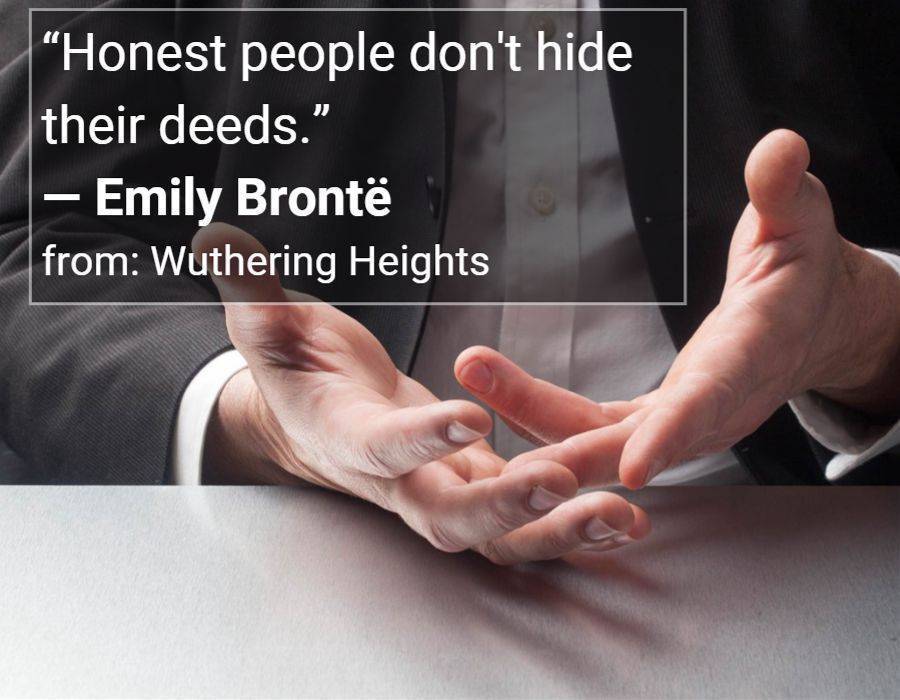
The open palm is probably the oldest. A hand held outward and flat, showing nothing is concealed, appears in handshake traditions, legal oath-swearing, and greeting customs across cultures that had no contact with each other. The logic is physical: I am showing you my hands. I am not hiding anything.
The open padlock signals transparency rather than security. A padlock closed means something is guarded; a padlock open means the person has chosen not to guard it, has decided you can see what’s there. It appears in modern iconography for data transparency and press freedom, but the folk logic underneath it is older.

The magnifying glass functions differently. It’s less about the person being transparent and more about truth being found. Investigation rather than self-disclosure. One is about choosing to be open; the other is about finding what’s there whether or not someone chose to reveal it.
For those who work with spirit-animal symbolism, it’s also worth looking at symbols associated with free-spirited living, where honesty and authenticity overlap in ways that might be useful.
What Does the Daffodil Represent as a Symbol of Honesty?
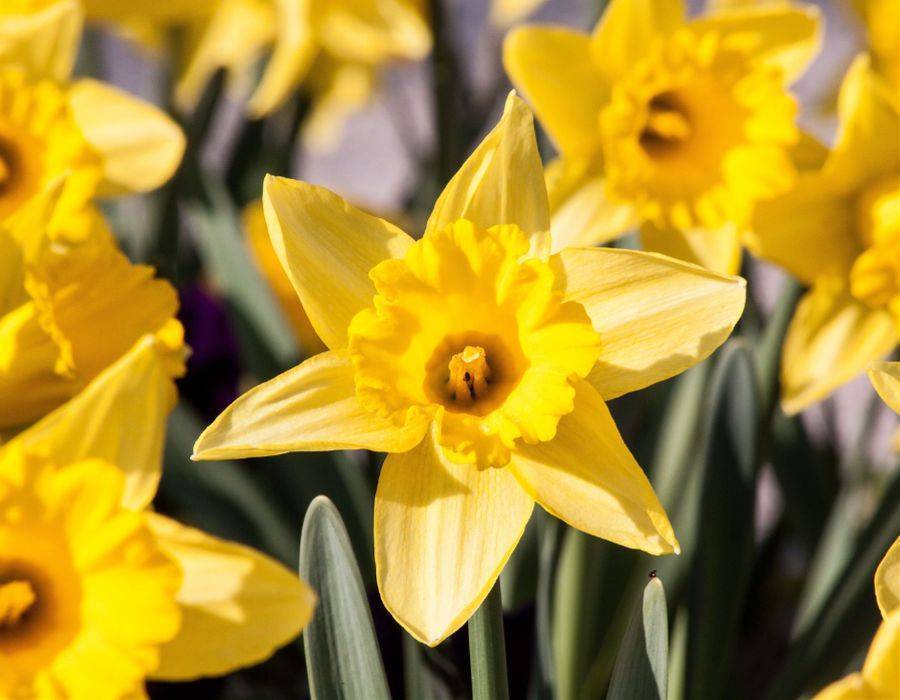
The daffodil’s connection to honesty comes through Western floral symbolism, particularly the Victorian language of flowers. A daffodil given to someone traditionally meant: I see you clearly, and I am being straightforward with you. Clarity and renewal, not complexity or hidden motive.
Daffodils bloom in early spring, before most other plants, without any particular support from their surroundings. That directness: showing up early, in plain sight, in yellow. Nothing ambiguous about a daffodil.

In gift-giving contexts, daffodils still carry that reading in British and American floral traditions. They appear in reconciliations, in first honest conversations after a long silence, at the beginning of something that requires trust. Whether the recipient knows the Victorian code or not, the flower’s behavior makes the point on its own.
How Is the Vishuddha Chakra Connected to Honesty and Truthful Speech?
The Vishuddha chakra is the fifthof the seven energy centers in the yogic system mapped in Tantric texts, located at the throat. It governs authentic expression: what you say, how you say it, and whether what you say matches what you actually think and feel. When Vishuddha is described as blocked in yogic teaching, the symptom is dishonesty, not necessarily lying outright, but speaking in ways that don’t reflect your real inner state.
I don’t use that framework myself. But as a symbolic system, it locates honesty in the body, in the throat, in the act of speaking, rather than in the mind or the moral will. That’s consistent with what the animal traditions say: honesty as something you do with your whole physical self.

Blue is the color associated withVishuddha in most Tantric iconography, which is why blue gets named as an honesty color in color-psychology and spiritual-meaning contexts.
What Behaviors and Gestures Are Traditionally Read as Signs of Honesty?
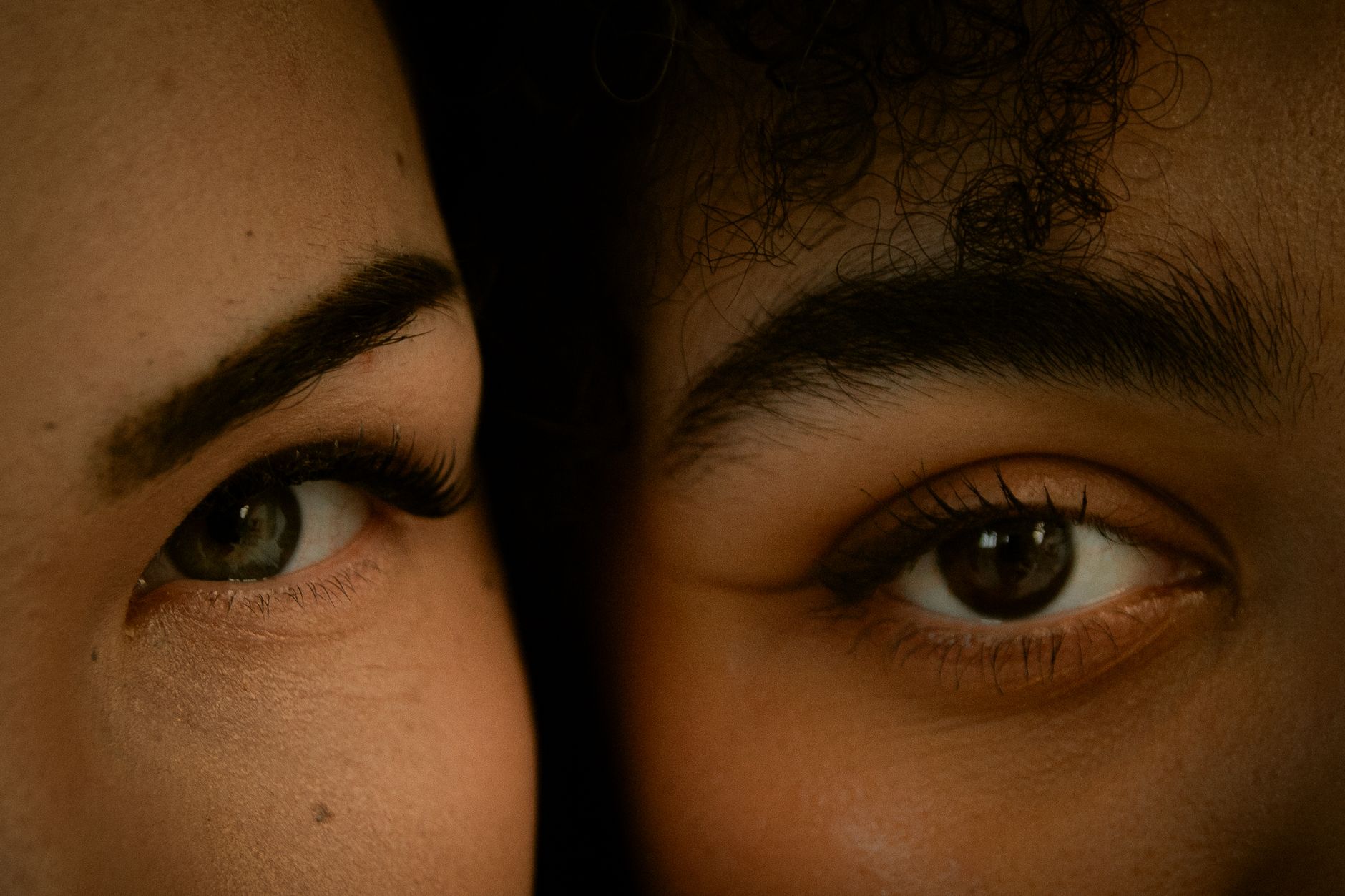
Eye contact is probably the most widely recognized behavioral signal of honesty across cultures. Not staring. Sustained, comfortable eye contact during conversation. The folk logic is that the eyes are where deception shows first: a person who is lying will look away, look down, look anywhere but at the person they’re deceiving.
Whether that’s neurologically accurate is a separate question from whether cultures have consistently built that belief into their reading of trustworthiness. They have.
Open body language carries similar weight. Uncrossed arms, facing toward the person directly. The hand over the heart is a more formal version of the open palm: I am telling you this from the center of me, not from my surface. In American civic culture it appears in pledge gestures; in many other cultures it functions as a greeting that signals sincerity.
All of these behavioral signals have the same logic: making yourself physically accessible. Arms open, hands visible, eyes up. Honesty as the opposite of shelter.
How Do Honesty Symbols Function as Spirit or Totem Guides?
If the raven, the rooster, or the dog has been showing up in your life with some regularity, in dreams, in encounters, in things you keep noticing, the question worth asking is not “what does this animal mean in general” but “what is this animal pointing at in me right now.”
In totem frameworks, the raven as an honesty guide tends to show up when there’s something you’re not seeing clearly, or something you’re choosing not to say. Not always to other people. Sometimes to yourself. The raven as witness works in both directions.

The rooster, if it functions as a totem for you, tends toward punctuality and commitment. Showing up when you said you would, doing what you said you’d do. Small honesty. Daily honesty. Not the dramatic moment of the Barcelos pilgrim, but the ordinary Tuesday version.
The dog as a guide points toward oath-keeping: relationships and promises you’ve made and how you’re honoring them. That’s a less comfortable message in some cases, and a reassuring one in others.
What Do Dreams Featuring Honesty Symbols Mean?
A raven in a dream often signals that something in your waking life is being observed more closely than you realize, by others, or by a part of yourself you haven’t fully listened to. If the raven is speaking, or insistently present, the traditional reading across multiple frameworks is that there is something you need to stop avoiding.
A rooster crowing in a dream is generally read as a wake-up signal. Not ominous. Literal: something needs your attention and the time is now. In the Han Chinese tradition, a crowing rooster in a dream is associated with the arrival of good news or the resolution of a complicated situation.
A dog in a dream, in most Western folk and Jungian frameworks, represents loyalty, to others or to yourself. If the dog is neglected, aggressive, or lost, the reading often centers on broken commitments. If the dog is healthy and present, it tends toward assurance: you have been trustworthy, and that is being confirmed.
I’ll add an honest caveat here: dream interpretation is one of the thinnest areas of the folk record, because dreams are private and the accounts are self-reported. I read Jung on this more than I read most folk sources, and Jung’s position was that the symbol matters less than the emotional texture of the dream and the associations the dreamer brings to it personally. I find that a reasonable position, and a more useful one than most dream dictionaries offer.
Frequently Asked Questions
What single symbol is most universally recognized as representing honesty?
The open palm is probably the closest thing, because the logic behind it requires no shared cultural vocabulary. I am showing you my hands; I am not hiding anything. It appears in oath-swearing traditions, greeting customs, and legal ceremony across cultures that had no contact with each other. The rooster comes second, but only across cultures where roosters were common and their behavior closely observed.
What animal is the symbol of honesty in Anishinaabe tradition?
According to the Ontario Legislative Assembly’s Seven Grandfather Teachings booklet, honesty (gwayakwaadiziwin) is represented by either the Sabe or the raven, depending on the community. The Sabe is a giant moral teacher in Anishinaabe oral tradition, not a cryptid, despite the physical resemblance to Sasquatch descriptions. The raven functions as an alternate emblem in some communities, emphasizing the witness and truth-carrier role.
Is there a color associated with honesty?
Blue is the most commonly cited, in both Western color psychology and Tantric chakra tradition, where the Vishuddha throat chakra is associated with authentic speech and rendered in blue. White appears in several traditions as a color of transparent living. Yellow has a connection in some floral and folk contexts, partly through the daffodil. I don’t have high confidence in any of these as cross-cultural universals. They’re tradition-specific associations worth knowing, not established fact.
What does the open padlock symbolize versus the magnifying glass?
These two symbols encode different aspects of honesty. The open padlock is about self-disclosure: the person has chosen not to guard what they hold, has decided to be transparent rather than protective. It shows up in data-privacy iconography and press-freedom symbols for this reason. The magnifying glass is about investigation and discovery of truth rather than voluntary transparency. One is about choosing to be open; the other is about finding what’s there whether or not someone chose to reveal it.
What is the Zibu symbol for honesty and where does it come from?
The Zibu symbol for honesty isone of a set of angelic symbols created by artist Debbie Zevallos, who describes them as received through angelic guidance. They are contemporary spiritual symbols, not ancient ones. I don’t have independent sourcing on their origin beyond Zevallos’s own account, and I want to be clear about that. They circulate widely in online spiritual communities. But they don’t come from a traditional cultural lineage the way gwayakwaadiziwin or the Rooster of Barcelos does.
Why is the rooster considered honest rather than proud or aggressive?
In Han Chinese folk tradition, the rooster’s pride and its honesty are not separate things. The upright posture and the unfailing crow are read together as a single moral stance: the rooster doesn’t hide, doesn’t delay, doesn’t equivocate. It announces the time of day whether or not anyone wants to hear it. In the Barcelos legend, the honesty reading comes from a different source entirely: an animal that testifies to truth when the human justice system has failed. Two different logics, same animal.
What is the difference between honesty symbols and loyalty symbols?
The distinction is real but sometimes narrow. Loyalty symbols center on commitment to a person or relationship over time. Honesty symbols center on the truthfulness of speech and self-presentation. The heraldic dog sits right on the border: keeping an oath is both a loyalty act and an honesty act. In practice, many traditions treat them as overlapping rather than separate virtues. The difference sharpens in Western moral philosophy, where honesty is about propositions and loyalty is about persons. Most folk traditions don’t make that cut.
How is gwayakwaadiziwin pronounced and what does it literally mean?
Roughly: gwah-YAK-wah-dee-ZI-win, though pronunciation varies by dialect and speaker. I’m not a speaker of Anishinaabemowin, and I’d rather point you toward a Native speaker than give you a confident phonetic rendering I can’t verify. The literal gloss, as recorded in institutional teaching guides, is “to live correctly and with virtue.” The root gwayak means straight or correct. The teaching is that honesty means living in a way that is straight, not bent away from your true nature.
Can the dog be both a loyalty symbol and an honesty symbol simultaneously?
Yes, and this is not a contradiction. The heraldic tradition treats them as the same quality expressed differently. A dog that is loyal to its household is also predictable, reliable, and transparent in its behavior: it does not deceive the people it lives with. The separation between loyalty and honesty as distinct virtues is more a feature of modern ethical frameworks than of folk symbolism. The dog’s behavioral reality supports both readings at once.
What crystal or gemstone is associated with honesty?
Blue lace agate and aquamarine are most commonly cited in crystal-meaning traditions for honesty and truthful communication, partly because of their connection to the blue of the Vishuddha chakra. Lapis lazuli is cited in some traditions for clarity and self-truth. I should say plainly that I have thinner sourcing here than I do for the animal traditions. These associations come from contemporary spiritual practice rather than deep historical folk record, and their lineage is harder to trace. Hold them loosely.
Sources
- Seven Generations Education Institute, Seven Grandfather Teachings
- Medicine Hat News, Miywasin Moment: The Seven Sacred Teachings, Honesty, the Sabe
- SohoInChina, What Does the Rooster Symbolize in Han Chinese folk tradition?
- Ontario Legislative Assembly, Seven Grandfather Teachings (PDF)
- Wikipedia, Teachings of the Seven Grandfathers
- University of Ottawa, Les Sept Valeurs anishinaabeg – Animaux
- Old Wethersfield Books, The Rooster of Barcelos: A Symbol of Honesty, Faith, Fairness, Luck
- Roczniki Humanistyczne (KUL), Academic survey of dog symbolism across history and art
- SohoInChina, Rooster Symbolism in Han Chinese Folk Tradition
- en.wikipedia.org
- www.easyayurveda.com