A black cat crossing your path gets read as bad luck right away. But in medieval alchemy, the cat stood for the inner work itself, the mysterious process you had to go through to transform base metal into gold, not a curse on your day. Whether it means danger or instruction depends on what text or teacher you learned it from.
Key Takeaways
- “Occult” means hidden knowledge, historically it covers astrology, alchemy, divination, and magic across many cultures, not a single tradition or ideology.
- Animal symbols in documented traditions were tools with specific jobs, not entries in a universal meaning-dictionary. The same creature could protect, harm, or heal depending on the ritual.
- Norse, Egyptian, Yoruba, and medieval European traditions each built distinct animal-symbol systems tied to named deities, divination structures, and theological assumptions. None of them are identical.
- Natural animal behavior shaped cultural associations. Ravens gather around carcasses and solve problems. Owls fly silently at night. Those observable facts are where the symbolism started.
- The one-animal, one-meaning format common in modern spiritual content flattens centuries of conflicting tradition into something the historical record does not support.
What Are Occult Symbols and Where Does the Word “Occult” Come From?
Occult symbols are images, figures, or creatures used within systems of hidden or specialized knowledge, astrology, alchemy, ceremonial magic, divination, to represent forces, beings, or ideas that practitioners considered real and significant. That is a wide net. It catches Pythagorean geometric figures, Egyptian amulet animals, Norse mythic ravens, and the planetary glyphs in a sixteenth-century herbalist’s manual, all under one word.
The habit of treating “occult” as a synonym for “satanic” is a relatively recent collapse of meaning. Medieval Christian writers used occultus to describe natural properties hidden from ordinary sense: the magnet’s pull, the loadstone’s drift, the healing virtue in a plant root. Not demonic. Just unexplained.
So when someone asks what an occult symbol means, the honest answer is: it depends entirely on which tradition, which period, and which ritual purpose you are asking about. I want to be clear about that from the start, because too much writing on this subject pretends there is a master list somewhere. There isn’t.
What Do Scholars Actually Mean When They Study Occult Animal Symbols?
Scholars who study animal symbolism in magical traditions generally do not treat animals as entries in a fixed code. Solange Nicole Kiehlbauch’s Syncretic Animal Symbolism in Medieval European Magic (2018) argues that animal figures in documented magical practice functioned as ritual tools, protective images, sacrificial agents, divine attributes, embodied dangers to be repelled, and their meanings shifted depending on context.
Mary Douglas’s 1957 paper “Animals in Lele Religious Symbolism”, published in the journal Africa, made the same point from a different angle. Among the Lele of what is now the Democratic Republic of Congo, animals were organized into categories of clean and unclean, boundary-crossing and contained, and that organization told you something about social structure, not just about the animals themselves. The symbolism was never separable from its cultural logic.
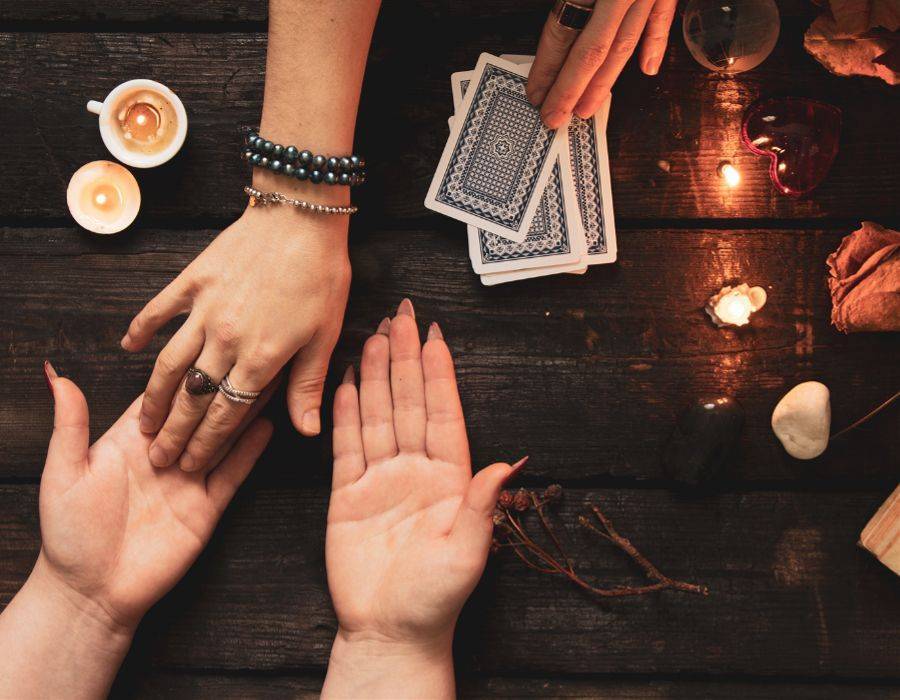
The edited collection The Magical Animal: In the Ancient Mediterranean and Beyond (Faraone et al., 2022) extends this across multiple traditions. Its argument, developed across essays on Egyptian, Greek, Roman, and Near Eastern evidence, is that animal symbols in magical practice were active components of ritual, things that did something, rather than decorative gestures. Keep that in mind as you read through the traditions below.
How Did Ancient Egyptian Religion Use Animal Symbols in Magic?
Egyptian magical practice did not treat animals as generic messengers. Cats, falcons, ibises, snakes, crocodiles, each connected to specific gods: Bastet, Horus, Thoth, Apep, Sobek. A falcon amulet was not simply “a bird with positive energy.” It was a representation of Horus, invoking his particular attributes: sharp sight, protective power, solar connection.
Egyptian healing spells might call on an animal-headed deity by name, use an animal image as a ritual analogy, or include actual animal products as ingredients. A spell for snakebite might invoke the god who controlled serpents. An amulet shaped as a lion might protect a child not because lions are generically fierce, but because lions were associated with specific protective deities. The meaning was borrowed from theology, not assigned at random.
Faraone et al. (2022) document cases where Egyptian practitioners used animals to repel dangerous forces, a snake image positioned at a boundary, a cat figure used to deflect evil. The same species that threatened in one context protected in another. A crocodile could be Sobek, a source of fertility and strength, or an embodied danger to be neutralized. Context was everything.
What Role Do Ravens Play in Norse Occult Tradition?
In Norse Eddic literature, Odin’s ravens are Huginn and Muninn. Those names appear in Grimnismal, one of the poems in the Poetic Edda, and Snorri Sturluson glosses them in Gylfaginning as connected with thought and memory. Each dawn, Odin sends them out; each evening they return and report. Named agents of divine intelligence, not a general claim that any raven anyone sees is an omen from Odin.
This is the part that modern symbolic readings regularly miss. The Eddic texts give us specific named birds with specific narrative roles tied to a specific god. They do not create a universal rule.
The association between ravens, battlefields, and the dead developed partly because ravens are opportunistic scavengers, they would have been visibly present at Viking Age battle sites. Close observation of real raven behavior fed the mythology. And per Cornell Lab of Ornithology’s life-history account for Common Ravens, those birds are genuinely remarkable problem-solvers: they cache food, perform aerial play, and cooperate on novel tasks in ways that would catch any careful observer’s attention. But “worth watching” is not the same as “supernatural messenger.” The Norse tradition built a specific literary and religious association. That association is interesting on its own terms, and it should stay there.
How Did Medieval European Magic Assign Meaning to Animals?
Briefly: it didn’t, not in any consistent way. Medieval European magic drew on classical natural philosophy, Christian theology, folk practice, and whatever herbalist or astrologer’s manual was locally available. The result was not a system. It was a collection of partially overlapping, sometimes contradictory assumptions.
According to Korshi Dosoo’s 2023 study “Animals, Demons and Magic in Late Medieval Europe”, snakes could signify temptation, healing, hidden knowledge, or the devil depending on which text you were reading and for what purpose. Eagles might represent John the Evangelist in one context and a protective spirit in another. Dogs appeared in charms for wound-healing, in folklore about demon possession, and in stories about loyal spirits, sometimes within the same manuscript tradition.
Kiehlbauch (2018) argues that the medieval meanings were “syncretic”, built from multiple layered sources, rather than original or unified. A practitioner borrowing a snake charm from a classical medical text was not necessarily endorsing a complete cosmology. They were using a tool that worked, or that they believed worked, within a local and practical frame.
What Does Yoruba Religious Practice Reveal About Animal Symbolism?
Yoruba religious practice in Nigeria offers what I think is the clearest case against the “universal meaning” model. In Yoruba tradition, as documented in W. R. Bascom’s Ifa Divination: Communication Between Gods and Men in West Africa (1969), animal meanings are embedded inside divination verses tied to specific orisa and specific ritual situations. You cannot look up “tortoise” in a Yoruba symbol dictionary and get a reliable answer, because the answer depends on which odu of Ifa you are working with and which orisa is present in that reading.
The tortoise in Yoruba oral literature is a trickster figure, clever, self-serving, adaptable. Birds in certain ritual contexts are associated with the spiritual authority of elder women, a category of power called aje, which has no clean English translation.
Neither of these associations transfers cleanly to other traditions, and neither should. Across traditions, the common thread is that animal symbolism is never free-floating. It is always anchored to a specific deity, a specific social role, a specific ritual purpose. The tortoise is a trickster in Yoruba tradition because Yoruba mythology made it one, through specific stories in specific contexts. Not because trickster-ness is somehow inherent to tortoises everywhere.
What Is the Difference Between Occult Symbolism and Satanic Symbolism?
Not the same thing. The historical range of “occult” covers astrology, alchemy, natural magic, divination, ceremonial magic, and folk practice, all of which existed for centuries before modern Satanism was invented. A medieval alchemist working with mercury and sulfur was not a Satanist. A Renaissance astrologer casting a natal chart was not a Satanist. An Egyptian priest invoking Thoth over a healing inscription was certainly not a Satanist.
Modern Satanism as a structured ideology is largely a twentieth-century construction. Gabriel Andrade’s 2021 analysis, “Animal Imagery in the Satanism of Anton LaVey”, documents that LaVey’s use of the goat, the serpent, and the lion in the Church of Satan’s iconography was a deliberate ideological program, designed to invert Christian symbolism and assert a specific philosophical position. The goat on the Sigil of Baphomet is not a universal occult symbol. It is a specific modern symbol serving a specific modern argument.
Conflating all occult symbolism with Satanism does a disservice to both the history and to anyone trying to understand either tradition accurately.
What Are the Most Recognized Occult Symbols and What Do They Historically Mean?
Five symbols come up repeatedly in this territory. Each has a history worth knowing.
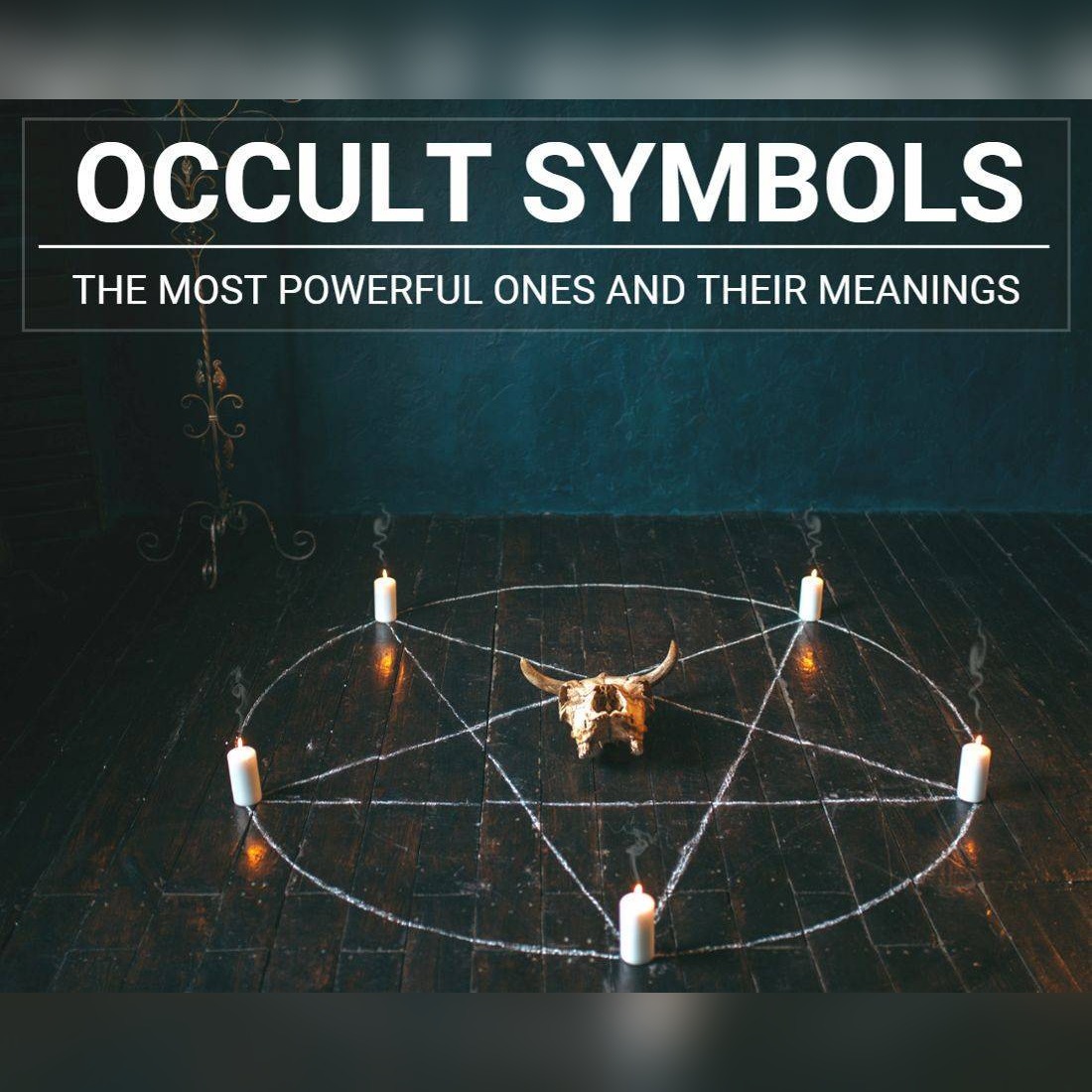
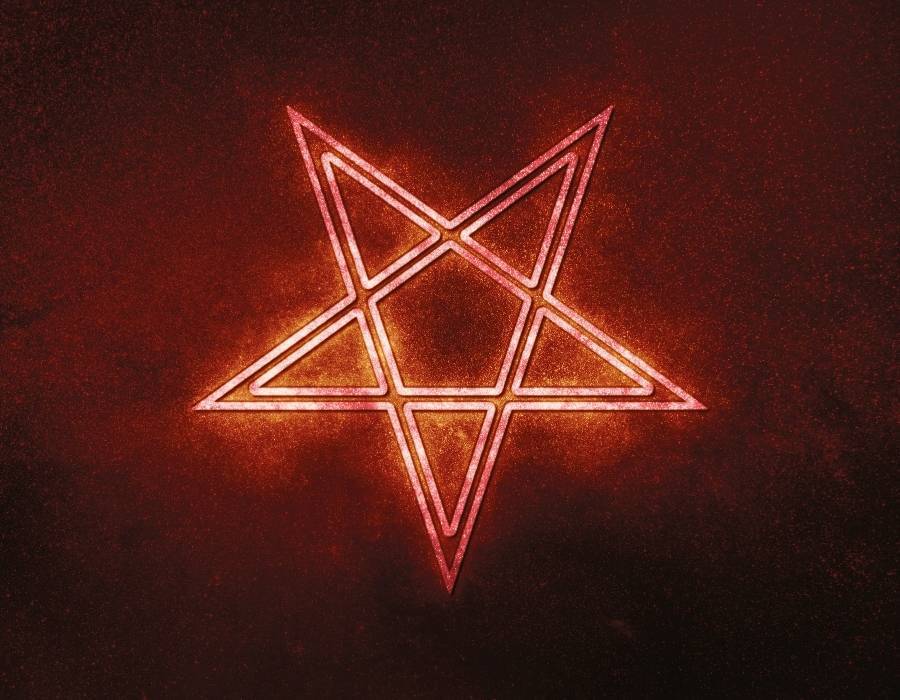
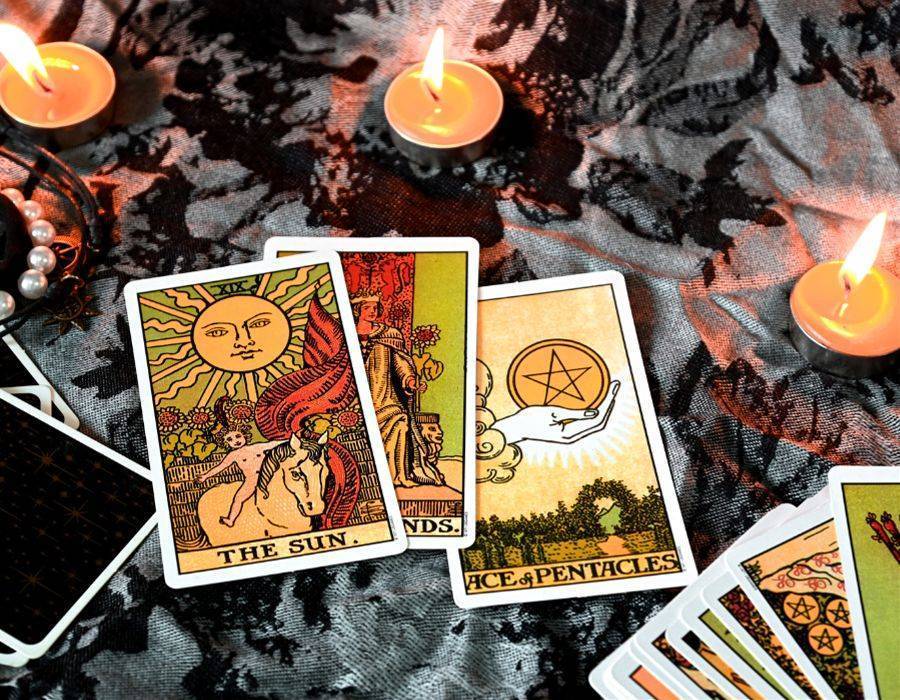
The pentagram. The five-pointed star appears in Pythagorean geometry, where it encoded mathematical ratios considered cosmically significant. Medieval Christian use was generally protective, it appeared on churches and manuscripts as a ward. Its inversion and association with Satanism came much later, primarily in nineteenth-century French occultism, then formalized by LaVey’s movement in the 1960s.
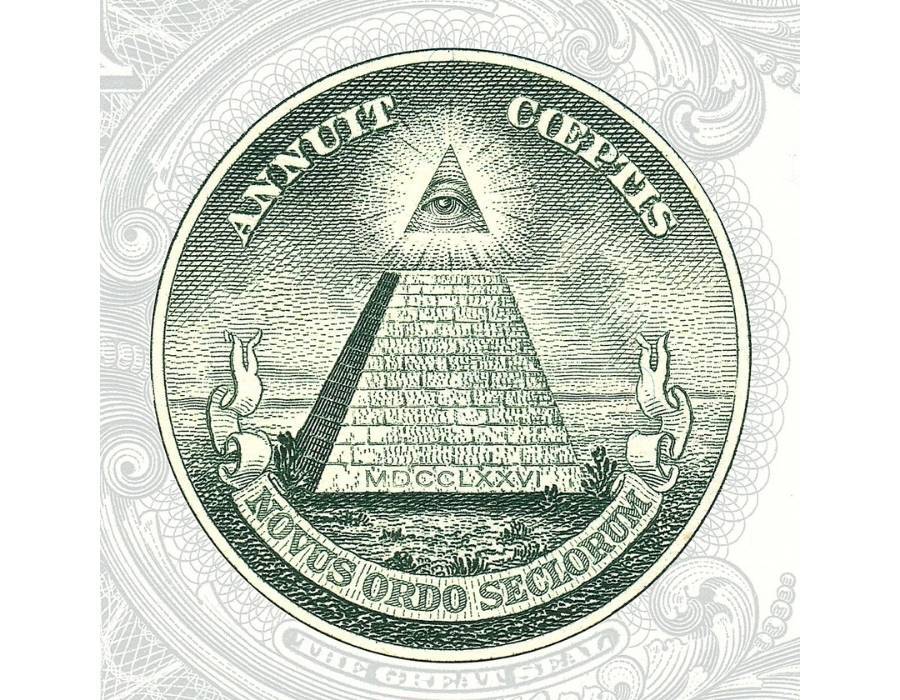
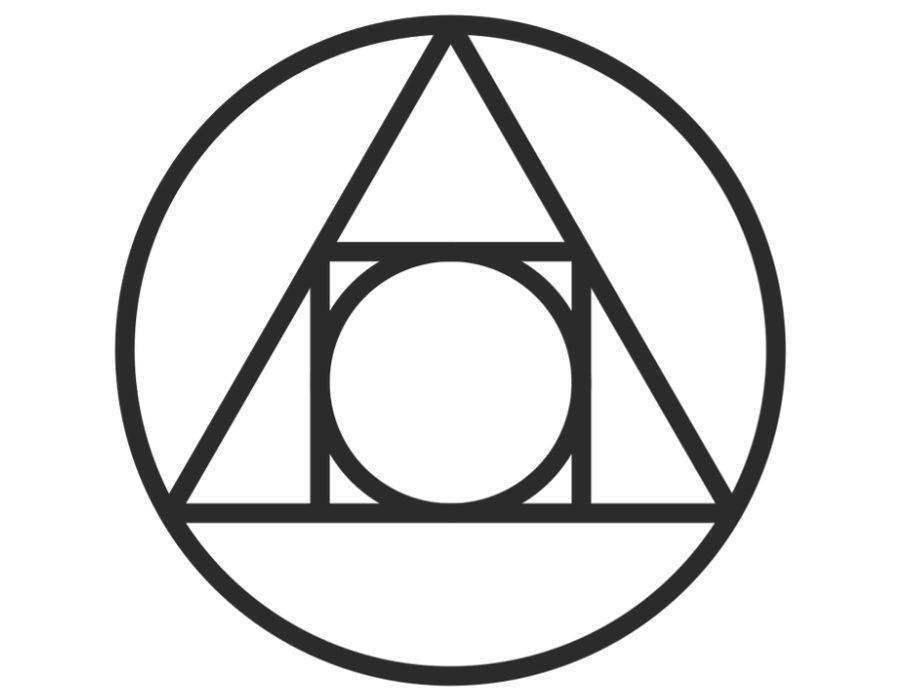
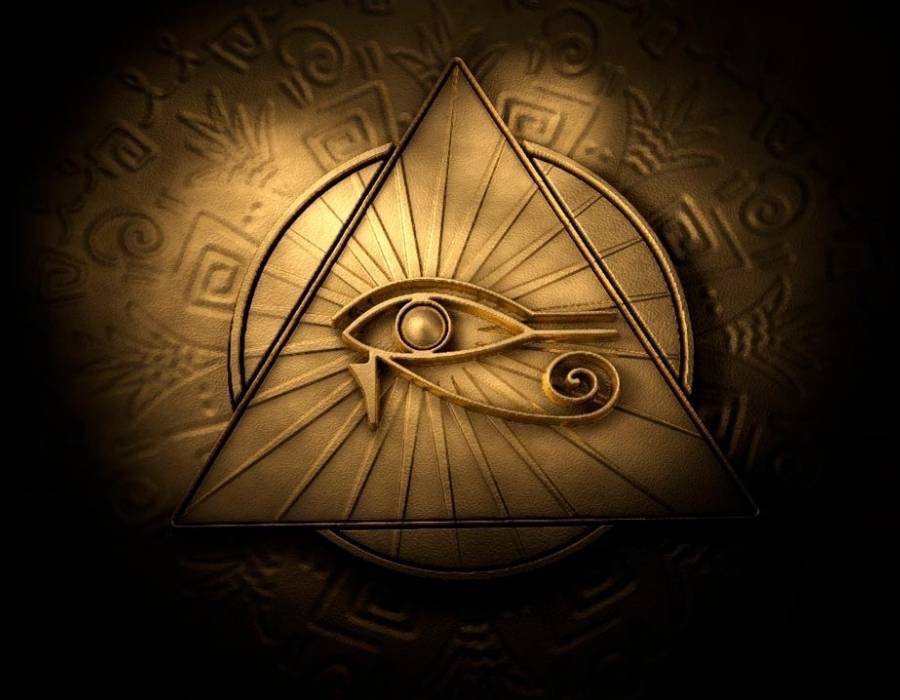
The Eye of Providence. A Christian iconographic image representing divine omniscience: God’s all-seeing eye, often set within a triangle.It appears on the reverse ofthe Great Seal of the United States, designed in 1782. Its association with Freemasonry is real but often exaggerated. Its association with secret control of world events is a modern conspiracy gloss with no historical grounding.
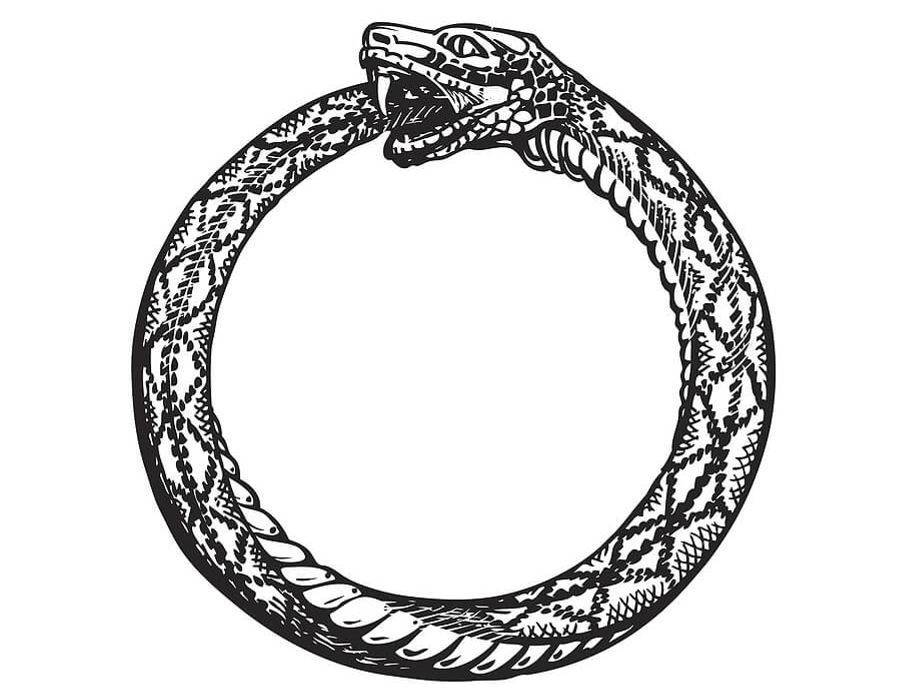
The serpent. In Egyptian healing magic, serpents connected with Thoth and with protective spells for snakebite. In Norse tradition, the world-serpent Jormungandr encircles the ocean. In Christian scripture, the serpent in Genesis represents temptation. In Greek medicine, the serpent of Asclepius represents healing, still the symbol on medical equipment today. Same animal, at least four different jobs.
The raven. Huginn and Muninn in Norse myth. Apollo’s bird in Greek tradition, interestingly, a solar messenger rather than a death omen. A figure of ill omen in medieval European folklore, where its black color and association with battlefields did the work. For a look at how far-ranging human symbolism can get, symbols of free spirits across cultures puts the raven in a very different register.
The owl. Medieval natural philosophy associated owls with hidden knowledge partly because they were active at night and had forward-facing eyes that suggested watchfulness. But in some medieval texts, they were also associated with death, deception, or spiritual danger. Wisdom came later, partly through association with Athena in classical tradition. One animal, multiple jobs, across different centuries and cultures.
How Do the Natural Behaviors of Animals Shape Their Occult Associations?
This is where I find the real interest, and where years spent around wildlife have given me a perspective that is harder to get from books alone. The symbolism is not arbitrary. It maps directly onto observed behavior.
Take the Common Raven. Per Cornell Lab’s life-history profile, ravens are among the most cognitively complex birds documented: they cache food and remember cache locations, perform aerial acrobatics that appear to function as play, and gather around large carcasses in ways that would have made them highly visible at battle sites and death scenes. A culture spending time outdoors in northern Europe would have noticed ravens at every significant kill. The association with death and intelligence was not invented, it was observed, and then extended into myth.
Great Horned Owls present a similar case. According to Cornell Lab’s Great Horned Owl life history, they hunt primarily at night with near-silent flight made possible by specialized feather structure, and their large forward-facing eyes give them an appearance of watchfulness that humans find humanlike. A bird that appears from nowhere in the dark, makes no sound, and stares directly at you is going to generate cultural associations.
At the Nature Center in Asheville, where I’ve spent most of my Saturday mornings for the past thirteen years, we have a non-releasable Great Horned Owl named after a county in the western part of the state. She came in with a head injury in 2019 and she watches everything that moves in her enclosure with an attention that feels, to a human standing there, uncomfortably intentional. I know it’s the anatomy. The eyes are fixed in the skull; she turns her whole head because she has to, not because she is judging you. But knowing that doesn’t make it feel less like being watched.
Those associations varied across cultures, wisdom in some traditions, death omen in others, boundary-marker between worlds in others, but all of them started from the same animal doing the same things. I don’t know why some cultures landed on “wisdom” and others landed on “death” when they watched owls. I have read three explanations and don’t trust any of them yet. What I can say is that the biology came first, and the symbolism was built on top of it.
Does a Wild Animal Encounter Actually Carry Occult or Spiritual Meaning?
This is the question people actually want answered. So let me be direct about it.
Historical divination systems, Ifa, Roman augury, some forms of Norse rune practice, did assign significance to animal encounters, but within structured systems with specialist interpreters, specific rules for what counted as significant, and clear ritual frameworks. A Roman augur watching birds was not doing what a modern blog describes as “noticing a sign.” He was performing a recognized public ceremony with legal implications.
The modern version, any unexpected animal encounter carries a personal message, is not well-supported by the historical record. That doesn’t mean people don’t have experiences that feel meaningful. I take seriously the human need to find meaning in a hawk on a fence post. I’ve written about that need honestly, and I think it’s older and more reasonable than we’re sometimes told. But “meaningful to you” and “documented in a historical tradition” are two different claims, and conflating them doesn’t serve either one.
If you are interested in what specific encounter symbolism looks like across traditions, that is a separate thread. The short version: the traditions that took animal encounters most seriously did so within systems, not as free-floating interpretations.
What Is the Biggest Misconception About What Occult Symbols Mean?
The one-animal, one-meaning fallacy. It runs through most popular coverage of this topic and it is directly contradicted by every scholarly source worth citing. Owls do not always mean wisdom. Snakes do not always mean healing. Ravens do not always mean transformation. The same creature meant different things in different periods, different cultures, and different ritual contexts, sometimes opposite things within the same tradition.
Kiehlbauch (2018) shows this clearly for medieval Europe: the snake was simultaneously a figure of healing (the Asclepian rod), temptation (Genesis), hidden knowledge (Gnostic traditions), and demonic agency (certain witchcraft trials). Dosoo (2023) adds that these meanings overlapped and contradicted within single manuscript traditions. Bascom’s Ifa Divination shows the same instability in Yoruba practice, where the tortoise’s meaning changes depending on which divination verse is active.
The “universal meaning” format is a product of modern publishing, not of ancient wisdom. It makes content easy to produce and easy to read. And it also makes it wrong.
How Has Animal Symbolism in Occult Traditions Changed in the Modern Era?
The shift happened gradually between the seventeenth and twentieth centuries, accelerated by print culture, and landed fully in the internet age. Traditional systems of animal symbolism were embedded in ritual, specialist knowledge, named deities, and social structures. When those structures dissolved or became inaccessible, the symbols survived but were cut off from their original functions.
By the time Theosophy and thebroader occult revival of the late nineteenth century produced texts like Blavatsky’s The Secret Doctrine, animal symbols were already being presented as universal and cross-cultural in ways that earlier traditions did not support. Andrade (2021) notes that LaVey’s use of animal imagery in the 1960s was already working with this decontextualized material, selecting animals from multiple traditions and reorganizing them into a new ideological system.
Kiehlbauch (2018) argues that this decontextualization is a defining feature of modern Western occultism more broadly: it borrows from Egyptian, Norse, Kabbalistic, and other traditions, strips each animal or symbol from its original framework, and reassembles them into a new synthesis that none of the source traditions would recognize. That synthesis has real cultural power. It also regularly misrepresents its sources.
What I try to do on this site is go back to named traditions and named sources rather than the modern synthesis, not because the synthesis is worthless, but because knowing where the pieces came from makes the whole thing more interesting, not less.
Frequently Asked Questions
What is the oldest documented occult symbol?
Defining “oldest” is harder than it sounds, because it depends on what counts as an occult symbol versus a general religious one.The earliest clearly documented magical useof animal figures comes from ancient Egypt, where amulets shaped as falcons, cats, and serpents appear in Old Kingdom contexts dating to around 2700 BCE or earlier.If you count geometric marks, ochre-stainedengravings from Blombos Cave in South Africa push symbolic behavior back roughly 75,000 years, though calling those “occult” would be a stretch. Egyptian material is the oldest with clear magical intent attached to named traditions.
Is the pentagram a Satanic symbol or does it predate Satanism?
It significantly predates any form of Satanism.The pentagram appears in Pythagorean mathematicsand early Christian protective iconography centuries before its association with Satanism, which developed primarily in nineteenth-century French occultism and was formalized by Anton LaVey in the 1960s. The inverted pentagram is specifically associated with the Church of Satan’s Sigil of Baphomet. The upright pentagram has a much wider and older history across multiple traditions, none of which are Satanist.
What animals appear most often across occult traditions worldwide?
Serpents appear in more documented magical and religious traditions than any other single animal I’m aware of, Egyptian healing texts, Norse mythology, Greek medicine, Yoruba Ifa, medieval European magic, and biblical symbolism all assign significant roles to snakes. Ravens, cats, and dogs follow. Owls appear frequently in European and Mesoamerican traditions. What is notable is that the same animals carry very different meanings across those traditions. No animal has one universal job.
Why is the snake so common in occult and magical imagery?
Several reasons, none of them supernatural. Snakes shed their skin and appear to renew themselves, which made them natural figures for cycles of death and rebirth across cultures that independently observed this behavior. They are venomous in some species and medicinal in others, the same creature that kills can heal. They move silently, appear suddenly, and occupy boundary spaces between earth and underground. Any culture paying close attention to snakes would likely have developed significant associations with them. The symbolism tracks the biology.
What is theriomorphism and how does it appear in world religions?
Theriomorphism means representing divine beings in animal form, from Greek therion (wild animal) and morphe (form). Egyptian religion is the most thoroughly documented example: Horus as falcon-headed, Thoth as ibis-headed, Sobek as crocodile-headed. Hindu tradition includes Ganesha (elephant-headed), Garuda (eagle deity), and Hanuman (monkey deity). Norse tradition includes Odin’s wolf companions Geri and Freki alongside his ravens. The pattern appears globally and reflects the close attention premodern cultures paid to animal behavior as a lens for understanding power, knowledge, and divine action.
Are occult symbols used in modern Wicca the same as those in medieval European magic?
Largely no.Modern Wicca, formalized by Gerald Gardnerin the 1950s, drew heavily on Aleister Crowley’s early twentieth-century ceremonial magic, Freemasonry, and Victorian-era folklore collections, not on medieval European folk practice directly. Kiehlbauch’s (2018) study of medieval European magic shows a practice grounded in Christian theology, natural philosophy, and local herbalism, which is very different from the ritual structure of modern Wicca. Some symbols overlap by coincidence or by early modern transmission. The frameworks are distinct.
What is the Eye of Providence and where does it actually come from?
A Christian iconographic image representing divine omniscience: God’s all-seeing eye, often set within a triangle representing the Trinity. It appears in European Christian art from at least the sixteenth century. Its connection with Freemasonry developed later and is frequently overstated. Its connection with secret world government is a twentieth-century conspiracy narrative with no historical basis.
Can someone use occult symbols without belonging to a specific tradition?
People do this constantly, and I don’t think there is a simple answer about whether they should. My own view is that knowing a symbol’s origin makes you more responsible with it, not less free to use it. A pentagram from Pythagorean geometry means something different to someone who knows that history than to someone who encountered it on a television show. I am not a practitioner of any tradition and I don’t make prescriptions. But I do think context matters, and “I’m not sure where this comes from” is an honest place to start.
What is the difference between a sigil and an occult symbol?
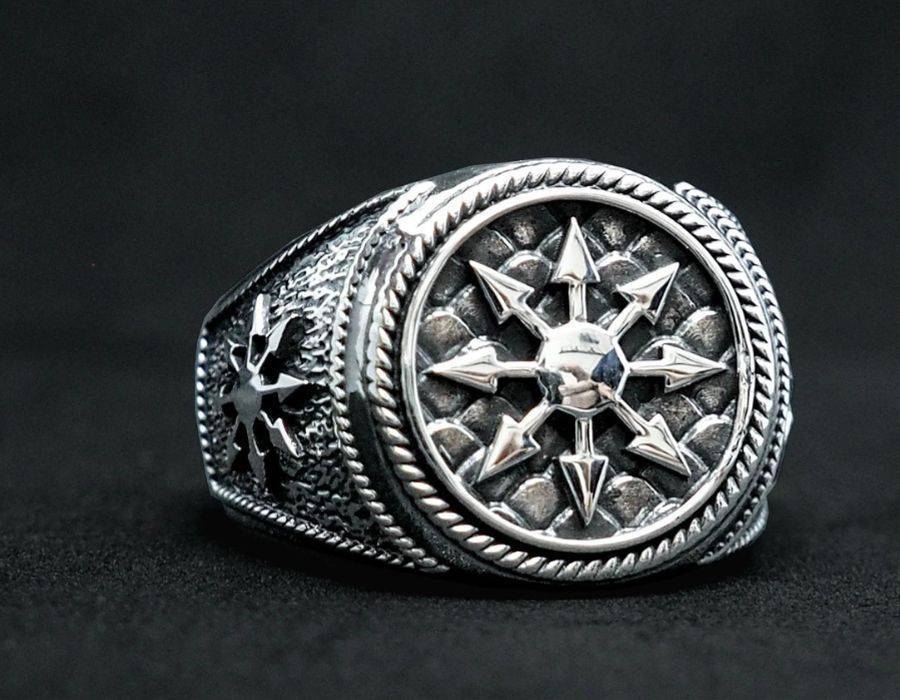
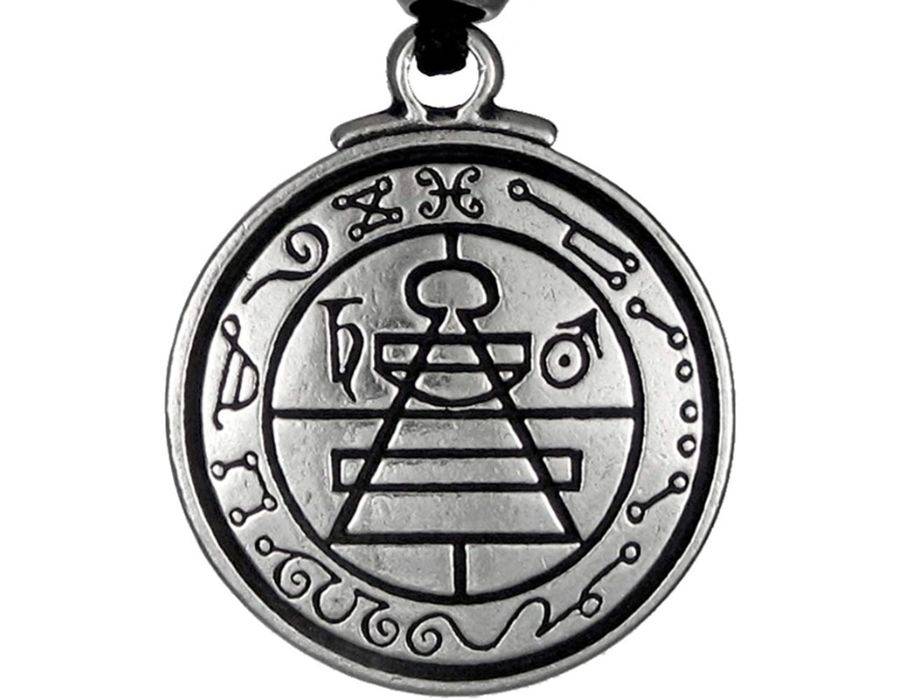
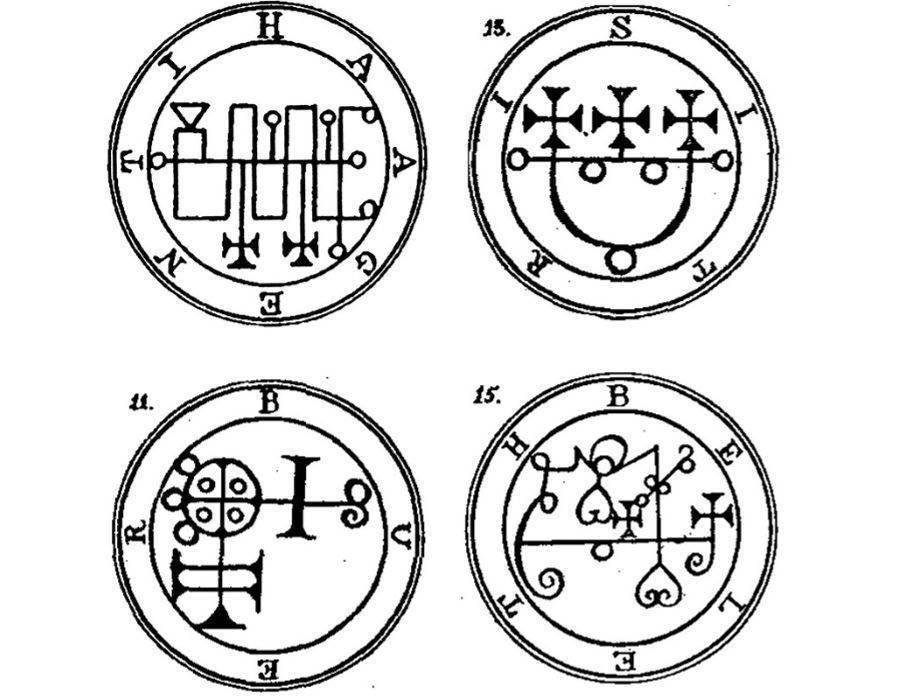
A sigil is generally an individual constructed mark, made by the practitioner, for a specific purpose, often by combining or abstracting letters of a word or intention. An occult symbol is typically a received image from a tradition, carrying inherited associations. The distinction is roughly between custom-made and inherited. In practice the boundary blurs: practitioners in the Western magical tradition have used named sigils associated with specific spirits or angels for centuries, making those sigils traditional even if originally constructed.Austin Osman Spare formalized the chaosmagic approach to sigil construction in the early twentieth century.
How should I interpret an occult symbol I encounter in art or architecture?
Start with when and where it was made, and by whom. An Eye of Providence on an eighteenth-century church in England is doing something different from the same image on a 1970s album cover. Ask which tradition the artist or architect was working within. Look for the specific period’s conventions, medieval iconography has documented handbooks, Renaissance art had emblem books, Masonic lodges had their own published symbol guides. If a symbol’s meaning is not explained by its immediate historical and cultural context, note that honestly rather than filling in with modern associations.
What does it mean when the same animal appears as both a good and bad omen in different sources?
It means the sources come from different traditions, different periods, or different ritual contexts, and that is the expected finding, not an anomaly. The folk record is full of these contradictions, and the academic record is only marginally better at resolving them. I don’t have a tidy answer here. What I’d say is: when two sources conflict on the meaning of an animal, the useful question is not “which one is right?” but “what was each tradition using this symbol to do?” The function explains the variation better than any universal key will.
Sources
- Solange Nicole Kiehlbauch, The Gods Have Taken Thought for Them: Syncretic Animal Symbolism in Medieval European Magic (2018), Southern Illinois University OpenSIUC
- Kiehlbauch thesis, California Polytechnic State University Digital Commons
- Mary Douglas, “Animals in Lele Religious Symbolism,” Africa (1957)
- Gabriel Andrade, “Animal Imagery in the Satanism of Anton LaVey” (2021), Ajman University Research
- Korshi Dosoo, “Animals, Demons and Magic in Late Medieval Europe” (2023), UCL Discovery
- Cornell Lab of Ornithology, Common Raven Life History (2017)
- Cornell Lab of Ornithology, Great Horned Owl Life History (2019)
- Encyclopedia of Religion and Society, “Occult”
- Faraone et al., eds., The Magical Animal: In the Ancient Mediterranean and Beyond (2022), Open Edition Books / IRHT
- www.archives.gov
- digitalcommons.usu.edu
- www.metmuseum.org
- www.sciencedirect.com
- www.britannica.com
- en.wikipedia.org
- www.penguinrandomhouse.com