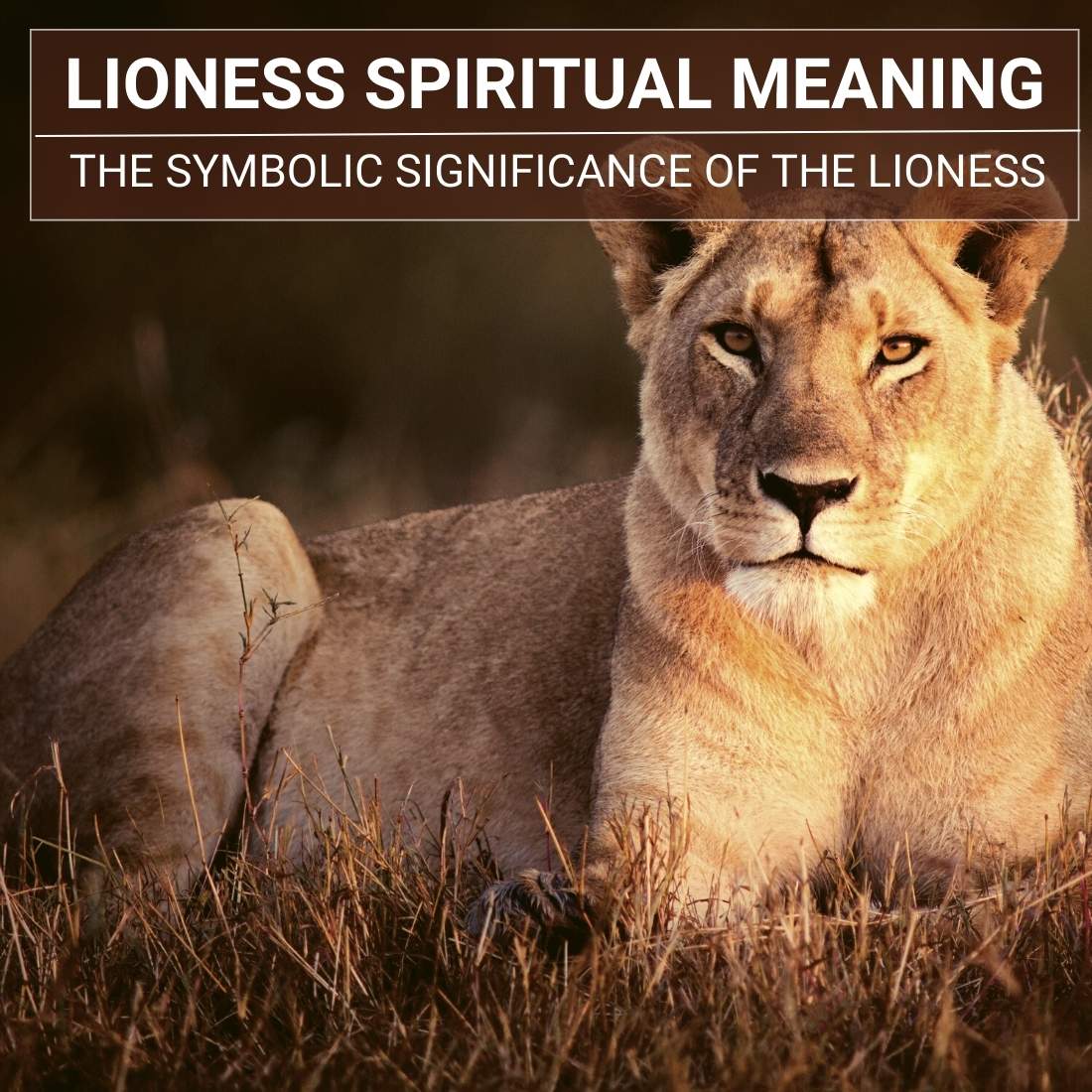
Across traditions that never compared notes, the lioness lands on the same cluster of meanings: fierce protection directed outward, authority earned through daily work rather than rank, and a specific kind of power that belongs to someone who hunts for others before feeding herself. Which tradition you find most useful depends on what drew you to her in the first place.
Key Takeaways
- The lioness is read across Hindu, Egyptian, Chinese, and Western traditions as fierce, protective, and sovereign, but specifically in service of a group rather than herself.
- In North Indian Shakta Hinduism, the lioness is Durga’s vahana, her mount, encoding shakti (divine feminine energy) in its most martial form, as documented by David Kinsley in Hindu Goddesses (University of California Press, 1986).
- In ancient Egypt, Sekhmet is lioness-headed, female, and holds war, plague, and healing in one body. The tension is the point.
- In Chinese temple architecture, the female shishi guardian holds a cub, not a ball. She protects lineage and the next generation; the male faces outward. Different jobs.
- The key distinction from lion symbolism is relational: she hunts for the pride, raises the cubs, holds the group. The symbolism follows actual behavior.
What Is the Spiritual Meaning of a Lioness?
The core reading, stripped to its plainest form: the lioness is authority that serves rather than rules. She is not the figure on the rock. She is the one doing the hunting, the nursing, the boundary-holding. And three traditions that never met each other landed on almost exactly that same cluster of meanings. I find that consistency worth paying attention to.
I’m Richard Alois. I write about animal symbolism from a timber cabin in Black Mountain, North Carolina. I am not a shaman or a spiritual teacher. What I do is read carefully, cite sources I can name, and say plainly when I don’t know something. The lioness is a subject where the scholarly record is actually quite good, and I’d rather give you the real thing than the aggregated version that circulates everywhere else.
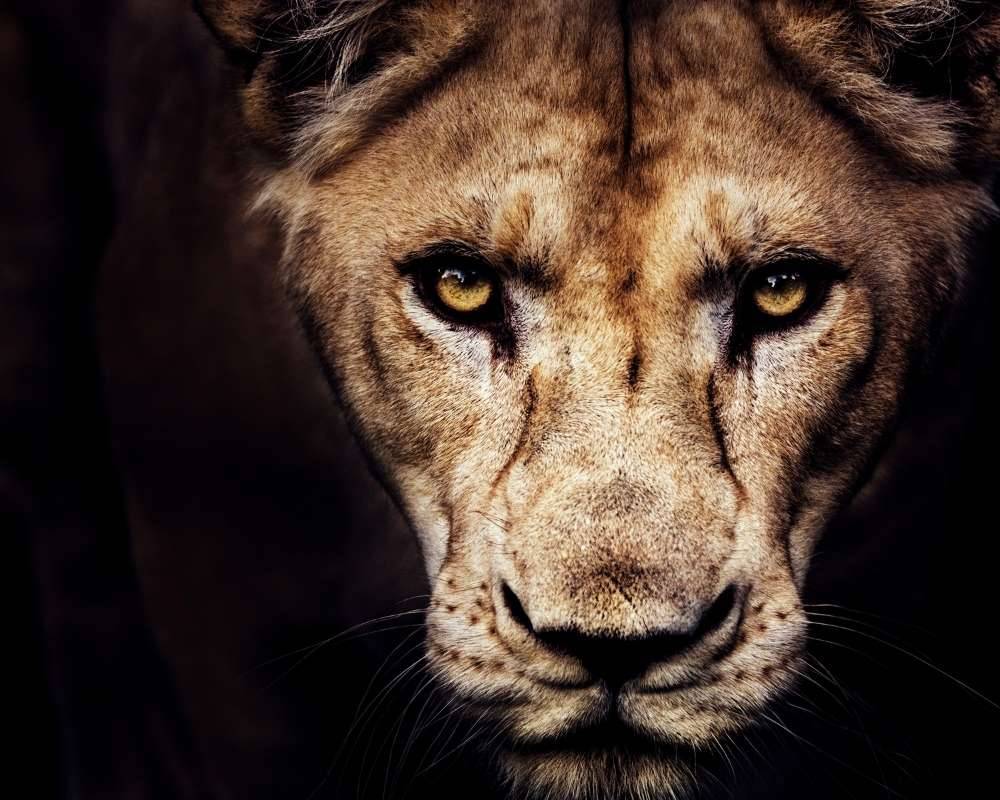
The traditions that held the lioness as sacred were watching real animal behavior and encoding what they saw. A lioness in the wild does roughly 85 to 90 percent of the hunting for her pride while also nursing cubs and holding the group’s social structure together. She is not hunting for herself. That ethological fact is the foundation the symbolism is built on, and it holds across different contexts, from Kathleen Erndl’s work on North Indian goddess traditions to Han dynasty stone guardians at temple gates.
What Does the Lioness Represent Across World Cultures?
What strikes me about lioness symbolism is how consistent it is across cultures that never shared a geographic continent or a common language. North Indian goddess tradition, ancient Egyptian royal religion, Han Chinese temple architecture, and contemporary Euro-American symbolism each arrived at the same cluster: fierce protection, gendered authority, the particular power of someone who will not move when what she loves is threatened.
The differences are in the details, and the details matter. In Hindu tradition, the lioness is the controlled power beneath the goddess, her energy directed by divine will. In Egypt, she is the goddess, and that goddess can kill you or cure you, depending. In Chinese iconography, she is the female of a pair, paw resting on a cub rather than a ball, and the gendered pairing encodes cosmic balance as much as individual power. In the Euro-American reading documented in Creative Libraries Utah’s panel analysis of lion and lioness symbolism, she appears as provider and partner, the resilience behind the throne.
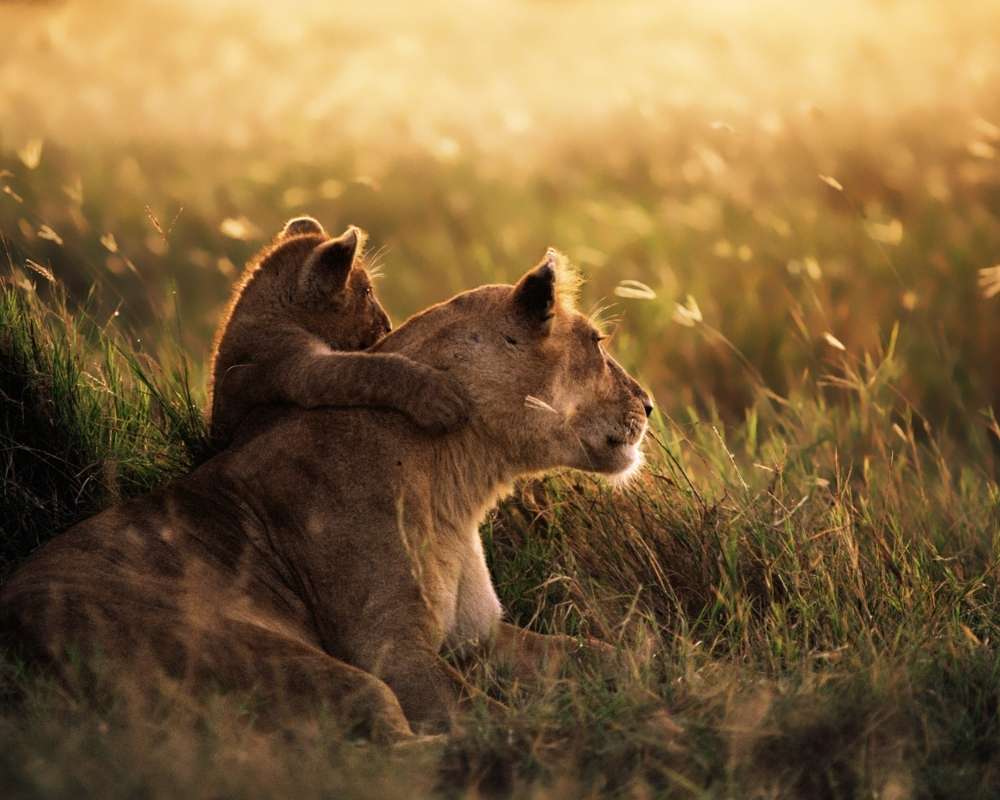
The common thread: she earns her symbolic weight through what she does, not what she is. That’s the reading I find most durable.
What Does Shakta Hinduism Say About the Lioness as Durga’s Mount?
In North Indian Shakta Hinduism, the lioness (called sherni in devotional Hindi) is Durga’s vahana, her mount, the animal whose energy she sits atop and directs. This is not a passive role. The vahana in Hindu iconography carries the deity’s nature in concentrated form; to ride the lioness is to control and channel untamed strength.
David Kinsley, in Hindu Goddesses (University of California Press, 1986), documents how Durga’s association with the lion encodes shakti, divine feminine energy, in its most martial form. Kathleen Erndl’s Victory to the Mother (Oxford University Press, 1993) goes further into the North Indian goddess traditions specifically, showing how Durga is read by her devotees as a militant but fiercely protective mother figure, and how the lioness beneath her amplifies that: controlled ferocity in service of her children.
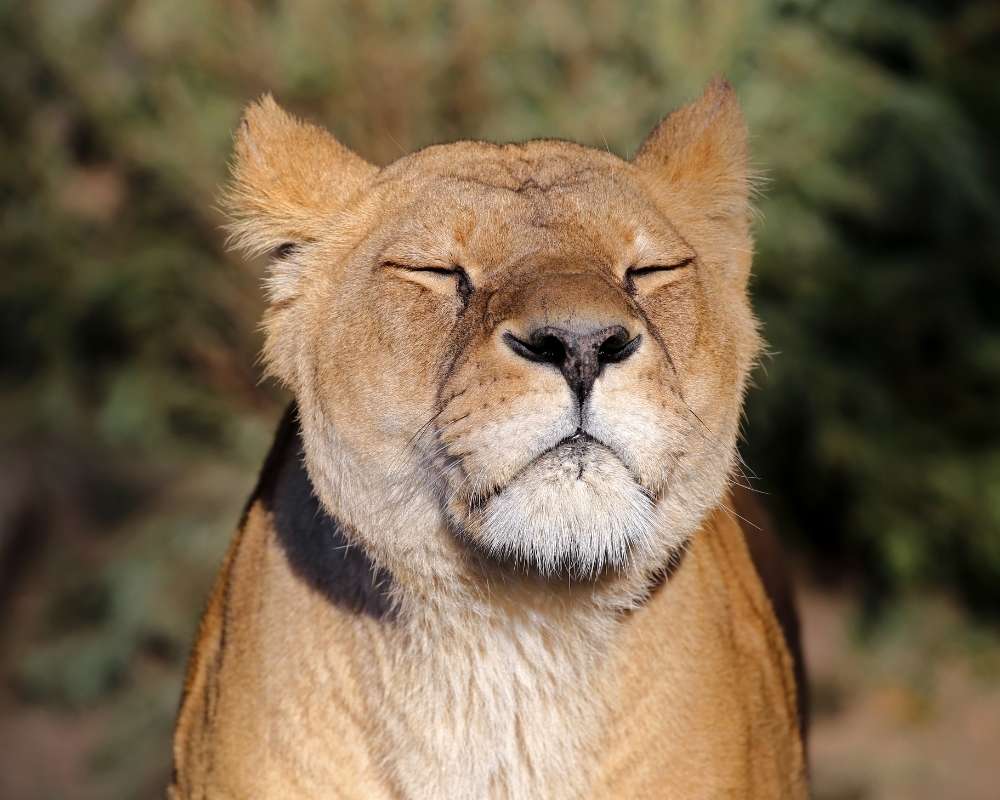
In contemporary Hindi speech, sherni has moved out of purely religious language into everyday use as a term of respect for a brave woman or an unyielding mother. The goddess model became a social one. I find that transfer genuinely interesting, the way a religious symbol migrates into a compliment and carries its original meaning intact.
How Did Ancient Egypt Use the Lioness as a Sacred Symbol?
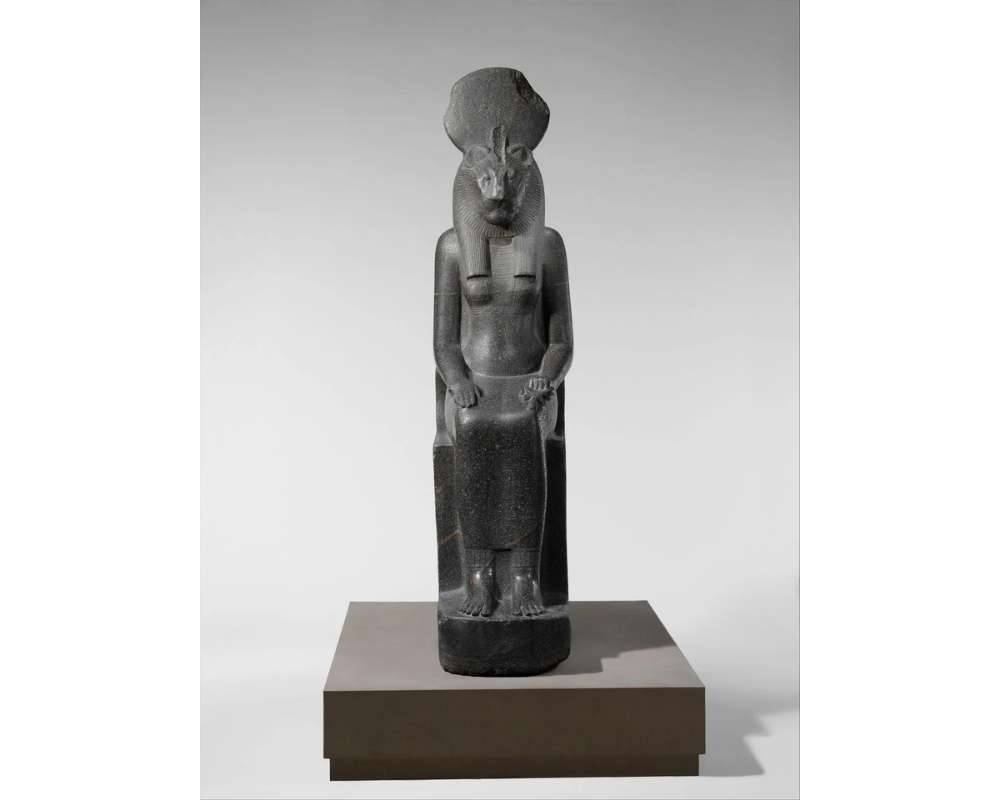
Sekhmet is a lioness-headed goddess, not a lion goddess. The distinction is specific and intentional. She is female, and her femaleness is part of her power. She governs war, plague, and healing, and the fact that she holds all three is not a contradiction in Egyptian royal ideology. It is the point.
Geraldine Pinch, in Egyptian Mythology: A Guide to the Gods, Goddesses, and Traditions of Ancient Egypt (Oxford University Press, 2002), documents Sekhmet’s role in temple ritual and in the ideology surrounding the pharaoh: she is the force that destroys the king’s enemies, and also the force that heals his people. E.A. Wallis Budge’s earlier studies of Egyptian religion fill out her solar associations. The scorching heat of the lioness was mapped onto the killing power of the desert sun, which could also ripen grain and drive disease from the body.
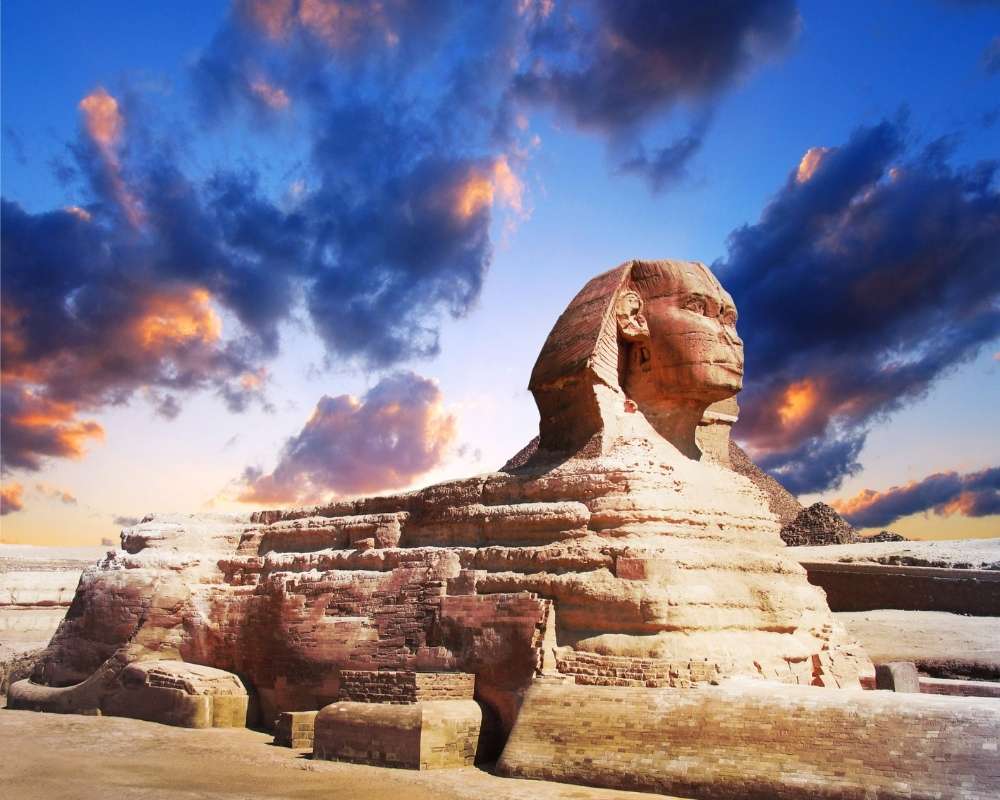
What Sekhmet tells us about lioness symbolism is that the tradition was sophisticated enough to hold destruction and healing in one figure without resolving the tension. She was not tamed into a mother symbol. She remained dangerous, and the Egyptians wanted her that way. A 2019 survey of Sekhmet temple dedications at Karnak identified over 700 seated statues of the goddess erected during the reign of Amenhotep III alone, suggesting her cult was among the most actively maintained in the New Kingdom period.
That number stopped me when I first read it. Seven hundred statues. One king. She was not decorative.
What Role Does the Female Guardian Lion Play in Chinese Spiritual Tradition?
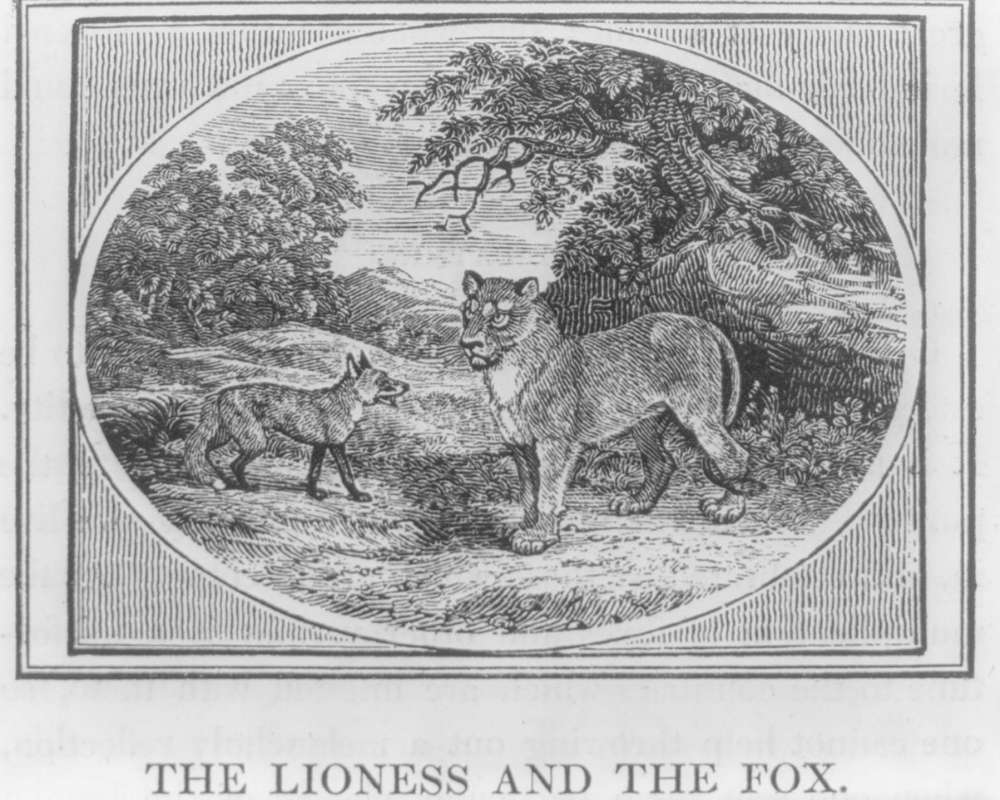
The paired shishi, stone guardian lions at the gates of temples, palaces, and imperial buildings, appear throughout Han Chinese architecture from at least the Han dynasty onward. The male holds a ball under one paw; the female holds a cub. This is not decoration. It is a precise symbolic grammar.
According to the CUNY Pressbooks chapter on lions in historical art and architecture, the female guardian lion encodes lineage protection, nurture, and the safeguarding of those within the building, while the male encodes control over the outer world. The pairing creates gendered cosmic balance. Neither is complete without the other, and together they mark a threshold between protected interior and dangerous exterior.
The cub-under-paw image carries the most weight in lioness symbolism. She is not protecting territory. She is protecting the next generation. That specific, directed form of protection is what distinguishes the female guardian from the male in Chinese iconographic tradition, and it maps closely onto what ethologists have observed about real lioness behavior: lionesses in a pride cooperatively raise all cubs, including those of other females.
What Does the Word “Lioness” Reveal About Her Spiritual Identity?
Language is not neutral. English lioness adds the feminine suffix -ess to lion, entering Middle English via Old French lionesse, ultimately from Latin leo. The form marks femaleness but keeps the full weight of the parent word. She is not diminished by the suffix. She is specified.
Hindi has two main forms. शेरनी (sherni) is the everyday word, rooted in sher (lion or tiger), a term with Persian origins that entered Hindi through Mughal courtly vocabulary. सिंहनी / सिंहिनी (sinhni / simhni) are the Sanskritic forms, derived from simhi, the feminine of Sanskrit simha. Shabdkosh documents both forms, noting that the Sanskrit-rooted versions appear in more formal and religious registers. Hinkhoj’s entry confirms sherni as the primary contemporary usage, with sinhni as the elevated literary form.
And then there is सिंहनाद (simhanada). Literally “lion’s roar.” Glossed in Sanskrit and Pali Buddhist literature as the Buddha’s proclamation of his own awakening: fearless, unapologetic, heard across the world. The lioness protects and announces. The sound is part of the symbol.
What Is the Lioness Spirit Animal and What Does It Mean for You?
If the lioness has come up repeatedly for you, in images, in dreams, in the animal you keep finding yourself drawn to without quite knowing why, the reading I’d offer is this: she is a call toward leadership that is cooperative rather than commanding, and provision that is active rather than passive.
The symbolism is not arbitrary. It maps directly onto observed behavior. A lioness in the wild does roughly 85 to 90 percent of the hunting for her pride while nursing cubs and maintaining the social structure of the group. She is not hunting for herself.
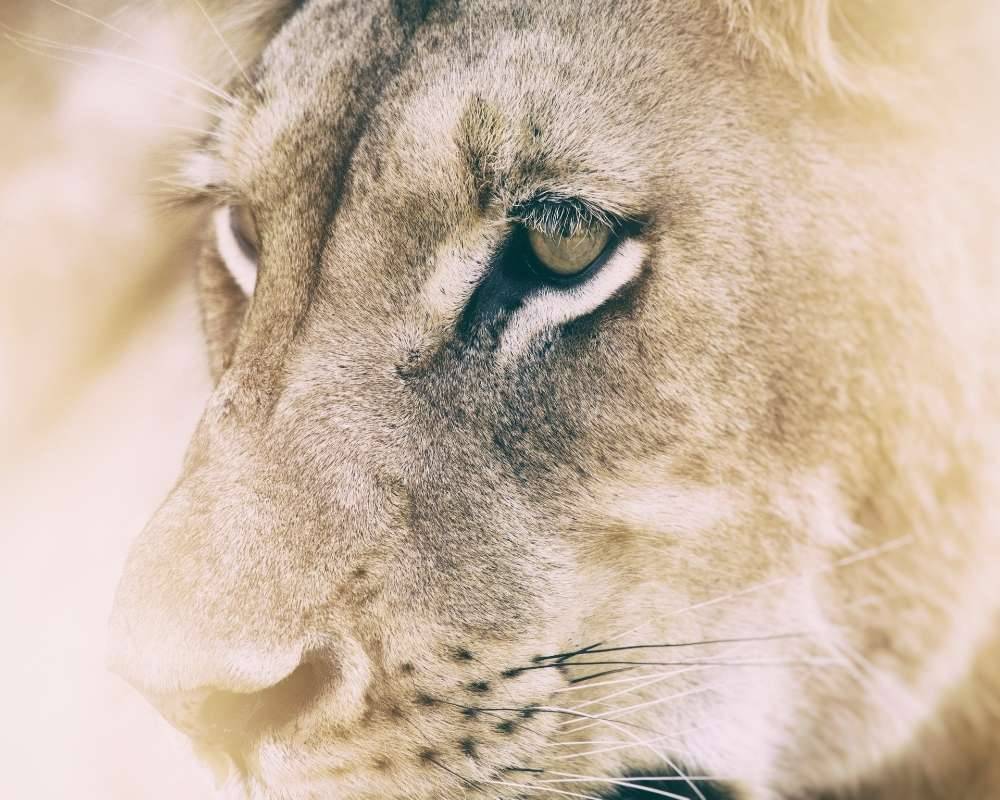
As a spirit animal, she points toward a specific question: who are you providing for, and are you doing it with your full strength? She is not about individual achievement. A lion spirit animal might be. The lioness is about what you do for the group. If you carry others, a mother or caretaker or someone who leads from behind the scenes, the lioness is a mirror for that labor. She names it as something other than ordinary.
For a broader look at how this fits into animal symbolism more generally, the animal symbolism overview on this site covers the framework I use to read these patterns.
What Is the Lioness as a Totem Animal?
A totem animal, in the way the term is used in most contemporary Western contexts, is a lifelong affinity symbol rather than a situational call. The lioness as a totem tends to appear in people who are natural providers and who struggle, sometimes badly, with the question of their own needs.
The traits that come up consistently: fierce when a line is crossed, but slow to anger about smaller things. Oriented toward the group over the individual. Skilled at reading social dynamics and knowing where the real threats are. Boundary-setting that is non-negotiable about what she protects, but flexible about most other things.
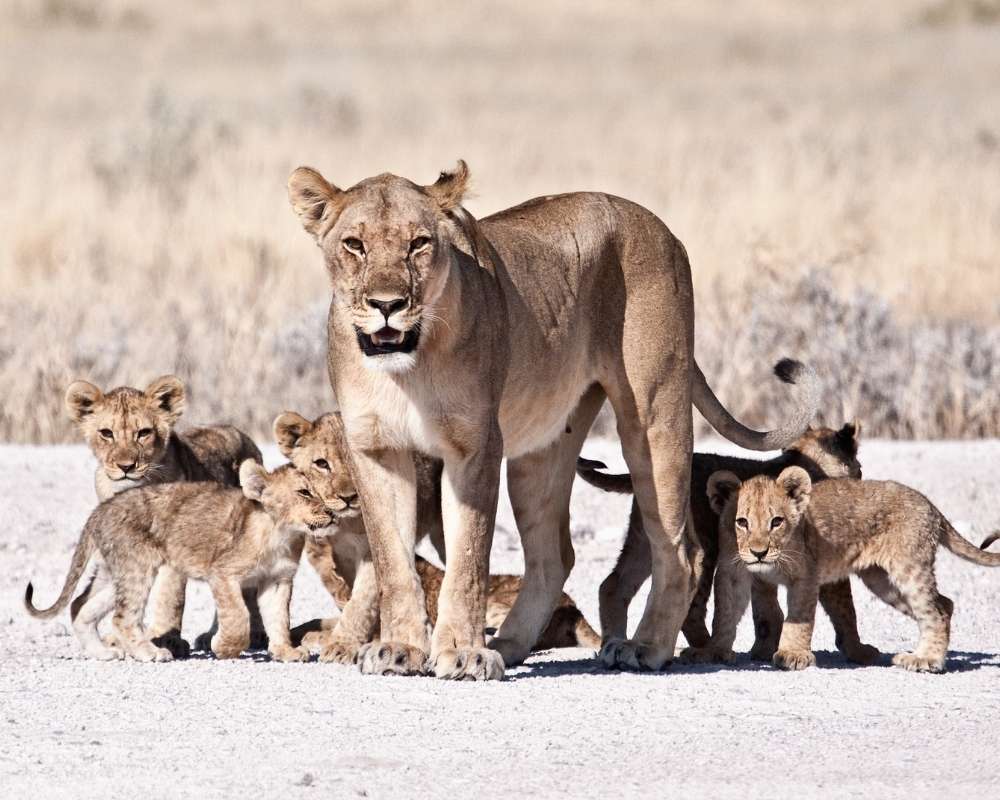
And underneath that flexibility, a weariness she does not always show.
The life lesson the lioness totem tends to carry: you are allowed to be fed. The one who hunts for everyone is also allowed to eat. I have read several versions of this reading and this one strikes me as the most honest, because it names the shadow side of the archetype rather than only celebrating the strength.
What Does It Mean to Have a Lioness as a Power Animal?
A power animal is called on for a specific situation rather than claimed as a permanent identity. The lioness as a power animal is most relevant in four circumstances: when you are protecting family or community from a genuine threat; when you need to reclaim authority that was taken from you; when you are facing someone trying to intimidate you into yielding; and when you need to provide for others and are running low on the energy to do it.
According to Lion Inside Live’s cross-cultural survey of lion symbolism, the lion and lioness together represent the full spectrum of protective authority in traditions from West Africa to East Asia. The lioness is called on when the protection is relational, when what you are defending is a person or a group, not a territory or an idea.
The practical version: if you are about to have a difficult conversation with someone who has power over you and you need to hold your ground without losing your temper, the lioness is the right image to sit with. Not the lion, who rules by presence alone. The lioness, who has done this before and knows exactly how much force to use.
What Does a Lioness Symbolize in Dreams?
Dream readings are the part of this work where I am most careful about overreach. I do not know what your dream means. Neither does anyone else who wasn’t in it with you. What I can offer is the framework that Jungian analysts and cross-cultural scholars have applied to lioness dream imagery, and you can take from it what fits.
A lioness that is calm and watching in a dream is generally read in Jungian frameworks as the anima in its sovereign form, the part of the psyche that holds fierce, undefended self-knowledge. She is not threatening you. She is observing your readiness to claim what you are. A lioness hunting tends to read as active power coming online; something dormant is becoming purposeful. A lioness with cubs is the protective instinct made vivid, and it tends to appear when someone close to you needs guarding and you know it.
Being chased by a lioness is the reading I find most interesting, and the one most sites handle badly. In Jungian shadow work, being chased by a powerful animal is not a bad sign. It is the psyche insisting you turn around. She is not trying to catch you to harm you.
A black lioness specifically carries additional shadow-side weight. Black animal imagery in Jungian reading points toward the unconscious and toward instincts that have been denied expression. I don’t have a confident answer about what a black lioness means across every tradition; the folk record on that specific image is thin. But as a psychological symbol, she tends to appear when something fierce in you has been suppressed for too long.
What Does a Lioness Tattoo Symbolize Spiritually?
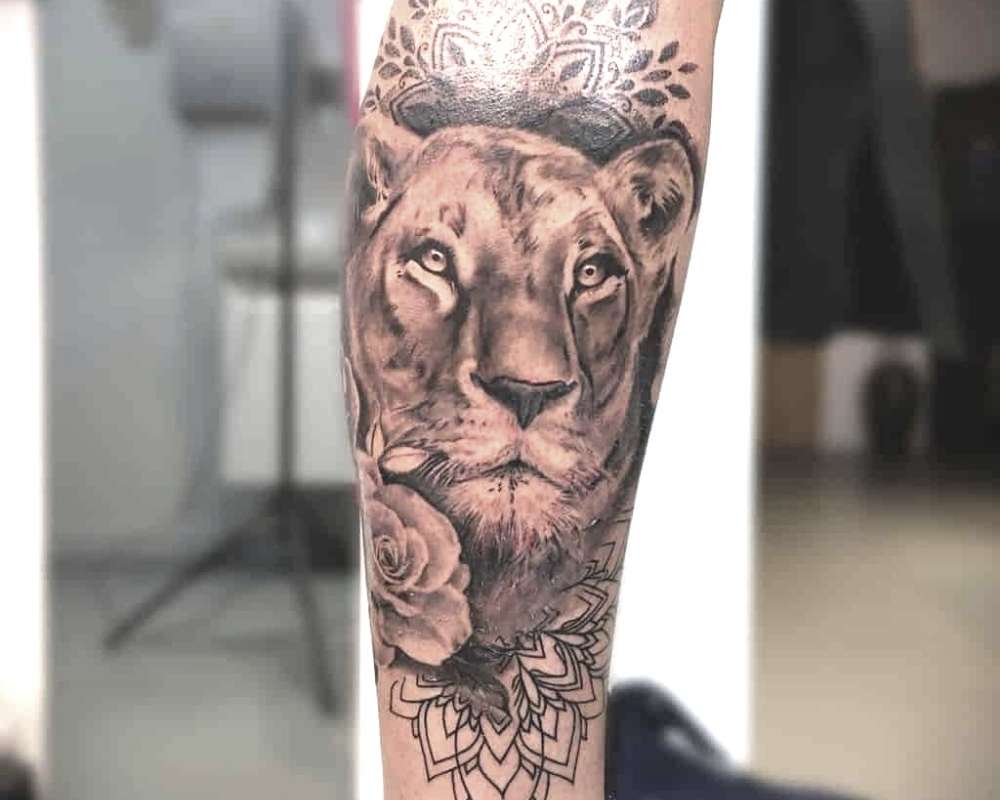
Lioness tattoos are one of the more consistent cases in body art symbolism. The people who choose them are generally naming something specific. The most common intention is protective authority: “I will defend what I love and I will not apologize for it.” The tattoo is a declaration rather than a question.
The specific imagery chosen shifts the meaning. A lioness with a crown signals sovereign femininity, authority that is self-conferred rather than granted. A lioness with cubs is almost always about parenthood or chosen family; the cub image from Chinese shishi iconography appears in tattoo culture without most people knowing its source, but the meaning transfers. A Sekhmet-styled lioness, with the solar disk above her head, pulls in the Egyptian tradition of dual power, destroyer and healer together. That’s a complicated thing to put permanently on your body, and it suggests the wearer has thought about it.
A plain lioness face, no crown, no cubs, is the most unadorned version of the statement: fierce, present, watching. That is usually enough.
How Does the Lioness Compare to the Lion as a Spiritual Symbol?
The lion rules alone. The lioness works in community. That is the sharpest single-line distinction, and it holds across traditions.
In Chinese shishi pairs, the male holds the world (the ball); the female holds the lineage (the cub). Both are necessary. Neither is superior. But they are not doing the same thing. The male faces outward; the female faces inward. The cosmic balance the pair encodes is specifically about the two modes being different and complementary, not interchangeable.
In the Euro-American reading, as Creative Libraries Utah documents in its discussion of lion and lioness symbolism, the lion represents strength, courage, and individual royal authority, while the lioness represents cooperative provision and resilience. She is not the lion minus something. She is a different archetype that shares a species. The symbolism follows the biology: male lions guard and signal; lionesses hunt and raise.
If you are trying to choose between the two as a symbol to work with, the question is not which is stronger. It is this: are you doing something alone, or for a group? That tells you which one applies.
What Spiritual Qualities Does the Lioness Embody as a Feminine Archetype?
My grandmother Theresa kept a leather notebook of animal lore from her family in the Bavarian Forest. Ravens as messengers, the owl’s call before a death, the white deer in a field. The lioness does not appear in that notebook; she is not native to northern Europe and did not figure in German folk tradition the way the forest animals did. But the pattern she represents does appear, in other forms: the protective mother who is terrifying when her children are threatened, and tender the rest of the time. That figure is older than any single tradition.
What the lioness encodes as a feminine archetype, pulling together the Hindu, Egyptian, Chinese, and Western readings: fierce protection as an act of love, not aggression. Sovereignty that requires no audience. Provision as a form of power. And the willingness to hold destruction and healing together without needing to be only one thing.
The lion is a symbol of what power looks like from the outside. The lioness is a symbol of what power feels like from the inside, when it is directed toward something that matters more than yourself. That is the distinction I keep returning to, and it is why she has carried symbolic weight in traditions that never shared a continent or a common language.
She is recognizable. She names something people have actually seen.
Frequently Asked Questions
What does it mean spiritually when you keep seeing lioness imagery?
Recurring lioness imagery, in art you’re drawn to, in dreams, in the animals that catch your eye, tends to read as a call toward your own protective instincts. The question worth sitting with is: who or what are you responsible for right now, and are you bringing your full strength to it? The lioness does not show up as a passive symbol. She shows up when something is being asked of you. I wouldn’t overcomplicate the interpretation; the image is usually pointing at something you already know.
Is the lioness a symbol of good luck?
In Han Chinese tradition, the female guardian lion placed at a building’s entrance is specifically a protective symbol; the cub she holds under her paw encodes the continuation of lineage and the safety of those inside. In that context, yes. In Egyptian tradition, Sekhmet is too dangerous for that framing. Across traditions, I’d say the lioness is less about luck and more about protection. She is not promising you good fortune. She is promising you won’t face what’s coming alone.
What does a lioness symbolize in the Bible?
The Bible uses lion and lioness imagery fairly interchangeably in some passages, and the gendered distinction is not always maintained in translation. The lioness appears explicitly in Ezekiel 19, in a lamentation about Judah’s princes, where Israel is portrayed as a mother lioness whose cubs are taken from her. The image is grief coded as ferocity: the lioness who has lost what she was protecting. In Proverbs and the Song of Songs, lion imagery signals strength and desire. I’d read the biblical lioness primarily as a figure of fierce maternal mourning.
What is the difference between a lioness spirit animal and a lion spirit animal?
The lion as a spirit animal tends to signal individual authority, confidence in one’s own power, the kind of strength that announces itself. The lioness signals cooperative leadership, provision for others, and protective instinct directed outward. A lion spirit animal asks: do you claim your own power? A lioness spirit animal asks: what are you doing with it for the people around you? Neither is superior. They are different questions for different moments in a person’s life.
What does a lone lioness symbolize versus a lioness with cubs?
A lone lioness tends to read as the sovereign self, fierce, self-contained, not yet in her provider role. Full power without the specific weight of responsibility. A lioness with cubs brings the protective dimension forward: now the power has an object, and the object matters more than the lioness herself. In Chinese shishi iconography, the cub specifically encodes lineage and the future. In dream imagery, the cub often represents something young and vulnerable in yourself or your life that needs guarding. Same nature, different context.
Is Sekhmet a lioness or a lion goddess?
Sekhmet is explicitly lioness-headed, female, and that is not incidental. Geraldine Pinch’s Egyptian Mythology (Oxford University Press, 2002) is clear on this: Sekhmet’s femaleness is part of her function. She is the scorching, dangerous, protective, and healing power of the sun expressed as a female divine figure. Some translations and popular sources blur this by using “lion” generically, but in Egyptian religious texts and temple iconography, her gender is consistent and intentional. Calling her a lion goddess loses something real about what she represents.
What does sherni mean in Hindi and why is it used as a term of respect for women?
Sherni (शेरनी) is the standard Hindi word for lioness, rooted in sher (lion or tiger), a word with Persian origins that entered Hindi through Mughal court culture. As a term of respect, it carries exactly what it sounds like: fierce, protective, uncompromising. The connection to Durga’s mount in Shakta Hinduism gives it additional weight in religious contexts. When someone calls a woman sherni, they are naming her courage under pressure, the willingness to hold a line when it matters. It is not a gentle compliment. It is a specific one.
What chakra or energy center is associated with the lioness?
I don’t have a confident answer here grounded in a named tradition. The chakra system is specific to certain schools of Tantric Hinduism and Tibetan Buddhism, and I haven’t found a well-sourced mapping of the lioness to a specific chakra in the primary texts. In popular spiritual writing she is sometimes associated with the solar plexus chakra (personal power) or the root chakra (protection, survival, grounding). Both make intuitive sense given her symbolism. But I’d be cautious about treating that correspondence as traditional doctrine rather than contemporary interpretation.
Can a man have a lioness as a spirit or totem animal?
Yes. Totem and spirit animals are not gendered assignments; they are mirrors. A man with a lioness totem is probably someone whose strength is relational and provision-oriented rather than authority-signaling. He leads by making sure others are fed and protected before himself. He is fierce about the people he loves. The lioness archetype has nothing to do with the gender of the person carrying it and everything to do with the pattern of care it names. The Chinese shishi female guardian stands at a threshold regardless of who passes through.
What does it mean to dream of a black lioness specifically?
A black lioness sits at the edge of the Jungian shadow, the part of the psyche that holds what has been pushed down or denied. Black animal imagery in Jungian dream analysis tends to mark instincts or capacities that have been suppressed. A black lioness suggests fierce, protective power that has been kept quiet for too long. She is not a threat in the usual sense. She is a part of you that has stopped waiting for permission. I’d sit with that image rather than trying to resolve it quickly into a clean meaning.
Sources
- David Kinsley, Hindu Goddesses: Visions of the Divine Feminine in the Hindu Religious Tradition, University of California Press, 1986 (JSTOR)
- CUNY Pressbooks, “Exploring the Role and Meaning of Lions in Historical Art and Architecture”
- Shabdkosh, “Lioness Meaning in Hindi”, sherni, sinhni etymology
- Hinkhoj, “Lioness Meaning in Hindi”, primary vocabulary reference
- Lion Inside Live, “What a Lion Represents in Different Cultures”
- Creative Libraries Utah, “Panel: Lion and Lioness Symbolism and Artistry”
- Wikipedia, “Cultural Depictions of Lions”, Sekhmet and Chinese guardian lion references