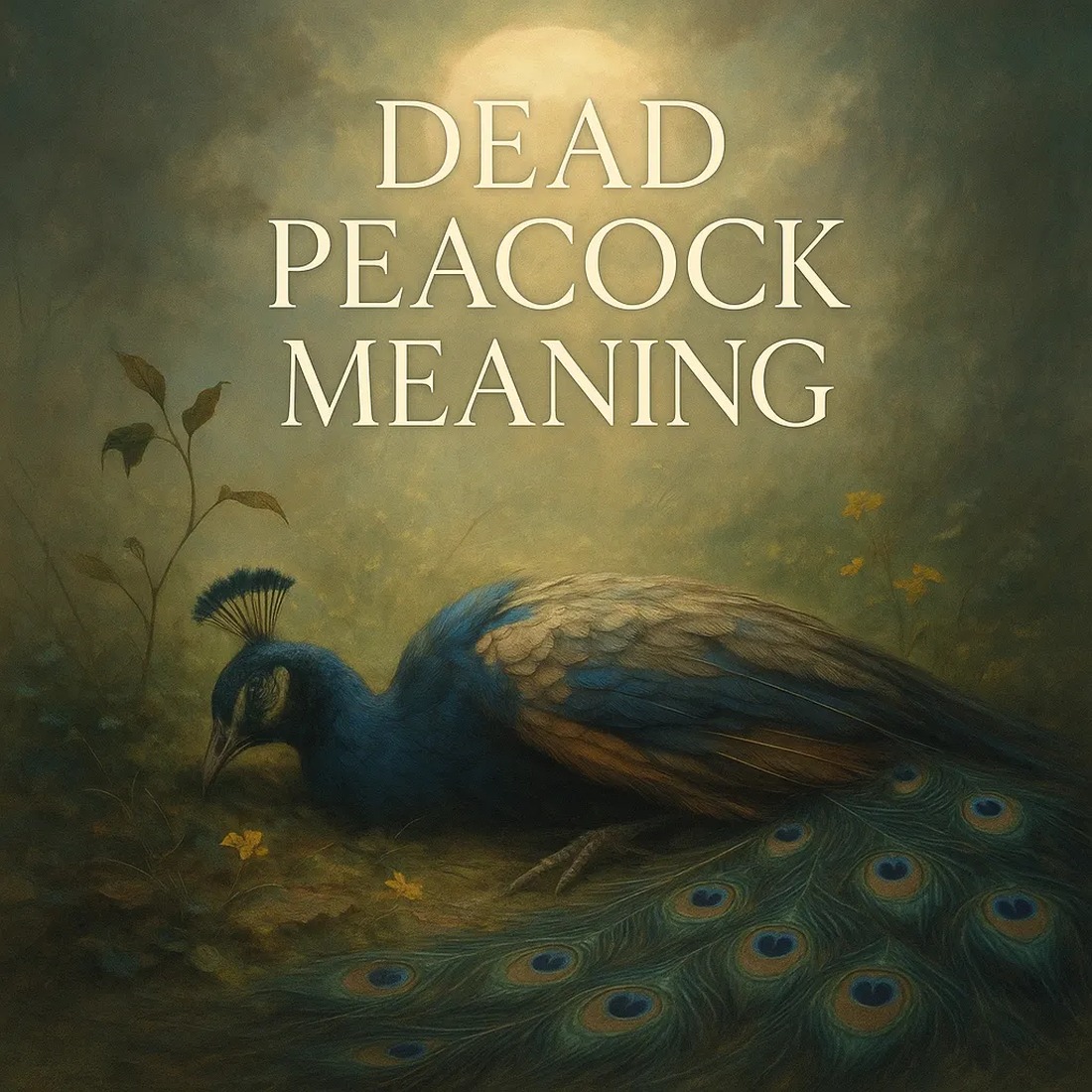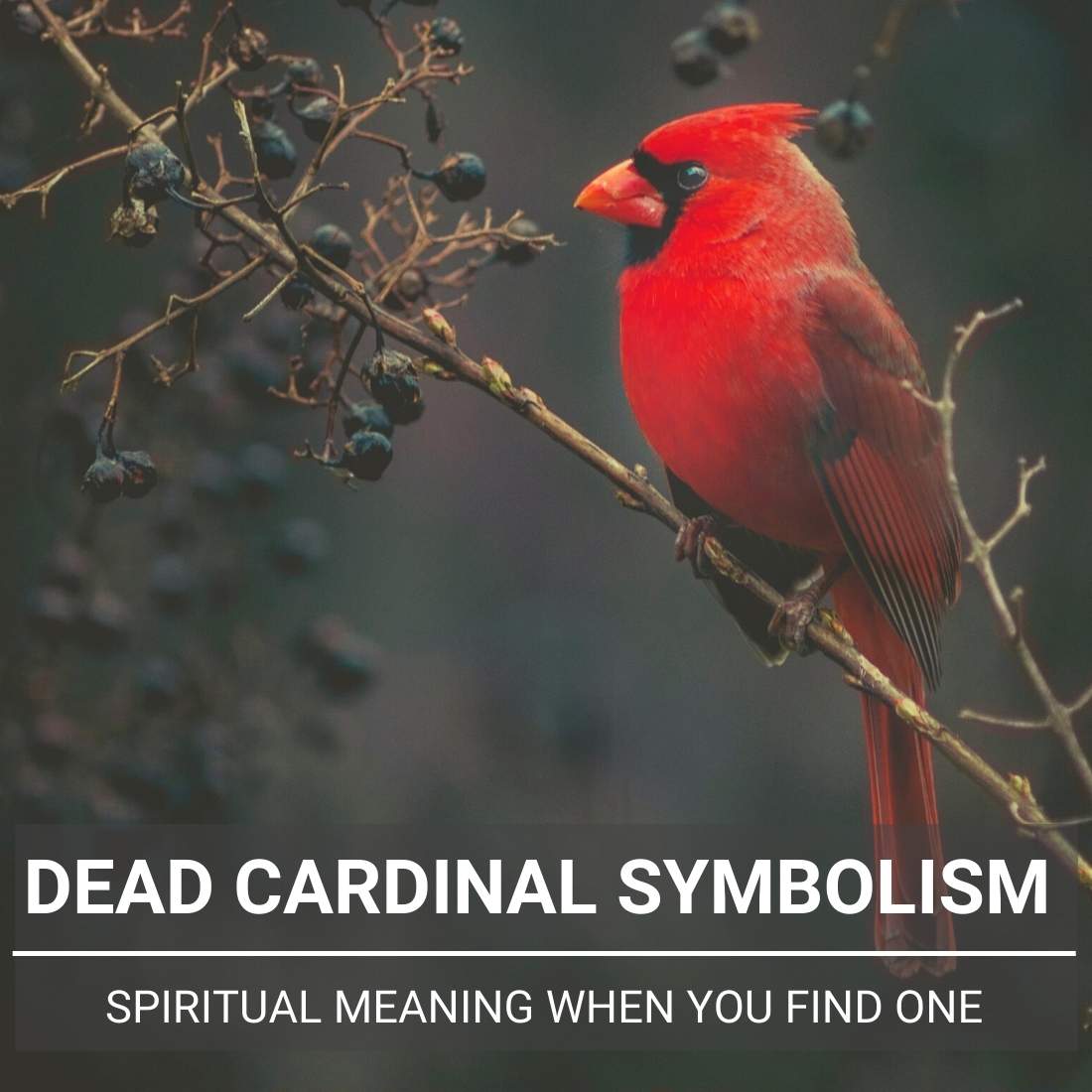
In Cherokee tradition, the Northern Cardinal is the “daughter of the sun,” a soul-carrier with ties to the celestial realm. Finding one dead stops that logic cold: the messenger has completed its visit, the work finished. Whether that completion means closure or unfinished business depends entirely on what brought you to that particular bird.
Key Takeaways
- The most consistent reading across contemporary frameworks is transition or close: a message delivered, a visit ended, not a punishment arriving.
- Cherokee oral tradition describes the living cardinal as a soul-carrier and “daughter of the sun,” but no clearly documented Cherokee teaching addresses what a dead cardinal specifically means. The “completed journey” reading is a reasonable symbolic extension, not an attested belief.
- Christian popular devotion is the engine behind most “heaven visitor” language. Official church teaching does not assign doctrinal meaning to dead cardinals; the sayings on memorial cards and funeral-home literature are popular piety, not theology.
- Where you found it matters: a doorstep, a window strike, and a backyard all pull toward different readings even within the same tradition.
- There are things you can actually do, practical and personal, that don’t require you to commit to any particular belief system to feel right.
What Does a Dead Cardinal Mean?
The most common reading across contemporary spiritual frameworks is this: transition. Not death-is-coming, not a curse. Something has shifted or finished. The red bird carried a message; when God sends a cardinal, the message has been delivered.
I think being honest about the origins of that reading actually makes it more useful, not less. Most of the meaning-making around dead cardinals is modern and devotional rather than ancient and documented. You’re not choosing between real tradition and made-up internet lore. You’re choosing between several thoughtful modern frameworks, all of which are trying to help people sit with the same uneasy thing you’re sitting with right now.
Take a breath. The older the tradition, the less catastrophic the reading tends to be.
What Does Finding a Dead Cardinal Symbolize Spiritually?
The dominant answer in North American grief culture, shaped by memorial and funeral traditions across multiple faith backgrounds, is that a dead cardinal marks the end of a visitation rather than the start of trouble. The living cardinal is already understood in popular devotion as a messenger, a bird that shows up after loss to signal that someone you loved is near. When that cardinal turns up dead, the symbolic reading follows naturally: the messenger has finished. The visit is over.
I read that as a reasonable thing for grieving minds to construct, not as something I can verify through a primary source. And the fact that you noticed this bird, that its stillness registered before you consciously processed it, that is part of what makes the moment feel significant. That noticing is part of the answer.
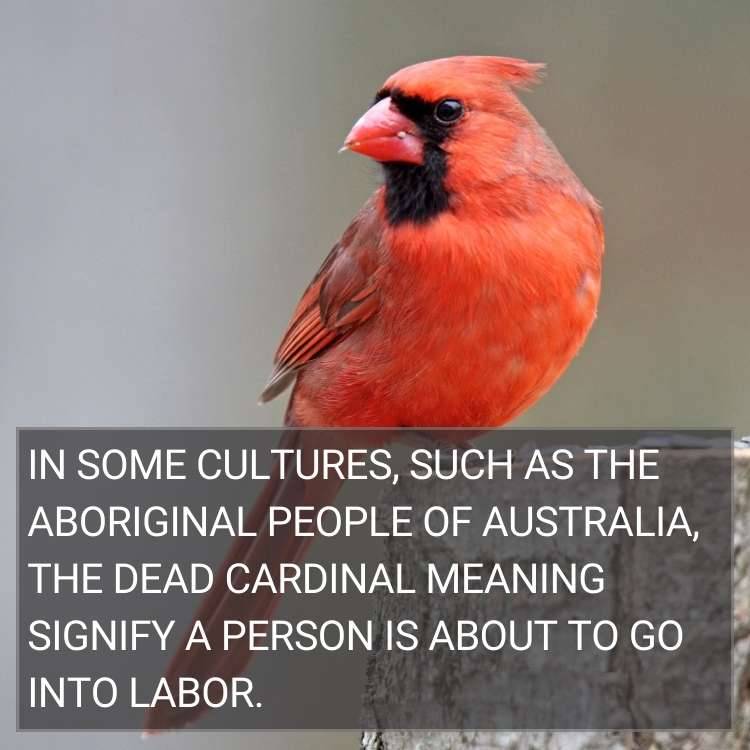
According to Seven Ponds’ overview of cardinal spiritual symbolism, cardinals appear across grief traditions as symbols of connection between the living and the dead, partly because the male Northern Cardinal stays that impossible red through winter, visible against snow when almost everything else has gone gray or gone south. A bird that refuses to disappear in the dark season carries a specific kind of weight. Its death reads less as extinction and more as departure.
What Do Cherokee and Native American Traditions Say About the Cardinal as a Soul-Carrier?
Cherokee oral tradition, summarized in ethnographic sources, describes the Northern Cardinal as the “daughter of the sun”: a bird with celestial connections, linked to weather signs and the movement of souls. In one strand of this tradition, a cardinal singing near a home signals visitors coming; a cardinal that approaches the house directly can be a soul in transit, a person who has died making contact through the bird’s form.
But I want to be direct about what the record actually says. These references concern living birds. I have not found clearly documented Cherokee teaching that assigns specific meaning to finding a dead cardinal. The “completed journey” reading, the bird’s death as the soul’s safe arrival, is a symbolic extension that makes sense within the framework, but it is not an attested teaching. It’s what a thoughtful person does with a tradition when a situation the tradition didn’t specifically address arises.
Knowing that doesn’t diminish the reading. It means you’re doing what people have always done with symbols: extending them to fit lived experience. That’s not betrayal. That’s how folk tradition actually works.
What Does Christian and Catholic Symbolism Say About a Dead Cardinal?
The bird’s name is not a coincidence. The English word “cardinal” for the Northern Cardinal comes directly from the scarlet worn by Roman Catholic cardinals, whose title derives from the Latin cardinalis, meaning principal or hinge-point, from cardo, the pin on which a door swings. Red vestments, red bird. The naming was that blunt.
From that connection, popular Christian devotion built a considerable structure. Red as the blood of Christ, the cardinal as resurrection hope, the bird in winter as life persisting through cold and dark. Sayings like “when a cardinal appears, an angel is near” circulate widely through funeral homes and memorial card printers, as Tharp Funeral Home’s memorial literature documents. These sayings are popular piety, not official doctrine. The Catholic Church does not teach that souls inhabit cardinals. A Lutheran column from April 2025 put it plainly: the cardinal is not your grandpa.
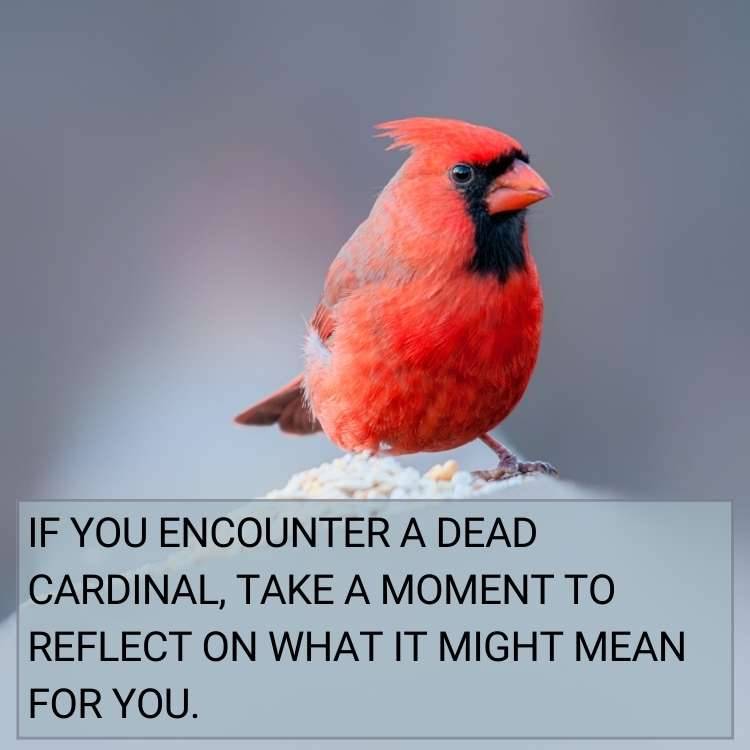
And yet the comfort those sayings offer is real. A dead cardinal in this devotional framework reads as the close of a visit, the angel departing, the connection honored and complete. That is not nothing, even if it is not theology.
What Does Choctaw “Redbird” Lore Add to the Dead Cardinal’s Meaning?
According to the Farmer’s Almanac’s summary of Choctaw redbird tradition, the cardinal in Choctaw lore functions as a matchmaker: a bird that brings a young man and woman together, a living sign of romance and partnership. The redbird here is relational, not funerary.
The “dead cardinal means the end of a relationship” reading you may have come across is a modern extrapolation from this love symbolism. It is not an attested Choctaw omen. Someone, at some point, inverted the logic: if a living redbird signals love arriving, a dead one signals love departing. That inversion is tidy and human and not inherently wrong as a personal reading, but it is drawn from someone’s inference about Choctaw teaching, not from the teaching itself.
I say this because knowing the difference lets you hold the reading more honestly. You can use it without mistaking where it came from.
Is a Dead Cardinal a Bad Omen or a Good Sign?
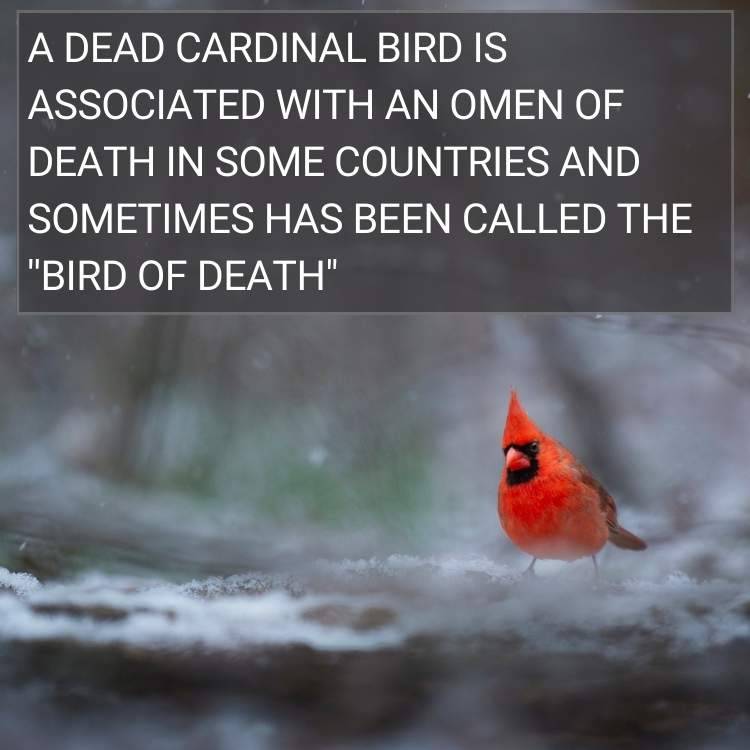
Neither, cleanly. But the fear-based reading, the idea that someone close to you will die or that something terrible approaches, is the least supported by the traditions that specifically address this bird. A general “dead bird equals bad omen” belief runs through various folk traditions, applying mostly to ravens and crows. It doesn’t attach with particular force to cardinals, which carry a different symbolic history entirely.
The more consistent reading, across both religious and secular modern frameworks, is transition. Something ending so something else can begin. A chapter closing. Maryland Nature’s fact-checking of cardinal myths notes that the devotional readings around cardinals, the heaven-visitor language, the grief-companion role, are widespread but not traceable to a single ancient source. They grew up in response to human need, and that actually makes them more reliable as cultural artifacts, not less.
You are not cursed. Nothing in the range of traditions I’ve read points at a dead cardinal and says: danger coming.
Where You Found the Cardinal: Does Location Change the Meaning?
Yes. This is where the reading gets more specific than most articles go.
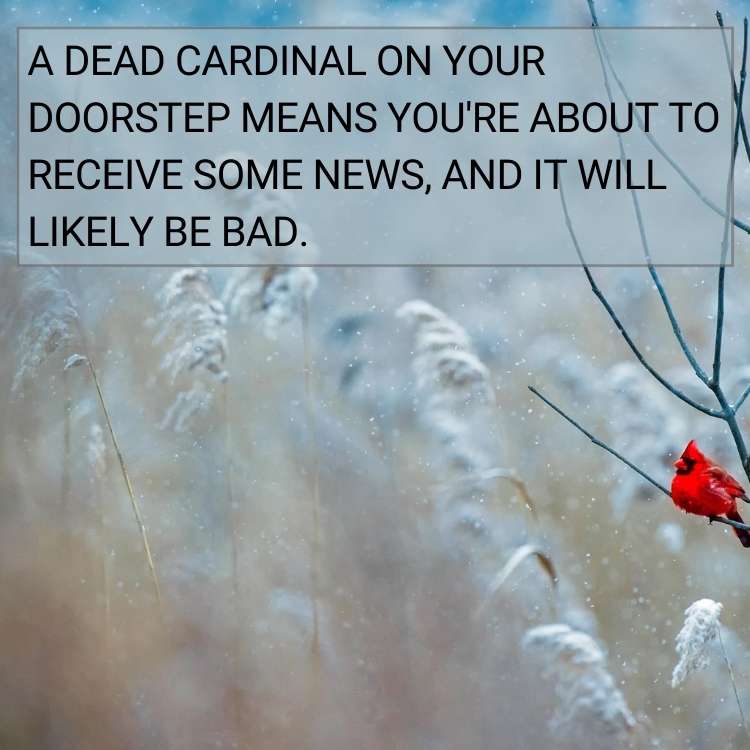
A dead cardinal on your doorstep sits at a threshold, literally. In folk traditions across cultures, Appalachian and European among them, the threshold of a home is a charged space: the edge where inside and outside meet, where the living world and whatever lies beyond it are closest. A dead bird at your door reads as a message that arrived. Not a curse. A delivered message.
Frequently Asked Questions
Is finding a dead cardinal bad luck?
Not according to the traditions that specifically address cardinals. The general “dead bird equals bad omen” belief comes from folk traditions about birds broadly, particularly ravens and crows, and gets misapplied to cardinals, which have a different symbolic history. In North American grief culture, the cardinal is a comfort bird, a grief companion, a sign of connection with the dead. Its death marks the close of a message cycle, not the start of misfortune. I read it as neutral to reassuring, not as a warning.
Does a dead cardinal mean someone is about to die?
No tradition I’ve found makes this claim specifically about cardinals. The fear that a dead bird predicts a human death is old and widespread, appearing in European folklore and some Appalachian mountain magic, but it applies to birds generally and doesn’t attach with particular force to cardinals. Cardinals carry grief-comfort associations in contemporary culture, not death-warning ones. The dread you felt when you saw it is real. But the dread is not the meaning.
What does it mean when a cardinal hits your window and dies?
Practically, it means the bird saw a reflection of sky or trees in the glass and didn’t see the glass. The American Bird Conservancy estimates up to one billion U.S. bird deaths annually from window strikes, cardinals among them. In symbolic terms, some people read a window-strike death as an interrupted message, a visit that couldn’t complete. If the bird died at your window, putting decals or film on the glass afterward is something concrete and useful you can do. That act is not unrelated to the symbolic one.
Can a dead cardinal be a sign from a deceased loved one?
According to the popular devotional framework documented by grief-support organizations like Milano Monuments, yes: cardinals are understood as carriers of the presence of the departed, and finding one dead can be read as that presence withdrawing, having made contact. Official Christian theology doesn’t support this; no church doctrine teaches that souls inhabit birds. But popular piety and official doctrine have always run on separate tracks, and the comfort the reading offers is real. I’m not going to tell you what your experience means.
What does a dead female cardinal mean compared to a dead male cardinal?
Honestly, I don’t have a confident answer here. The folk record on this specific distinction is thin, and the academic record is thinner. The female cardinal, brown with red tinges, quieter in coloring, doesn’t carry the same weight of visible symbolism as the male, whose red makes him impossible to miss in January. Some writers extend the symbolism by gender: female as the relational and inner, male as the declared and outward. But I haven’t found a specific traditional source that makes this distinction about dead cardinals specifically.
Is there a difference in meaning between a dead cardinal on your doorstep versus in your yard?
Yes, and it matters. The doorstep sits at a threshold, the charged edge between inside and outside where, in folk tradition across many cultures, messages arrive. A dead cardinal on your doorstep reads as a delivered message, something that came specifically to you. A dead cardinal further into the yard sits in more neutral territory; it’s something you found, not something that arrived. The distinction is not in the bird. It’s in the location’s symbolic weight, which is real and old and crosses many traditions.
What should I say or do spiritually when I find a dead cardinal?
You don’t have to say anything formal. But if the moment asks for something: pause before you move it. Look at it. If you had a specific person in mind, someone you’ve lost, someone you’ve been thinking about, you can speak that name quietly. Thank the bird for whatever it carried, if that framing works for you. Then bury it or wrap it and let it go. Afterward, write down what the moment felt like. Not what it meant. What it felt like. That’s the version of the record that will matter to you later.
How is a dead cardinal different in meaning from a dead crow or dead robin?
Very different, because the living birds carry different symbolic histories. A dead crow lands in a tradition loaded with death-warning and dark omens; crows and ravens have centuries of that weight in European and many indigenous traditions. A dead robin sits in spring-and-renewal symbolism; its death tends to read as the interruption of new beginnings. A dead cardinal comes from a grief-comfort tradition; it reads as the close of a connection rather than a warning of one. For more on those readings specifically, see the articles on dead crow meaning and dead robin meaning.
Sources
- Milano Monuments, The Symbolism of Cardinals in Grief and Cultures
- funeral.com, Red Cardinal at Christmas: Meaning, Symbolism, Myths
- Seven Ponds, The Spiritual Symbolism of Cardinals
- The Lutheran Column, Reincarnation Myths: That Cardinal Is Not Your Grandpa (2025)
- Farmer’s Almanac, Cardinals: Legends, Lore, and Spiritual Symbolism
- Birdfact, Northern Cardinal Symbolism
- Tharp Funeral Home, The Meaning of Seeing a Red Cardinal at Christmas
- Catholic Company, The Surprising Symbolism of Cardinals in the Spiritual Life
- Maryland Nature, The Facts and Myths About Cardinal Birds
- Psyculator, Dead Cardinal Meaning: Symbolism of Finding a Dead Red Cardinal