
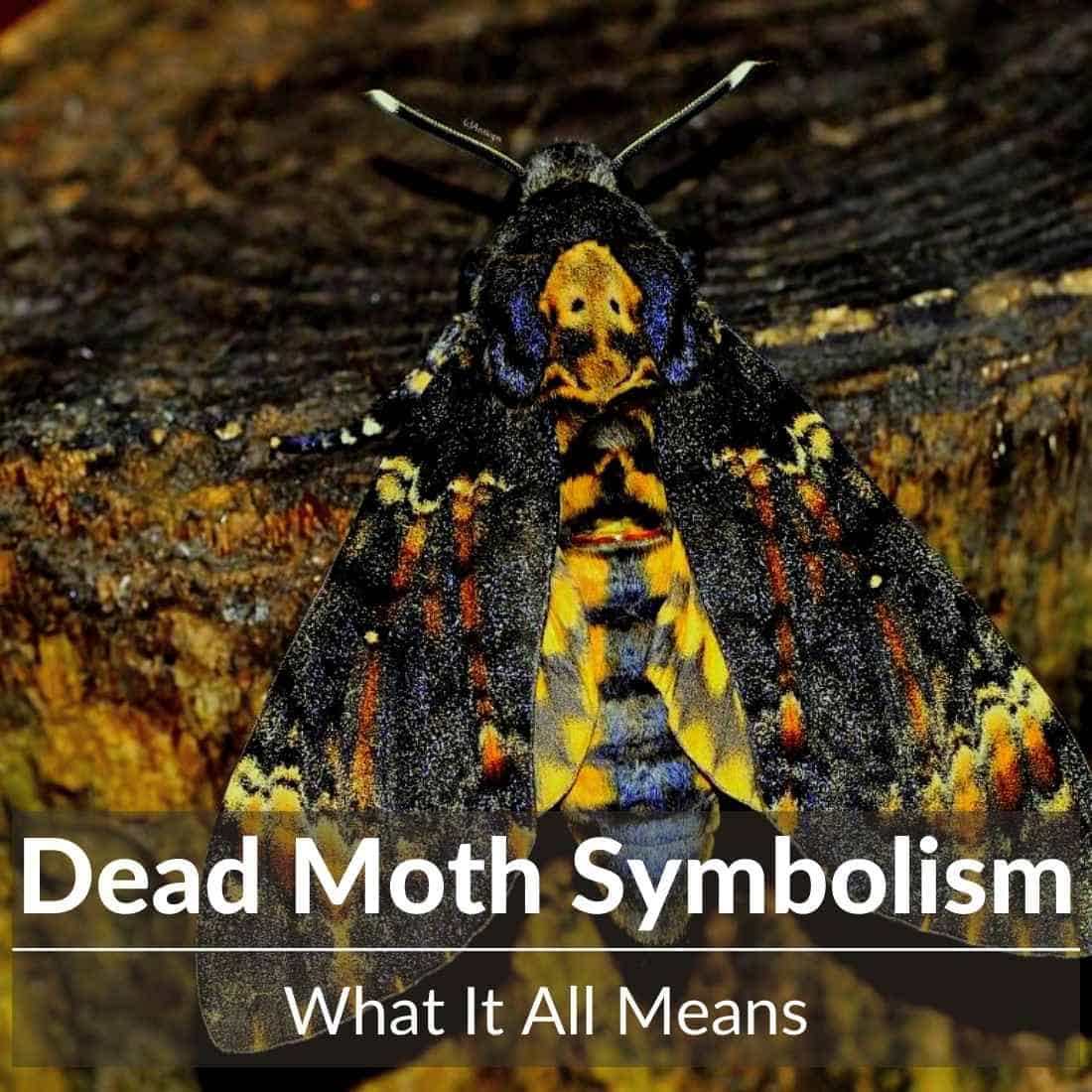
Most folk traditions read a dead moth not as a warning but as a sign of something completing. A cycle ending. A phase running its natural course. What that means for your specific situation shifts depending on where you found it, which species it was, and if you’re already in the middle of something changing.
Key Takeaways
- A dead moth in most traditions signals a completed cycle, not literal death or coming misfortune.
- The death-omen associations belong to two specific species: the black witch moth (Ascalapha odorata) in Mexico and the death’s-head hawkmoth (Acherontia atropos) in England and Germany. A common house moth carries neither of those histories.
- Location shifts the reading: inside the house points inward toward personal change, on a threshold points toward something departing, on a windowsill sits between both.
- White moths carry a softer symbolism in several traditions, soul, farewell, gentleness, distinct from the marked omen species.
- The Old English word moththee meant cloth-eater, not death-bringer. The death connection came later, attached to specific species, not to moths as a category.
What Does It Mean When You Find a Dead Moth?
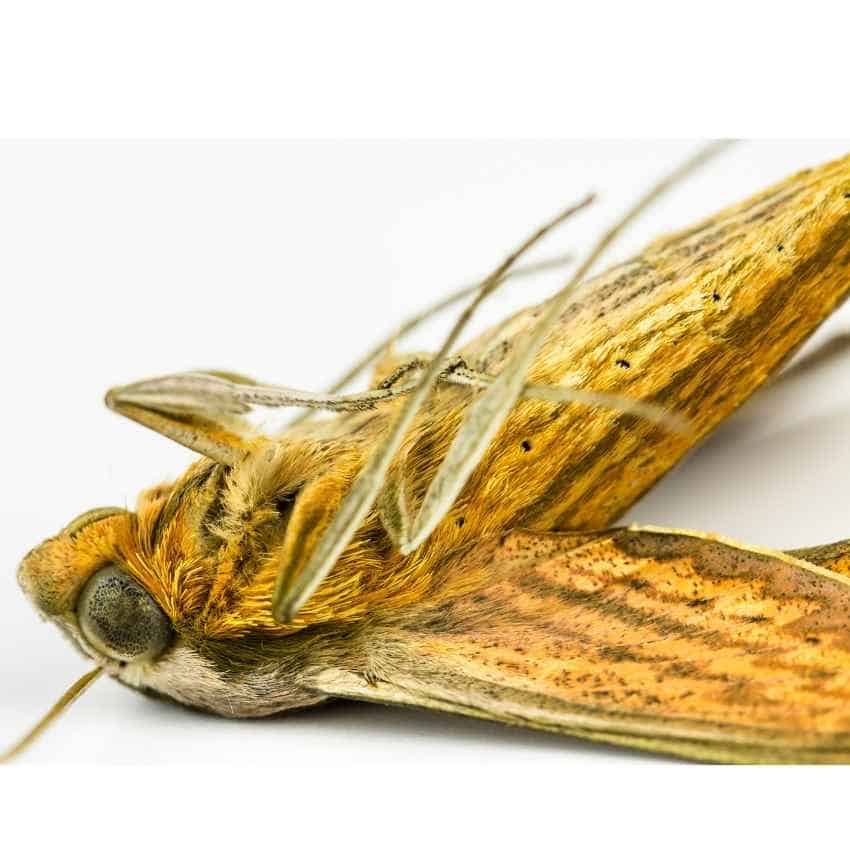
The short answer: across most folk traditions, a dead moth is a sign of transition, not catastrophe. Something has run its course. A phase, a pattern, maybe a way of thinking you’ve been carrying longer than you realized. The moth’s life, egg to larva to pupa to adult, is short and complete. Finding the adult at the end of that arc is less like finding a corpse and more like finding a finished thing.
You’re not making this up when you feel the weight of it. Humans have been attaching meaning to insects near thresholds and windows for a very long time, and the symbolism that survived is mostly about passage, not punishment.
I should say clearly what I am before we go further. I’m Richard Alois. I write about animal symbolism from a naturalist’s position, and I’ve spent years in raptor rehabilitation at a local wildlife center. I don’t believe moths carry messages from the dead. But I do believe the human mind reaches for meaning when it needs to process change, and the folk traditions around moths are specific enough to be worth knowing.
What Do Different Cultures Say About Moths and Death?
Three traditions, three different readings. The differences matter if you’re trying to figure out which one, if any, applies to what you saw.
According to Alfredo Lopez Austin’s The Human Body and Ideology (1988), Nahua cosmology connected night-flying creatures to the underworld and restless spirits. In central and southern Mexico, this gave rise to the mariposa de la muerte tradition: a large black witch moth (Ascalapha odorata) seen entering a sickroom is read as a sign the ill person will not recover, or as the soul of someone recently dead making a last visit. The belief sits inside post-Conquest folk Catholicism but draws on pre-Columbian Nahua underworld associations. The key detail is this: it’s a specific species, large and unmistakable. Not any moth that crosses a threshold.
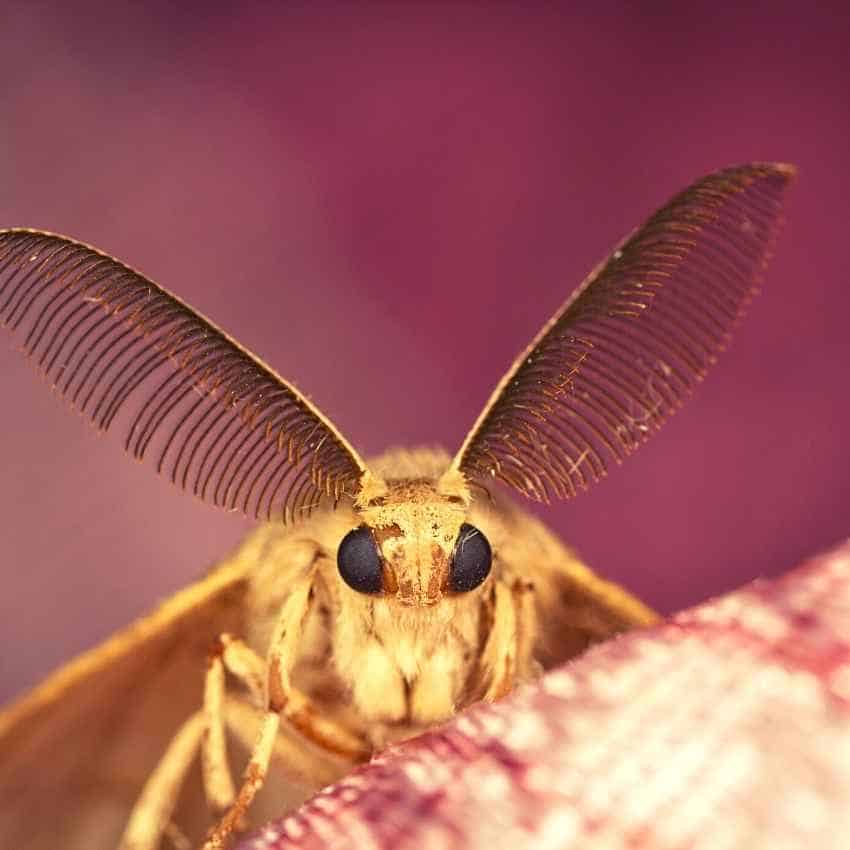
In Japanese folk religion, the line between moth and butterfly is less fixed than in Western taxonomy. Lafcadio Hearn, in Kwaidan (1904), recorded the belief that a lepidopteran entering the home can be a visiting soul, hovering near the body or the altar during a wake. This blends Shinto ancestor-presence with Buddhist rebirth thinking. A moth at a memorial isn’t alarming in this frame. It’s recognized. It’s greeted.
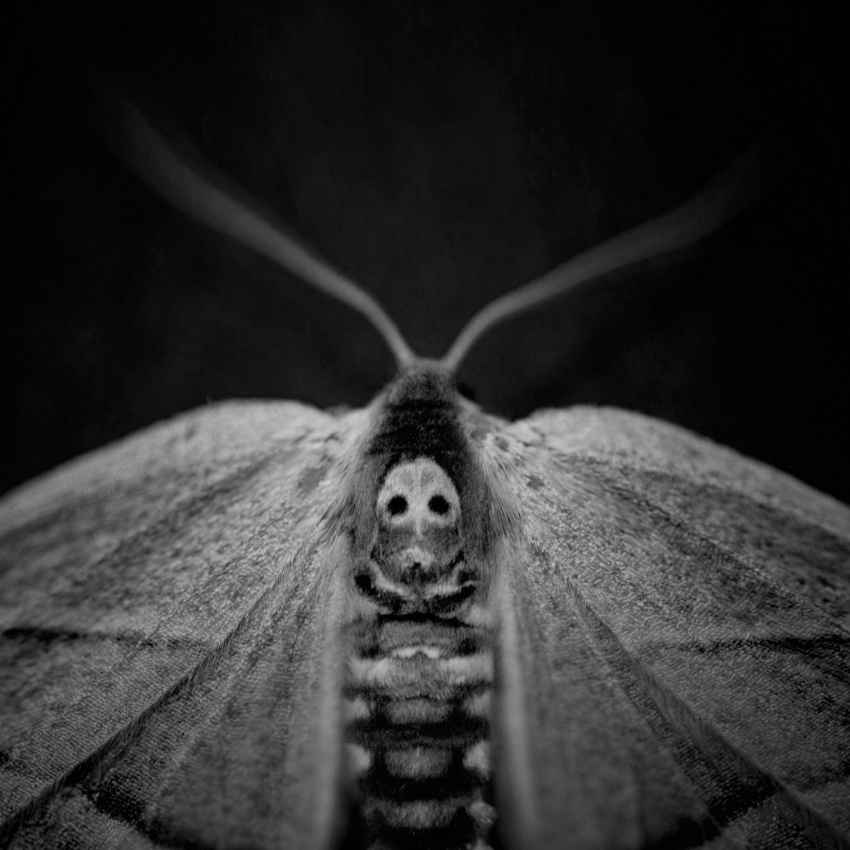
And then there is the death’s-head hawkmoth. That name. Acherontia atropos, named for the river of the underworld and the Fate who cuts the thread. Richard Mabey and Peter Marren document in Bugs Britannica (2010) that English and German rural folk belief attached sickroom omens to this moth for two centuries. The skull marking on its thorax, plus a squeaking sound it makes when disturbed, plus its habit of entering beehives at night, it earned a reputation unlike any other European moth. But it’s one species. One very specific, very visible, very loud species. The small brown moth on your windowsill is not it.
Does Where You Found the Dead Moth Change Its Meaning?
Yes. Location carries weight in almost every tradition that takes moths seriously.
Inside the house points inward. The folk reading is personal: something in your inner life completing, a cycle in your habits or thinking reaching its natural end. Not forced. Not dramatic. Just done.
On the doorstep or threshold, the reading shifts outward. Thresholds have held symbolic weight in folk belief from pre-Roman Europe through the Appalachian Mountain Magic traditions I live near here in Black Mountain (though I don’t claim them). A dead moth on your threshold is most often read as a marker of transition between two states, something departing from your life, or a last gesture from something that has already left.
On the windowsill is the in-between. Inside-outside, seen-unseen. Folk readings here tend toward the soul-farewell interpretation: something that loved warmth and light found its way to the glass and stopped there. I don’t know exactly why the windowsill reading developed this way across so many unconnected traditions. I’ve read four separate accounts of it, and I trust the convergence more than any single source.
If you want to read more about moths in the home specifically, I’ve written a longer piece on what it means when a moth is in your house that covers the alive-moth encounter in more depth.
Is a Dead Moth Actually an Omen of Death?
Not in any general sense. No.
The death-omen tradition belongs to two marked species, not to moths as a category. And even within those traditions, “omen of death” doesn’t mean “you or someone you love will die soon.” It means a soul is near. A threshold is being crossed. The Nahua reading is closer to acknowledgment than to prophecy.
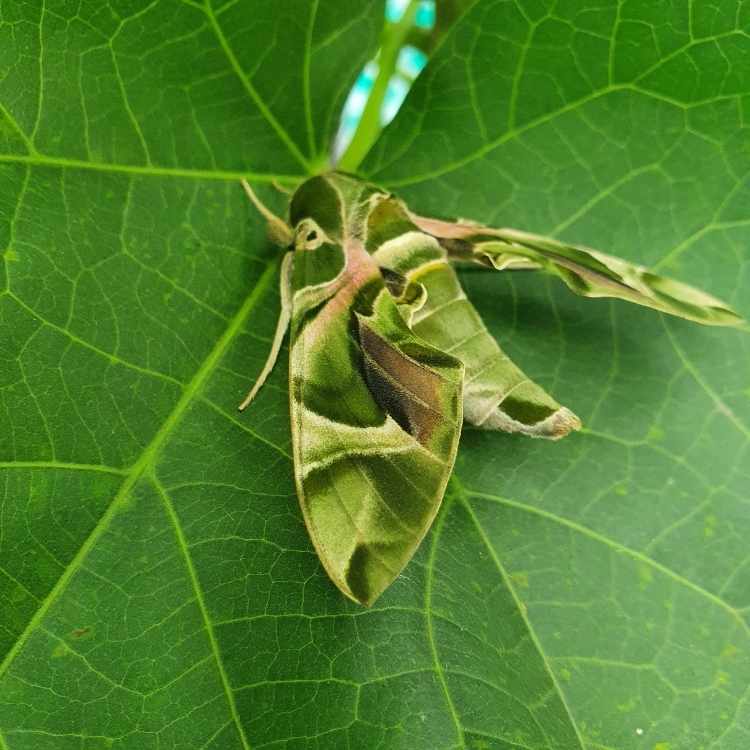
Here is something worth knowing if you searched “are moths attracted to dead bodies”: forensic entomology research from the Australian Museum shows the primary insects drawn to decomposition are blowflies and dermestid beetles, not moths. Moths appear only in the late stage, when the body has dried, to feed on remaining hair and fiber. They are not drawn to fresh death. The folk connection between moths and death is symbolic and old; the scientific connection is narrow and specific. Both of these facts are true at the same time.
“Looked it up and it says it’s a bad omen…” That sentence appears in spirituality forums often enough that I’ve started to recognize it. The person writing it almost always has a trailing ellipsis. They don’t want it to be true. And from what I can trace across named traditions, for a common moth, for most encounters: it isn’t.
What Does a Dead White Moth Mean Specifically?
White changes things.
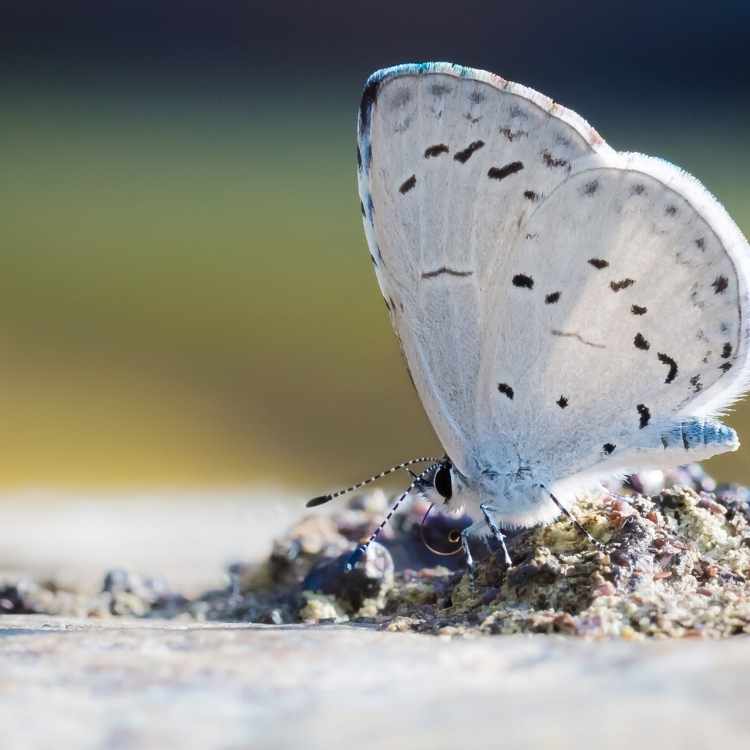
In Japanese folk belief, white is the color of mourning and also of purity; a white moth near a death or altar is a gentle presence, not a dark one. In English and Irish folk tradition, white moths are associated with the souls of the recent dead, specifically the gentle or beloved dead: grandmothers, children, the long-anticipated. They’re not feared. They’re recognized and, in some accounts, spoken to.
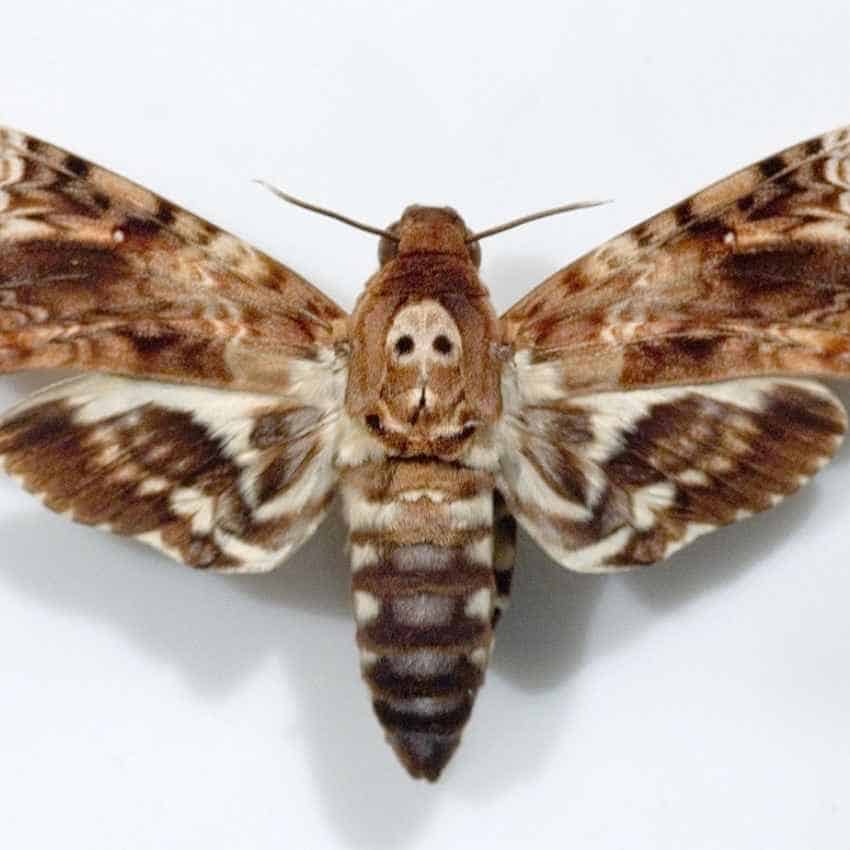
The contrast with the black witch moth could not be sharper. Black, large, marked with a skull, that is the omen species. White, soft-winged, silent, that is the farewell species. If you found a white moth and it unsettled you, the tradition I trust most reads it as comfort, not warning.
What Does the Word “Moth” Actually Tell Us About Its Symbolism?
The Old English word is moththee. It comes from Germanic roots shared with Old High German motte, and it referred, first and for a long time, to the insect that ate your wool. Your grain. Your stored cloth. A pest word, not a death word.
The connection to impermanence came from that: the moth as the thing that destroys what you thought you had kept safe, the thing that finds what you stored away. That’s worth knowing because it separates the common moth from the death-moth symbolically. The cloth-eating moth and the death’s-head hawkmoth are both called “moth” in English, but they carry entirely different histories.
Butterflies got the soul-symbolism more directly in Western European tradition. Moths got the night, the skull-marked exception, and the association with attraction to dangerous light. Those are not the same thing, and most articles about moth symbolism collapse them together in a way I find frustrating, or rather, careless. The categories matter.
What Should You Do After Finding a Dead Moth?
This is what people actually want to know, even when they phrase it as a search for meaning.
Move it gently. You don’t need gloves; it’s not a biohazard. A piece of paper, a careful scoop. Bury it if you want to. Leave it at the base of a tree or in a garden if that feels right. The act of moving it with care rather than disgust is, in most folk traditions, sufficient acknowledgment that you noticed something.
If the encounter landed during a hard stretch, a loss, a transition, the kind of week where you’re already watching for signals, sit with that. The folk traditions around moths developed because humans going through hard things needed a language for what they were observing. You’re not obligated to believe in omens to use that language. Sometimes naming the transition is the point.
According to research on insect decomposition behavior, moths are not drawn to fresh death the way blowflies are; a dead moth in your house arrived for ordinary reasons, light, warmth, the end of a short life. Knowing that doesn’t cancel the other question. But it helps to hold both at once.
Frequently Asked Questions
Is finding a dead moth inside my home bad luck?
Not by any folk record I can trace. A dead moth inside the house is most often read as a symbol of a completed cycle, something in your life reaching its natural end rather than being cut short. The bad-luck associations belong to the death’s-head hawkmoth (Acherontia atropos) in 19th-century English and German rural belief, and the black witch moth in Mexican folk tradition. Neither of those is a common house moth. A small brown moth that died near your lamp is not carrying that weight.
What does it mean if a moth dies right in front of me?
In Japanese Shinto-Buddhist folk belief documented by Lafcadio Hearn in Kwaidan (1904), a moth dying in your presence near a time of grief or transition is read as a soul completing its departure, a last visible moment rather than a warning. The timing and the fact that you witnessed it are part of the reading. I wouldn’t dismiss that framing. Whether you read it as supernatural or as a meaningful coincidence your mind is rightly flagging, the response is the same: you noticed something, and the noticing tells you something about where you are right now.
Are dead moths associated with a specific deceased person trying to contact me?
In some traditions, yes. Japanese folk belief and Irish folk tradition both hold that a moth near a recent death site or memorial can represent a departing soul. I’m not able to tell you whether that is literally true. I don’t know, and I won’t pretend otherwise. What I can say is that the human need to see the dead in the living world is old, cross-cultural, and not a sign of weakness. If the moth felt like someone specific to you, that feeling deserves to be taken seriously rather than explained away.
What is the difference between a dead moth and a dead butterfly in terms of meaning?
Butterflies received the soul-symbolism more directly in Western European tradition, appearing in Christian iconography as resurrection symbols from at least the medieval period. Moths got the night-side: hidden light, the skull-marked exception, impermanence. A dead butterfly tends to be read as hope or transformation completed; a dead moth tends to be read as a cycle ending or a soul departing. The emotional register is different even when the symbolism overlaps.
Does the species of moth change the spiritual meaning?
Yes, and this matters more than most articles acknowledge. The death’s-head hawkmoth (Acherontia atropos) carries centuries of specific omen association in England and Germany because of its skull marking and unusual behavior. The black witch moth (Ascalapha odorata) carries the mariposa de la muerte tradition in Mexico. A common clothes moth or small brown house moth carries neither of these histories. Species identification is the first question worth asking before you interpret any moth encounter.
What does it mean to find a dead moth repeatedly over several days?
The cluster experience is the one that shakes people most, the sense that this is happening specifically to you, more than once, in the same space. I take that seriously as a psychological signal without claiming to know the cause. In folk tradition, a recurring pattern intensifies the reading rather than changing it; the cycle-ending interpretation becomes harder to ignore. Practically, repeated dead moths near a window may also have an ordinary explanation: a moth population that entered looking for warmth and couldn’t find its way back out. Both things can be true at the same time.
Is there any scientific reason moths are connected to death symbolism?
The forensic entomology record shows that moths are not primary corpse scavengers. Research from the Natural History Museum London confirms that blowflies arrive within minutes of death; dermestid beetles follow in later stages. Moths appear only at the very end of decomposition, feeding on dry hair and textile fiber. The visual connection in folk tradition almost certainly came from observation of the death’s-head hawkmoth near sickrooms, not from watching moths on bodies. The skull marking did the symbolic work; actual behavior was secondary.
Sources
- Australian Museum, Decomposition and Corpse Fauna
- Wikipedia, Death’s-head hawkmoth (Acherontia atropos)
- Affinity Bio, Why Flies Are Attracted to Dead Bodies
- Natural History Museum London, Forensic Entomology
- Amateur Entomologists’ Society, Forensic Entomology
- PMC, Forensic Entomology Review
- Alfredo Lopez Austin, The Human Body and Ideology (1988), Nahua soul and underworld associations
- Lafcadio Hearn, Kwaidan (1904), Japanese moth-as-soul folk narrative
- Richard Mabey and Peter Marren, Bugs Britannica (2010), English death’s-head hawkmoth sickroom lore

Wow. Thank you Very detailed info. I learned a lot more than I thought I would. And am now very interested in knowing/learning more. Thanks!
Dear Malisa, I’m so glad to hear that you found the article insightful and informative!
It’s always exciting to delve into the world of symbolism and discover new layers of meaning. If you’re interested in learning more, there’s a whole universe of symbols waiting to be explored.
Keep following your curiosity, it’s a wonderful guide. Thanks for your kind words!
Richard