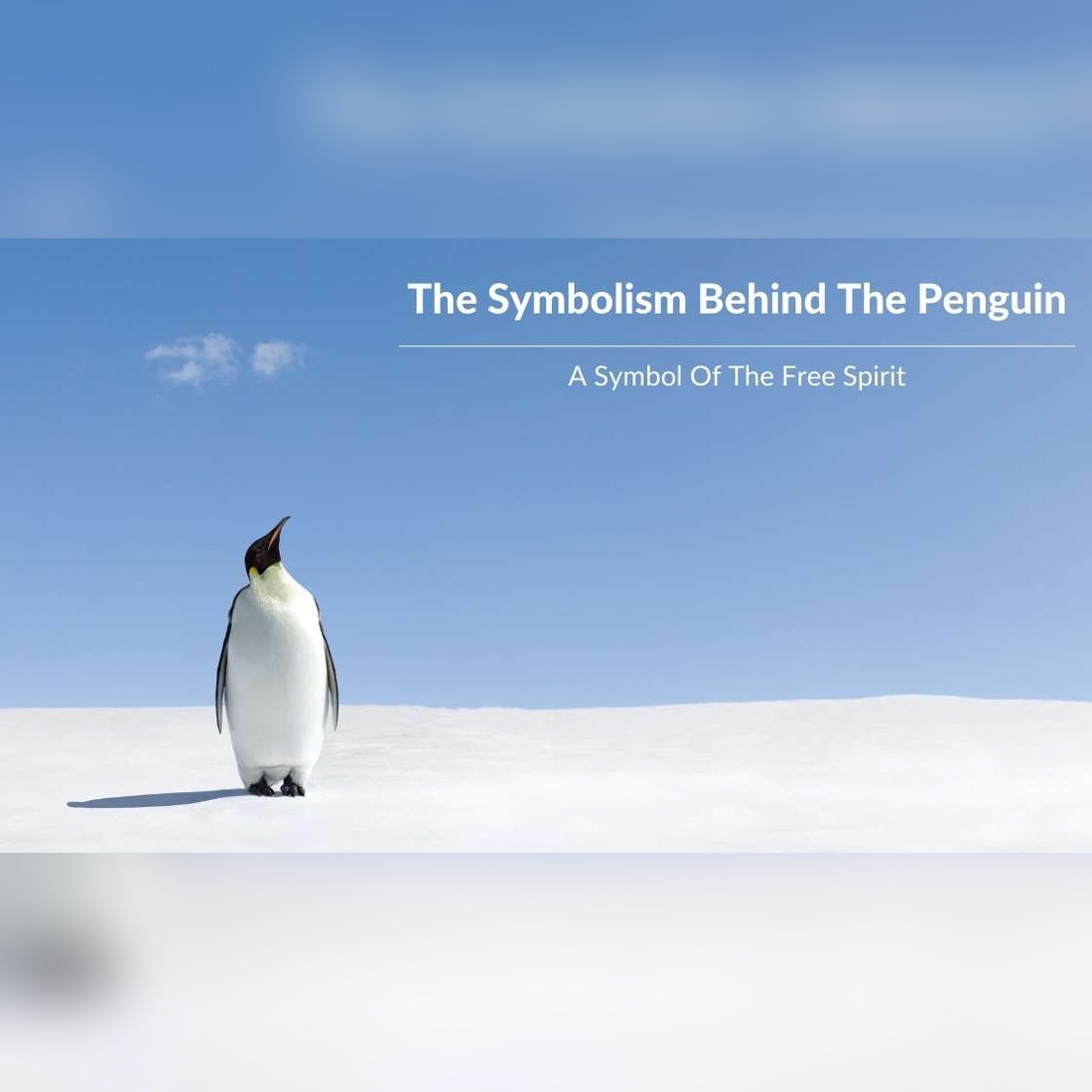
Penguins stand for survival through brutal cold and sticking with your group, no matter what. Kāi Tahu people of New Zealand have held this meaning longest, calling penguins taoka, or treasured beings that demand care and respect. But the symbol flips hard depending on who’s reading it: an Indigenous guardian sees something totally different than a European explorer did.
Key Takeaways
- Penguin symbolism is primarily modern, drawn from natural history and polar exploration rather than from ancient mythology or pre-colonial doctrine.
- The strongest documented Indigenous relationship is Kāi Tahu (Ngāi Tahu) of Aotearoa New Zealand, which frames named species as taoka (treasured beings) and centers kaitiakitanga (guardianship) rather than generic omens.
- Penguin pair bonds are mostly monogamous and sometimes decades-long, but the specifics vary by species and circumstance. The “mates for life” claim is an oversimplification.
- Claims linking penguins to Inuit or Arctic peoples are factually wrong. Penguins live in the Southern Hemisphere. No Inuit community has ancient penguin tradition because they never encountered penguins.
- Spirit and totem meanings are most useful when grounded in documented behavior, not invented folklore.
What Do Penguins Symbolize?
The core modern meanings are endurance, communal loyalty, devoted partnership, and adaptability. They’re not arbitrary. They map directly onto what penguins actually do.
Emperor penguins incubate eggs through Antarctic winter darkness with no food, trading the egg between both parents across months of cold that would kill most things. Adélie colonies form crèches where adults take turns standing guard over clusters of chicks while others go out to feed. The symbolism follows the behavior. That’s the honest core of it.

I’ll say what most articles won’t: these meanings are modern. They come from natural history writing, polar expedition accounts, and conservation campaigns that began in the nineteenth century. There is no medieval European bestiary entry for the penguin, no classical Greek myth, no ancient Egyptian reading.Europeans didn’t encounter Southern Hemisphere penguinsuntil the 1490s. That’s not a weakness in the symbolism. It just means you should know where the meanings come from.
For a fuller map of how animal symbolism works across cultures, the broader framework helps place what follows in context.

What Does the Natural History of Penguins Reveal About Their Symbolism?
The behavior is strange enough to be worth knowing on its own terms, before you reach for any metaphor.
According to the IUCN Red List’s 2025 emperor penguin account, adults arrive at colonies around March and April, lay eggs in May and June, and incubate for roughly 65 days. The colonies depend on land-fast sea ice, sometimes many kilometers from open water. Chicks fledge around December and January, just as the Southern Hemisphere summer starts. The timing is precisely backwards from almost every other breeding strategy: they raise young through the worst months so the chicks enter a warmer, more productive ocean. That’s not endurance as metaphor. That’s endurance as engineering.
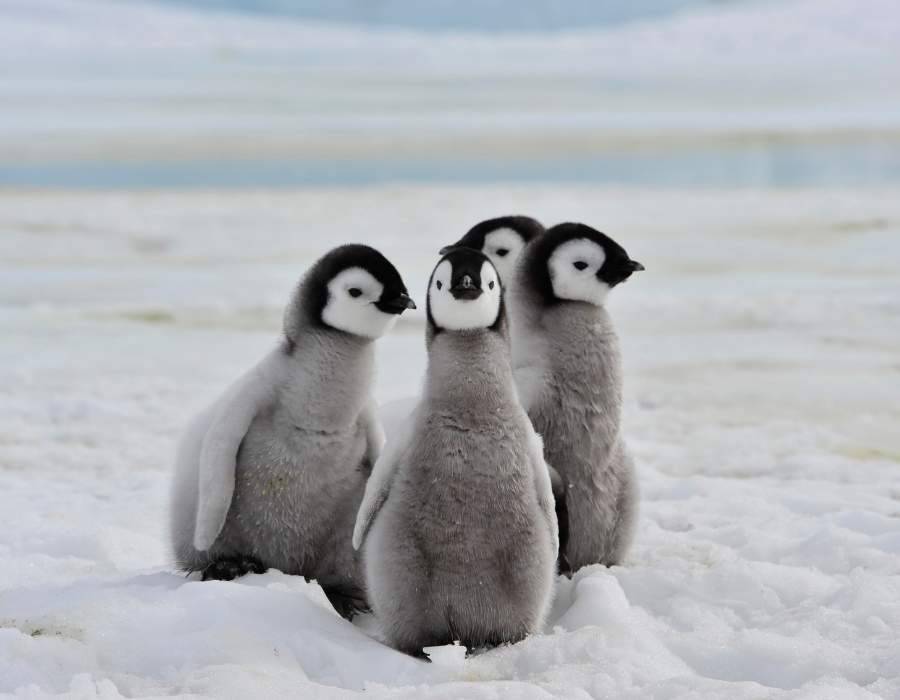
According to the Cornell Lab of Ornithology’s 2018 Adélie colony documentation, Adélie penguins typically live ten to twelve years in the wild. Both parents share incubation. Chicks group into crèches while adults forage, with other adults standing guard. This shared-care model is the factual basis for what people call “community” in penguin symbolism.
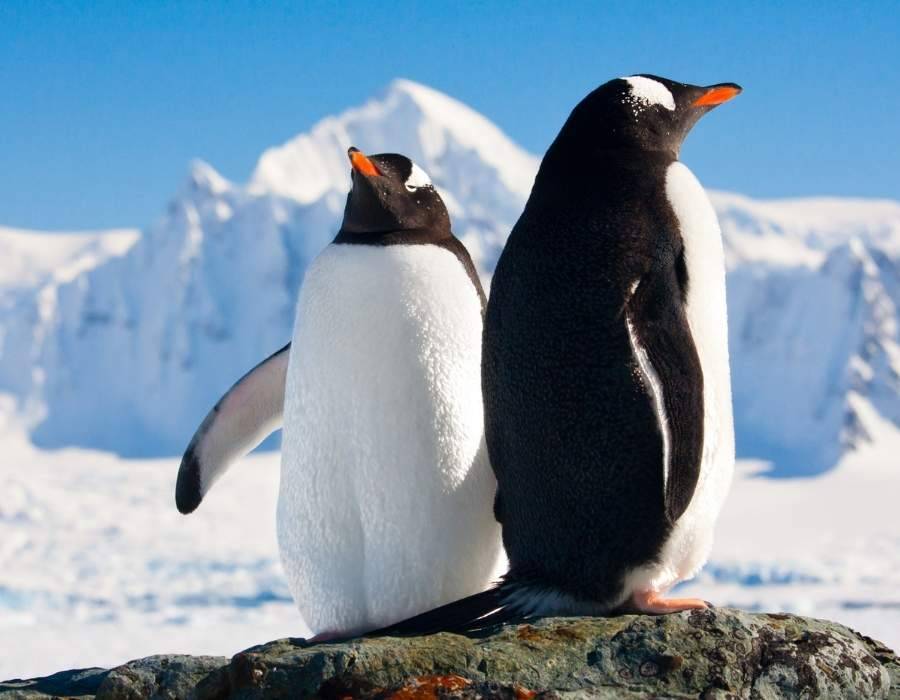
On pair bonds: Cornell Lab’s 2025 courtship overview notes that some penguin pairs do last decades, but the record varies by species and by whether a mate disappears or returns. Adélie penguins are mostly monogamous but do change partners when necessary. That’s a more honest story than “penguins mate for life,” and symbolically it’s the more useful one. Devotion that holds under ordinary conditions and adapts under hard ones. That’s what the birds actually practice.

What Does Māori Tradition Say About Penguins?
The most documented Indigenous relationship with penguins belongs to Kāi Tahu (also spelled Ngāi Tahu), the principal iwi (tribe) of Te Waipounamu, the South Island of Aotearoa New Zealand. This is not one universal Māori penguin doctrine. It is a specific people with specific named animals in specific places, and the distinction matters.
According to Te Kaweka Takōhaka mo te Hoiho, the 2020 conservation plan produced jointly by Te Rūnanga o Ngāi Tahu and the New Zealand Department of Conservation, the yellow-eyed penguin is called hoiho, which translates as “noise shouter,” a reference to its loud breeding call. It is classified as a taoka, a treasured being, placed within the domain of Takaroa, an atua (deity or ancestor) of the ocean. A whakataukī (proverb) preserved in the document calls for the domains of Takaroa and Tāne (forest) to remain sustainable for the wellbeing of the hoiho. The symbolic emphasis is ecological obligation and kinship. Not fortune-telling.
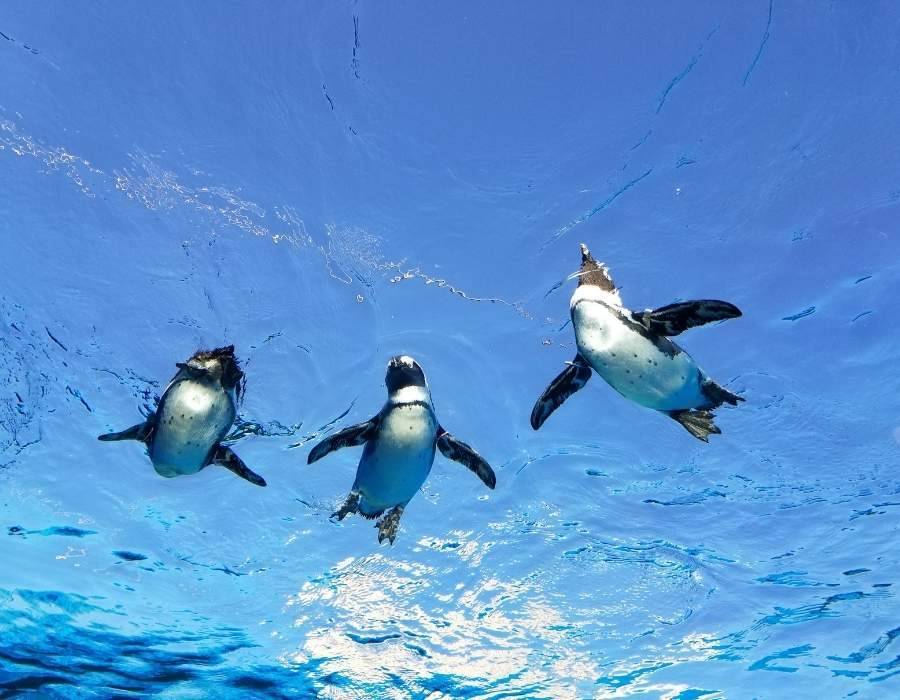
The little penguin is called kororā. The Fiordland crested penguin is tawaki. These are individual names for individual animals in specific places, not interchangeable tokens from a generic “penguin spirit” tradition. Kaitiakitanga, the active duty of stewardship toward a living relative and its habitat, is what these names carry. The Department of Conservation’s Yellow-eyed Penguin/Hoiho page ties the species’ survival directly to the health of ocean and forest systems. That is documented cultural practice, not a projected omen.
I should be honest about what I don’t know here. The deeper whakapapa connections between specific Kāi Tahu communities and their penguin relationships are not fully documented in sources I can access. The institutional record is strong. The oral record is held by Kāi Tahu themselves.
What Did British and Antarctic Exploration Culture Make of the Penguin?
The secular symbolic life of the penguin in English-speaking culture began with ship logs, not ancient texts.
Francis Fletcher, chaplain on Francis Drake’s 1577-78 circumnavigation, recorded encounters with large flightless birds in southern waters, accounts later cited by the American Ornithological Society as among the earliest English-language penguin references. The birds were abundant, easy to catch, and unlike anything European sailors had seen.

Through the nineteenth and early twentieth centuries, polar expedition narratives from Scott, Shackleton, and Mawson turned the penguin into a working symbol of endurance and communal survival. The image of emperor penguins huddling in Antarctic winter, trading places at the exposed outer edge of the huddle, became shorthand for collective care under impossible conditions. That image was accurate. It was also good narrative.
But the exploration tradition didn’t create a supernatural omen system. There is no English folk belief about a penguin at your door, no medieval Christian reading, no classical myth. Penguins were unknown to those textual traditions. The English word itself was first applied to the great auk, a North Atlantic flightless seabird now extinct, before being transferred to Southern Hemisphere penguins. The symbolic weight the penguin carries in modern Western culture is real. It is also modern, and honest readers should know that.
What Is the Origin of the Word “Penguin” and What Does It Reveal?
The etymology is disputed, and that’s part of what makes it interesting.
According to linguist Anatoly Liberman writing for Oxford University Press’s OUPblog in 2011, the most favored derivation is Welsh pen gwyn, meaning “white head,” possibly referring to a white facial mark on the great auk or to a Welsh place-name. The Oxford English Dictionary has leaned toward this reading, though it notes the word’s first recorded uses in late-sixteenth-century travel literature don’t make the origin explicit.
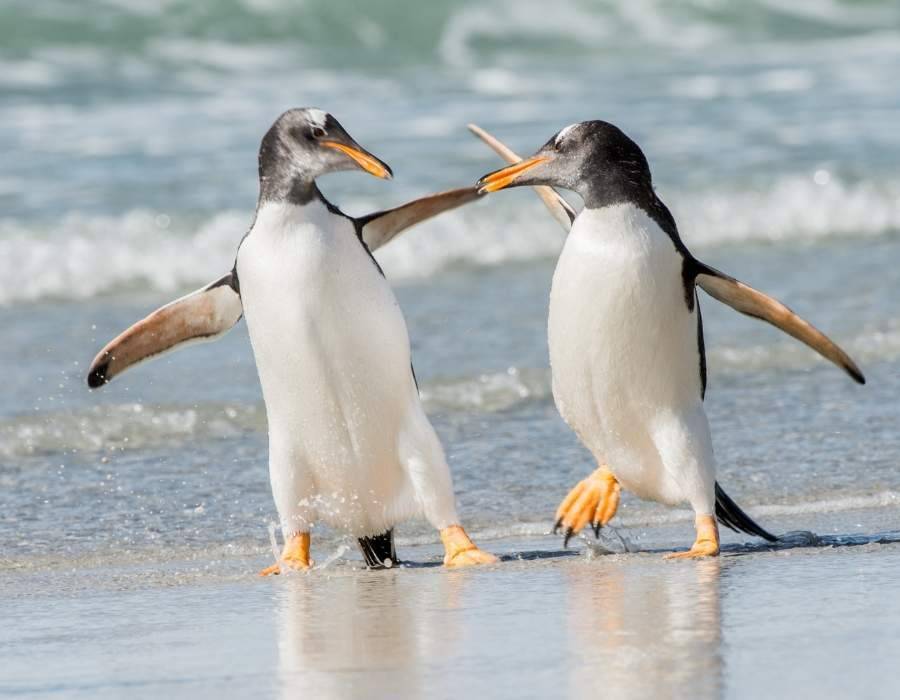
Alternative theories include Breton or Cornish forms and the Latin pinguis, meaning “fat,” which Liberman treats as folk etymology rather than genuine derivation. The word was applied to the great auk first, then transferred to Southern Hemisphere birds by sailors who noticed the same qualities: flightless, upright, oddly formal-looking. The great auk went extinct in 1844. The name transferred and stuck.
What this history reveals is that the penguin’s name carries the record of confused encounter, of Europeans meeting unfamiliar birds and reaching for familiar words. Any claim that “penguin” has ancient spiritual roots should be treated with caution. It has a ship log and a disputed Welsh phrase. That’s the honest starting point.
What Are the Most Common Misconceptions About Penguin Symbolism?
Three claims show up repeatedly across penguin symbolism writing. All three are wrong in documented ways.
First: that Inuit or other Arctic peoples have ancient penguin traditions. Penguins are Southern Hemisphere birds. They don’t live in the Arctic. The Inuit, Sámi, and other circumpolar peoples encountered murres, guillemots, and puffins. Not penguins. Any article attributing penguin mythology to Inuit tradition is confusing two different hemispheres. There was no shared encounter, so there is no shared tradition to name.
Second: that the Māori name tawaki proves a theological link to the god Tāwhaki. A linguistic resemblance is not evidence of doctrine. Species names in te reo Māori should be sourced through Māori institutional language resources or peer-reviewed ethnographic texts, not through the observation that two words sound similar. I haven’t found a named Kāi Tahu source that makes this identification explicitly, and I won’t invent one.
Third: that penguins universally symbolize “balance, community, and lifelong romance” in ancient traditions. The pair-bond story is real but qualified. The community story is real and documented. The “balance” framing is mostly modern synthesis, the kind of symbolic tidying-up that happens when natural behavior gets translated into personal development language. It’s not wrong to use it. Just know it’s a contemporary reading, not an ancient one.
What Does the Penguin Represent as a Spirit Animal?
The spirit animal framework is a modern one, and I use it carefully. I don’t claim to practice or teach any traditional ceremony. But the question is real, and here’s how I’d answer it honestly.
If the penguin functions as a guiding image for you, the behavioral record gives you something solid to work with. That “noise shouter” name is a good starting point. It refers to an animal that is loud and distinct in its calling, one that doesn’t blend in acoustically. In modern reflective terms, that reads as a pull toward authentic self-expression rather than social camouflage. The emperor penguin’s winter breeding reads as willingness to do the necessary thing in the worst possible conditions. The Adélie crèche system reads as trust in community over individual effort.
According to the spirit animal framework documented across modern reflective traditions, the penguin is often associated with emotional balance, community loyalty, and the capacity to move between different emotional states the way a penguin moves between land and sea. I find that last image more honest than most. Not a fixed state of “balance,” but a practiced ability to navigate between different domains without losing yourself in either.
What I’d caution against is claiming this comes from an ancient tradition that named it. The reflective use is yours. The attribution to ancient doctrine is not supportable.
What Does the Penguin Represent as a Totem Animal?
A totem animal, in the modern reflective sense, is a long-term guiding archetype rather than a one-time messenger. The penguin totem, grounded in documented behavior and Kāi Tahu cultural practice, carries three themes worth sitting with.
Kaitiakitanga: the duty of active stewardship. Not passive appreciation, but responsibility toward the living systems you’re part of.
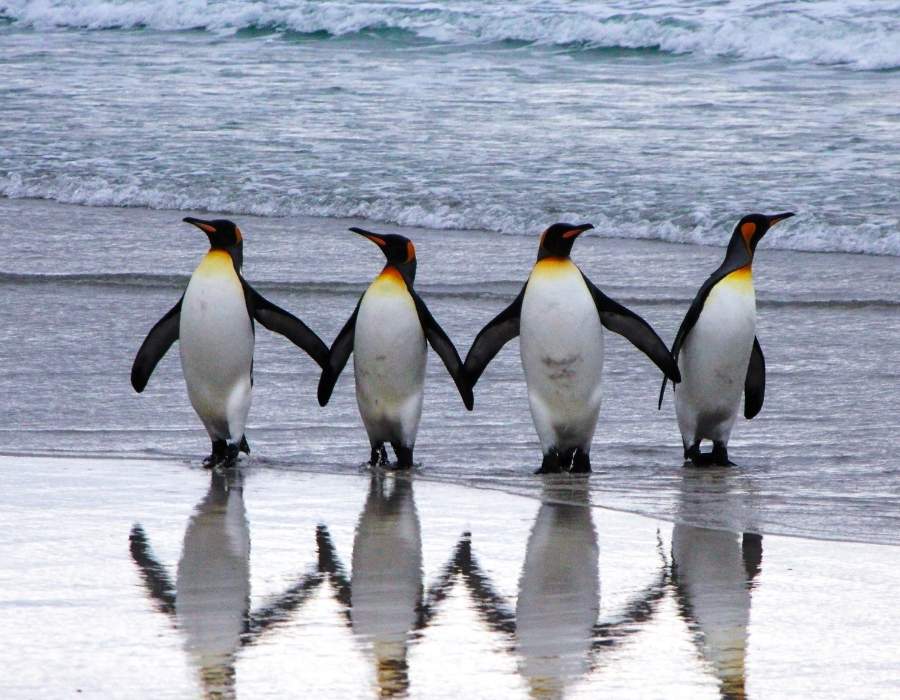
Community loyalty that requires participation, not just belonging. The Adélie crèche works because every adult takes turns. The emperor huddle works because every bird rotates through the exposed outer edge. You don’t get to stand permanently in the warm center. That’s not a metaphor the behavior politely suggests. It’s what the birds actually do, and it’s where the meaning comes from.
And the capacity for two kinds of movement: fluid and fast in water, slow and deliberate on land. That’s not awkwardness. That’s two different competencies, both real, both necessary. According to the power animal tradition, the penguin totem invites you to ask where your own two domains are, and if you’re equally at home in both or hiding in one. That’s the kind of question a totem is actually useful for.
What Does Penguin Symbolism Say About Love and Partnership?
Here’s where the popular story runs ahead of the facts.
“Penguins mate for life” is one of those things people repeat because it’s true enough to feel right and romantic enough to be worth repeating. The fuller picture is more interesting. According to Cornell Lab of Ornithology’s 2025 courtship overview, some penguin pairs do maintain bonds across multiple seasons, and in some species those bonds last decades. But the 2018 Adélie colony documentation notes that Adélie penguins are mostly monogamous while also recording that birds will find new partners if a mate disappears.
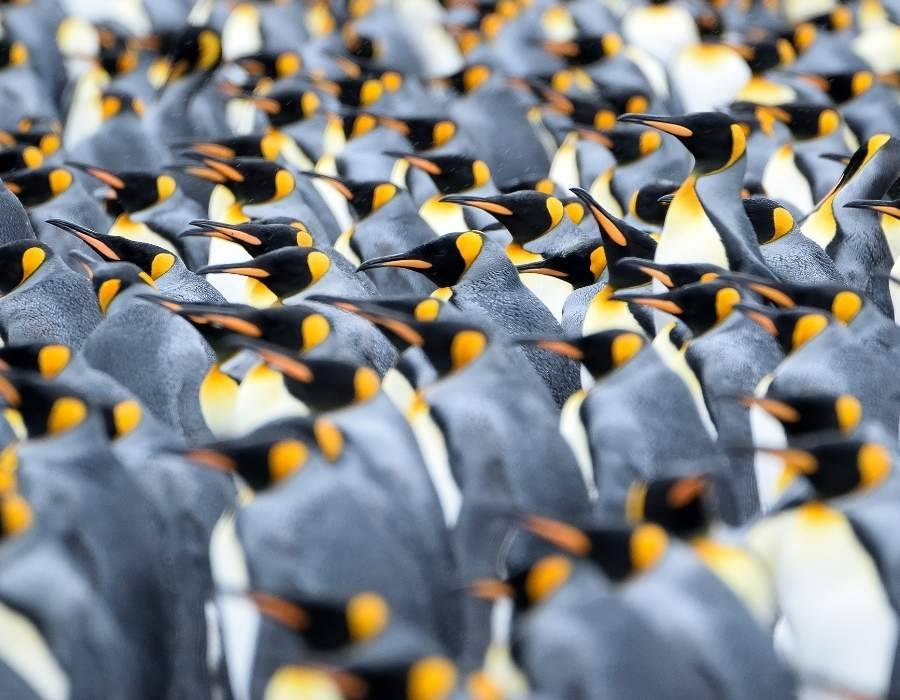
So the honest symbolic reading of penguin partnership isn’t “eternal unbreakable union.” It’s devoted, practically committed partnership that holds when both birds show up and adapts when conditions change. That’s a more useful model than the fairy tale. It’s also what the birds actually practice.
If this species has caught your attention recently, that’s the image to bring to it. Not a promise of perfect love. A model of showing up consistently, doing the work of care without drama, and trusting the other bird to do the same.
What Does It Mean to Dream of a Penguin?
Dreams resist tidy interpretation. I’ve read enough Jung to know that, and enough folk tradition to know that specific images tend to carry the weight of the dreamer’s own associations before they carry anyone else’s meaning.
That said, the symbolic vocabulary for penguins offers some useful frames. A penguin approaching you: I’d read that through the hoiho frame, something that insists on being heard, that won’t blend into the background. A colony: the Adélie crèche image, the question of your position in the group or as an outside observer. A penguin on ice, holding still: the emperor winter posture, the willingness to endure without movement. A penguin out of its habitat, somewhere it doesn’t belong: that one I’d sit with longer. It usually points toward something in your waking life that’s operating in the wrong medium.

For a deeper reading of dream scenarios involving penguins across cultural frameworks, including Māori and Western traditions, the Māori penguin dream symbolism overview at Dreamlens covers the cultural context in more detail than I’ll compress here.
Do Different Penguin Species Carry Different Symbolic Meanings?
Yes, and the differences matter if you want a reading that’s grounded rather than generic.
Theresa’s notebook, which my grandmother filled with animal lore from the Bavarian Forest, names every creature specifically. The raven is not the crow. The owl before a death is the Waldkauz, the tawny owl, not just “an owl.” I think about that when I see penguin symbolism articles that treat 18 species as one undifferentiated bird. They’re not.
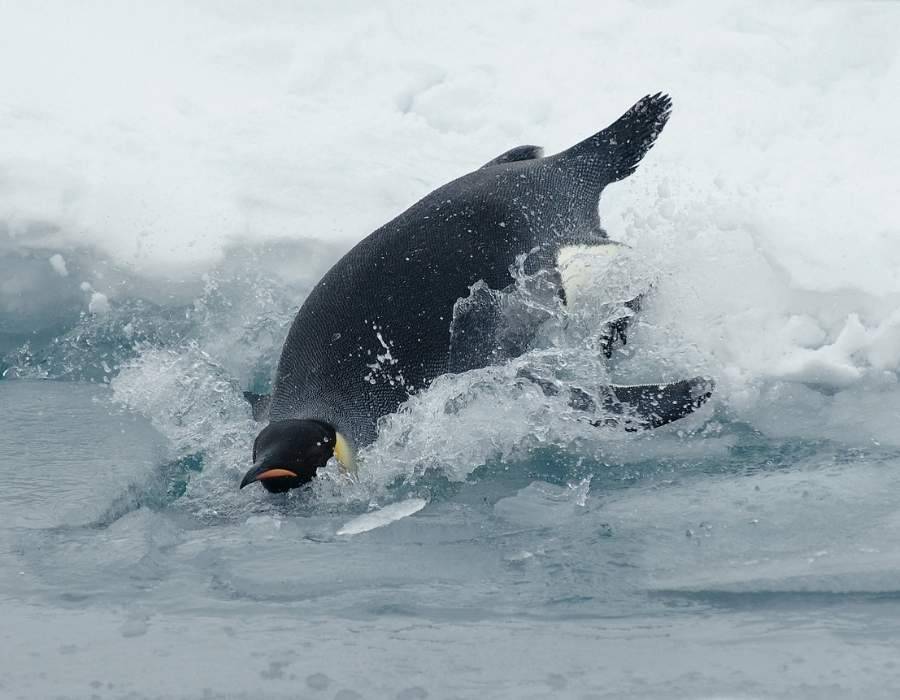
Emperor penguins (Aptenodytes forsteri): extreme endurance and parental commitment. Per the 2025 IUCN account, these are the largest penguins, breeding in the coldest conditions of any bird on the planet. The symbolic weight here is unmistakable. Commitment to something important under conditions that would break most things.
Yellow-eyed penguins / hoiho: vocal authenticity and the weight of being both treasured and endangered. The Department of Conservation lists hoiho as nationally endangered in Aotearoa New Zealand. Something can be rare and precious and still loud in its own call.
Little penguins / kororā: quiet persistence. The smallest penguin species. They don’t command attention the way emperors do. They show up every day, modest and consistent, and they last.
Fiordland crested penguins / tawaki: rugged locality, Kāi Tahu identity. These birds live on the Fiordland coast of the South Island, a specific and demanding environment. Their symbolic meaning in Kāi Tahu tradition is tied to place in a way that resists generalization. They are not interchangeable with other species in that tradition.
What Symbolic Meanings Should You Treat With Skepticism?
A direct list, because you deserve one.
Be skeptical of any article that attributes penguin symbolism to Inuit peoples without naming a specific community, ethnographer, or text. Penguins don’t live in the Arctic. The claim is geographically impossible.
Be skeptical of Yaghan or Kawésqar “messenger between worlds” traditions that don’t cite a specific myth, ritual, or named ethnographic source. Yaghan and Kawésqar communities lived in Tierra del Fuego and knew penguins as food and ecological neighbors. That’s ecological familiarity. I haven’t found a named source that establishes a “messenger” reading, and the absence matters.
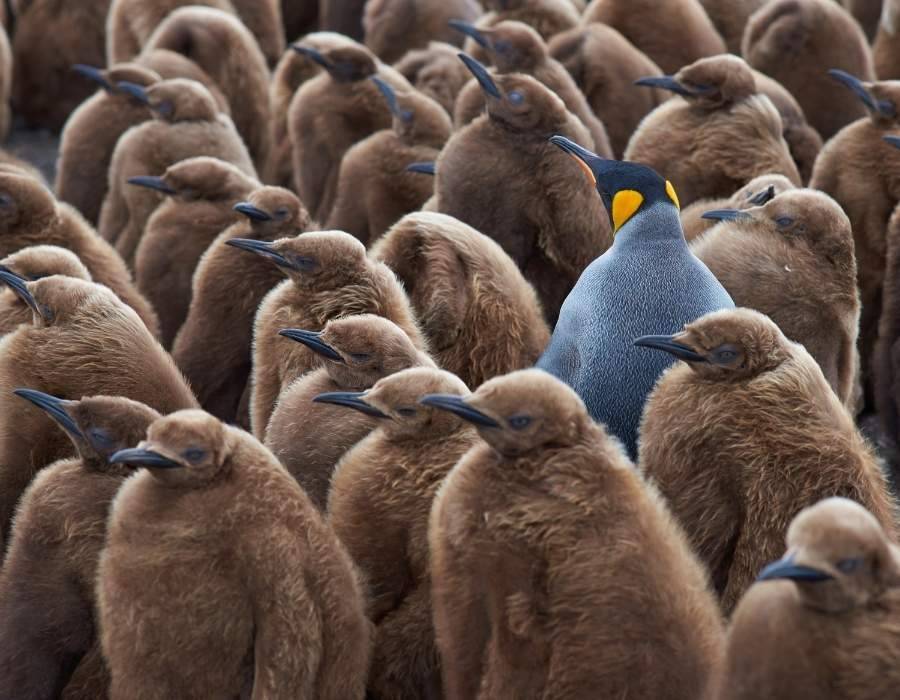
Be skeptical of the claim that the penguin carries “ancient universal meanings” of balance and romance. Modern, yes. Evidence-based, often. Ancient and universal, no.
And be skeptical of any penguin symbolism article that doesn’t mention which species it’s talking about. The emperor and the kororā are not the same animal. Treating them as interchangeable is the first sign that the author is synthesizing rather than observing.
Frequently Asked Questions
What does it mean when you see a penguin in the wild?
Most people who see a penguin in the wild are at a zoo, an aquarium, or on a wildlife tour in New Zealand, South Africa, or Antarctica. In the Kāi Tahu tradition documented by the Department of Conservation, encountering a hoiho or kororā means encountering a taoka, a treasured being connected to the ocean domain. That’s not a bad frame for any close wildlife encounter: something rare and worth protecting showed you itself. I’d start there before reaching for any other interpretation.
Is a penguin a good omen or a bad omen?
No documented tradition I’ve found treats a penguin as a bad omen. The Kāi Tahu relationship emphasizes treasured status and guardianship, not warning. The polar exploration tradition built the penguin into a symbol of communal endurance and survival. If you’re looking for permission to take a penguin encounter as a good sign, you have it, and it’s well-sourced. That said, I’d always rather you take the encounter on its own terms than look for a verdict.
What does a penguin tattoo symbolize?
Penguin tattoos typically draw on the modern behavioral symbolism: loyalty, endurance, and the devoted-partnership story. Emperor penguins are a common choice for people who’ve been through something hard and want to mark the fact that they came through it. Kororā, the little penguin, appears in tattoos that emphasize persistence over spectacle. Some Māori and Pākehā New Zealanders use hoiho imagery with direct connection to Kāi Tahu identity or conservation commitment. What it means on your skin is what you bring to it, but those are the documented threads.
What is the spiritual meaning of a penguin appearing in meditation or visualization?
I don’t have a confident answer rooted in any specific tradition here. Meditation visualization practice varies widely, and no named tradition I’ve found assigns standardized meaning to a penguin appearing in that context. What I’d do with that image: notice which species appeared, what it was doing, and what the emotional quality was. A hoiho calling loudly is a different image than an emperor standing still on ice. Let the specifics guide you before reaching for a general framework.
Do penguins really mate for life, and what does that mean symbolically?
Not universally, and the nuance is worth keeping. According to Cornell Lab of Ornithology’s 2025 courtship overview, some penguin pairs maintain bonds for decades. The 2018 Adélie colony documentation also notes that Adélie penguins are mostly monogamous but will find new partners if circumstances require it. So the symbolic reading is devoted, consistent partnership that holds under ordinary conditions and adapts under hard ones. That’s a better model than eternal unbreakable union, and it’s what the birds actually practice.
What does it mean if a penguin is your spirit animal?
In modern reflective terms, the penguin as a guiding image tends to surface themes of community loyalty, authentic self-expression (that “noise shouter” name deserves attention), and the ability to operate across different emotional domains without losing yourself in either. I use “spirit animal” as a psychological metaphor rather than a claim about traditional practice. The image is useful. The traditions it belongs to are specific and named, and most of us are working in a modern framework rather than an ancient one.
Are there any penguin symbols in Christianity or classical mythology?
No. Penguins were unknown to classical Greek and Roman writers, unknown to medieval Christian bestiaries, and unknown to the Hebrew Bible. The first recorded European encounter with what we now call penguins dates to late-fifteenth and sixteenth-century voyage literature. Anatole France wrote a satirical novel in 1908 called Penguin Island, which used penguins as a vehicle for religious satire, but that’s literature mocking Christianity, not Christian symbolism of penguins. There is no authentic classical or Christian tradition to cite here.
What does a black-and-white penguin symbolize specifically?
The coloring gets read through a few different frames. One is the tuxedo image: formal, dignified, going about serious business with a kind of comic gravity. Another is the duality frame: two colors, two environments (land and sea), two speeds. I find the duality reading more interesting, because it points to real behavior. Penguins genuinely live in two worlds and are genuinely transformed by the transition. On land they’re slow and upright, on water fast and fluid. That’s not symbolic ambiguity. That’s actual competence in two different domains.
What is the difference between a penguin spirit animal and a penguin totem?
In modern reflective practice, a spirit animal tends to be situational: an animal whose qualities are relevant to what you’re working through right now. A totem is a longer-term archetype, more like a trait you carry than a message you receive. The penguin as a spirit animal might surface when you need the reminder to lean on community or endure something specific. The penguin as a totem suggests a deeper affinity with communal care, ecological stewardship, and the capacity to be at home in more than one element. The distinction isn’t ancient doctrine. It’s a practical framework for how you’re using the image.
What does it mean to dream of a baby penguin?
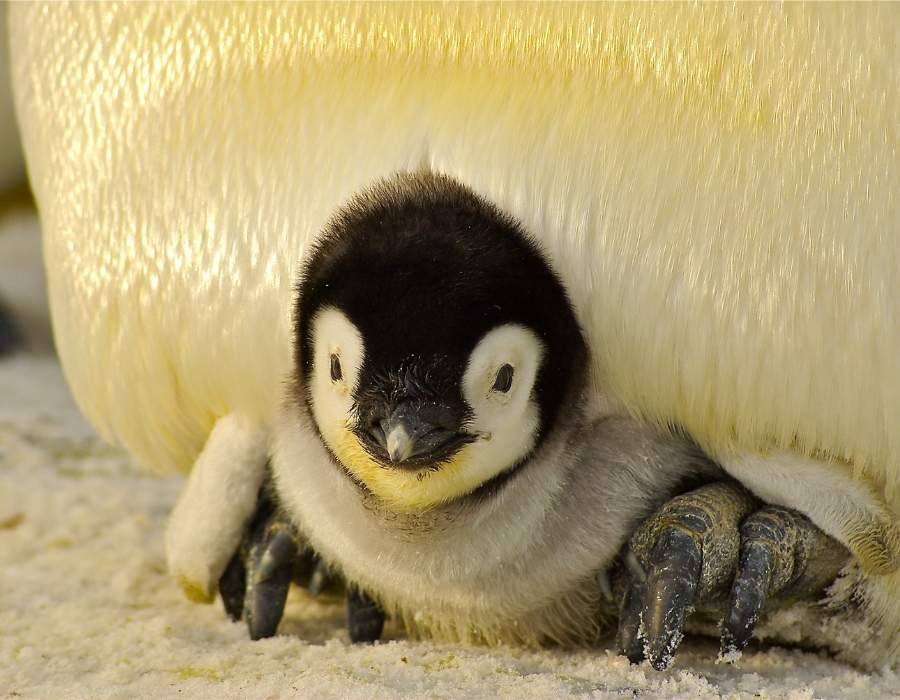
Baby penguins in Adélie colonies spend weeks in crèches, grouped with other chicks while adults take turns guarding them. They are dependent, but they are not alone. A baby penguin in a dream tends to carry associations with something new and somewhat vulnerable that is also held by a larger community. It might point toward something you’re nurturing that needs more time, or toward a part of your life where you’re still in the crèche phase: protected, developing, not yet ready for open water. Sit with that image rather than rushing to a fixed meaning.
Sources
- Anatoly Liberman, “Penguin,” OUPblog, Oxford University Press, 2011
- Oxford English Dictionary / Etymonline, entry “penguin”
- Department of Conservation Te Papa Atawhai, Yellow-eyed Penguin/Hoiho: Sea and Shore Birds, 2026
- Te Rūnanga o Ngāi Tahu and Department of Conservation, Te Kaweka Takōhaka mo te Hoiho, 2020
- IUCN Red List, Aptenodytes forsteri species account, 2025
- Cornell Lab of Ornithology, Life in an Adélie Penguin Colony, 2018
- Cornell Lab of Ornithology, How Do Birds “Fall in Love”?, 2025
- American Ornithological Society, “The First Penguins” (citing Francis Fletcher, account of Sir Francis Drake’s voyage, 1577-78)
- Dreamlens, Māori Penguin Dream Symbolism
- Spiritual Animals, Penguin Spirit Animal
- Toca do Texugo, Penguin Power Animal