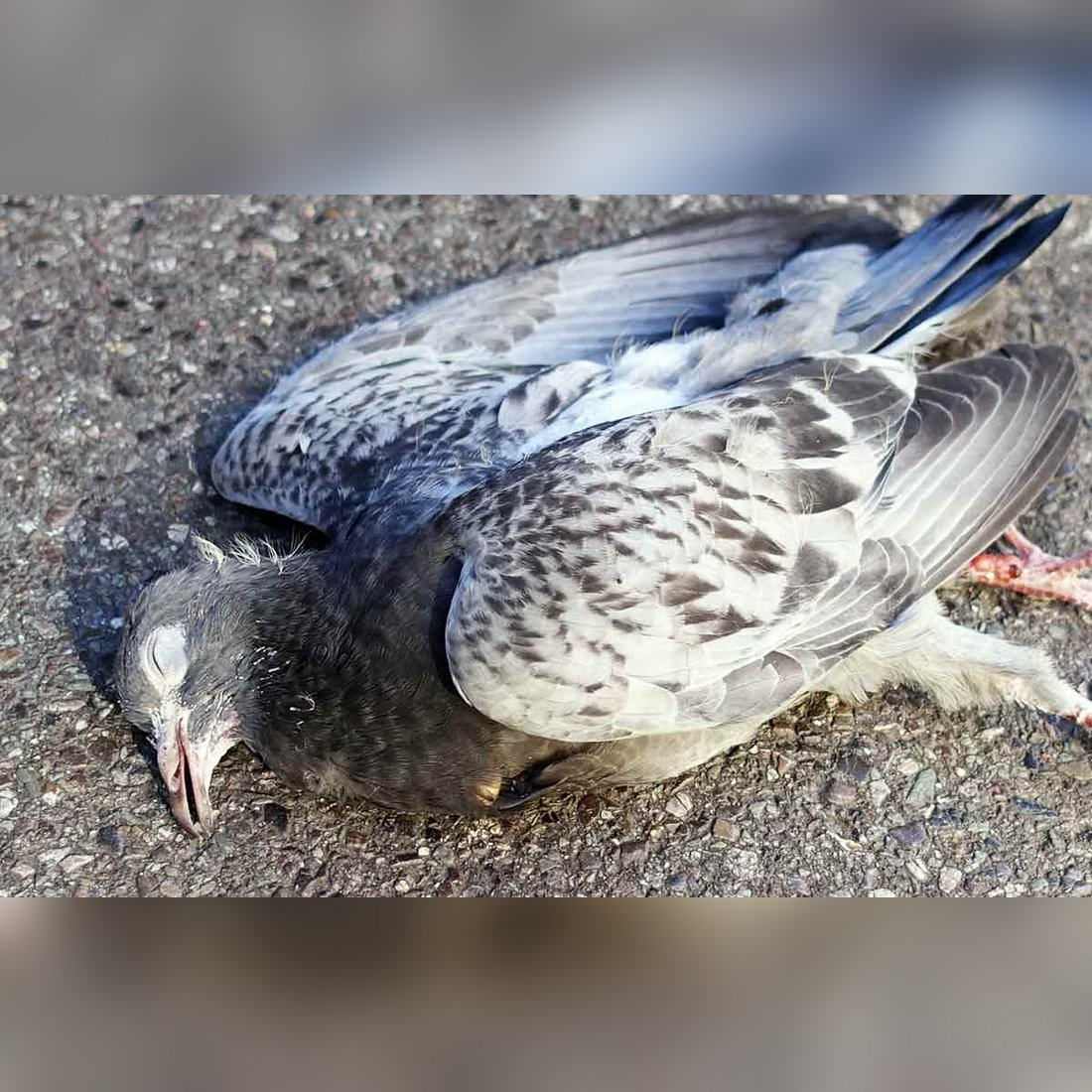
You found a dead pigeon on your step and Googled: is this bad luck? It almost never is. In old European folk traditions, a dead bird at your threshold means change or an ending, not a curse. What shifts the reading is whether it hit your window, how often you see dead birds, and your cultural tradition. There is a right way to handle the body.
Key Takeaways
- No single verdict exists. Eastern Slavic folk belief treats a dead pigeon as a serious warning; ancient Mediterranean ritual treated the bird’s death as purification. These are not the same tradition and should not be flattened into one.
- Location carries more weight than the death itself. Burne’s Shropshire Folk-Lore (1885) is explicit: a bird at a threshold, window, door, porch, is read more seriously than one found in open ground.
- Urban pigeon deaths are statistically common. Window strikes alone kill an estimated 365–988 million birds annually in the U.S., with around 44% at homes. One dead pigeon is often exactly what it looks like.
- Modern spiritual readings around endings and transition draw on the bird’s history as a messenger. These readings are recent. They are not grounded in older ethnographic collections.
- The taboo worth knowing: Russian folk sign collections are explicit that intentionally finishing off an injured pigeon is said to bring trouble. Leave a living bird alone.
What Does It Mean When You Find a Dead Pigeon?
It depends on which tradition you’re asking. A dead pigeon on your balcony means something different in Russian folk belief than it does in a Shropshire farmhouse in 1885 or in a Late Bronze Age Cypriot temple precinct. I’ve spent years around birds, handling them, watching them, learning what actually kills them, and one thing I’m sure of is that a single dead pigeon carries more cultural weight than biological weight. These birds are rock doves, Columba livia, with an average wild lifespan of around three years and an urban mortality rate driven by hawks, cats, and glass. They die near people constantly, yet the pigeon feather meaning and symbolism they carry far outlasts their brief lives.
What changes is what you do with that fact.
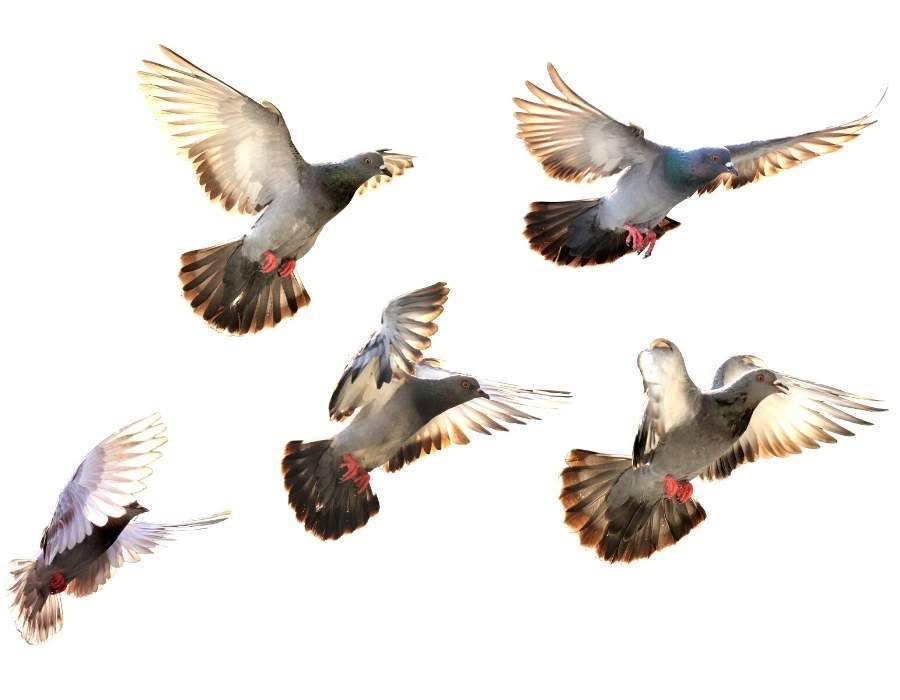
The pigeon is the bird I get asked about most on this site, and it’s not because it’s rare. It’s because it shows up in the worst spots, the doorstep, the center of the parking lot, right below the window, and that placement is what makes the question urgent. You are not making this up. The placement feels personal because your mind is built to notice patterns, and because pigeons, unlike sparrows, carry a symbolism that goes back to Leviticus and forward to military carrier birds. When one dies at your feet, the associations are already there.
How Do Different Cultures Interpret a Dead Pigeon?
The Eastern Slavic folk record is the darkest of the bunch. Russian folk sign compilations treat a pigeon that beats against a window before dying as a sign of serious misfortune or a coming death in the family. A pigeon corpse found at your feet warns of illness or injury. These are “primety”, rural omens from Eastern Slavic farming communities, not church teaching. The same sources carry a strong taboo: intentionally killing a pigeon, finishing off an injured bird, is said to call trouble down through the family line. The bird sits in a quasi-sacred category here, and that matters for what you do after you find one.
The ancient Mediterranean framed it entirely differently. In Leviticus, doves and pigeons are listed as acceptable burnt offerings and sin offerings, specifically for households who couldn’t afford larger animals. The bird’s death, there, is controlled, intentional, and purifying. Archaeological work on Late Bronze Age Cypriot ritual deposits has found pigeon bones in ceremonial contexts, many showing burning consistent with sacrificial use, linked by scholars to the Aphrodite cult and to offerings tied to love and divine favor. Biblical Archaeology Review’s account of the dove’s role from Noah to the Holy Spirit covers this ground well. One tradition fears the unasked-for death. Another made the bird’s death the point.
Charlotte Sophia Burne’s Shropshire Folk-Lore (1885) records that any bird flying against a window or entering a room could portend major news, a house move, a birth, a death, but the emphasis falls on the live bird crossing the threshold, not the corpse. The Irish Schools’ Collection, assembled by the Irish Folklore Commission in the 1930s, tells something similar. Meanings vary widely between communities, and no consistent “dead pigeon” verdict emerges from either source. This matters, because a lot of what circulates about dead pigeon omens flattens these distinctions into one catastrophic reading that fits none of the actual traditions.
What Does Finding a Dead Pigeon Near Your Home Actually Mean?
Near a doorstep specifically, European folk belief loads the finding with more weight than a bird found in an open field. The threshold, door, gate, window ledge, is where house meets world, and that boundary carries symbolic force in both Burne’s Shropshire material and in the Irish Folklore Commission records. A dead pigeon at your front door sits in that in-between zone in folk belief. But in-between doesn’t mean doomed. The older readings treat a bird at the threshold as a signal about the household’s near future, not a sentence. Change, a shift, the close of something that had been running its course.

The practical answer and the symbolic answer don’t cancel each other out. Rock doves die near buildings because buildings are where they live. Predators, sparrowhawks, Peregrine Falcons, cats, hunt in the same spaces. A bird drops where it fell. But if you found it on the exact path you alone use, at a moment when something in your life is already in motion, the pattern your mind is drawing is not irrational. It is what minds do. The question is what you do next with the image.
What Does It Mean to Find a Dead Pigeon on Your Balcony or Window Ledge?
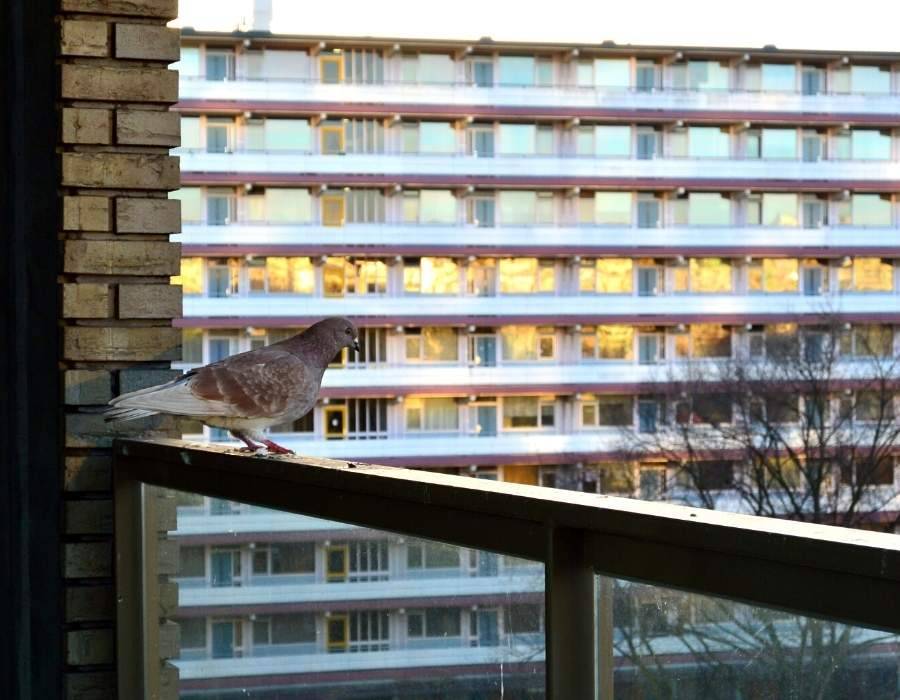
Window strikes account for a large share of urban pigeon deaths. Studies cited in recent folklore commentary estimate 365–988 million birds are killed by window collisions annually in the United States, with roughly 44% of those strikes at homes. A dead pigeon on a balcony or window ledge is, in most cases, a bird that hit glass, lost the fight, and fell.
And yet. Russian folk sign collections record specifically that a pigeon beating against glass before dying is one of the more serious omen readings in that tradition. The motion matters, the desperation of the bird against the window, the sound of it, and then the silence. If that is what you witnessed, the Slavic folk reading treats it as a warning to pay attention to your health or the health of someone close to you. I’m not in a position to tell you that reading is right or wrong. What I can say is that it is a very old, very specific interpretation drawn from a named tradition, not a generic bad-omen invented for the internet.
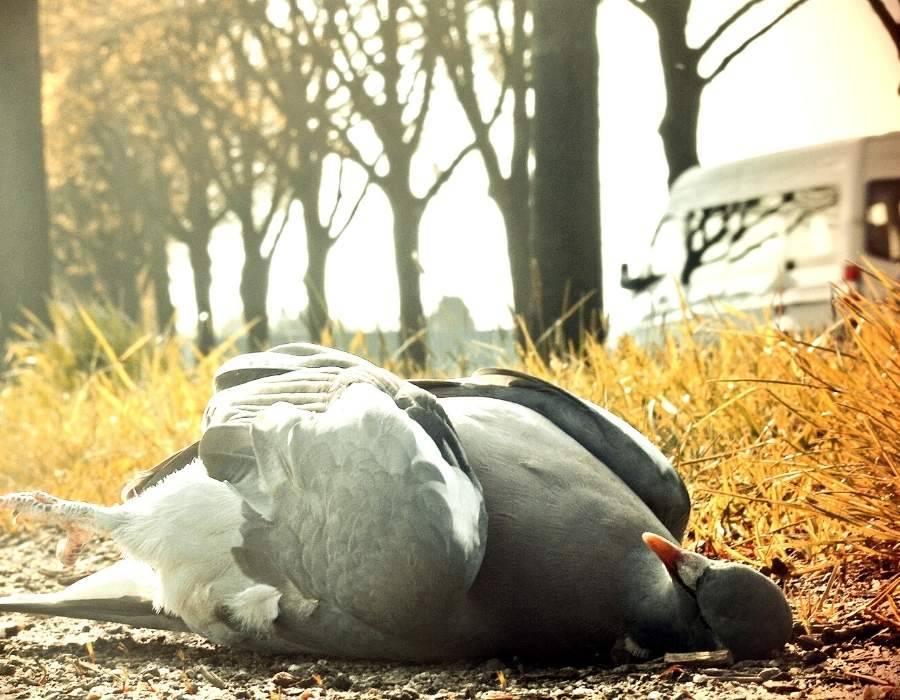
For most balcony finds: the bird hit glass, or a hawk dropped it, or it was old. The GenAge database records a captive rock dove living to 35 years, but wild urban birds rarely reach five. You are not being singled out.
What Does It Mean to Find a Dead Pigeon in Your Garden?
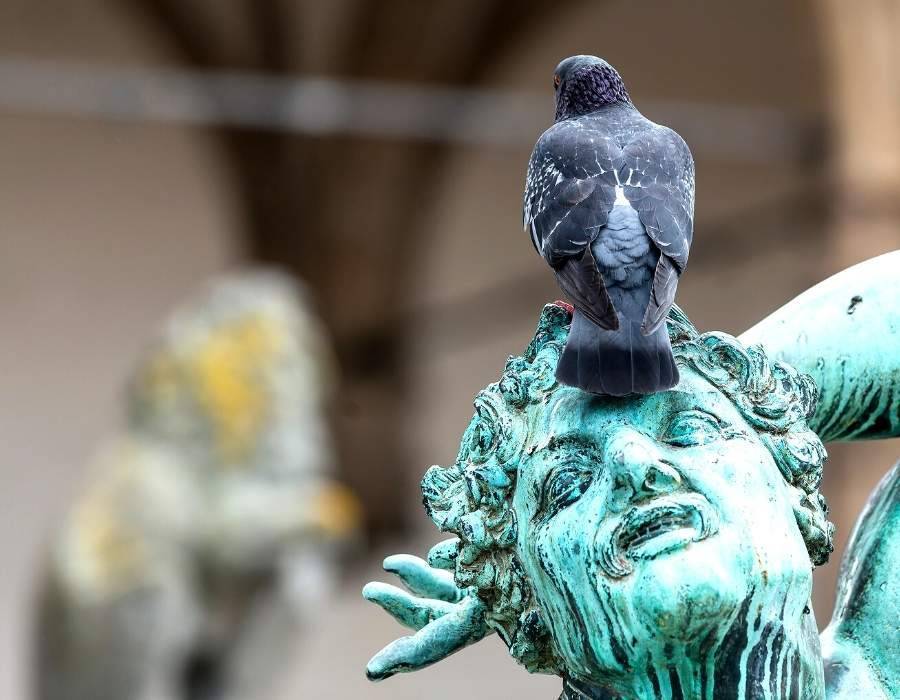
In a garden, the folk weight drops. Neither the Shropshire nor the Irish collections treat a bird found in open ground the way they treat one at a window or door. A pigeon in your garden is more likely a predator’s work, sparrowhawks and domestic cats are the two main culprits in urban and suburban settings, and they hunt openly.
But I’ve read the r/witchcraft discussions on this, and the practitioners there draw a line I find genuinely useful: one dead pigeon is nature. A pattern of dead birds over days or weeks in the same space is something to sit with. “I’ve asked the neighbors around, none have this problem, but every few days I find a dead bird in my front or backyard,” wrote one person in that thread. That recurring pattern is what neopagan practitioners flag as worth reflection, not the single corpse on a Tuesday morning. If it’s happened once, you almost certainly don’t need to read anything into the garden.
Is a Dead Pigeon a Bad Omen or a Sign of Transition?
The Eastern Slavic folk record says bad omen. Not qualified, not softened. A pigeon dead at your feet in that tradition warns of illness or injury. A pigeon beating against your window and dying warns of a death in the family. I don’t find those readings comforting, but I’m not going to rewrite them into something gentler just to ease your morning.
Frequently Asked Questions
Is finding a dead pigeon good or bad luck?
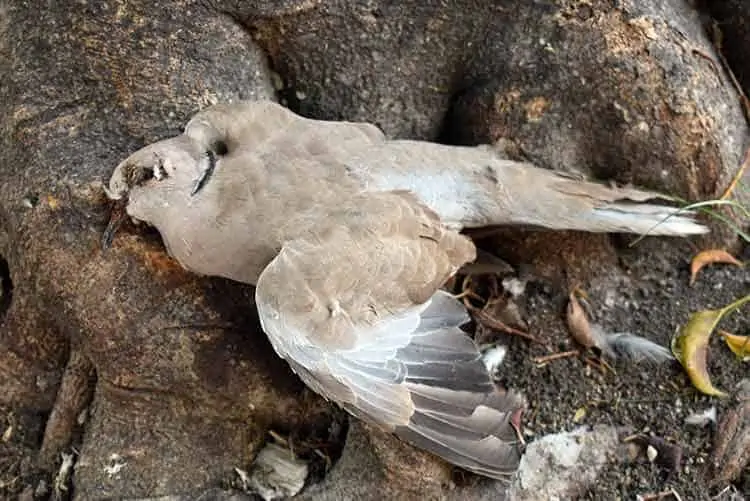
The Eastern Slavic folk tradition documented in Russian primety compilations treats it as a warning: illness, injury, or a coming family death. The ancient Mediterranean tradition frames a pigeon’s death as purification. English and Irish rural folk belief focuses more on live birds at windows than dead birds in open ground. There is no single verdict across these sources. I lean toward the transition reading for most cases, but I won’t pretend the harder traditions don’t exist or that they’re wrong because they’re uncomfortable.
What does it mean if a pigeon dies on my doorstep specifically?
The doorstep matters in European folk belief. Charlotte Sophia Burne’s Shropshire Folk-Lore (1885) treats birds at thresholds as more significant than birds found in open ground, the boundary between house and world carries its own symbolic weight. A dead pigeon at a front door sits in that threshold zone and is read as a signal about the household’s near future: change, a shift, the end of a period. Not typically a death sentence. More often, something running its course.
Does the number of dead pigeons change the meaning?
In neopagan practice, yes. One dead pigeon is attributed to natural causes, window strike, predation, old age, by most practitioners. A pattern of dead birds in the same location over days or weeks gets treated differently, as a sign of something worth reflecting on. One bird is nature. Three birds in four days, same corner of the yard, is the kind of thing practitioners take more seriously. The older folk traditions don’t address clustering explicitly, at least not in the sources I’ve found.
What does it mean spiritually if a pigeon hits my window and dies?
This is the reading I find most sobering in the Russian primety material. A pigeon beating against glass before dying is treated as one of the more serious omen signs in that tradition, a warning about the health of someone in the household. I don’t know whether to trust that reading; the folk record on window strikes is specific but thin outside the Eastern Slavic tradition. What I can say is that window strikes are also extraordinarily common, accounting for hundreds of millions of bird deaths in the U.S. each year. Both things are true at once.
Is it bad luck to touch or move a dead pigeon?
Not according to any tradition I’ve read. The Russian folk taboo applies to killing a pigeon, particularly finishing off an injured bird. Moving or burying one you found already dead carries no recorded prohibition. Handle it with gloves and wash your hands after, pigeons can carry salmonella. Beyond that, moving the body with some small acknowledgment is the right thing to do in most folk frameworks, not a violation of them.
What is the difference between a dead pigeon omen and a dead dove omen?
Taxonomically, not much: feral pigeons and doves are both rock doves, Columba livia. The symbolic difference comes from context. Doves in Western religious tradition carry the weight of Genesis and the Holy Spirit; their death is loaded with specific theological associations. Pigeons carry the weight of the messenger, military carriers, homing birds, the pigeon post, and their deaths get read through that lens. In everyday folk belief, the two blur constantly. The dead dove meaning page goes into the biblical and folk record in more depth.
What do modern neopagan practitioners say about dead pigeons?
Based on discussions in the r/witchcraft community, most practitioners are cautious about declaring a single dead pigeon meaningful. One bird is usually attributed to natural causes. What practitioners pay attention to is pattern, placement, and personal resonance: did the bird die in a spot that felt chosen? Has this happened repeatedly? Are you in a period of upheaval? If yes to two or three of those, practitioners are more likely to sit with the encounter as a signal worth reflection. If you found one bird on a random Tuesday, bury it carefully and go about your day.
Sources
- Russian folk primety compilations on pigeon omens (Tomathouse.com)
- Dead bird meaning and omen, What Is Your Spirit Animal
- Dead bird outside the house, St. Augustine University
- GenAge database: Columba livia longevity record (2023)
- From Noah’s Dove to the Holy Spirit, Biblical Archaeology Review
- Rock dove species account, The Wildlife Trusts (2026)
- Dead pigeon: bad omen?, r/witchcraft
- Columba livia life history, BioKIDS, University of Michigan
- Dead bird meaning: spiritual and cultural interpretations, PeckPerk
- Dead bird omen, HowStuffWorks