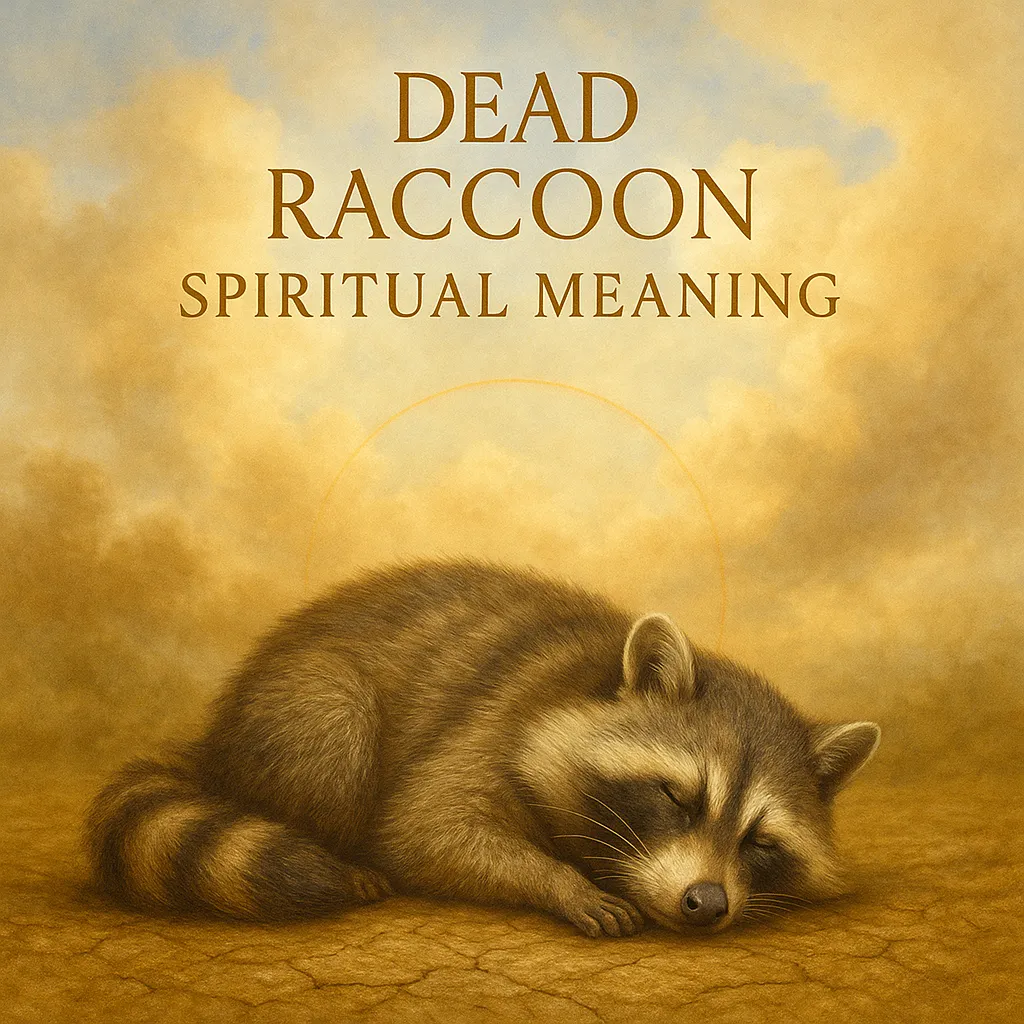
When we encounter death in nature, especially of an animal as distinctive and mysterious as the raccoon, something stirs within our spiritual consciousness. The masked forest dweller that navigates both light and shadow suddenly still, creating a moment of pause and reflection. What messages might this creature be sending from beyond the veil?
So, you found a dead raccoon and wondered if it means something bad is coming. In Anishinaabe tradition, raccoon teaches boundaries between worlds, and its death marks a crossing finished, not a curse. What matters is where you found it, whether it was whole, and what you were stuck on that week. The real work is figuring out which mask or habit needs to change.
Key Takeaways
- A dead raccoon reads in most North American folk traditions as the close of a cycle tied to over-adaptation, disguise, or habitual collecting, not as an omen of death or disaster.
- In Anishinaabe oral tradition, raccoon is a liminal figure that crosses between worlds; its death signals a threshold passed, not a threat approaching.
- The Plains Cree word for raccoon, pisiskēs (“one who picks up things”), makes a dead raccoon a prompt to look at what you’re still carrying that you didn’t consciously choose to carry.
- Where you found it shifts the reading: near your door is different from the road, which is different from the middle of your yard.
- You are not being targeted. This is an encounter, not a verdict.
What Does a Dead Raccoon Mean Spiritually?
The short answer: it’s not a bad omen.
Across the traditions I’ve read carefully, Anishinaabe oral literature, Plains Cree folk teaching, the raccoon medicine framework from Jamie Sams and David Carson’s Medicine Cards (Bear & Company, 1988), a dead raccoon points toward endings, not disasters. The ending in question is tied to a way of operating: the raccoon is the animal that wears a mask, uses its hands, adapts to nearly anything. Its death asks whether those strategies have run their natural course.
I’m not a shaman or a healer. I’m a German-American writer in Black Mountain, North Carolina, who has spent thirteen years handling injured raptors at the Western North Carolina Nature Center and who grew up in a family that took animal encounters seriously without dramatizing them. My grandmother Theresa kept a leather notebook of folk animal lore from her own grandmother in the Bavarian Forest, ravens as messengers, the owl’s call before a death, the white deer. That notebook is on my desk right now, falling apart at the spine. The tradition I grew up inside didn’t treat these encounters as magic. It treated them as worth noticing. That’s the posture I’d ask you to bring here.
Nothing in the source material I trust reads a dead raccoon as a sign that someone close to you will die. Take a breath. That reading doesn’t appear in the documented record.
What Does the Raccoon Mean Before Death Changes the Question?
To understand what a dead raccoon signals, you need to know what a living one carries, because death closes and amplifies whatever the animal represents.
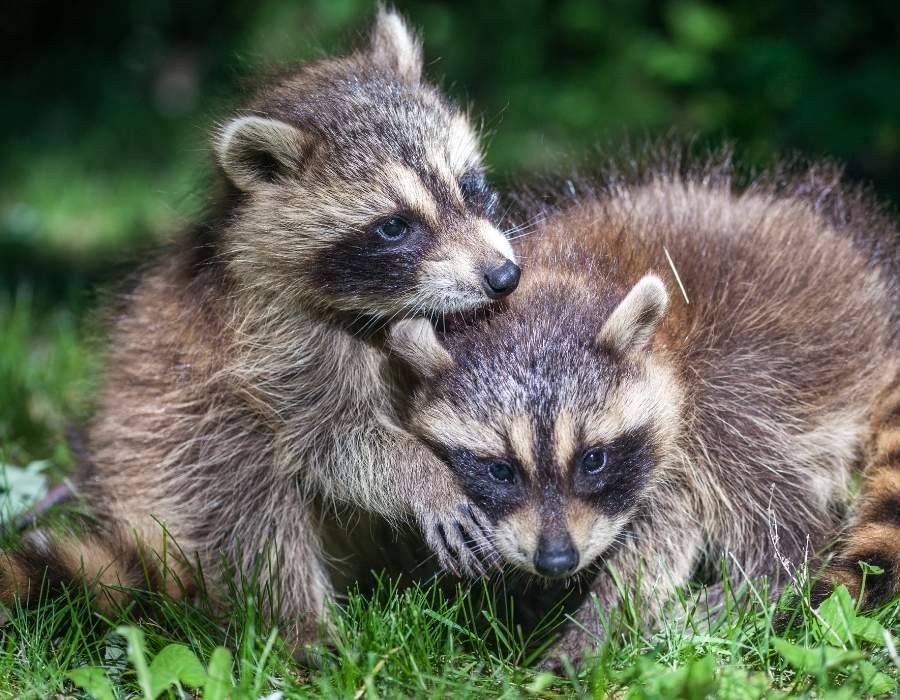
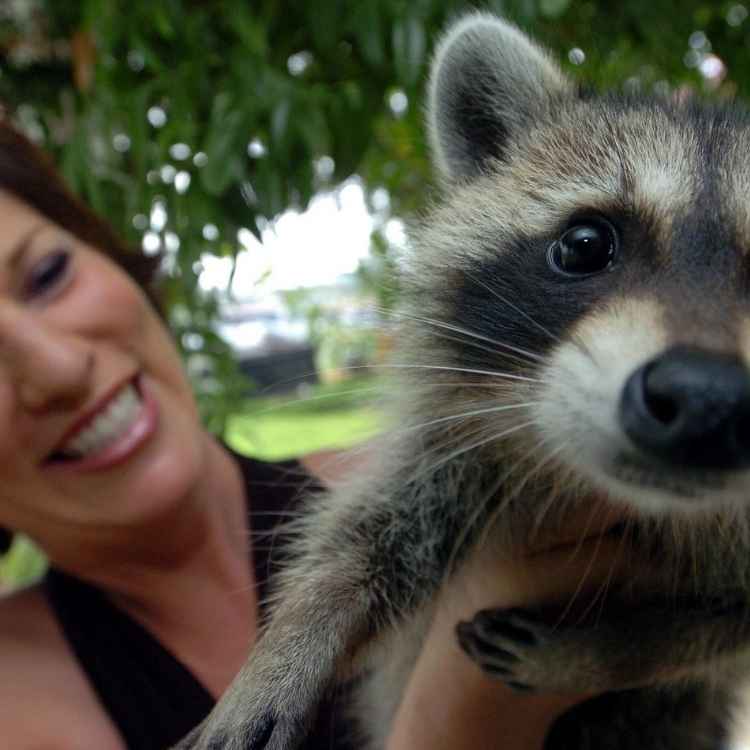
The mask is the first thing. Raccoons have those black facial markings, and across North American folk traditions documented by animal symbolism researchers, this has been read as disguise, adaptability, and the capacity to move unseen through difficult situations. Not a bad quality. But it becomes a problem when the mask gets stuck, when you stop knowing which face is yours.
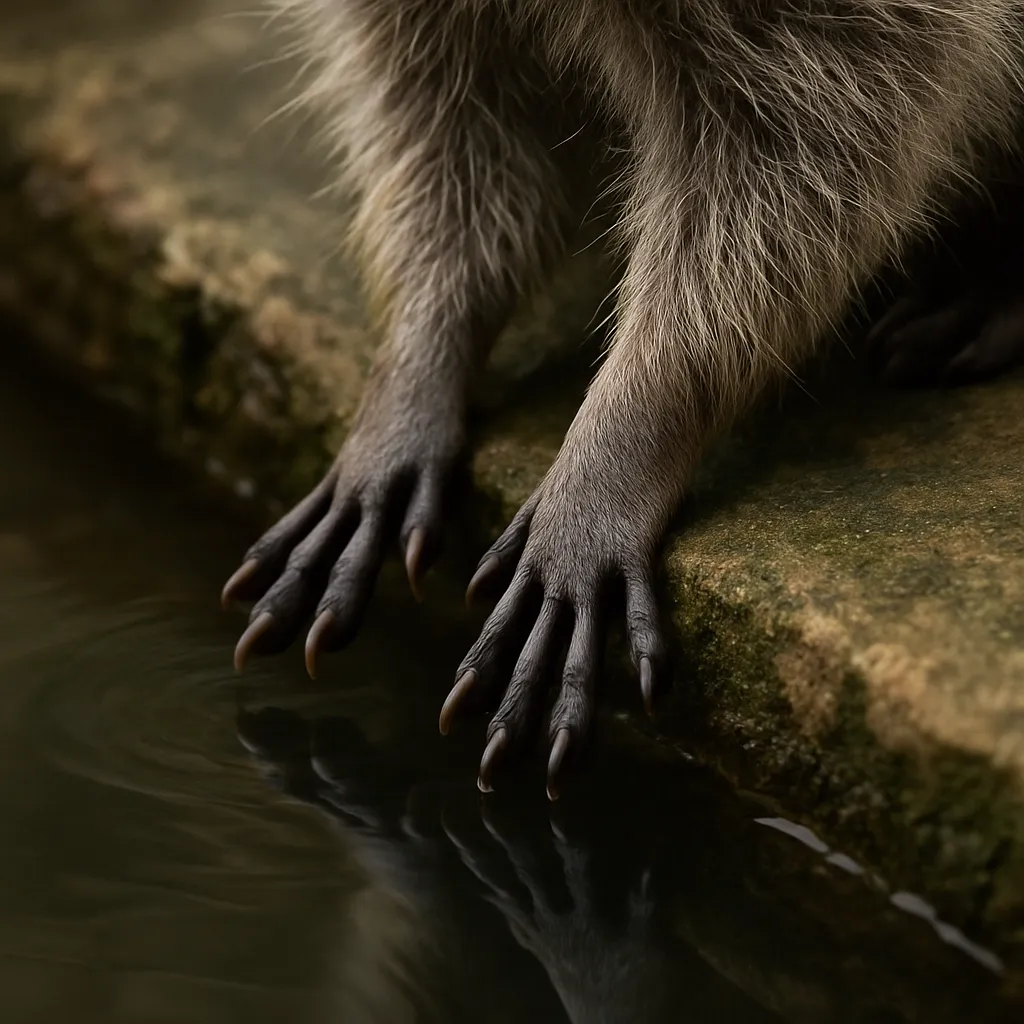
The hands are the second thing. Raccoon hands are genuinely strange. They sort objects by touch, open latches, manipulate food with something close to deliberate care. (I have watched raccoons at the Nature Center do things with their front paws that made two of the vets stop and look at each other.) The folk tradition reads this as resourcefulness. The living raccoon says: use what you have, be clever, solve the problem in front of you.
A dead raccoon closes both of those. The disguise has ended. The busy hands have stopped. The tradition asks you to notice which mask, and which survival strategy, might need the same closure in your own life right now.
What Do Anishinaabe and Algonquian Traditions Say About Raccoon?
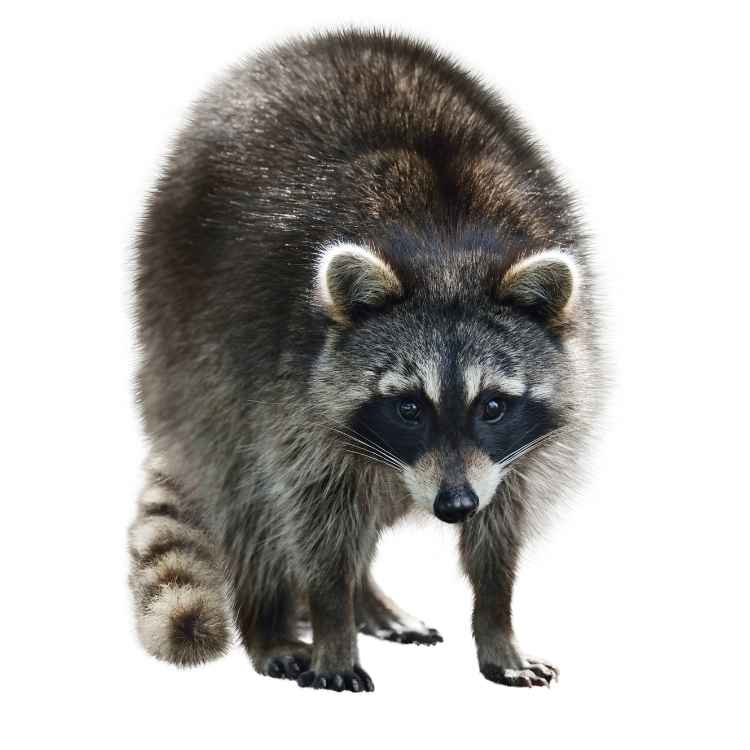
In Anishinaabe oral literature, raccoons appear alongside Nanabush (also called Nanabozho), the great trickster-transformer who mediates between the human and more-than-human world. Raccoon is what Daniel Heath Justice, a Cherokee-Anishinaabe scholar, describes as a “second-tier” trickster-transformer: an animal that participates in boundary-crossing without carrying the full weight of Nanabush. Raccoon lives between planes. Water, trees, sky. It moves through all of them.
That in-between space matters when you find one dead. A creature that lives between two worlds has crossed over a line. In Anishinaabe storytelling, these crossings are not accidents; they mark changes. The death of a figure caught between worlds signals that a crossing has been completed, a line has been passed. Not something ending badly. Something ending, so that what comes next can begin.
I want to be careful here. I’m not Anishinaabe. I’m reporting what Justice and other scholars have documented in oral literature. The specifics belong to the nations that carry them, and I hold that line seriously.
What Does Plains Cree Tradition Say About Raccoon as Collector?
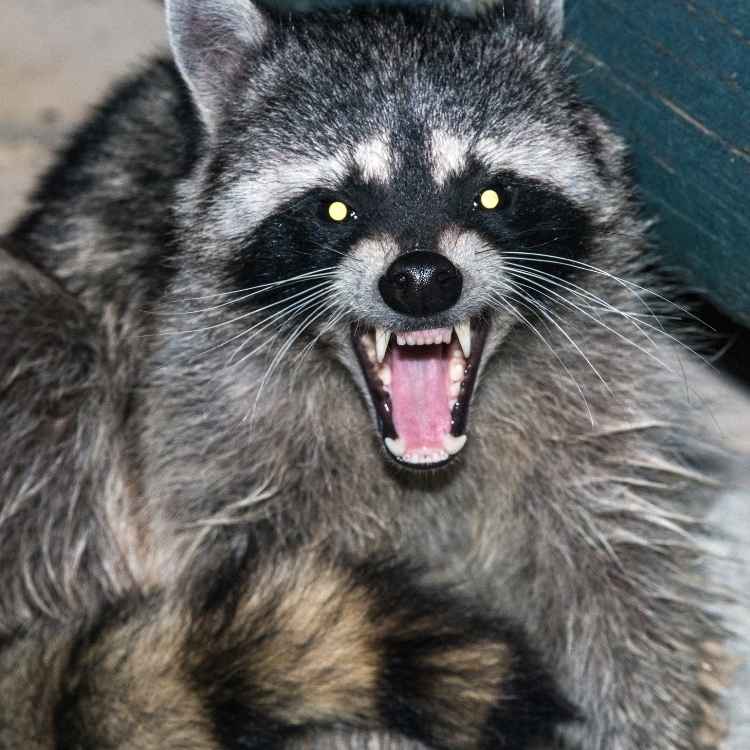
In Plains Cree, one word for raccoon is pisiskēs, which translates roughly as “one who picks up things.” That name is the teaching. Raccoon in Algonquian storytelling traditions is defined by its hands: always collecting, always sorting, always carrying something back. In ethnographic materials on raccoon’s role in Indigenous cultures, this figure appears in children’s stories as a nimble, curious creature that gets into trouble precisely because it cannot stop picking things up.
A dead raccoon, read through that lens, is an invitation to look at what you’re still carrying. Not what you chose to carry consciously. What accumulated. What you picked up out of habit, or survival, or the compulsion to always have something useful in your hands.
The fact that you noticed this animal, that you stopped and searched, that noticing is part of the answer. The tradition says: pay attention to what the raccoon was doing. It was collecting. Ask yourself the same question.
Does Where You Found the Dead Raccoon Change Its Meaning?
Yes. Location shifts the reading, and I think this matters more than most people give it credit for.
In the road: The raccoon was in transit and didn’t make it across. The reading here is about a transition that stalled, a move or change that ran out of momentum. Not failure. More like a pause that became permanent. The question it raises: what crossing were you attempting that needs a different approach?
In your yard: The raccoon entered your space and stopped. This is the most common setup for “the encounter feels personal.” In folk traditions around household boundaries, an animal that dies inside your perimeter has brought something to your attention. The masked, collecting creature came close and stopped. What it represents about your own habits of gathering and protecting is now sitting in your yard, waiting.
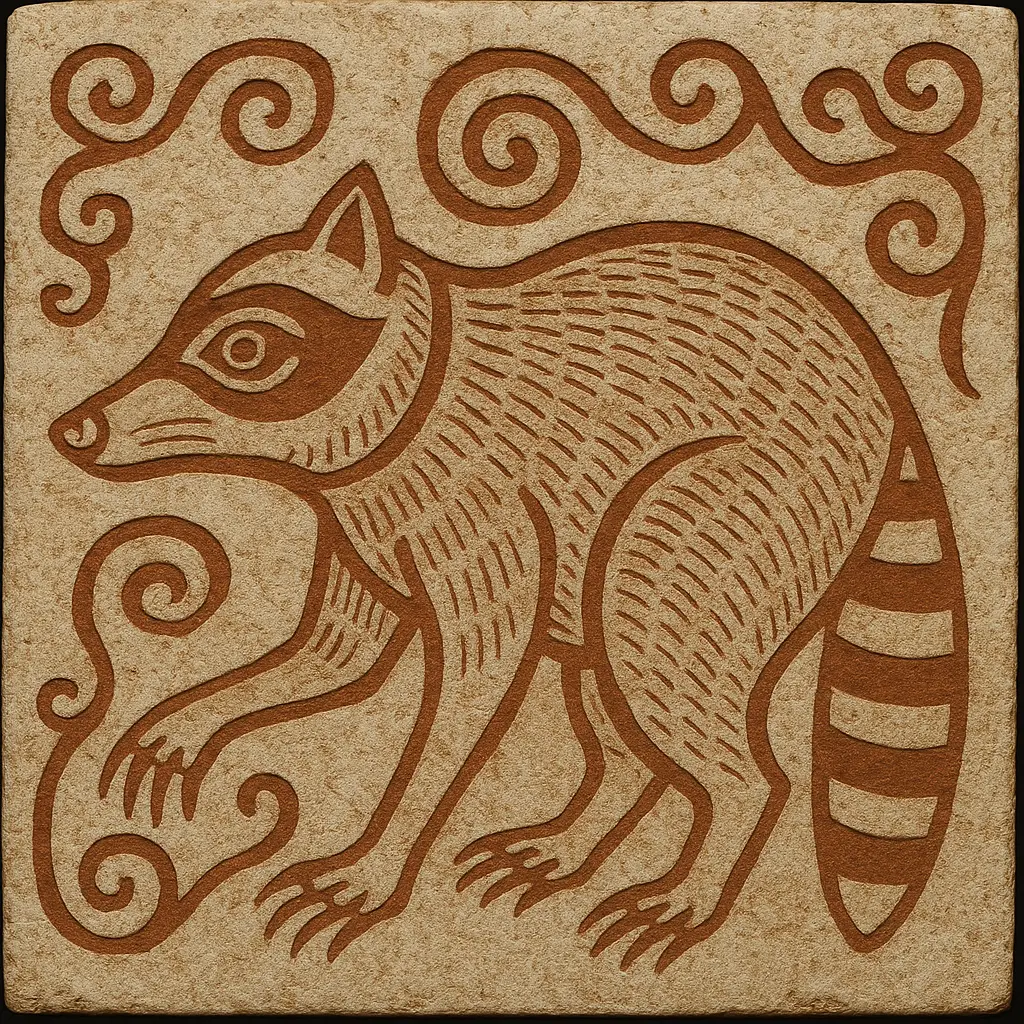
On your porch or near your door: This is the one that rattles people most. The threshold carries weight in nearly every tradition I know. A dead animal at the threshold signals that a cycle is closing at the entrance to your private world. Something that has been waiting at the edge of your life, a pattern, a relationship dynamic, a way of protecting yourself, has run out of time. That’s not a threat. It’s a notification.
Inside the house: If a raccoon somehow got inside and died there (it happens), the reading intensifies. The masked creature was inside the space you considered protected. That’s worth sitting with.
What Personal Messages Might a Dead Raccoon Be Delivering?
I don’t know what’s happening in your life. I don’t know which mask has been running your face for the last two years, or what you’ve been collecting instead of setting down. But the folk traditions I trust point at a few specific themes, and you’ll know if any of them fit.
The first is exhausted cleverness. Raccoon is a brilliant adapter. It can survive in nearly any environment, eat nearly anything, hide nearly anywhere. But that same quality, in a human life, becomes a problem when adapting is all you do, when you’ve been clever so long that you’ve forgotten what you actually want underneath the adaptations. A dead raccoon asks: what would you stop adapting if you felt safe enough to stop?
The second is the mask. Or rather, which mask. The question the tradition is raising isn’t whether you’ve been dishonest. It’s whether the version of yourself you show to particular people or places has been doing more work than it should. Something in that arrangement has run its natural course.
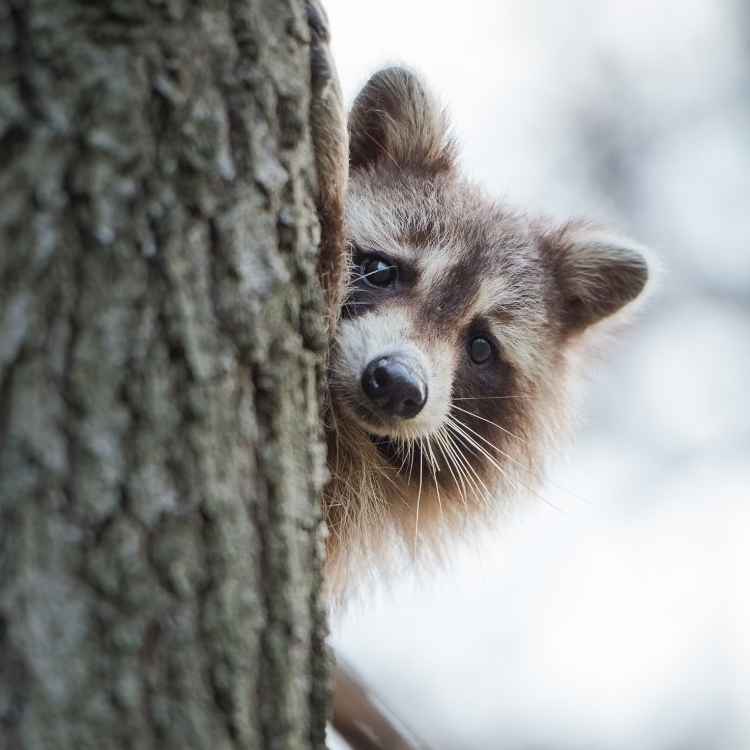
The third, drawing from the Plains Cree pisiskēs teaching, is accumulation. Not money necessarily. Grudges, old roles, outdated ways of coping, relationships you maintain out of inertia. What have you been picking up and not setting back down?
None of this means you should be afraid.
What Should You Do After Finding a Dead Raccoon?
First, the practical. Raccoons can carry rabies and other pathogens. Do not handle the body with bare hands. Thick rubber gloves, doubled if you have them, a shovel or trowel to move it, and a sealed plastic bag for disposal. Your local animal control or waste management service can advise on disposal requirements in your county. This is not optional.
Now the other part, if you want it.
Before you move the body, pause. You don’t have to say anything out loud. But the pagan and folk tradition guides that document raccoon in ceremonial context suggest some form of acknowledgment. Something simple: I see you. I’ll pay attention.
After disposal, if it would help: wash your hands (obviously), and then take a few minutes to write down whatever the raccoon’s themes brought up. The mask. The collecting. The exhausted cleverness. Write one honest sentence about what you might be ready to put down. That’s the full ritual. It doesn’t require anything you don’t already own.
You can read more about raccoon’s broader symbolic life, including its role in the medicine card tradition developed by Jamie Sams and David Carson, in our full raccoon symbolism guide.
Frequently Asked Questions
Is finding a dead raccoon bad luck?
Not in any tradition I’ve found with real documentation behind it. The folk record, Anishinaabe oral literature, Plains Cree teaching, the raccoon medicine card tradition, reads a dead raccoon as marking the end of a cycle, not the start of misfortune. The “bad omen” framing tends to show up in generic omen lists that don’t trace back to any specific culture or period. A dead raccoon is a closing. That’s neutral at worst, clarifying at best.
What does a dead raccoon near my front door mean spiritually?
A dead raccoon at a threshold is read in North American folk tradition as a signal that a cycle tied to disguise or habitual adaptation is closing at the entrance to your private space. The door is the boundary between your inner life and what you present to the world. A masked creature dying there suggests that a particular face you’ve been showing, or a protective strategy you’ve been running, has reached its limit. Take that seriously without taking it as a threat.
Does a dead raccoon mean something different than a dead crow or dead bird?
Yes, and the difference matters. Birds in folk tradition often carry messages across distances, act as go-betweens, or signal shifts in communication and perception. Raccoon’s symbolic territory is more specific: the mask, the hands, the collection of useful things, the navigation of edges. A dead crow asks about what messages have stopped moving. A dead raccoon asks about what adaptive strategy has run out. Same category of encounter, different question on the table.
What is raccoon medicine, and does it apply to a dead raccoon?
Raccoon medicine is a concept from Jamie Sams and David Carson’s Medicine Cards (Bear & Company, 1988), which drew on their study of various Native American teachings to build a card-based guidance system. In their framework, raccoon medicine centers on generosity, caretaking, and the proper use of disguise. For a dead raccoon specifically: I read the medicine as completed rather than active. The question shifts from “how do I use this skill” to “have I been using this skill past its expiration date.”
Can a dead raccoon be a sign from a deceased loved one?
I’m going to be honest: I don’t know, and I don’t think anyone can answer that with confidence. I don’t personally believe animals carry messages from specific people who have died. But I’ve been paying attention long enough to know that the mind reaches for meaning in grief, and that the reaching itself is real and worth respecting. If the encounter arrived at a significant moment, an anniversary, the day of a loss, and it felt personal, your response to that is yours. The grief is yours. I won’t talk you out of it.
What does it mean if I keep seeing dead raccoons repeatedly?
One dead raccoon is a single encounter. Two or three in a short span is what the folk tradition calls a cluster, and clusters carry more weight. My read: if raccoons keep dying in or near your space, something about the mask theme or the accumulation habit is not yet resolved. But raccoons also die in clusters for entirely practical reasons; disease moves through local populations, traffic patterns shift. Both things can be true at once. The pattern is worth sitting with, not panicking over.
Is there a biblical or Christian meaning attached to a dead raccoon?
Raccoons are native to the Americas, so they don’t appear in biblical text or classical European Christian symbolism. There’s no established scriptural or early church tradition around them. Some contemporary Christian folk traditions in Appalachian practice do assign meaning to animal encounters based on general principles about creation, but I’m not aware of any documented tradition specific to raccoons. If you’re looking for a Christian frame here, I’d suggest talking to your own pastor rather than relying on my interpretation.
Sources
- CBC Radio, Daniel Heath Justice on raccoon as a significant creature in Indigenous cultures (2022)
- Atlas, What is significant about raccoons in Indigenous culture
- Celebrate Pagan Holidays, Raccoon Spirit Animal: Complete Guide
- Parlour of Wonders, What Do Raccoons Symbolize
- Native Languages of the Americas, Raccoon Legends and Stories
- Native American Totems, Raccoon Totem Medicine
- Smithsonian Magazine, The Long and Fascinating History of Raccoons in North American Culture (2025)
- Wild Gratitude, Raccoon Spirit Animal