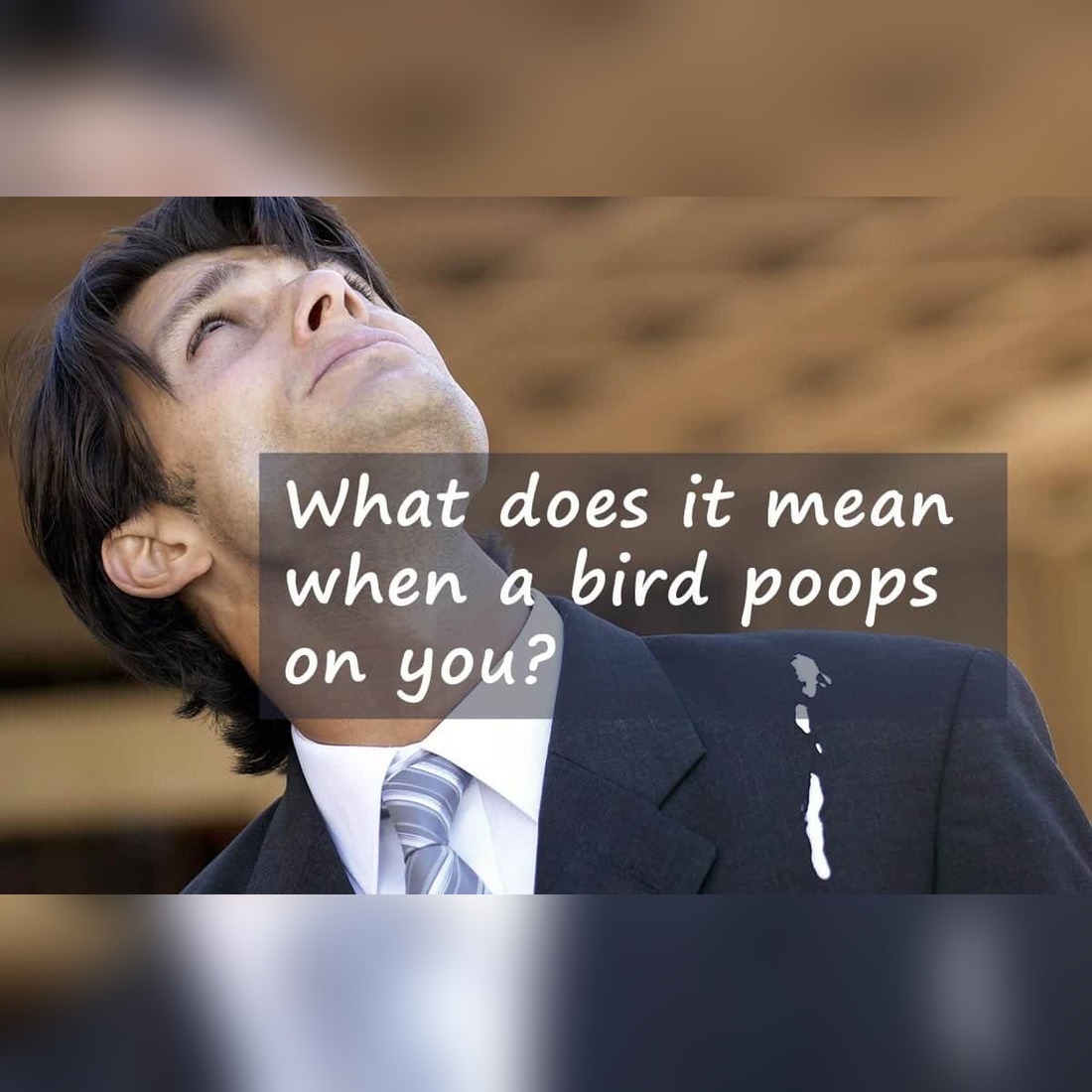
A magpie on the ground, wings folded, maybe near your back door or the fence you pass each day. In English folk records, magpies were the birds that carried news between worlds, and a dead one meant the message had already come through. But what that message was depends on what you were waiting for.
Key Takeaways
- In British and Irish folk tradition, a dead magpie signals a transition that has already completed, not a warning of something coming, but a marker of something that has crossed.
- In Han Chinese folk belief, the magpie (喜鹊 xǐquè, the “joy bird”) carried good news; a dead one reads as a blessing delayed, not destroyed.
- Location matters: a doorstep find carries different weight than a garden or road find, grounded in actual threshold symbolism from British and Portuguese rural belief.
- The word “magpie” is literally built from a female name for a chatterer, the bird’s name encodes news-carrying, and a silenced one asks what message, relationship, or cycle has just gone quiet.
- Traditional British responses involve acknowledgment and a spoken or physical closing; a respectful burial is the practical form of the same instinct.
What Does It Mean When You Find a Dead Magpie?
Take a breath. This is not a death sentence for anyone you love.
The magpie in English-speaking folk cultures was always a threshold bird: a carrier of news, a predictor of visitors, a creature standing at the line between what is and what is coming. The counting rhyme, “one for sorrow, two for joy”, works because the magpie was already understood as a messenger. A live single magpie is a message in transit. A dead one, in this frame, means the message has arrived. The transition it was pointing toward has already crossed the threshold. You are not standing before a bad event. You are standing after one, or at the moment it completes.
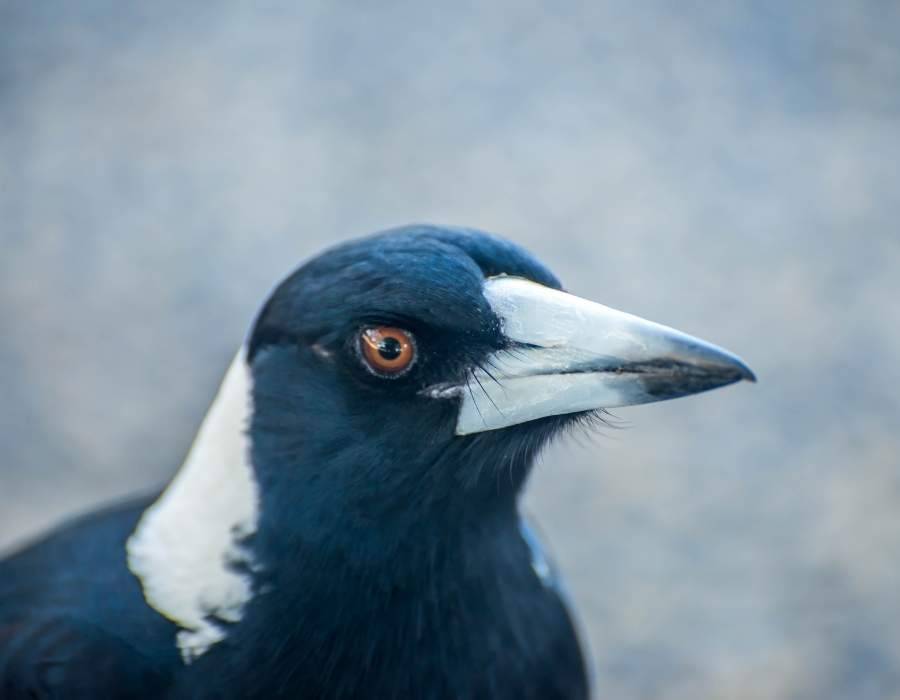
I find this reading more honest than the flat “bad omen” verdict you may have already found. The magpie’s job was always to carry news, not to cause it. A silenced messenger is not more dangerous. It is finished.
What Do British and Irish Folk Traditions Say About Dead Magpies?
In British rural folklore, the single magpie near a house was already serious before it died. According to William Henderson’s Notes on the Folk-Lore of the Northern Counties of England and the Borders (1879), a magpie cackling on a rooftop or tapping at a window was read as an omen of death in the household. The bird’s presence alone was enough to prompt counter-rituals: saluting it, removing your hat, saying “Good morning, Captain” or “Good morning, General”, phrases documented across multiple British magpie superstition records as ways to acknowledge the bird and neutralize its charge.
Steve Roud, who spent years collecting British folk belief, notes that one of the oldest magpie associations is as a foreteller of strangers and visitors, news from outside the household. In Scottish belief specifically, a single magpie near a window signals impending death inside. Welsh regional sayings collected by L. F. Newman in mid-20th-century Essex and Welsh folk records show three magpies meaning a death or a letter depending on the town, and a magpie crossing your path from right to left before travel meaning danger on the road.

A dead magpie in this whole system sits at the terminal point. The reading I trust: whatever threshold event was being signaled, a change in fortune, a death somewhere in your wider circle, a shift in a relationship, it has already passed from warning into fact. You are not being warned. You are being marked.
That is less frightening than it sounds. It means the difficult thing is already in motion, not still coming.
How Do Chinese and Korean Traditions Interpret a Dead Magpie Differently?
Not every culture reads the magpie as a death-adjacent bird. This matters if your background is East Asian, because you may be working from a completely different starting point.
In Han Chinese folk religion and visual culture, the magpie is 喜鹊 (xǐquè), the “joy bird.” It appears in New Year paintings, wedding imagery, and auspicious household art as a bringer of happiness and favorable change. According to analysis of magpie symbolism in Chinese art history, the bird’s call at dawn was considered a sign of good news arriving. Pairs of magpies specifically symbolize marital happiness, a use running back centuries in Chinese decorative tradition.
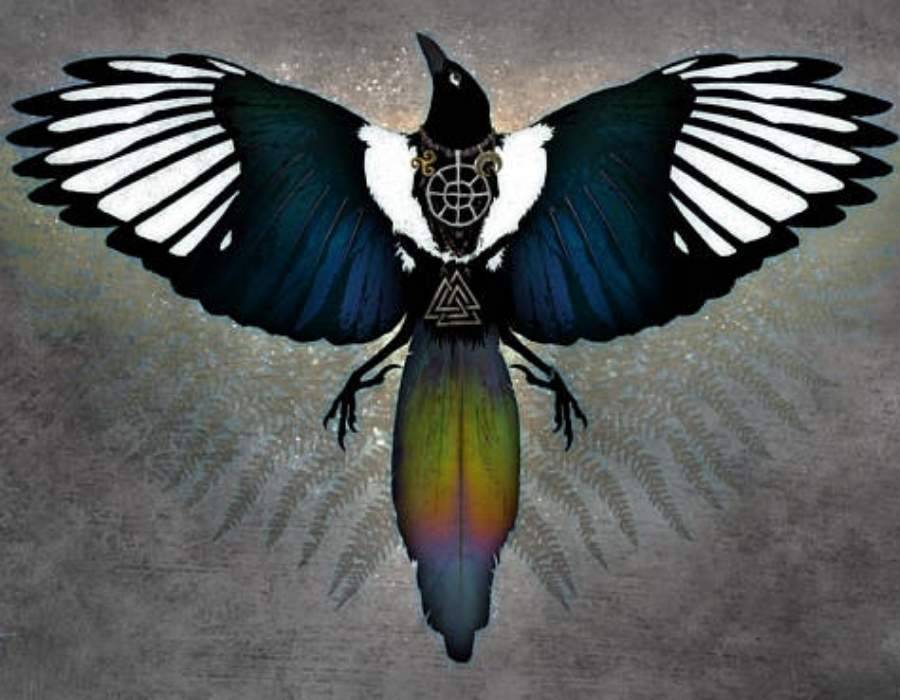
In Korean folk belief, the magpie (kkachi) carries a similar role: messenger of good fortune, caller of arriving guests, bird of the new year. Its silence or death, within this frame, does not mean incoming misfortune. It means a blessing that was on its way has been delayed or interrupted. The good news is stalled, not cancelled.
The same bird, dead in your garden. In one tradition, a completed warning. In another, a delayed blessing. Both treat the magpie as a messenger. They disagree only on what it was carrying.
What Is the Spiritual Meaning of a Dead Magpie as a Personal Omen?
My grandmother Theresa kept a leather notebook of animal signs from her own grandmother in the Bavarian Forest, and the pattern I see in those pages, and in the folk traditions I’ve read since, is consistent: the animal that shows up is a mirror for something you already know, not a message from outside yourself. The dead magpie asks what transition you are standing in the middle of right now. What has recently ended that you haven’t fully named yet.
The reading that feels most honest to me is built from what magpies actually are, beyond what traditions say. Magpies pair-bond for life, or close to it. A lone magpie is already a bird that has lost something. A dead lone magpie is a bird that never found its partner, or lost them. The counting rhyme “one for sorrow” has a biological fact underneath it: a single magpie very often means a widowed bird.
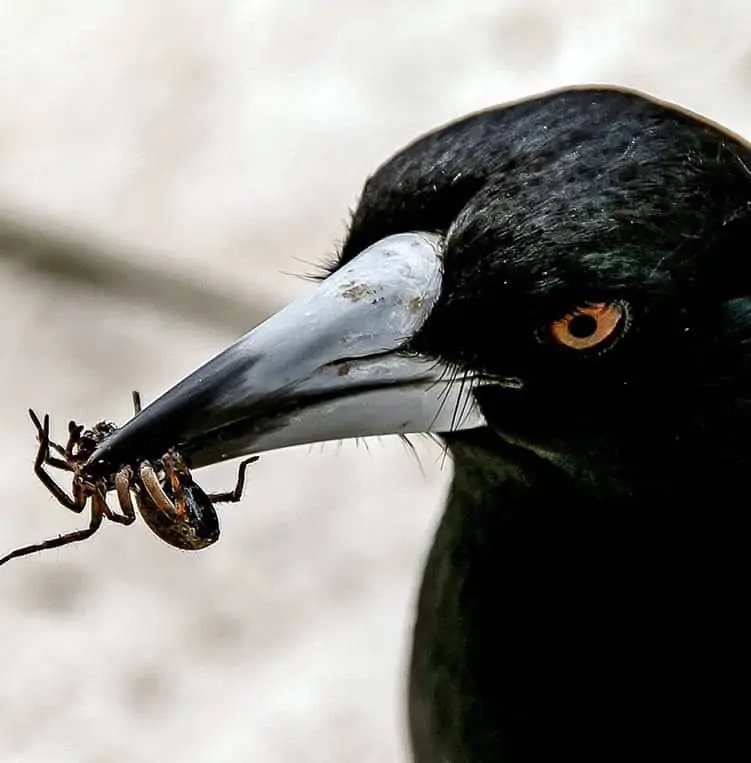
The magpie is also a news-carrier by etymology. “Magpie” comes from “Mag” (a diminutive of Margaret, used for a chattering woman) and “pie” from Latin pica. The bird’s name encodes gossip, rumor, news from far away. When you find it dead, the question the tradition points you toward is: what communication has gone silent? What relationship, plan, or cycle was mid-sentence when this bird fell?
You are not making this up. The fact that you noticed it is part of the answer, not proof of something supernatural, but proof that you are paying attention to something your mind is already processing.
Does the Location Where You Found the Dead Magpie Change Its Meaning?
Yes. And I mean this practically, in concrete terms.
In British and Portuguese folk belief, the threshold, the door, the step, the window, is where omens land with the most weight. A dead magpie on your doorstep or right at your front entrance sits squarely in that tradition: a household matter has been decided. Something to do with the people who live inside that door. In Portuguese Catholic folk belief, a magpie at the front door foretells death or misfortune in the household; a dead one at that same spot could be read as the decision already made, the danger already passed through.
A dead magpie on a road or path carries the interrupted-journey reading from Welsh tradition: a decision stalled, a plan stopped mid-way. Something you were moving toward may need reconsideration.
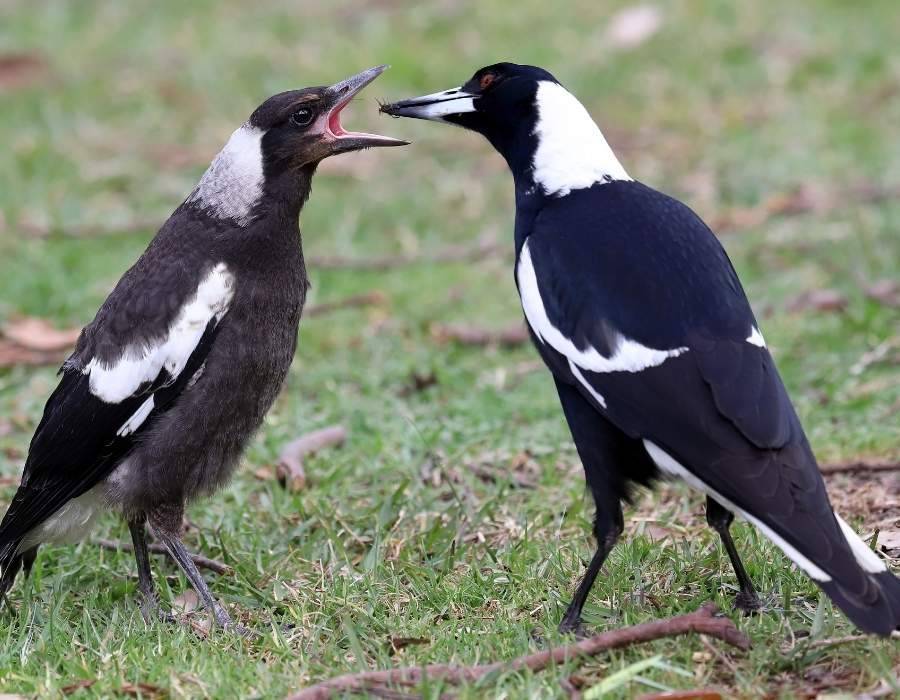
A garden find is quieter. The garden in most European folk traditions belongs to the household but isn’t the entry point. I read a garden magpie as a domestic transition, something changing within the home’s life rather than a message arriving from outside it.
And if your cat brought it in: that’s a different matter entirely. A cat-delivered bird is a cat gift, not a folk sign. Note the symbolism if it struck you, give the cat the side-eye, and continue with your day.
What Does a Dead Magpie Mean in Dreams?
A dead magpie in a dream pulls from the same associations but in a more internal direction. The magpie in dreams tends to represent communication: news you’ve been waiting for, a conversation that hasn’t happened, a message you were dreading.
Frequently Asked Questions
Is finding a dead magpie bad luck?
Not in the way most people mean. In the British folk tradition Henderson documented in 1879, the live single magpie was already the omen, the dead bird is that omen’s terminal point. The message has landed. The transition it was marking has already crossed. That’s different from bad luck arriving fresh. Whether what crossed was bad depends entirely on what has been shifting in your life. You’re standing after something, not before it.
Does a dead magpie mean someone will die?
The tradition that links magpies with household death, Scottish and English rural folk belief, recorded by Henderson and others, refers to a live magpie near a window or roof, not a dead one on the ground. No tradition I’ve read with care reads a dead bird in the yard as a death forecast. If you’re asking because someone you love is already ill, I understand why you went looking. But no: this bird is not that sign.
What does one dead magpie mean versus two dead magpies?
Magpie counting lore applies to living birds in flight, not dead ones. The rhyme tracks what the bird is announcing as it moves. Two dead magpies together, I haven’t found a specific folk reading for it, and I won’t fabricate one. Practically speaking, two dead birds in one place usually has a natural explanation: a cat, a Cooper’s hawk, a glass strike. One dead magpie, placed oddly, is the encounter people actually bring to this question.
Is a dead magpie a message from a deceased loved one?
This is the question I can’t answer with confidence, and I won’t pretend otherwise. I don’t believe animals carry messages from the dead in a literal sense. What I do believe is that grief makes us notice things we’d otherwise walk past, and the mind reaches for meaning in ways that are older than rationalism and not stupid. If a dead magpie appeared at a significant moment and felt like contact, that feeling is real even if its source stays uncertain. What you do with it is yours.
What does it mean if a magpie dies on your doorstep specifically?
The doorstep is the most charged location in British and Portuguese folk belief about magpie omens. British folk belief records link the magpie at the front door with death or serious misfortune in the household. A dead magpie at that same spot sits at the terminal point of that tradition’s most serious reading, but in the “completed transition” frame, the event it was marking has already been decided. The danger, if there was one, has already crossed. You are being marked, not warned.
Should I be worried if I keep seeing dead magpies?
The cluster anxiety is real, and the mind is right to notice a pattern. But most clusters have a mundane explanation: a predator working a territory, a disease moving through a local population, a window or wire that birds keep hitting. Magpies have an average lifespan of about 2.5 years, which means dead magpies aren’t rare. If you’re finding them weekly in the same yard, I’d think about habitat hazards before I’d think about omens. Both can be true, look at the practical explanation first.
What is the difference between a dead magpie omen and a live single magpie omen?
A live single magpie, in the tradition Roud and Henderson document, is a message in transit, a warning or announcement of something coming. The counter-rituals exist because you can still respond before the news arrives. A dead magpie is the message after delivery. The window for counter-ritual has closed; what the bird was pointing toward has already moved from “possible” to “decided.” This is why I find the dead-magpie reading less frightening than the live-one reading. Not more.
Are there any positive spiritual meanings attached to finding a dead magpie?
Yes. In Han Chinese folk tradition, the magpie is 喜鹊 (xǐquè), the joy bird, a carrier of good news. A dead one in this reading means a blessing was delayed, not cancelled, a reunion or happy transition that ran into an obstacle. And even within British folk belief, some practitioners read a dead omen-bird as the danger having spent itself. The bad luck was carried and dropped. The bird took on what was coming and the household is now clear. Both readings are grounded in actual tradition.
Sources
- Birdspot: Magpies and Superstition, British folk belief overview
- Superstitions Sam: One for Sorrow or One for Joy (2022), magpie counting rhymes and counter-rituals
- Kailash Energy: Origins and Cultural Significance of Magpie Symbolism in Chinese Art
- Icy Sedgwick: Magpie Rhymes and British Folk Tradition
- Wikipedia: Magpie, general species overview and folklore summary
- Wonderbound: Magpies Misunderstood (2015), corvid cognition and mourning behavior
- Vine House Farm: Facts, Myths and Folklore About Magpies
- Psychology Today: Birds Tweet About the Dead, corvid mourning behavior research
- Henderson, W. Notes on the Folk-Lore of the Northern Counties of England and the Borders (1879), primary source for household death omens and magpie window/roof belief
- Brand, J. Observations on Popular Antiquities (1777), Catholic folk narrative and magpie as morally suspect bird