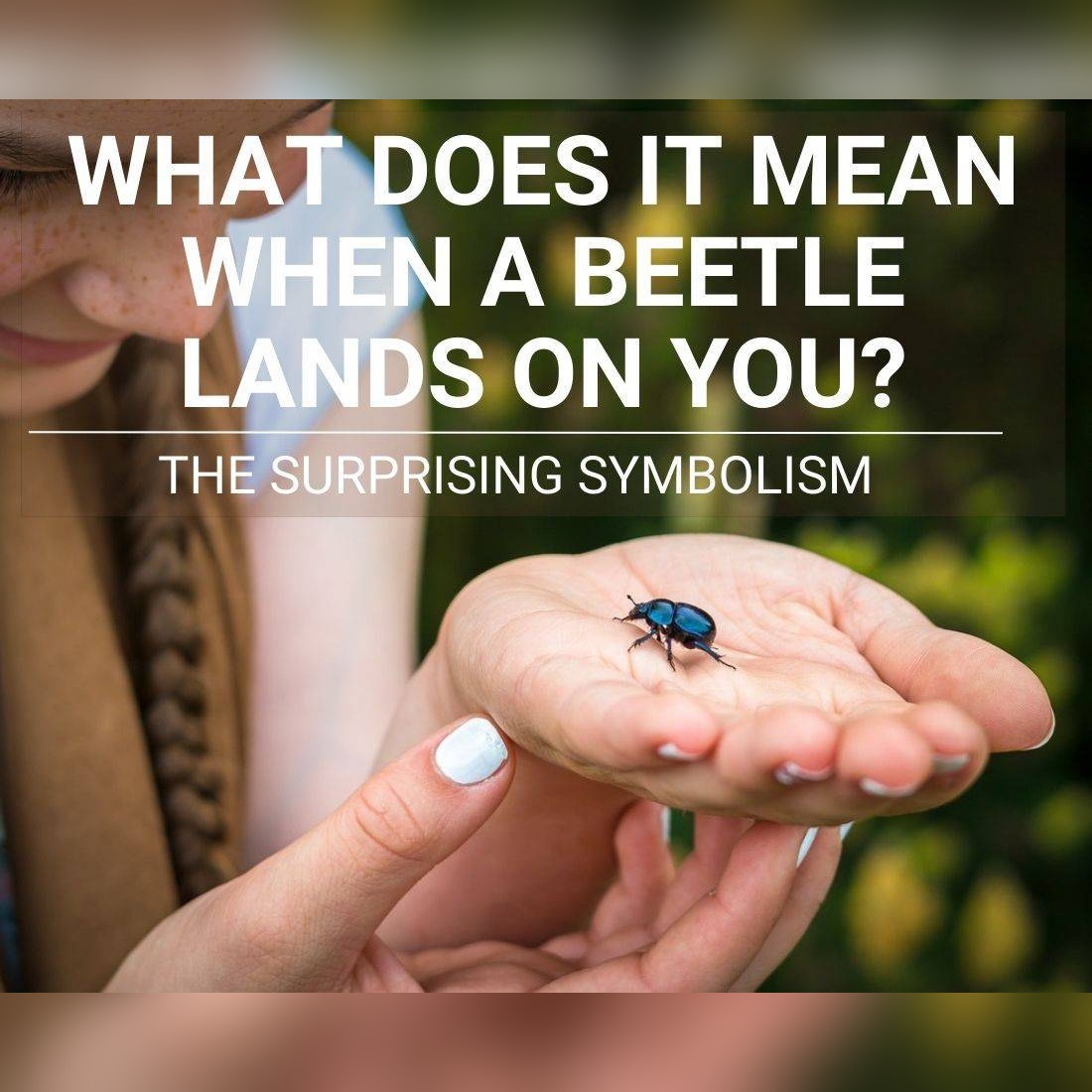
A beetle just landed on you and you’re wondering what it means. In Egyptian tradition, beetles symbolized renewal and forward motion, not danger. What shifts the reading is which beetle it was, its color, and whether it lingered or flew away. This article explains how to identify them and their meanings.
Key Takeaways
- No beetle carries a single universal meaning. The tradition it comes from matters as much as the animal.
- The “protection and new beginnings” reading traces to Pharaonic Egyptian scarab symbolism, tied to the sun-god Khepri, documented in funerary amulet practice by B.C. Ratcliffe (University of Nebraska-Lincoln, 2013).
- In Navajo tradition, corn beetles connect to fertility and abundance in agricultural ceremony. In Hopi belief, black beetles are linked to rain-dance ritual. Neither tradition equals generic “transformation.”
- Color and where the beetle landed on your body add real interpretive weight across traditions.
- The most grounded response to this encounter is observation first, meaning second.
What Does It Mean When a Beetle Lands on You?
My grandmother Theresa kept a leather notebook of animal lore from the Bavarian Forest, and I’ve gone back to it more times than I expected when writing about insects. Beetles don’t appear in it the way owls do, though their scarab symbolism has long fascinated cultures across the world. But the posture she brought to every entry is the same one I’d ask you to bring here: the animal first, then the question.
So. A beetle landed on you, stayed longer than felt accidental, and now you’re trying to figure out what it meant. Here is what I can tell you honestly: the meaning depends almost entirely on which tradition you’re asking and which beetle it was. Dung beetle, ground beetle, June bug, ladybug. They are all beetles the way a crow and a hummingbird are both birds. Anyone offering you one tidy answer for “beetle” as a category is guessing, not reporting.
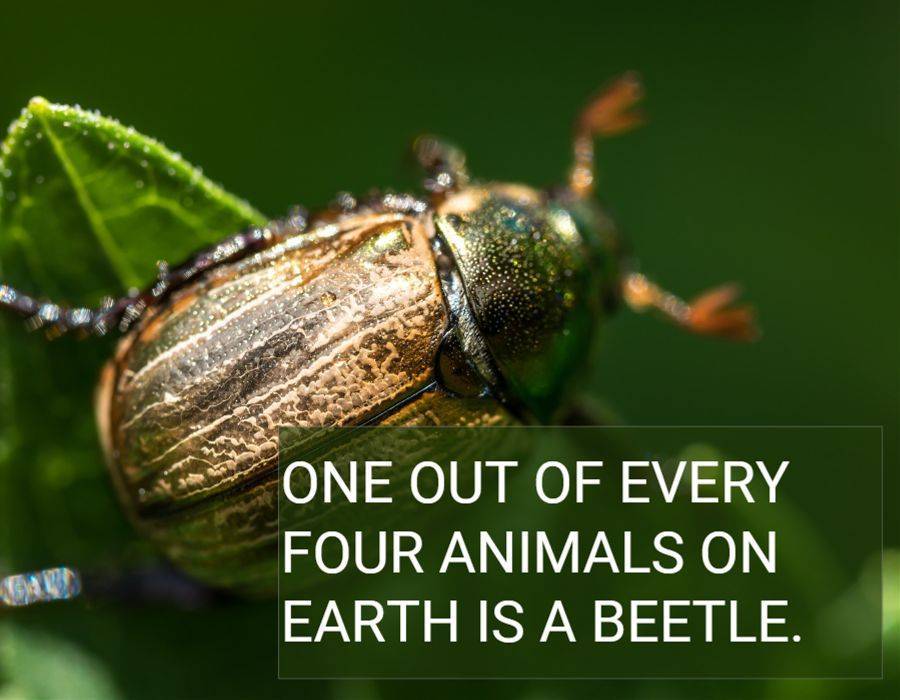
What the traditions do agree on is this: beetles approaching humans voluntarily are read as messengers in more cultures than you’d expect. The direction of that message depends on the species, the color, and the context. Below is what the actual sources say.
What Do Ancient Egyptian Beliefs Say About a Beetle Landing on You?
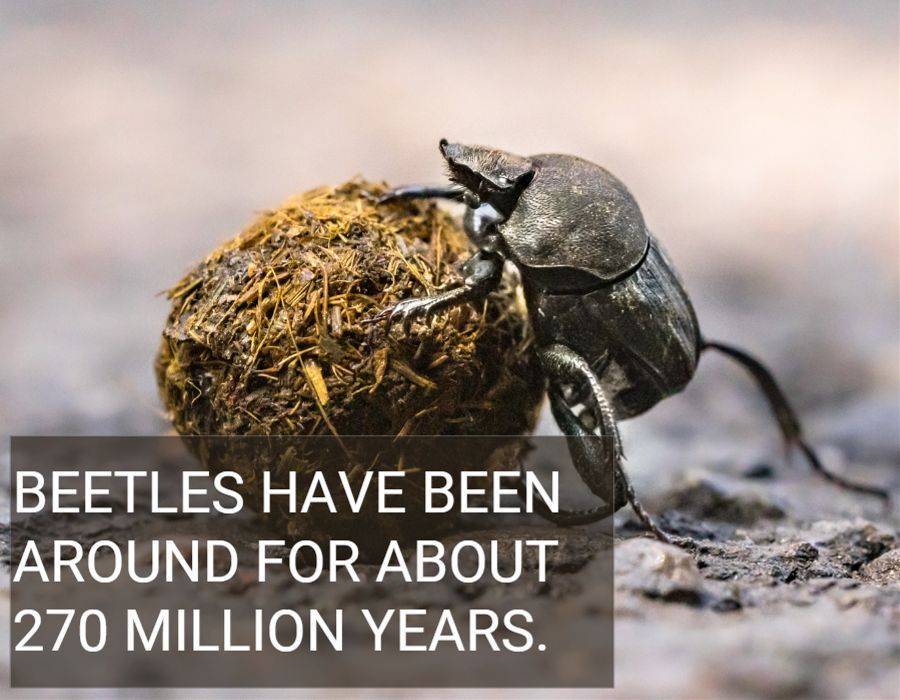
The Egyptian reading is the one most spiritual writers are borrowing from, usually without saying so. According to B.C. Ratcliffe’s “Scarab Beetles in Human Culture” (University of Nebraska-Lincoln, 2013), the scarab beetle, specifically Scarabaeus sacer, the dung beetle, was understood in Pharaonic religion as a living form of Khepri, the god who rolls the sun across the sky each morning, just as the dung beetle rolls its ball across the ground.
Scarab amulets were inscribed with words for “life” and “good luck” and placed directly on the bodies of the dead during burial. The physical contact between the beetle image and the person was the point. Not decorative. Protective.
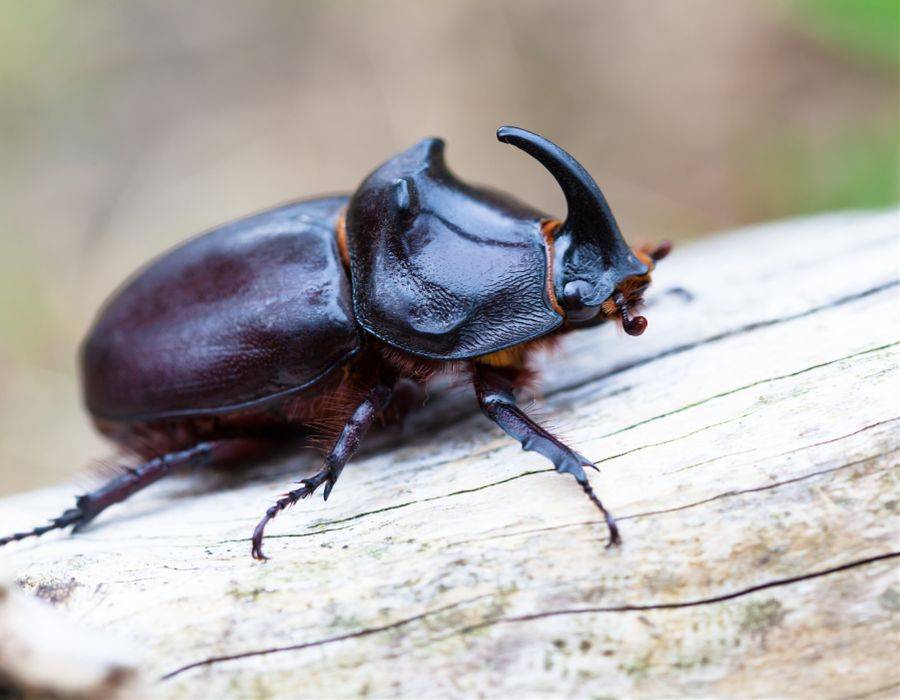
So when someone tells you a beetle landing on you means “a new beginning” or “you are protected,” they are extending scarab theology, probably without knowing that is what they are doing. The reading is old. It is not invented. But it belongs specifically to the dung beetle, not to every beetle with six legs.
For context: scientists have described more than 400,000 beetle species as of a 2021 count in ZooKeys. The scarab is one of them. Its symbolism does not transfer automatically to all the others.
The Navajo and Hopi readings are more grounded in agricultural life, and more specific than the Egyptian one. According to the Native Languages of the Americas comparative summary, Navajo tradition connects corn beetles to fertility and abundance. Their presence in cornfields was meaningful; their arrival near someone engaged in planting or ceremony was read as a sign of crop blessing. Not generic good luck. The land is going to provide.
In Hopi belief, black beetles are said to have originated the first rain dance. The connection is to rain-bringing ritual and seasonal renewal, not to personal transformation in the way it gets used in pop-spirituality writing. If a black beetle lands on you and you come from a tradition that holds the Hopi connection, you are in a specific conversation about water and ceremony.

I want to be clear that I am not Navajo or Hopi. These are traditions I respect enough to report accurately rather than borrow loosely. If this tradition speaks to you, the Native Languages source linked above is the right place to read further.
Does the Type of Beetle Change the Meaning?
Yes. Specifically, yes. Here is a working map of the beetles people ask about most:
Black beetles (ground beetles, black stag beetles, darkling beetles): Read across several European folk traditions as connected to the earth, the underground, and things that work in darkness. Some traditions hold that a black beetle walking toward you means news is coming; away from you means a decision is being made without you. I don’t put much weight on directional readings, but the pattern shows up in enough places to be worth noting.
Green beetles (green June beetles, fig beetles): Green in many traditions signals growth and money, not wealth in the abstract but something specific ripening. The green June beetle (Cotinis nitida) is loud, clumsy, and shows up in summer. It is hard to feel like a spiritual envoy when it bangs into your screen door, but the green association is genuinely old.
Ladybugs (technically beetles, family Coccinellidae): The most widely reported as good luck across European folk traditions. If a ladybug landed on you and you’re wondering whether it counts, it does. It is a beetle. For a fuller reading on ladybug encounters, see the scarab symbolism page, which covers the overlap between ladybug and scarab tradition.
Dung beetles and scarabs: The Egyptian reading above applies here. Protection, renewal, solar power. The most documented beetle in human ritual history, by some margin.
Does Where the Beetle Lands on Your Body Change Anything?
Some traditions say yes. I don’t have a confident answer about how consistent this is across sources. The folk record here is thin, and the sources I trust don’t all agree. But the general patterns:
Hand: Read in several folk traditions as a sign that what you’re about to do with your hands matters. Action is the word. The beetle chose the hand that makes things.
Head or shoulder: Older European folk belief read this as a sign of thought or burden, something being carried, something requiring attention. Not alarming. Pay attention.
Chest or heart area: The hardest to dismiss as random. Many people who describe this encounter say “I just knew” immediately. I believe them, not because I think beetles have intent, but because the human nervous system registers chest contact differently than hand contact, and the meaning we feel may be real even when the mechanism isn’t supernatural.
Indoors versus outdoors matters in shamanic traditions, as documented in the Wellbeing Magazine overview of beetle symbolism. A beetle entering your home is read as bringing a message into your domestic space, something about the household or the private life. A beetle encountering you outside, in a garden or on a walk, is more often read as a sign about your public path or your direction forward.
What Is the Most Likely Reading for Your Specific Encounter?
Run through these four questions and see what comes up.
Which beetle was it? Scarab or dung beetle points toward the Egyptian protection reading. Black ground beetle points toward earth and patience. Ladybug points toward luck in the European folk tradition. Green beetle points toward growth. If you don’t know the species, describe the size and color and look it up. The identification is part of the reading.
What color was it? Black, green, red-and-black, iridescent. Each carries different weight in different traditions. See the section above.
What is happening in your life right now? This is not a dodge. The traditions that take beetle encounters seriously, Navajo, Hopi, Egyptian, European folk, all read the encounter in context. A beetle landing on you during a planting season reads differently than one landing on you the morning after someone died. Context is not everything, but it is something.
What did you feel when it landed? I mean this practically. The body knows something before the mind catches up. If the first thing you felt was stillness, that is information. If you felt startled and then calm, that is also information. You are not making that up.
What Should You Do After a Beetle Lands on You?
Don’t overthink the practical part. If the beetle is still on you, let it walk. Beetles don’t like being grabbed, and forcing the moment tells you nothing. When it’s ready, it will leave.
After:
- Note the species if you can, or photograph it for identification later.
- Write down what was already on your mind in the ten minutes before the encounter. Not what you think it means. Just what was there. The two things may be connected, or they may not, but the writing will tell you something.
- Give yourself until tomorrow before you decide what it meant. First reads are sometimes right. Sometimes they’re just the loudest thought in the room.
If you asked for a sign and this is what came, take it seriously. Not because beetles are supernatural messengers in any verified sense, but because you were paying attention when it happened, and attention is where meaning starts.
The beetle did not pick you randomly. It landed on a warm, still body in its environment. Whether that is the whole story or only part of it is a question each person answers for themselves.
Frequently Asked Questions
Is it good luck if a beetle lands on you?
In Pharaonic Egyptian tradition, yes, and this is the oldest documented source for that reading. According to Ratcliffe’s “Scarab Beetles in Human Culture” (UNL, 2013), scarab amulets were literally inscribed with the words for “life” and “good luck” and placed on the human body during burial. The connection between beetle contact and good fortune is grounded in a real tradition. Whether it extends to all beetles or only the scarab is a question the tradition itself would answer narrowly: the dung beetle specifically.
What does it mean if a black beetle lands on me?
Black beetles are not covered by Egyptian scarab symbolism. The scarab is not black. The black beetle reading comes from European folk traditions, where black insects are tied to the earth, the underground, and patience. I read black beetle encounters as an invitation to slow down rather than act. Some folk traditions read a black beetle walking toward you as news approaching. I don’t know how far back that reading goes, and I wouldn’t stake much on it without a better source.
What does it mean if a beetle lands on me and stays for a long time?
A beetle that stays when you move is the encounter people describe most often as feeling deliberate. You are not making this up. Beetles do look at you; their compound eyes register movement differently than ours, but the sense of mutual attention is real. Traditions that read duration as significant generally treat a long stay as emphasis: whatever the species message is, the beetle is holding it. Take more time with your reflection afterward. That is reasonable advice regardless of what you believe about signs.
Could a beetle landing on me be a sign from someone who died?
I don’t believe beetles carry messages from the dead in any literal sense, and I won’t tell you otherwise. What I do believe is that grief sharpens attention, and attention finds the animals already there. If you lost someone recently and a beetle landed on you, the encounter is real. The meaning you make of it is also real. Some people read that as spiritual; others read it as the mind reaching toward comfort. Both are human, and neither is wrong.
What does it mean if a beetle lands on me more than once in a short time?
Once is a beetle doing what beetles do. Twice in the same week is the kind of thing you notice. By the third time, something in you has stopped asking whether it’s random. I wouldn’t call it a confirmed sign, the folk record on beetle repetition is thin, but I would pay attention to what the encounters have in common. Same location? Same time of day? Same thought you were already carrying? The pattern, if there is one, is the message more than the beetle itself.
Does the season or time of day change what a beetle landing on me means?
In Navajo tradition, corn beetles are specifically tied to planting season and agricultural cycles, so a corn beetle encounter in spring reads differently than one in winter. The Wellbeing Magazine beetle overview notes that morning encounters are sometimes read as messages about beginnings, evening encounters as relating to completion or closure. I find this framework useful as a reflection tool even when I can’t verify it historically. Ask yourself what part of a cycle you’re in right now, and let the beetle’s timing speak to that.
Sources
- Ratcliffe, B.C., “Scarab Beetles in Human Culture,” University of Nebraska-Lincoln (2013)
- Native Languages of the Americas – Beetle Legends and Symbolism
- Wellbeing Magazine – The Symbolism of the Beetle in Shamanic and Spiritual Traditions
- Auntyflo – Black Beetle Landing On You Spiritual Meaning
- ZooKeys / PMC – Beetle Species Diversity Documentation (2021)