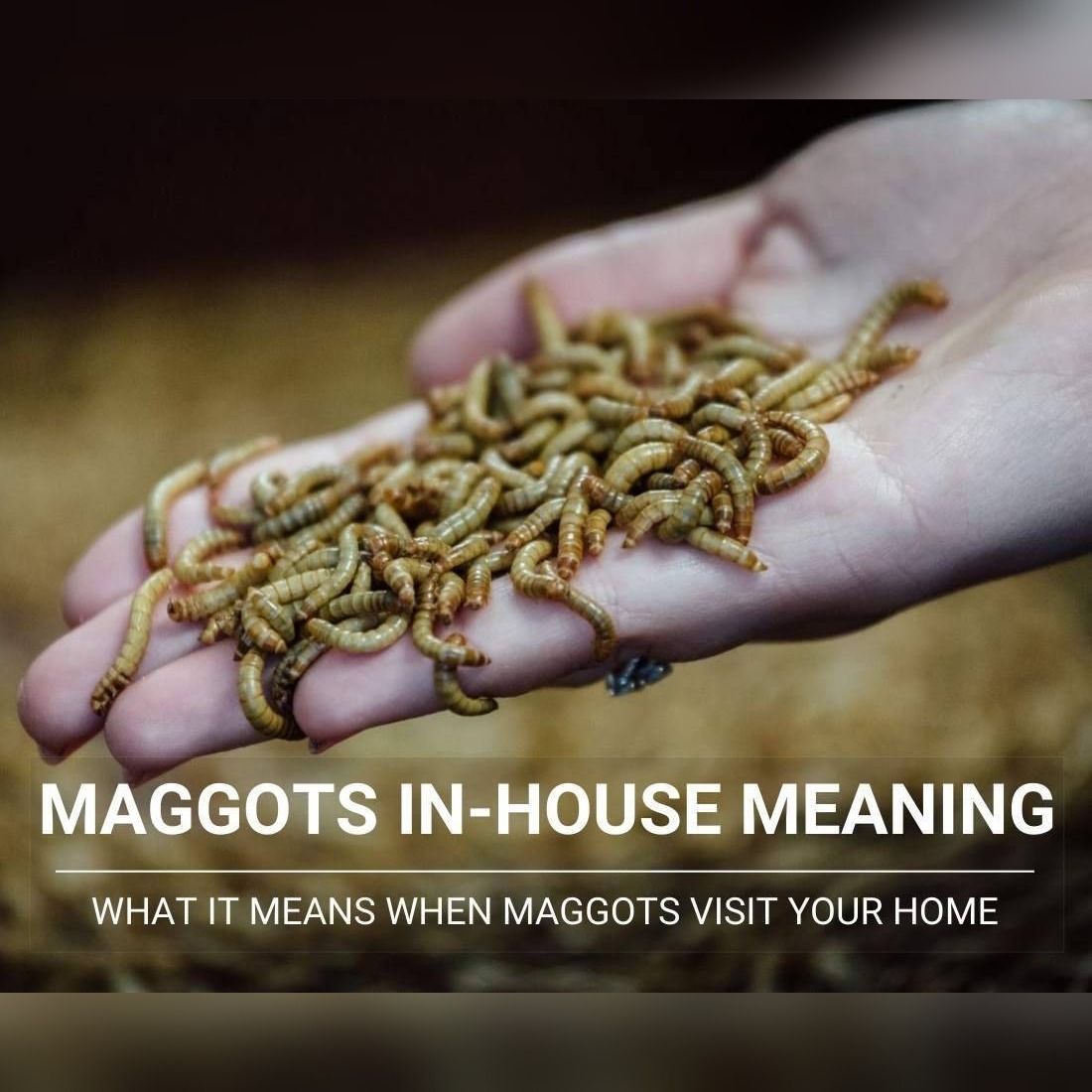
You opened the cupboard and froze: tiny white bodies writhing in the dark. In old Christian teaching, maggots meant rot that God could see even when you couldn’t, a sign that decay had won and needed to be faced. But whether they showed up in food or flesh, in a corner or your bed, changes what they’re really telling you.
Key Takeaways
- Biblical, South Asian literary, and psychoanalytic traditions read maggots in the home as concealed corruption surfacing, not as gentle renewal.
- The “transformation and growth” reading is recent, thin on actual folk roots, and mostly traceable to contemporary self-help writing. The older record is less comfortable.
- Location shifts the emphasis: kitchen points toward nourishment and care; doorway points toward what you let in or keep out; a hidden corner points toward something deliberately avoided.
- Deal with the physical source first. The symbolic reading follows that, not instead of it.
- A sudden infestation with no obvious source rattles people more than a trash-bin case does, and the folk record treats that distinction as meaningful.
What Does It Mean When You Find Maggots in Your House?
You are not making this up. But I won’t tell you this is a gentle spirit messenger either, because the traditions that have sat with this image longest don’t say that.
Maggots in the home are, across the cultural record I’ve read, a confrontational sign: something has been decaying below the surface, and it is no longer hidden. The physical and the symbolic run parallel. A maggot infestation needs a food source, something dead or rotting you may not have found yet. The symbolic reading says the same thing in different language: something in your life has been quietly breaking down, and finding the maggots is the moment you can no longer look away.
That’s not a curse. It’s a prompt.
I’ll say plainly what I think: the traditions that try to soften this image into “transformation and renewal” are doing you no favors. The longer record, Biblical, South Asian, psychoanalytic, reads maggots as a confrontational warning. What shifts the emphasis is where in your home they appeared, and what you do with the finding.
Are Maggots in the House a Bad Omen or a Sign of Transformation?
The honest answer is that the old traditions say warning, and the modern wellness reading says transformation. Those are not equal traditions, and I think you came here for a straight answer.
The warning reading is older, more consistent, and found across cultures that had no contact with each other. The transformation reading comes largely from contemporary spiritual self-help writing and has thin roots in actual folk practice.

That doesn’t make the transformation reading worthless. There is a version of it that holds up: maggots do break down dead matter so something new can grow. That is literally what they do. But the folk and religious traditions that recorded what maggots mean when they appear in a home didn’t reach for that reading. They reached for corruption, judgment, the surfacing of what was hidden.
If you’re in a period of genuine change, a relationship ending, a long-held habit you’re finally confronting, you might read the maggots as the compost stage of that change. But the tradition is not telling you everything is fine. It’s telling you something is ready to be dealt with.
What Do the Bible and Early Christian Tradition Say About Maggots?
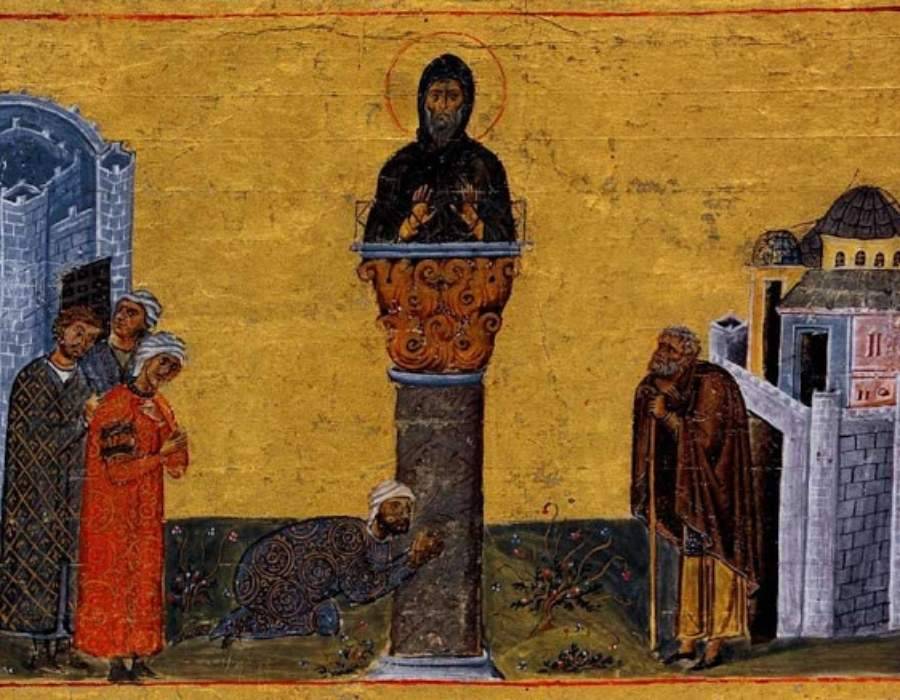
The Biblical record here is not subtle. In Isaiah 14:11, a fallen ruler is described with “maggots as your bed and worms your blanket,” pride reduced to rot, the great man brought low into Sheol where nothing of his status survives. Isaiah 66:24 describes the corpses of those who rebelled against God being consumed by maggots that never die. Jesus picks that image up directly in Mark 9:48, where Gehenna is the place “where their worm does not die and the fire is not quenched.”
These are not metaphors for change.
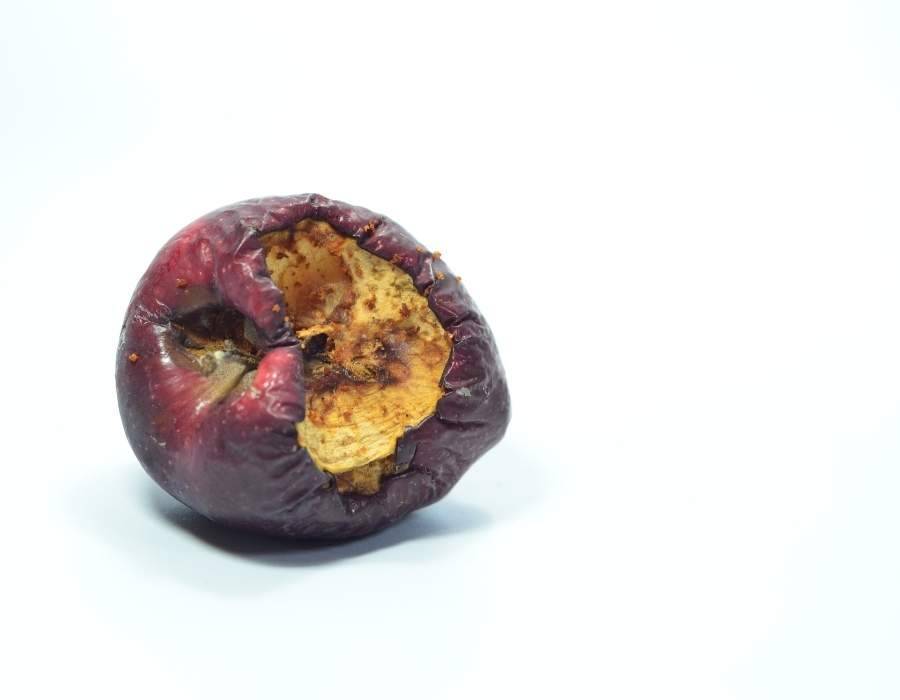
Ronald F. Youngblood’s entry on the Hebrew word tôlāʿ in the Theological Wordbook of the Old Testament (1980) shows the term refers to a larva feeding on decaying flesh, the same creature that produces red dye in other Old Testament contexts, which tells you how charged the image was to its original readers. Edward Fudge, in Two Views of Hell (2000), describes maggots in these passages as “insatiable agents of disintegration,” complete breakdown, not transformation. The Early Christian tradition carried this forward: the maggot was the creature of Gehenna, of what remains when judgment has finished its work.

What Does Cross-Cultural Symbolism Reveal About Maggots Indoors?
The pattern holds across traditions that had no access to the Biblical text. The Wisdomlib survey of maggot imagery in South Asian narrative literature documents scenes where maggots consume elephant carcasses, a stark image of inevitable decay, even of the powerful. In modern Indian English poetry, Kamala Das uses maggots as a metaphor for erosion within marriage, the slow rot beneath an outwardly intact social structure. Her maggots are not symbols of renewal. They are what happens when emotional decay is left unaddressed long enough to become visible.
In the European psychoanalytic tradition, the reading is similar. The older belief in spontaneous generation, the idea that maggots arose unbidden from rotting matter, left a durable psychological image: corruption that moves, that cannot be ignored, that has a kind of horrible life of its own. In dream analysis drawing on Freud and Jung, maggots in a domestic space tend to signal festering guilt, repressed self-disgust, or a relationship that has been decaying longer than the dreamer admitted. The convergence across cultures is striking. Maggots don’t signal something new is coming. They signal something old has already been rotting, and you need to find out what.
There’s a structural connection here to threshold symbolism more broadly. I’ve written about lunar eclipse symbolism and the recurring folk pattern of things hidden suddenly becoming visible; this is that same pattern, worked in flesh rather than light.
What Does the Word “Maggot” Actually Mean, and Why Does It Matter?
The English word comes from Middle English magot or makot, meaning a grub or larva. There’s also an older secondary sense, archaic now: “a whim” or “a strange notion that gets into your head and won’t leave.” In Biblical Hebrew, tôlāʿ, a larva that feeds on decay. In the Greek of Mark 9:48, skōlēx, a grub, but personalized in that passage as “their worm.” Not a general symbol. Something specific and attached, something that belongs to the person it consumes.

That personalization is the thing worth sitting with. The worm that does not die is not the world’s corruption. It is yours. The spiritual traditions using this image are making a claim about interiority: the rot is in the house, yes, but also in the soul of the house.
Where in Your Home Did You Find Them, and Does Location Change the Meaning?
Location shifts the emphasis, not the core reading. Something has been left to decay. But where in the home tells you which part of life the signal points toward.
Kitchen or food storage: The kitchen is where nourishment comes from. Maggots here point toward how you’ve been tending yourself and the people you feed, physically but also emotionally. What have you been neglecting in that department?

Near a doorway or threshold: Thresholds carry their own weight in folk tradition. Maggots at a door or entryway point toward what you’ve been letting in, or what you’ve been keeping out. A relationship. A habit. A person. Something entered, or was refused, that needs honest examination.
A hidden corner, under furniture, behind something: This is the location that unsettles people most, and I think the tradition would say that reaction is correct. Something specifically out of sight. The question it asks: what have you been deliberately not looking at?
What Is the Psychological Meaning of Maggots in the Home?
The psyche is not subtle with this image. Literary analysis of Rick Yancey’s The Monstrumologist notes that maggots in the novel represent a character’s guilty conscience, eating away at him over decades, a direct translation of the Biblical “worm that does not die” into a contemporary guilt narrative. That’s the psychological reading across the board: maggots are what guilt looks like when it has been living inside something long enough to become visible.

Frequently Asked Questions
Is finding maggots in the house a sign of bad luck?
Not exactly bad luck in the way a broken mirror is, where something external has turned against you. The older traditions, Biblical, South Asian literary, European psychoanalytic, read maggots less as luck and more as a signal about something internal or domestic that needs attention. The “bad luck” framing implies the event is random. These traditions say it isn’t. Whether you find that reassuring or not probably depends on what you think might be rotting.
Do maggots in the house mean someone is going to die?
No. I understand why the question gets asked. Maggots are associated with death and decay in nearly every cultural tradition. But their presence in your home doesn’t predict a bereavement. The Biblical passages that use this image, Isaiah 14:11, Isaiah 66:24, describe maggots as part of the state of death, not as a warning that death is coming. The folk record I’ve read doesn’t reliably connect a home infestation to a coming loss. If you’re already in grief and found them, that’s a different emotional register, but it’s not a prophecy.
What does it mean spiritually if maggots appear suddenly and with no obvious source?
This is the scenario that rattles people most, and I think that reaction is worth taking seriously. The folk reading of sudden, sourceless maggots treats this as the purest form of the warning: something is decaying that you cannot see yet, and the maggots are the first evidence of it. In practical terms, look harder for the source. It is almost always there, just hidden. In symbolic terms, ask what in your life has been deteriorating below the level of your attention.
Are maggots in the house connected to any specific spirit or entity in folk belief?
I don’t have a confident answer here. The folk record is thin and the academic record thinner. In the Biblical tradition, the “worm that does not die” in Gehenna functions less as a specific entity and more as an attribute of a state, the ongoing disintegration of what was left unaddressed. Some European folk-magic traditions took a sudden infestation as evidence of ill-wishing from outside the home, but I haven’t found this to be consistent or well-documented. Be cautious about any source that names a specific entity with confidence.
Can maggots in the home point toward a need to cleanse the space?
The traditions I find credible say: clean the space physically first, and be honest about what that process reveals. If after the physical cleaning something still feels unsettled, a cleansing practice can be a meaningful gesture. Opening windows, washing surfaces with salted water, burning sage or rosemary if that’s part of your practice. These work best when they follow honest examination rather than replacing it. The mop first. Then the question the mop can’t answer.
What is the difference between the spiritual meaning of maggots and worms in the house?
In the Biblical tradition, the Hebrew tôlāʿ and Greek skōlēx blur the distinction. The “worm” of Gehenna is lexically a maggot or larva. In everyday folk belief, earthworms in the home tend to carry a gentler charge: soil, rain, fertility, things surfacing from underground rather than from decay. Maggots carry the additional weight of visible rot. They require a decaying food source in a way earthworms don’t. The emotional register is different even when the surface reading looks similar.
Does the number of maggots change the interpretation?
In the traditions I know, no. A single maggot and a hundred point toward the same question: what is the source? The number tells you something about how long the decay has been happening. A large infestation suggests the source has been there longer. But the symbol doesn’t scale in intensity the way some folk-number traditions do, the three crows, the seven magpies. The meaning is in the presence, not the count.
How do I stop maggots from returning after dealing with them physically?
Eliminate all organic food sources they could feed on. Empty bins regularly, especially in warm weather. Check under appliances, in gaps near baseboards, anywhere a small animal might have died out of sight. Flies lay eggs on decaying organic matter within hours of finding it, so prevention is mostly about not giving them a reason to land. And the symbolic corollary is the same: attend to what you might be leaving to accumulate unexamined. Recurrence, in practical and folk terms both, usually points to a source that wasn’t fully cleared the first time.
Sources
- Wisdomlib, Maggot imagery in South Asian narrative literature
- Spiritual Meaning of Maggots, folk and modern interpretations overview
- Shmoop Literary Analysis, Maggots in Rick Yancey’s The Monstrumologist
- BibleHub, Isaiah 14:11 (Hebrew text and translation)
- Krista Falsmusing, Worm or Worms: Isaiah 66:24 and the Prophesied State of Final Judgment
- BibleHub, Mark 9:48 (Greek text and translation)
- Bible House of Grace, Worm in the Old and New Testament (includes Youngblood’s tôlāʿ analysis)
- GotQuestions, “Where their worm does not die”: exegesis of Mark 9:48
- Rosmerta Publishing, Maggots as dream symbols: Freudian and Jungian frameworks
- The Indie Spiritualist, Spiritual meanings of maggots in the house