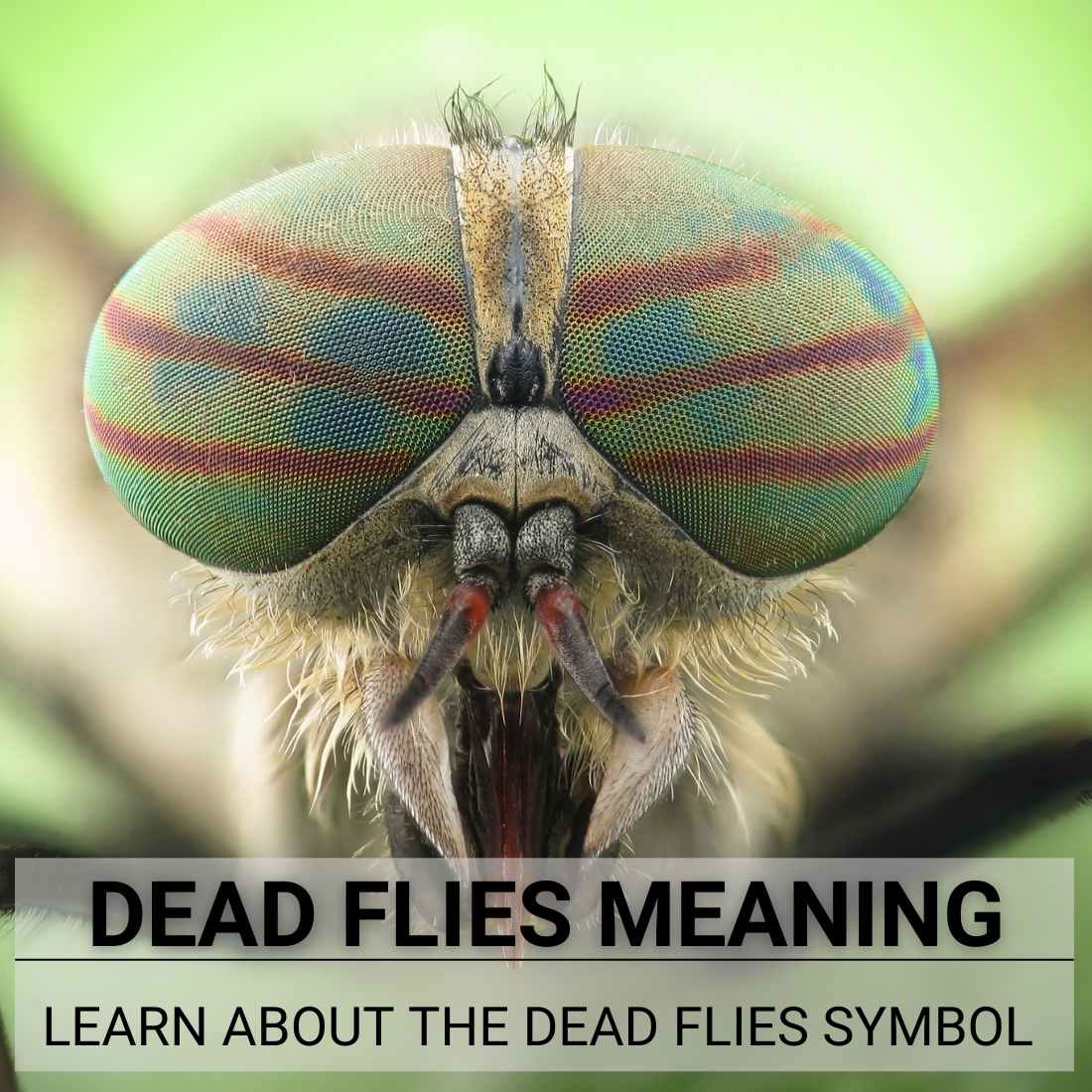
In ancient Hebrew scripture, a single dead fly in perfumer’s oil spoiled the whole batch and ruined the perfumer’s name. This image reveals the fly as more than a pest—a sign that small rot spreads fast and breaks what matters. Whether one dead fly means the same as a pile depends on what else you’re noticing around your house.
Key Takeaways
- Dead flies carry a consistent tradition of warning and moral caution, not positive omens or signs of incoming blessing.
- Ecclesiastes 10:1 is the oldest and most cited source: small decay ruins something precious, just as minor folly destroys wisdom and honor.
- The phrase “a fly in the ointment” comes directly from this biblical image and has meant the same thing for roughly two thousand years.
- Beelzebub’s identity as “prince of flies” reinforces the spiritual-pollution reading across Jewish and Christian commentary.
- Finding dead flies is best treated as a prompt for honest self-examination, not a forecast of events, not a curse.
What Does It Mean When You Find Dead Flies?
The tradition that named this most clearly says: something small is going wrong with something valuable. Not a death omen. Not a curse. A notice that something you’ve been ignoring has started to turn.
The image comes from Ecclesiastes 10:1, where dead flies in a perfumer’s oil ruin the whole jar. I’m Richard Alois, and I write about animal symbolism from a cabin in Black Mountain, North Carolina. I want to be honest upfront: flies are not a subject I find warm or easy. But the tradition around them is specific and old, and you deserve a straight answer.
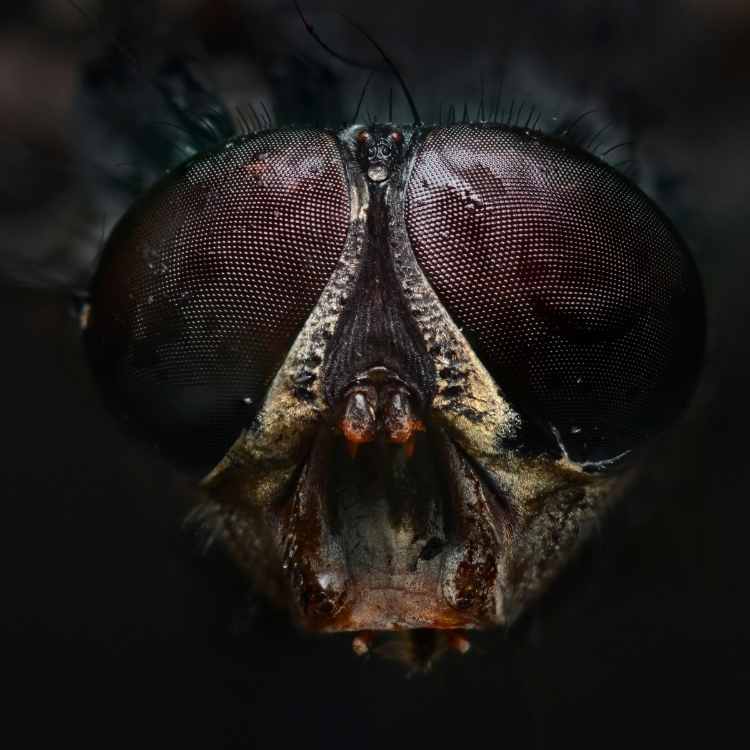
You are not making this up. The unease you feel looking at a cluster of dead flies on your windowsill is not irrational. The old reading says: pay attention to what is small and corrupting in your life right now. That’s the message.
What Do Dead Flies Symbolize Across Spiritual Traditions?
The dominant reading, across Jewish wisdom literature and the Christian homiletic tradition that followed it for fifteen centuries, is decay and moral folly. Not transformation. Not rebirth. Rot in something that should be clean.
The Pulpit Commentary’s reading of Ecclesiastes treats this as didactic rather than divinatory: the point is not to predict what will happen to you, but to show what small moral failures do to an otherwise good character. The flies are not messengers. They are evidence.
The Cambridge Bible for Schools and Colleges, commenting on Ecclesiastes in the 19th century, reads the verse as a statement about proportion. A tiny folly can outweigh a lifetime of wisdom. That’s a bounded, specific claim. Not a curse, but a caution.
For more on how living flies carry their own distinct meanings in folklore, see our related piece on flies in the home and what they have meant across traditions.
What Does the Bible Say About the Meaning of Dead Flies?
Ecclesiastes 10:1 reads: “Dead flies cause the ointment of the apothecary to send forth a stinking savour: so doth a little folly him that is in reputation for wisdom and honour.” The Hebrew phrase is zəḇûḇê māveṯ, literally “flies of death,” meaning flies that carry death or decay, not simply flies that have died.
According to the StudyLight commentary on Ecclesiastes, classical interpreters read this as a metaphor for the disproportionate damage that small sins do to a person’s reputation. The perfumer’s ointment would have been expensive, made from rare ingredients, stored carefully. A few flies rotting inside it destroyed the whole jar. The ratio is the point: a small amount of corruption to a large amount of value.
The Precept Austin notes on Ecclesiastes 10 extend this into practical application: the warning is about accumulated cost, the compromises that seem minor in the moment. No commentator I’ve found in the scholarly record treats Ecclesiastes 10:1 as instructions for reading omens. The flies are a teaching device, not a sign system.
I find this more useful than most spiritual readings I encounter. The question the verse asks is not “what is the universe telling me?” but “what small thing have I been letting slide?”
What Is the Connection Between Dead Flies and Beelzebub?
Beelzebub comes from the Syro-Palestinian deity Ba’al Zebul, and in Jewish and Christian demonology the name was reinterpreted as “lord of the flies” or “prince of flies.” In the ancient Near East, flies gathered on sacrifices, on wounds, on decomposing matter. That’s where the association with impurity and pestilence originates.
Biblical commentators, including those collected at Biblehub’s commentary on Ecclesiastes 10:1, note that this demonological tradition reinforces the flies-as-corruption reading rather than offering a separate one. Flies were associated with Beelzebub’s domain because they appeared wherever decay was. Dead flies, in this tradition, are not neutral: they are the residue of a presence tied to spiritual pollution.
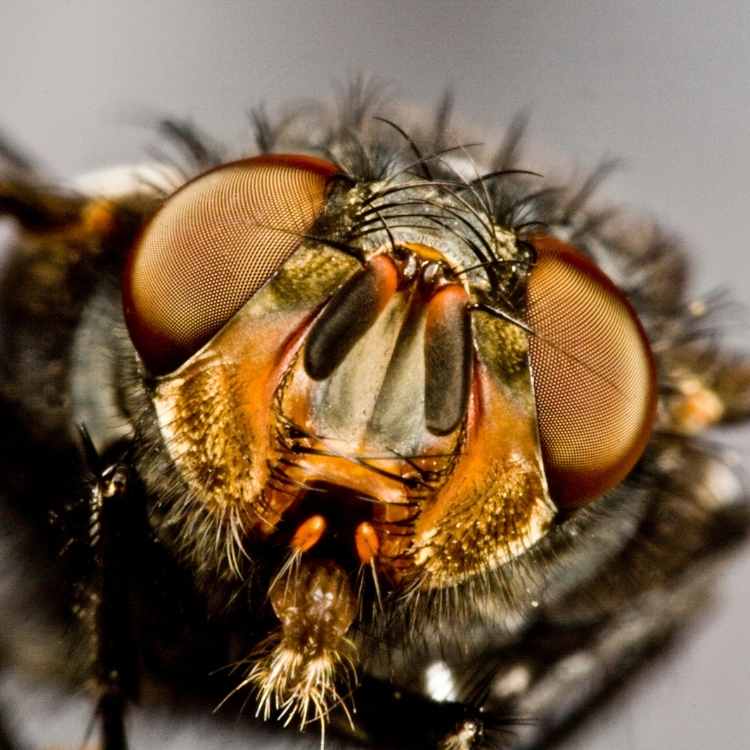
This is worth knowing, not because it means your house is demonically compromised, but because it explains why the unease you feel has real cultural weight behind it. The association is old and consistent. It points toward contamination as the core symbolic meaning, not literal destruction.
Are Dead Flies a Bad Omen or a Warning Sign?
A warning sign, not a predictive omen. The distinction matters. An omen says something will happen. A warning says something is happening, or has been allowed to happen, that needs your attention.
The Christian homiletic tradition used Ecclesiastes 10:1 as a preaching text for centuries, consistently framing dead flies as a call to self-examination. According to Precept Austin’s Ecclesiastes commentary, the verse was used in sermons to prompt congregations to ask what small moral compromise was quietly spoiling their character.
I read this as the more honest frame. If you found dead flies somewhere unexpected, the question the old tradition raises is not “what is coming?” but “what small folly have I been tolerating?” A relationship you’ve let decay. A habit you’ve been minimizing. A standard you’ve quietly stopped holding.
Not comfortable. But specific, and specific is better than vague dread.
What Does It Mean When Dead Flies Appear in Your Home?
Take a breath. Most of the time, there is a completely ordinary explanation. And the ordinary explanation doesn’t cancel the symbolic one.
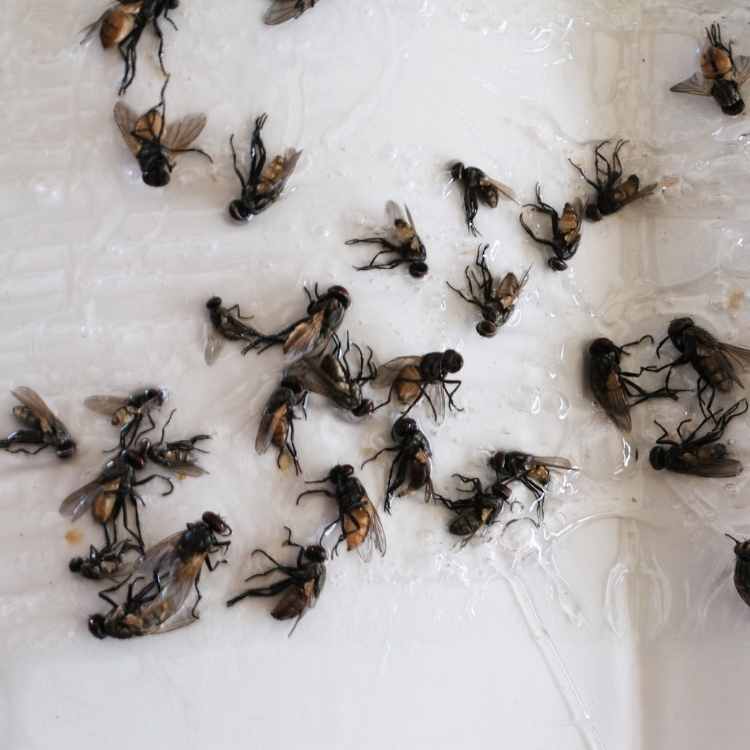
Common houseflies (Musca domestica) live about 15 to 25 days under normal conditions, according to the USDA’s 2015 guide on housefly identification and control. They die constantly: in windows, on sills, in corners where they got trapped. In summer the population inside a house can be large, and you’ll find them in clusters, not because something targeted you, but because that’s when flies breed and die fastest. A pile of dead flies near a basement window is entomology, not omen. Cool, dark, small opening in. No way back out.
And yet. The fact that you’re asking is part of the answer, as far as I’m concerned. Something in the encounter caught your attention. The symbolic tradition says that catch of attention is worth honoring. Not by panicking, but by asking what in your life right now feels like the fly in the ointment: the small thing that’s quietly making something else smell wrong.
What Should You Do After Finding Dead Flies?
Practically: clean them up with gloves, dispose of them, look for an entry point. The World Health Organization’s 2014 report on vector-borne nuisance insects is clear that dead flies can carry bacteria even after death, so ordinary hygiene applies.
If you found a cluster, look for what attracted them. A gap under a door, a piece of food that rotted somewhere unnoticed, a drain that needs clearing. Flies don’t gather for no reason.
On the symbolic side, the tradition doesn’t call for elaborate ritual. It calls for honest reflection. What is the small thing you have been tolerating? The image from Ecclesiastes is about proportion: a jar of expensive ointment, a few flies. What in your life is too good to let a small negligence ruin?
Frequently Asked Questions
Do dead flies in the basement have a different spiritual meaning than dead flies elsewhere in the house?
Not in any tradition I can point to with confidence. Basements are simply where flies tend to end up: they enter through gaps and can’t find the light to get back out. The symbolic reading doesn’t change by room. The core question is the same wherever you find them. Is there something in your life, or in that space, that has been allowed to stagnate? Check for a gap or a moisture source first. The entomology explains most basement clusters on its own.
Is a single dead fly more or less significant than a cluster?
The Ecclesiastes image uses plural flies, “dead flies” in the ointment, not one. I read a cluster as more worth noticing than a single fly, which dies of age or heat or window-glass every day. Ordinary. A cluster suggests either a large population inside the house (a practical problem worth addressing) or, if you’re reading symbolically, a pattern rather than a moment. The question the tradition raises scales with the size of the thing: how much of your ointment has this touched?
Are flies in general considered a symbol of death across cultures?
In a number of documented traditions, yes, but not universally. In ancient Egyptian iconography, flies appear as military honors; the “golden fly” was a military decoration, not a death sign. In ancient Mesopotamia, flies were associated with the underworld goddess Nergal. In the Syro-Palestinian tradition that shaped the Beelzebub figure, flies carried associations with pestilence and impurity. Flies appear in death contexts across many cultures, but their role varies considerably depending on the tradition. The simple equation “flies equal death” doesn’t hold everywhere.
What spirits or spiritual forces are traditionally associated with flies?
Beelzebub is the most documented: “prince of flies” in Jewish and Christian demonology, derived from the Syro-Palestinian deity Ba’al Zebul. Biblical commentaries, including those gathered at Biblehub’s topical index on Ecclesiastes, link this title to impurity, pestilence, and contamination. In some West African traditions, certain spirits are associated with insects that gather near the dead, but I’d be cautious about mapping those traditions onto this question without a named scholar. The connections are not always as direct as they’re presented.
Does the time of year change the interpretation, say, finding dead flies in summer?
Honestly, summer is when this is least likely to mean anything symbolic at all. Houseflies breed fast in warm weather: a female lays up to 500 eggs over her lifetime, and multiple generations complete their cycle in a single season. Dead flies in summer are almost always a population event, not a personal sign. Finding them in winter, when fly populations are minimal, is the more unusual encounter and the one worth sitting with. Summer clusters on windowsills are just where the season leaves them.
Is there any tradition that views dead flies positively?
I haven’t found one, and I looked. The Egyptian “golden fly” honored a living fly as a symbol of tenacity in battle, not a dead one. Folk traditions that view insects positively (certain beetles in ancient Egypt, crickets in Chinese folk belief) are not traditions about flies specifically. If a tradition that reads dead flies as a blessing exists somewhere in the documented folk record, I haven’t encountered it. The consistent reading across sources I trust is caution and correction, not blessing.
How is the symbolism of dead flies different from the symbolism of living flies?
Living flies in a space carry associations with persistence and attraction to what is hidden or decaying, and in the Beelzebub tradition, with active spiritual contamination. Dead flies are what remains after that process has already run. The Ecclesiastes image makes this specific: it’s not the fly buzzing around the jar that’s the problem. It’s the fly that got in and stopped moving and is now quietly making the whole thing useless. The living fly is a warning. The dead fly is what happens if you didn’t heed it.
Should I cleanse my home spiritually after finding dead flies?
If it would give you a sense of closure and intention, yes, but keep the gesture grounded. Clean the area thoroughly. That’s both practical and symbolic; the physical act of cleaning is already a ritual of renewal in most folk traditions. If you want something more deliberate, opening windows, burning dried herbs like sage, lavender, or rosemary (all common in Appalachian and European folk practice), and saying out loud what you are clearing out are all documented small-ritual responses to a sense of spiritual pollution. Vague cleansing doesn’t do the work that specific intention does.
Sources
- Ecclesiastes 10:1, Biblehub (Hebrew Bible, multiple translations)
- Pulpit Commentary and multiple classical commentaries on Ecclesiastes 10:1, Biblehub
- StudyLight commentary on Ecclesiastes 10, Ellicott and others
- Precept Austin, Ecclesiastes 10 commentary notes
- Cambridge Bible for Schools and Colleges, Ecclesiastes commentary, Biblehub
- Christianity.com, “What Does ‘Fly in the Ointment’ Mean in Ecclesiastes 10:1?”
- Trinity Baptist Church, Asheville NC, “Dead Flies: A Parable of Pollution”
- USDA, “House Flies: Identification and Control,” 2015
- World Health Organization, “Vector-Borne Disease and Public Health Nuisance Insects,” 2014
- Gründling & Ehrmann, “Housefly as a Mechanical Vector of Foodborne Pathogens,” Journal of Food Protection, 2012