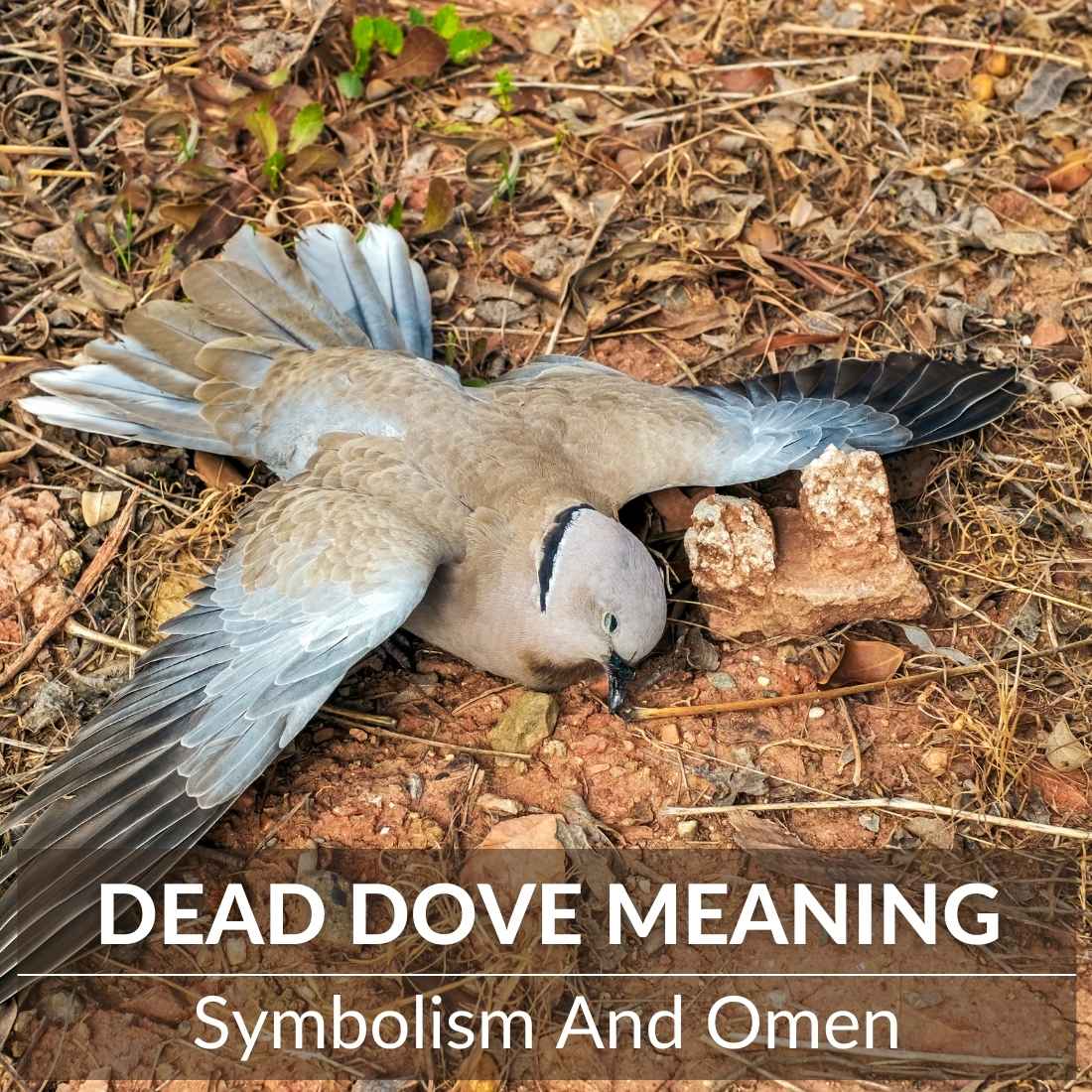
My grandmother Theresa kept a leather notebook of animal lore from the Bavarian Forest, and the dove appears in it twice. A blessing at a wedding. A signal of the soul leaving. Neither entry treats the bird as an omen of death. Both treat it seriously, which is the posture I’d ask you to bring here before you go looking for the catastrophic reading.
Key Takeaways
- A dead dove most commonly signals broken peace, interrupted blessing, or a soul in transition. Not an imminent death in your family.
- The meaning is inferred from what the dove stands for while alive. Explicit “dead dove omen” texts are rarer than the internet implies.
- Location changes the reading. A threshold find (doorstep, windowsill, porch) carries different weight than one in an open yard.
- In dreams, a dead dove points inward: grief over a relationship, a peace that has worn out, something you already know but haven’t said yet.
- The encounter is best read as a prompt to ask what peace or connection needs your attention, not as a curse.
What Does It Mean When You Find a Dead Dove?
A dead dove found somewhere that feels chosen, your front step, below your window, on the path you walk every morning, is read across multiple traditions as a signal that something is ending. Not someone. Something. A period of quiet. A protection that has completed its work. A relationship that has been closing for longer than you admitted. The mourning dove feather meaning carries similar weight in these interpretations.
You are not making this up. The dove has carried the weight of peace, the soul, and divine favor in so many traditions for so long that the mind reaches for meaning when it sees one fall. That reaching is not superstition. It’s pattern recognition, and it is very old.
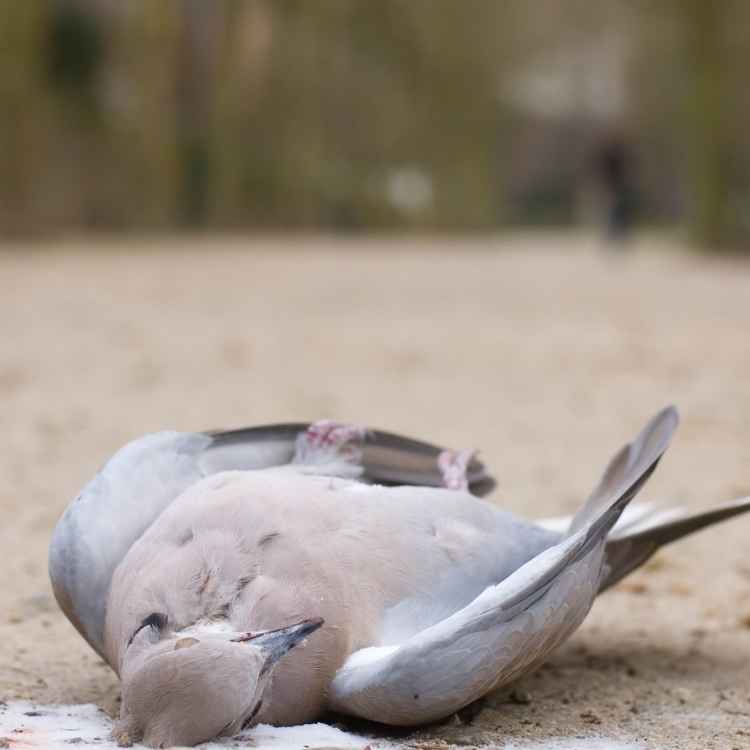
The specific question I get most often is almost always the same: Does this mean something bad is coming? The honest answer, based on what the traditions actually say, is: not in the way you fear.
What Does a Dead Dove Symbolize Spiritually Across Cultures?
The dove’s symbolic weight comes entirely from what it stands for while alive. Peace. The divine breath. The soul. Fertility and love. If you understand what a living dove means in a given tradition, you understand why its death carries weight in that same tradition.
According to the Biblical Archaeology Society’s survey of dove symbolism, the bird appears as a symbol of the divine spirit, of Israel’s suffering and restoration, and of the fertility goddess across Ancient Israelite, Early Christian, and Canaanite-Phoenician religion. In Mandaean tradition, the white dove directly embodies the human spirit, the ruha. In each case, the bird’s death signals the loss or interruption of whatever it embodies: peace withdrawn, a soul in motion, a blessing that has run its course.
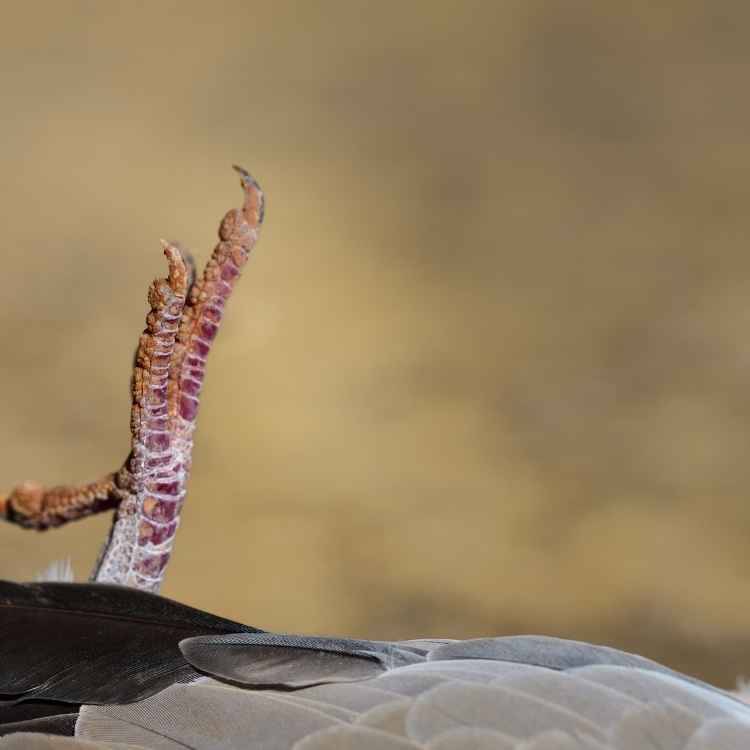
None of these traditions says a dead dove on your doorstep means a person you love is about to die. What they say, by inference from the living symbol, is that something gentle, something held in trust, is changing.
What Did Ancient Israelite and Early Christian Tradition Say About the Dove’s Death?
In Levitical law, doves were prescribed for specific rituals: purification after childbirth, atonement for certain impurities, offerings for those who couldn’t afford larger animals. The Biblical Archaeology Society documents this in detail, noting that doves were the accessible sacrifice, the offering available to ordinary people at moments of significant transition.
In that framework, a dead dove didn’t signal disaster. It signaled completion. A threshold crossed. The death was the work being done, not the punishment being delivered.
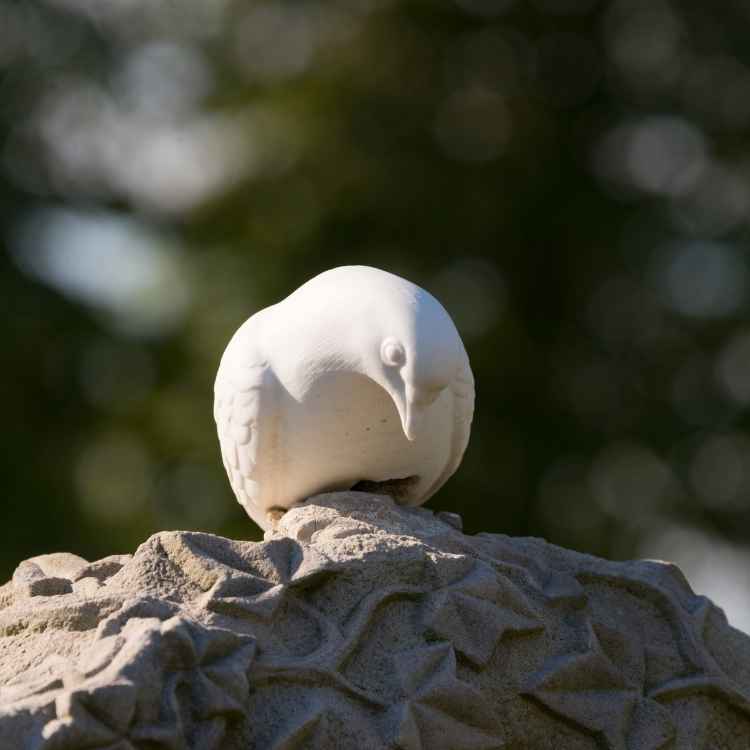
Early Christian iconography inherited this but shifted the emphasis. The dove became the image of the Holy Spirit descending at Jesus’ baptism, then the image of the church itself, of peace that passes understanding. When Christian writers depicted the dove’s absence or death, the inference was withdrawal rather than punishment: the Spirit stepping back, something sacred no longer protected. Not a verdict. A signal.
I read this as a more useful frame than the bad-omen one. It asks: what peace in your life has gone quiet? What blessing has completed its work and released you? Those are harder questions than “am I cursed,” but they are the ones the tradition is actually asking.
What Does the Canaanite and Phoenician Goddess Tradition Say About a Dead Dove?
The mother goddess traditions of Canaan and Phoenicia, Asherah and her later Punic embodiment Tanit, treated the dove as the bird of divine femininity. Not a messenger. The goddess herself, or something very close to it. Terracotta dove figurines appear on shrines and stelae across the region, evidence documented in the Biblical Archaeology Society’s analysis of Canaanite-Phoenician cult symbolism.
A dove offered in sacrifice was a completed gift: life-energy and fertility returned to the goddess in exchange for her favor. The death was the point. But outside the ritual context, an unexpected dead dove was something else. It read as an interruption. Love withdrawn. Creative life-force paused.
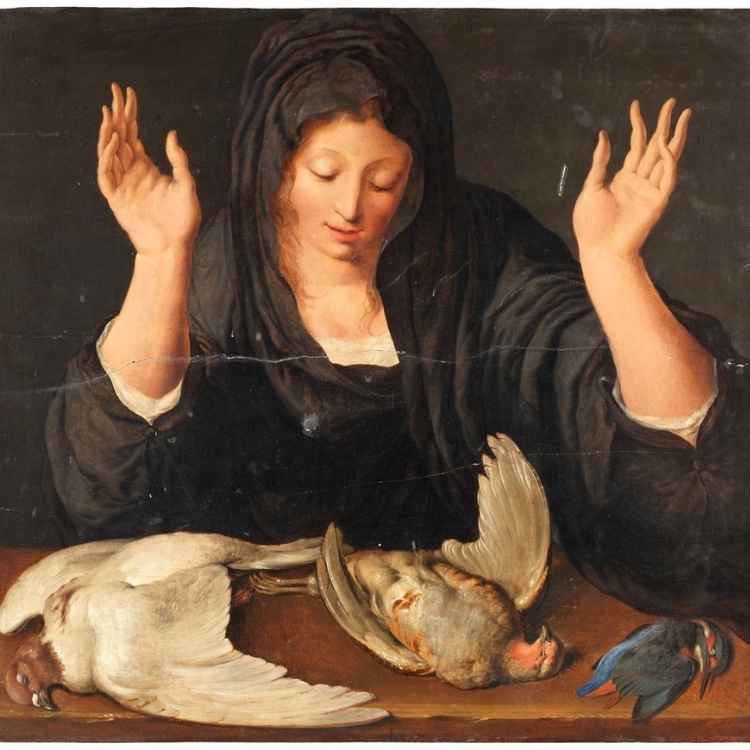
So in this tradition, finding a dead dove when you didn’t choose it and didn’t offer it carries a specific signal: something in your life connected to love or creation is asking for attention. Not punishment. A pause that wants to become something.
What Does Mandaean Tradition Say a Dead Dove Signals for the Soul?
Mandaeism is a small, ancient religion still practiced in parts of southern Iraq and Iran and among diaspora communities worldwide. Its scholarship is not widely read outside religious studies, but its treatment of the dove is the most direct of any tradition I’ve encountered.
In Mandaean practice, white doves are explicitly connected to the ruha, the human spirit or soul. Not a symbol of the soul in a loose, poetic sense. A visible stand-in for it, particularly in rituals connected to life, death, and what comes after. The dove and the living spirit are not separate things.
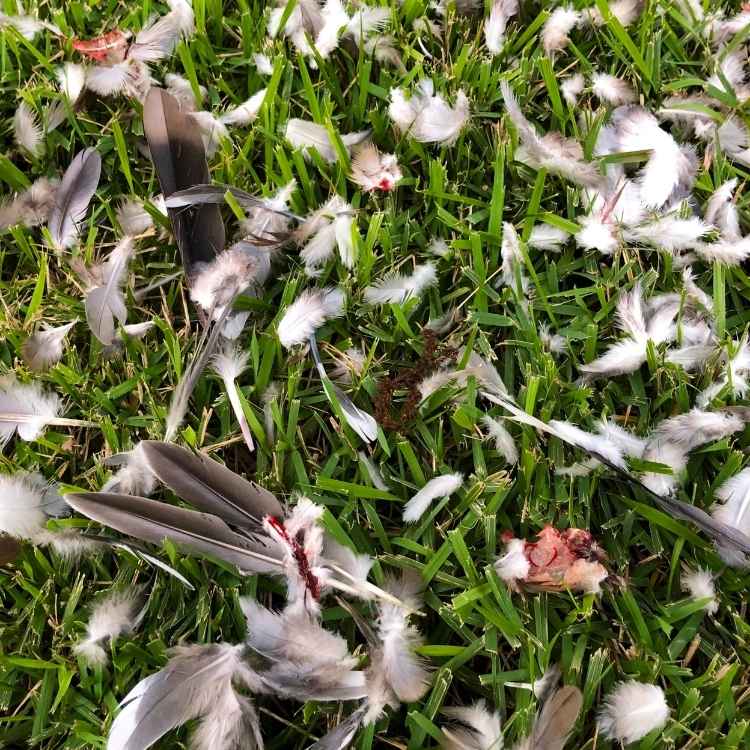
If that’s true, a dead dove is straightforward in this framework: a soul in motion. Harmed, or departing, or making a crossing. I don’t know whether this means the bird’s own soul or something the observer is projecting outward, and I’m not sure the Mandaean framework makes that distinction. What it does say is that the bird’s death is the spirit’s passage.
That is not nothing. But it’s not a death threat either.
Is a Dead Dove an Omen or Just a Dead Bird?
Both. And which one matters to you is not something I can answer from here.
Doves strike windows. Cats catch them. They die of disease, of cold, of being young and unlucky. The Cornell Lab of Ornithology estimated in its 2019 State of the Birds report that between 600 million and one billion birds die from window strikes annually in the US alone. Doves, because of their low, direct flight patterns, are among the more common victims. That is a lot of birds on a lot of doorsteps.
And yet. The person who found a dead dove the morning after her mother died is not going to be reassured by migration statistics, and I wouldn’t try. The encounter lands where it lands. What I can say is that the folk record does not support “someone close to you will die.” The traditions that treat the dove as sacred read its death as a signal about peace, blessing, and the soul. Not a warning about other people’s survival.
There is no version of this that means you should be afraid. There may be a version that means something in your life has changed, and you already know what it is.
Does Location Change What a Dead Dove Means?
Yes. In folk traditions across Europe and the Middle East, thresholds carry their own weight. A doorstep is a boundary. What crosses it, living or dead, is doing something to the household’s interior.
A dead dove on your doorstep or porch: most threshold-folk readings treat this as the most charged location. The protective peace of the home is interrupted. Something that was keeping the door clear has finished its work. It’s worth asking, plainly, whether something in your domestic life is ending or asking to be acknowledged.
A dead dove on a windowsill: the bird struck the glass, saw something it couldn’t pass through. My grandmother Theresa’s notebook includes a Bavarian note on this, a bird at the window connected to the soul, a dead bird at the glass understood as a soul that couldn’t get through. It’s a gentler signal than a doorstep find. More like a message that didn’t quite arrive.
A dead dove in the yard, away from the house: the symbolic charge is lower here. An open yard is not a threshold. This reads more as a natural death that happened in your vicinity than a directed encounter. The folk tradition is less specific about open-ground finds. For more on how location shapes meaning across bird species, see the site’s full guide on mourning dove symbolism, which covers the living bird’s role in Appalachian and Christian folk tradition in more depth.
Frequently Asked Questions
Is finding a dead dove bad luck?
Not in the way the phrase usually means. No tradition I’ve been able to trace in depth says a dead dove causes bad luck or delivers it. What the older traditions, Levitical, Early Christian, Canaanite, say is that a dove’s death signals an interrupted blessing or a peace that has ended. That’s not the same as bad luck. It’s a prompt. Something has changed, and the encounter is asking you to notice it rather than wait for it to announce itself louder.
What does a dead white dove mean specifically?
A white dove carries more symbolic weight than other colors because white has historically marked purity, the soul, and divine presence across traditions. In Mandaean religious practice, the white dove directly represents the ruha, the human spirit. A dead white dove carries the soul-signal more specifically than a gray or brown dove would. I read this as the encounter asking a more direct question about spiritual wellbeing, yours, or someone close to you, rather than about peace or domestic harmony in particular.
Does a dead dove mean someone will die?
No. I’ve read through the Levitical texts, Early Christian iconography, Canaanite-Phoenician goddess traditions, and Mandaean scholarship on the dove, and none of them link a found dead dove to an imminent human death. The folk record on this specific question is thin, and the academic record is thinner. What does appear across traditions is a connection between the dove’s death and the interruption of something sacred, peace, blessing, the soul’s ease. That is a different claim entirely.
What does it mean if a dove dies on your porch or doorstep?
A doorstep find is the most symbolically loaded location. Thresholds matter in folk traditions from Central Europe to the ancient Near East. They mark the boundary between the domestic world and what lies outside it. A dead dove on your threshold signals something about the peace or protection of your home specifically: something that was holding has completed its work, or something that was keeping the peace has changed. Ask what the threshold of your domestic life looks like right now.
Is a dead dove a sign from a deceased loved one?
I don’t believe animals carry messages from the dead, and I say that plainly. But I also know that the mind reaches for connection when it’s grieving, and that reaching is real and human and worth respecting. The Mandaean tradition’s equation of the dove with the ruha, the soul, does make the white dove a natural object for that kind of projection. If you find yourself reading the bird that way, the tradition gives you something to stand on, even if my own reading stops short of the supernatural.
What does it mean spiritually if a dove flies into your window and dies?
In Bavarian folk tradition, and in several other Central European variants I’ve come across, a bird striking a window is read as a soul reaching toward something it can’t pass through. The glass is the obstacle, the message that couldn’t be delivered, the connection that couldn’t be made. A dove specifically, given its association with peace and the Spirit in Early Christian tradition, reads as a signal about blocked communication or a peace offering that didn’t land. What communication in your life is running into an invisible wall right now?
How is a dead dove different in meaning from a dead pigeon?
Practically, doves and pigeons belong to the same biological family, Columbidae, and a mourning dove is a close relative of a feral pigeon. But symbolically they’ve been treated very differently. The dove was elevated into sacred iconography across ancient Near Eastern, Christian, and goddess traditions. The pigeon remained a working bird: a carrier, a street presence, a creature of ordinary life. So a dead dove carries the full weight of those sacred associations, while a dead pigeon tends to be read through the lens of everyday disruption and urban omens. For the full pigeon-specific reading, see the site’s piece on dead pigeon meaning.
Sources
- Biblical Archaeology Society, “The Enduring Symbolism of Doves”
- Wikipedia, “Doves as Symbols” (overview of cross-cultural dove symbolism including Mandaean tradition)
- Wiktionary, “dead dove” (documentary record of the phrase in popular and internet usage)
- Fanlore, “Dead Dove: Do Not Eat” (history of the phrase in fanfiction communities)
- Nassau Weekly, “Dead Dove Do Not Eat: A Personal-ish History of Fanfiction”