
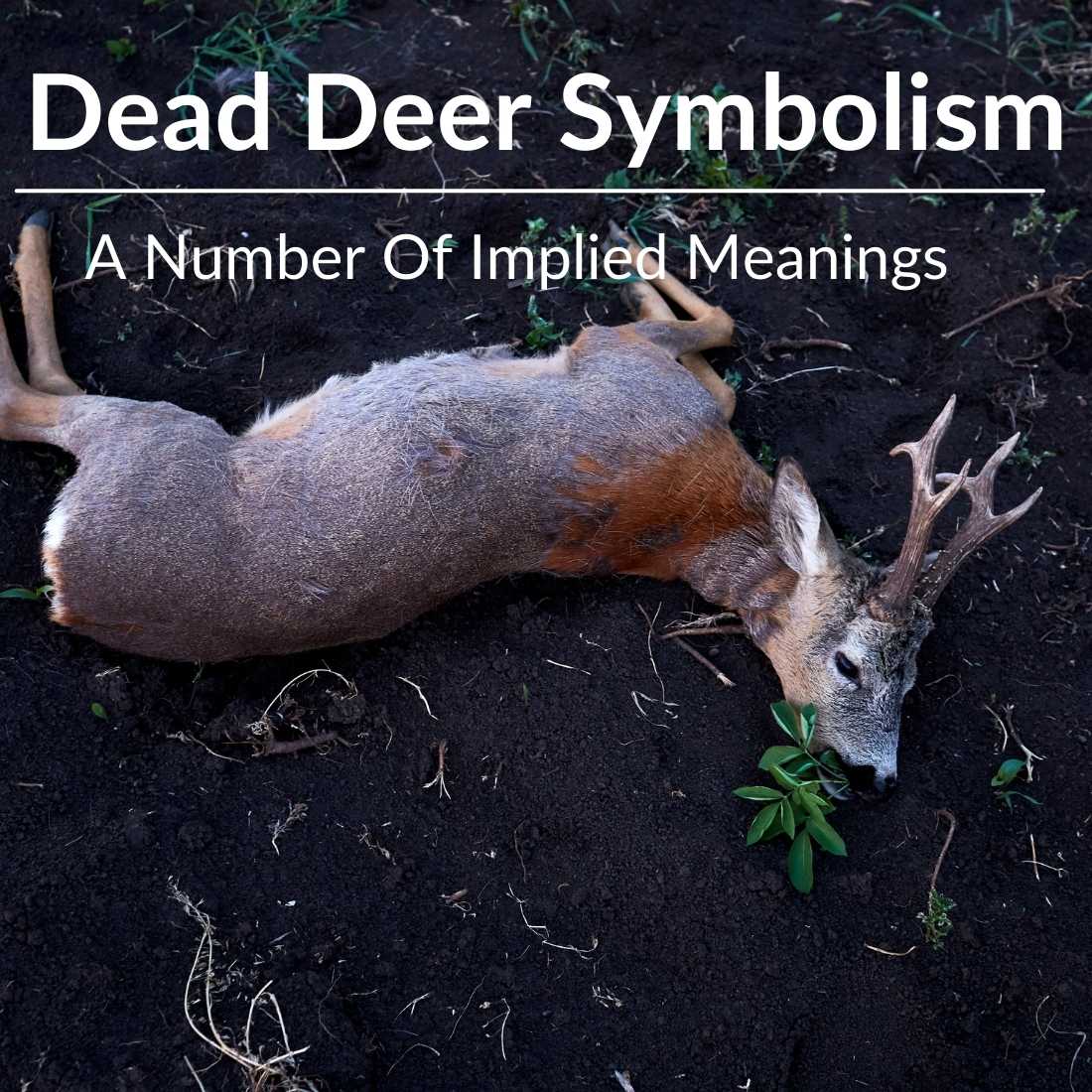
My grandmother Theresa’s leather notebook describes a white deer at the forest’s edge at dusk, a threshold animal marking the line between the known world and what comes after. When I researched dead deer symbolism, traditions confirmed this: a dead deer represents a threshold crossed, not a curse, but a crossing.
Key Takeaways
- A dead deer is read across traditions as a threshold signal, something ending or some relational order disrupted, not a blanket bad omen.
- Greek myth frames it as divine debt; Celtic hagiography reads it as a status threshold; Nara-period Shinto treats it as ritual pollution requiring acknowledgment; Ojibwe relational ethics ask what you owe the natural world, not what fate awaits you.
- Location matters. A dead deer near your home sits differently than one on a road or in deep woods.
- Most modern sites flatten these tradition-specific readings into generic “transformation” language. The actual sources are more demanding, and more honest.
- The consistent cross-cultural response is acknowledgment and reflection, not dread.
What Does a Dead Deer Symbolize?
A dead deer is not one symbol. It is several, depending on where you’re standing, geographically, culturally, and in your own life right now. I’ve read through the mythographic and ethnographic record, and the thread that runs through it is this: the deer’s death marks a threshold. Something is ending. Some relationship or order has been disrupted. That’s different from saying someone you love is about to die. It’s closer to saying: pay attention, because something is shifting.
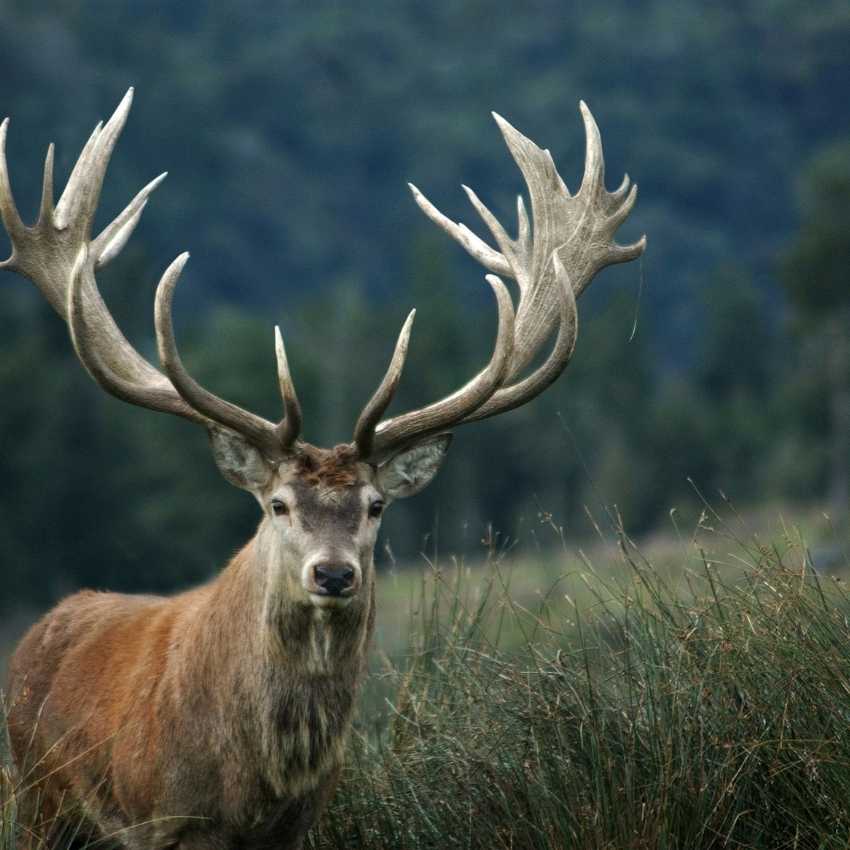
You noticed. Not everyone does. That matters.
What Do Different Traditions Say About the Death of a Deer?
Four traditions read this clearly, and none of them agree exactly. Which is the point.
Greek myth. In Euripides’ Iphigenia at Aulis (5th century BCE), Agamemnon kills a deer sacred to Artemis. The goddess becalms his fleet at Aulis and demands his daughter in exchange. The dead deer here isn’t a bad-luck token; it’s evidence of a debt. A sacred boundary was crossed, and the deer’s death made that visible. I read it less as an omen of disaster and more as a boundary marker: you’ve moved into territory that asks something of you.
Medieval Irish and Celtic tradition. According to Proinsias Mac Cana’s Celtic Mythology (1970), surveyed by Trees for Life’s account of deer folklore, deer in Irish literature function as Otherworld guides. A slain stag often marks a transition in status rather than simple misfortune. Saints like Eustace and Hubertus experience conversion precisely at the moment of the deer’s death. The killing, or the finding of a dead deer, ends ordinary life and begins something different. Not worse. Different.
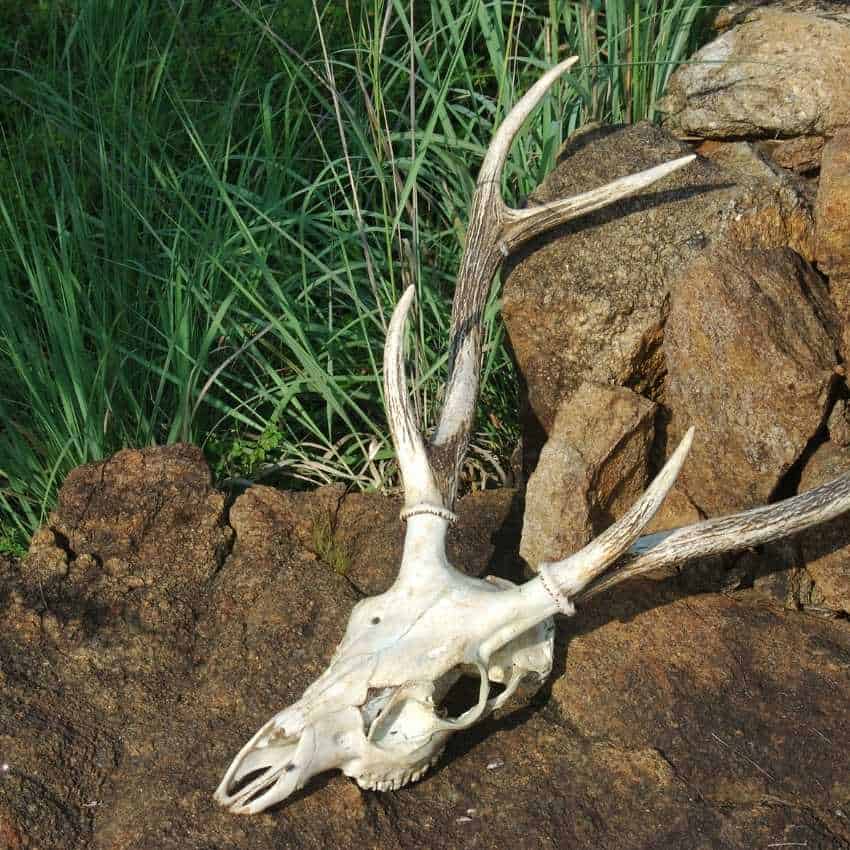
Nara-period Japanese Shinto. At Kasuga Taisha shrine in Nara, sika deer were messengers of the Kasuga deities. Killing one was treated as a capital offense under local law for centuries, according to the shrine’s own institutional records. A dead sacred deer signaled ritual pollution and the need for purification. The emphasis isn’t on personal fate. It’s on communal order: something in the relationship between humans and the sacred has been disturbed, and it requires acknowledgment.
Anishinaabe (Ojibwe) relational ethics. A. Irving Hallowell, in his 1960 essay “Ojibwa Ontology, Behavior and World View” (published in Culture in History, Columbia University Press), documents how the Ojibwe understood game animals as beings in a moral relationship with hunters. Deer give themselves to respectful hunters. A deer found dead on a road, where human carelessness caused the death, isn’t a mystical message about your personal life. It’s evidence of how well or poorly humans are maintaining their obligations to the natural world. The question isn’t “what does this mean for me?” It’s “what does this ask of me?”
What Does It Mean When You Find a Dead Deer Near Your Home?
The cross-cultural consensus, such as it is: a dead deer near your home signals a threshold disruption. Your home is a bounded space. When something dead appears at or near that boundary, in your yard, your driveway, the field you look out on in the morning, most traditions read it as a sign that the boundary itself is in question. Something is ending inside that space, or trying to.
I don’t say that to alarm you. Endings aren’t the same as losses, though they can feel identical in the moment. The Celtic hagiographic tradition Mac Cana documents treats the boundary-crossing deer as an invitation to change: unwanted at first, necessary in retrospect. The deer didn’t appear at the saints’ doors to punish them. It came to redirect them.
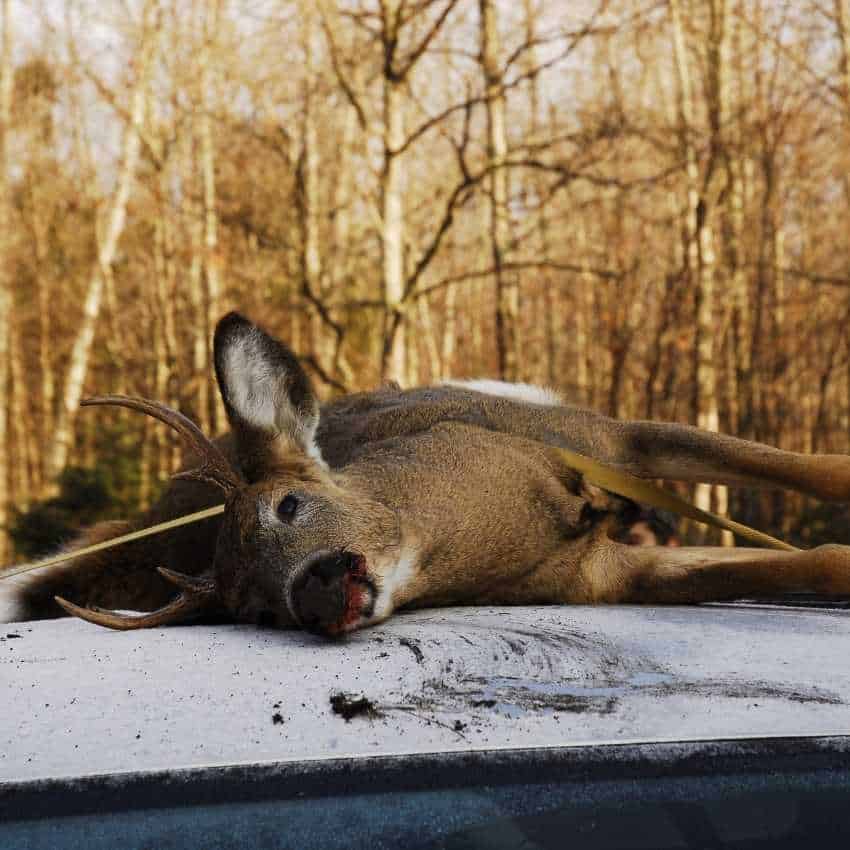
If you’re worried about a specific relationship, a period of your life that’s felt stuck, something you’ve been avoiding, and a dead deer appeared near your home, I wouldn’t dismiss that association. I’d sit with it. What threshold are you standing at right now?
What Does It Mean When You See a Dead Deer on the Road?
Road-killed deer are common in rural America. The Insurance Institute for Highway Safety estimates roughly 1.5 million deer-vehicle collisions in the United States each year, highest in Pennsylvania, Michigan, and Wisconsin. I grew up in Wisconsin. I know what these look like. I know the particular slump of a body in a ditch on a November morning.
And knowing the practical fact doesn’t cancel the other question. The Ojibwe relational framework Hallowell documents in his 1960 ethnography is useful here precisely because it asks something different than most spiritual traditions do. Not: what does this mean for your future? But: what does this say about human conduct? A deer dead on a highway is evidence of imbalance, human infrastructure imposed on animal habitat, speed imposed on a creature built for a different pace. The Ojibwe reading frames that encounter as a prompt. Are you moving through the world with enough care?
That’s not catastrophic. But it’s not nothing either.
How Have Modern Spiritual Sites Distorted Dead Deer Symbolism?
I want to say this plainly, because it matters to you if you’re trying to get an honest read on what you found. Most of what you’ll turn up searching “dead deer spiritual meaning” is a flattened version of what the actual traditions say. Greek myth’s story of divine debt gets reduced to “endings and transformation.” The Ojibwe relational ethic collapses into “you are being called to reflect on your path.” The Shinto tradition of ritual pollution softens into “a reminder to cleanse your space.”
None of those reductions are exactly wrong. But they strip out the specificity that makes the traditions worth knowing. General deer sighting guides tend to treat all deer encounters as interchangeable positive omens. A dead deer is not a living deer. The traditions themselves draw that distinction, and they draw it carefully.
I’m a German-American writer, not a Shinto priest or an Ojibwe elder. I hold those sources at a respectful distance and I say so. But I’ve read the scholarly literature carefully enough to tell you: the original sources are more specific, more demanding, and more honest than what most sites give you. The deer’s death asks something. What it asks depends on where you are and what is actually ending in your life.
What Is the Folkloric History Behind the Deer as a Sacred Animal?
The English word “deer” comes from Old English deor, which originally meant “wild animal” in general. Same root as German Tier and Dutch dier. It narrowed over centuries to mean the cervid family specifically. Latin cervus gave us biological terms like “cervid” and lives on in Italian cervo and French cerf. In Scottish Gaelic and Irish, fiadh and fia underlie epithets attached to the white stag across Celtic myth.
Oh, those names for the white stag: fiadh ban, the white wild one, the cerf blanc of Arthurian legend, the quarry that leads hunters somewhere they were never supposed to reach. The white stag doesn’t appear in Celtic and medieval literature as a good luck charm. It appears as a summons. You follow it and your life changes. According to Trees for Life’s survey of deer mythology and folklore, the white stag functions as a threshold animal across Welsh, Irish, and Scottish tradition: it marks the edge between the known world and the one that comes after it.
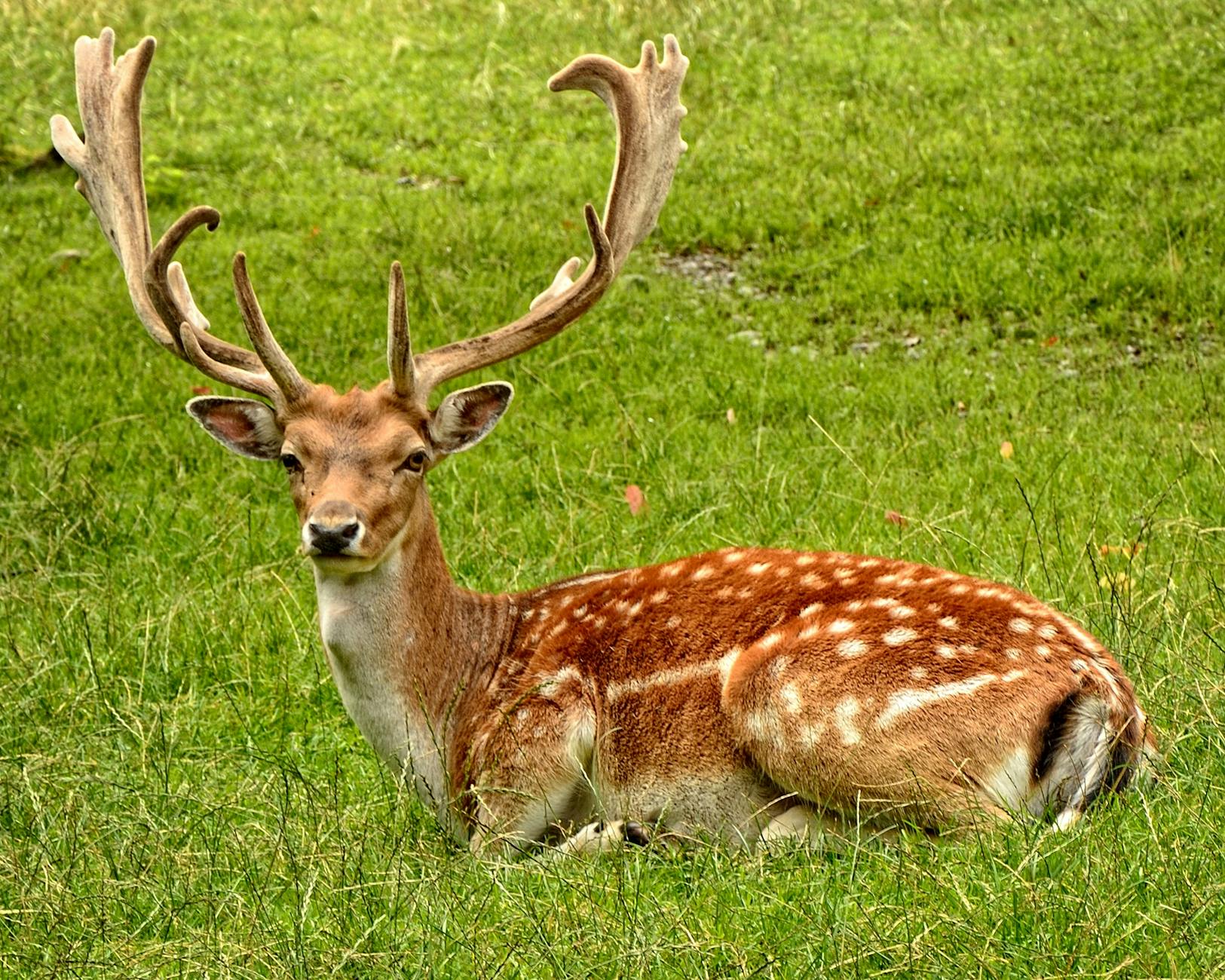
The threshold-animal motif isn’t retrofitted by modern spirituality. It’s in the language, in centuries of literature, in the way the deer kept appearing at the edge of the forest in stories trying to say something about crossings and the things you cannot refuse.
What Should You Do After Encountering a Dead Deer?
Take a breath. Nothing here requires you to be afraid.
Frequently Asked Questions
Is seeing a dead deer bad luck?
Not in any tradition I’ve been able to trace that actually names its sources. Greek myth, Celtic hagiography, Ojibwe relational ethics, and Japanese Shinto all read a dead deer as a threshold signal: something ending, some relational order disrupted, not generalized misfortune. The “bad luck” framing comes from modern sites collapsing tradition-specific meanings into a single verdict. The older readings are more specific. They ask what you owe, or what is changing, not whether disaster is coming.
What does a dead deer in a dream mean?
Harder to pin down. I’ll be honest: the folk record on this specific scenario is thin, and the academic record isn’t much thicker. Jungian analysts tend to read deer in dreams as symbols of the intuitive, non-rational self, graceful, vulnerable, easily startled. A dead deer in that framework might represent something you feel you’ve suppressed or lost. But that’s psychology, not prophecy. What matters more is how you felt in the dream. The emotion is the real data.
Does a dead deer symbolize the death of a loved one?
No tradition I’ve read makes this connection directly. The confusion probably comes from the broader category of “dead animal as death omen,” which does appear in some folk traditions, but usually in specific contexts: an owl calling outside a sick person’s window, not a deer found in a field. If you found a dead deer the same day you learned someone had died, the simultaneity is real and I wouldn’t dismiss it. But the deer itself is not a predictor of human death in the actual mythic record.
What does a dead fawn symbolize specifically?
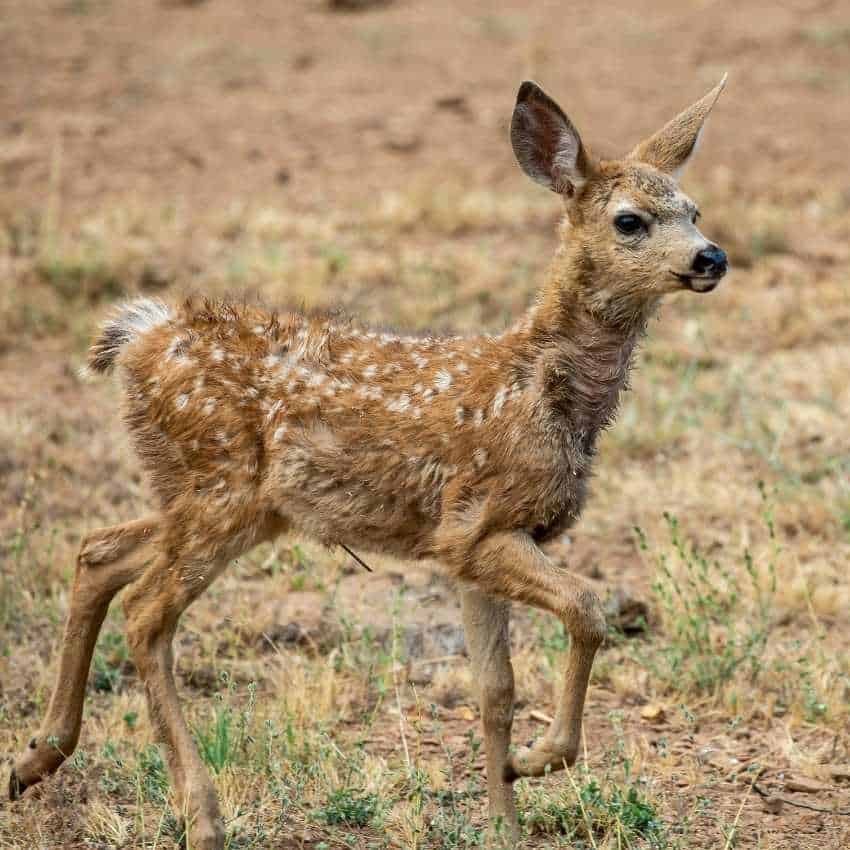
A dead fawn carries an additional layer: the interruption of something just beginning. In Celtic tradition, according to Mac Cana’s Celtic Mythology (Hamlyn, 1970), the youth and vulnerability of a deer shaped its symbolic weight. A fawn’s death would be read as a threshold crossed too early, a plan, a relationship, or a period of innocence that didn’t survive its first season. That’s a harder reading than an adult deer. But “harder” is not the same as catastrophic. Some things end early. The grief is real. The curse is not.
What does it mean if a deer dies in front of you rather than being found already dead?
Witnessing the death changes things. In Greek myth, it’s the act of being present, of being implicated, that creates the debt to Artemis. You weren’t a passive finder. You were a witness. Most traditions would say that witnessing asks more of you than finding. More reflection. More acknowledgment. In the Ojibwe framework Hallowell describes, being present at an animal’s death creates a relational obligation: you say something, you recognize the life, you don’t walk away as though nothing happened.
Is there a difference between a dead doe and a dead stag?
In traditions that distinguish them, yes. The stag, especially the white stag of Celtic myth, carries the threshold-and-summons symbolism most strongly. It’s the stag that leads hunters into the Otherworld, the stag that Agamemnon kills, the stag whose antlers appear in Kasuga shrine iconography. The doe is less often the focus of the mythic record I’ve been able to check, though she appears in Artemis’ retinue. I don’t have a confident answer on the doe specifically. The scholarly literature focuses overwhelmingly on the stag.
What should I do spiritually after seeing a dead deer on the road?
Something small. You don’t need a ritual kit. The Ojibwe relational ethic Hallowell documents suggests acknowledgment: stop, mentally or physically, and recognize that a living thing died. You can say something, a word of thanks, a recognition that the deer existed and the road took it. Then ask yourself concretely what the encounter is asking of you. Where are you being careless? What are you moving through too fast? That question, taken seriously, is the whole of the practice.
Sources
- Trees for Life, “Deer mythology and folklore” (retrieved 2024)
- Wikipedia, “Deer in mythology”, cross-tradition overview and sourcing leads
- Marisa Goudy, “Mythology, Violence & the Killing of a Sacred Deer”, on Euripides’ Iphigenia at Aulis and the Artemis tradition
- California Psychics, “Meaning of a Deer Sighting”, general sighting symbolism for comparison
- Spells8, “Deer Skull Meaning: Spiritual Symbolism of the Stag”, on dead deer and stag symbolism in pagan practice
- University of Western Saskatchewan Students’ Association, “The Timeless Symbolism of Deer: Myth, Nature and Harmony” (December 2024)
- Proinsias Mac Cana, Celtic Mythology (Hamlyn, 1970), on deer as Otherworld messengers in Irish and Welsh tradition
- A. Irving Hallowell, “Ojibwa Ontology, Behavior and World View,” in Culture in History, ed. Stanley Diamond (Columbia University Press, 1960), on Anishinaabe relational ethics toward game animals
- Euripides, Iphigenia at Aulis (5th century BCE), on Agamemnon’s killing of Artemis’ sacred deer and its consequences

I arrived at my place of business and found a dead deer on the premises. I can also see it through my window at the shop…. I hope this doesn’t mean what I think it does and I hope the vultures clean it up quick.
Thank you for sharing your experience with us. I can only imagine how shocking and unsettling it must have been to find a dead deer on your business premises.
As for the vultures cleaning it up, I hope that it happens quickly for your sake, but also for the sake of the animal’s remains. The cycle of life and death continues, and the decomposing deer will provide sustenance and nourishment for other creatures.
I’m visiting my dad, introducing him to his grandson. This is the house I grew up in, and my baby and I are staying in what always was the guest room. A year ago, I was visiting and staying in this room as my mom lay in intensive care at the hospital. I’m here again, and it’s happier. My dad is fit, his daily routine starts with a lot of exercise, and he looks decades younger than he is. He gets out of the house for morning walks and calisthenics, a routine he developed taking care of my mom — to stay fit to take care of her, he’d say. But other than the walks and food shopping, his life now is a lot of solitude. The home itself is falling apart. He bought it in the 70s, and it hasn’t changed much since the following decade, apart from dust collection and dilapidation. It’s bittersweet visiting. I’ve lived abroad before, as well as in relatively nearby cities. But I’m moving again out of the US, to my wife’s home country. I just got a job there, signed the offer a few weeks ago. Late last night, as I was in the guest bed and my baby slept in the crib next to me, I heard a thudding sound, from the road, followed closely after by a man cussing. I heard other cars slow down, presumably to drive around. I told my dad this morning. Still fairly early in the morning, we left to walk with the kid in the park. As is very common in this suburb and this park, we saw several deer. It then dawned on my dad that, on his daily walk hours earlier, he stumbled across a dead deer just on the curb by his house. I said it must have been the accident I’d heard last night. I felt sad for the deer, and also really guilty that I hadn’t gone to check. It could have been a pedestrian. The thudding sound made more sense. In the moment, I figured it wasn’t another car, or a mailbox or tree. But a body, yes, and I should’ve gotten out of bed to check.
On our way back from the park, as I rounded the corner to our driveway, I saw the deer. It was on the corner of our front lawn; my dad said it had to have been dragged there, because it was on the curb when he saw it. I called the police, which is the first call to make in this town when trying to reach animal control. The deer was already reported, and a company should pick it up in two days, on Monday.
Thanks for this writeup. There’s a lot to think about.
Hi, thank you for this. So much moving at once: the year that turned happier, your dad’s quiet new life, your own family about to cross an ocean. And the deer arriving right at the edge of the home you grew up in.
Don’t carry the guilt. You heard it, you recognized it, you made the call. You witnessed the life instead of driving past, and that’s the whole heart of it.
Safe travels with your little one. Endings and beginnings always seem to show up together, and you’re holding both beautifully.