

In ancient Greece, farmers watched snails to time their grain harvest, reading the creature’s pace like a calendar. That single job reveals the snail was never merely symbolic, it was a practical tool. Whether a snail crossing your path meant harvest time, healing magic, or a divine message depended on which tradition you followed.
I’ve spent enough time reading primary sources on animal symbolism to know when a clean summary is hiding something. The snail is a good case. What follows is what the documented record actually says, tradition by tradition, before we get to the modern spirit-animal framing that most people are really asking about.
Key Takeaways
- Snail symbolism is not universal. Greek tradition reads the snail as a harvest-season signal. Irish tradition uses it for wart-cure transfer magic and Samhain marriage divination. Aztec and Nahua tradition ties the shell to the lunar deity Tecuciztécatl in a specific creation myth.
- The shell’s associations with shelter, withdrawal, and cyclical return are grounded in real snail behavior, including epiphragm formation and seasonal dormancy, but they don’t add up to a single ancient spiritual doctrine.
- The snail as spirit animal or totem is a modern interpretive framework, not a documented ancient tradition. It emphasizes deliberate pacing and self-containment.
- Common claims that snails universally represent patience, protection, abundance, and rebirth aren’t supported by the historical record. Christian moral writing sometimes associated the snail with sloth, not perseverance.
- Meaningful interpretation of a snail encounter depends on cultural context and behavioral detail. One reading does not fit all situations.
What Is the Spiritual Meaning of a Snail?
The snail doesn’t carry one spiritual meaning. It carries several, and they vary sharply depending on which tradition you’re asking.
Greek rural poetry uses it as a seasonal clock. Irish folklore uses it as a healing tool and a marriage oracle. Aztec and Nahua religion centers the shell in a lunar creation narrative. Later European moral writing sometimes reads the snail’s slowness as laziness given a body. None of these traditions is wrong. They’re just different, and they’re describing different things.

The Greek farmer watching a snail climb his grapevine was reading weather. The Irish woman rubbing a snail across a wart was practicing transfer magic. The Nahua priest invoking Tecuciztécatl was addressing a moon god. The meanings are culturally situated, not interchangeable.
What they share: the snail’s behavior, its slowness, its shell, its disappearance into dormancy and return, gave people something to work with. The symbolism is not arbitrary. It maps onto what the animal actually does.
What Do Snails Symbolize Across World Cultures?
Across traditions, the common thread is that the snail’s meaning is always rooted in one observable feature: its shell, its pace, or its pattern of withdrawal and return. The meanings cultures assign to those features diverge sharply from there.
In ancient Greek rural life, the snail was a timekeeper tied to the agricultural year. In Irish folk practice, it was a carrier, something that could take illness away or trace a future. In Aztec and Nahua religion, the shell was divine costume, the regalia of a moon deity. In medieval Christian moral writing, the snail’s slowness became a warning about sloth. In modern heraldic tradition, that same slowness was reread as deliberateness and steady purpose.

What’s striking is how consistently the same physical facts, the shell, the slow crawl, the dormancy, produced such different interpretive results depending on what the culture needed the animal to mean. That gap is worth holding onto when you read any single-sentence summary of what snails “symbolize.”
What Does Ancient Greek Tradition Say About Snail Symbolism?
In Hesiod’s Works and Days (c. 700 BCE), the snail is not a patience symbol. It’s a harvest signal. Hesiod describes the “house-carrier” climbing plants as the Pleiades rise; this tells the farmer that vineyard digging should stop and harvesting should begin. The snail is a living calendar, tied to seasonal observation in a culture where getting the timing wrong could mean losing a crop.
This is narrow and specific. Hesiod is not making a claim about snail spirit. He’s noting that when the snail climbs, the season has turned.

Sites that attribute universal patience or fertility symbolism to ancient Greek tradition are importing a meaning the text doesn’t support. Hesiod’s snail is not a metaphor for your inner life. It’s a weather sign embedded in a farming poem written roughly 2,700 years ago. That is interesting enough on its own terms.
What Role Does the Snail Shell Play in Aztec and Nahua Religion?
The Nahua lunar deity Tecuciztécatl wears a large conch or snail shell as part of his divine costume. His name comes from the Nahuatl word tecciztli, meaning a large shell. According to Bernardino de Sahagún’s Florentine Codex (English edition, 1950), Tecuciztécatl competed with the lesser deity Nanahuatzin in the sacrificial act that produced the sun and the moon. Tecuciztécatl flinched repeatedly before throwing himself into the fire; Nanahuatzin went first. The moon became dimmer than the sun because of it.
Miguel León-Portilla’s Aztec Thought and Culture (1963) places this narrative inside a broader Nahua cosmology in which the moon and sun are not simply sky objects but the results of specific divine choices. The shell is part of Tecuciztécatl’s identity as a lunar being, not a generalized symbol of snail-energy or spiritual growth.

Mary Miller and Karl Taube’s An Illustrated Dictionary of the Gods and Symbols of Ancient Mexico and the Maya (1993) confirms that the shell functions as divine regalia in this specific mythic context. If you see the snail shell in pre-Columbian art, you’re usually looking at a lunar reference. Not a broad invitation to slow down and appreciate life. The distinction matters.
What Does Celtic and Irish Folk Tradition Say About Snails?
Irish folk tradition gives the snail two documented roles, and neither is what you’d expect.
The first is wart removal. The National Folklore Collection records 119 separate wart-cure practices involving snails. The most common method: rub a black snail across the wart, then impale the snail on a thorn. As the snail dies and dries, the wart is supposed to disappear with it. The logic is transfer magic, moving the ailment from the body to the animal. The snail is not being honored here. It’s being used as a vehicle for illness.

The second role is Samhain divination. According to Kevin Danaher’s The Year in Ireland (1972), young people on Halloween night would place a snail on a flour-dusted surface and read the trail it left behind for signs about a future spouse. The snail’s path was a kind of writing, a script for what might come.
In both practices, the snail functions as an intermediary or a tracer. It carries something away or leaves a mark that can be read. “Messenger” is a defensible modern shorthand only when tied to this specific Irish evidence, not as a free-floating spiritual label.
What Does the Snail Shell Symbolize on Its Own?
The shell does more symbolic work than the snail itself in most traditions. Four associations come up across the cultures covered here, and each has a different basis.
Portable shelter. Old English called the snail gehusod snegel, literally “housed snail.” The animal carries its home. That image of self-sufficiency, of having everything you need already with you, is one of the oldest snail-related ideas in the Germanic-language tradition.
Lunar regalia. In Nahua tradition, the shell is divine costume for a moon deity. The shell’s curved shape and the moon’s arc share something in how pre-Columbian artists depicted both.

Withdrawal and return. When a snail retreats into its shell during drought or cold, it seals the opening with a dried mucus membrane called an epiphragm. The animal disappears, then reappears. This behavior is real and documented, and it gives the shell an association with dormancy-and-return that multiple cultures have picked up independently. Whether that constitutes “rebirth symbolism” in any ancient tradition is another question. I’d say the evidence is thinner than most sources suggest.
The spiral form. The spiral is visually striking, and modern writers make a lot of it. But the traditions cited here don’t establish a shared snail-spiral theology. The spiral is there. What people do with it varies widely depending on what else is in the cultural frame.
What Is the Snail as a Spirit Animal or Totem?
The snail as spirit animal or totem is a modern interpretive framework. It doesn’t descend from a documented ancient practice in any single culture. That doesn’t make it useless; it makes it personal rather than historical.
People who identify with the snail totem tend to describe qualities like these: deliberate pacing, comfort with solitude, attentiveness to the immediate environment, a willingness to move at one’s own speed regardless of outside pressure, a clear sense of what one carries and what one leaves behind. These qualities map onto real snail behavior, specifically the animal’s limited range and its shell-carrying.

If this creature has caught your attention recently, here is what people have made of that: the snail as a personal symbol tends to show up when someone is being asked to move faster than feels right, or when self-containment has become something to examine rather than be ashamed of. Whether that reading is spiritual or psychological depends on your own frame. I find the psychological reading more defensible, but I don’t think the two are necessarily in conflict.
The snail spirit animal and the snail totem are sometimes used as if they’re the same thing. The difference, in the frameworks where it matters, is that a spirit animal is typically something that appears at a particular moment, while a totem is a longer-term animal guide associated with a lineage or a personal calling. Both are modern Western applications of concepts that originate in specific indigenous traditions and have been generalized into a much broader popular usage. I note this not to dismiss the framework but because context matters.
What Does It Mean to Dream About Snails?
Dream interpretation is not my strongest ground, and I’ll say that plainly. The cross-cultural dream record for snails is thin, and most of what circulates is the same few symbolic associations recycled without a named source.
What I can offer is a way of reading the most common dream scenarios against the behavioral and symbolic evidence above.
A snail moving very slowly across your path in a dream. If the slowness felt frustrating, the dream may be processing impatience about real progress in your waking life. If it felt peaceful, you may be working something out about your own pace. The emotional register of the dream matters more than the image alone.

A snail withdrawing into its shell. Withdrawal, self-protection, the decision to close off from something. This maps onto what the shell actually does biologically. Worth asking what you were retreating from in the dream, or who else was present.
A trail left behind on a surface. The Irish divination use is relevant here. A trail is a record of where something has been. In a dream, it may point toward questions about what you are leaving in your wake, or what signs you are following.
A snail in water. I don’t have a confident answer here. The folk record is thin on aquatic snail dream imagery, and I’d be inventing rather than reporting if I gave you a definitive reading.
What Does Snail Biology Reveal About Its Symbolic Meaning?
Some of the symbolism attached to snails is grounded in what they actually do. Some of it isn’t. Worth knowing the difference.
According to the Carnegie Museum of Natural History’s 2023 land-snail life-history account, the Pennsylvania flamed disk snail can form an epiphragm in as little as five minutes. That speed is surprising. The snail’s withdrawal is not a slow retreat; it can happen very quickly when conditions change. The dormancy itself can last weeks or months.
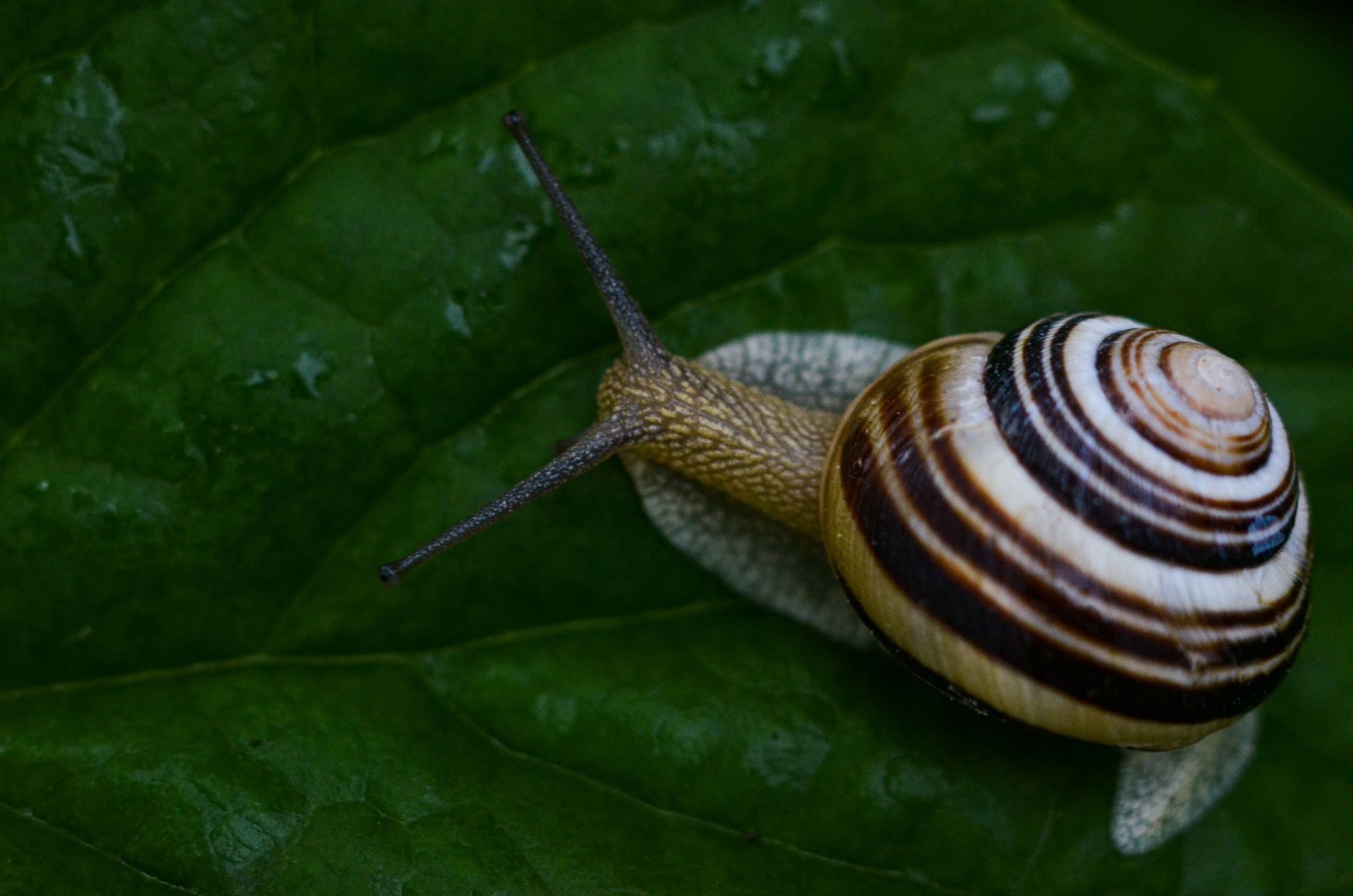
The same Carnegie Museum account records that some snail species, such as the broad-banded forestsnail, mature in about one year and may live up to four years. Growth rings on the shell reflect interruptions during winter dormancy, making the shell a physical record of the animal’s life history. That is where the idea of the shell as a “record of time” has its best factual basis.
Land snails also don’t travel far. They tend to stay within a limited range and can indicate the health of a specific local environment. This is relevant to folk practices that treat the individual snail found at a particular place as locally significant, and it cautions against readings that cast a snail encounter as a sign of dramatic transformation or a long journey ahead. Biologically, the snail is a creature of the immediate and the local, not the sweeping or the distant.
What Are the Most Common Misconceptions About Snail Symbolism?
Three misconceptions show up repeatedly, and each one flattens something that is actually more specific and more interesting.
Misconception 1: Snails universally symbolize patience, protection, abundance, and spiritual progress. This four-part package is presented as if it were cross-cultural consensus. It isn’t. Hesiod uses the snail as a harvest signal. Irish records give it two distinct ritual roles. Nahua tradition centers the shell in a lunar deity’s regalia. Christian moral writing sometimes linked the snail’s slowness to sloth. None of these traditions agreed on one message.
Misconception 2: The snail is an ancient universal symbol of rebirth because it withdraws and returns. The withdrawal-and-return behavior is real. But the universal spiritual conclusion isn’t documented. The Irish wart cure imagines the snail dying along with the ailment it absorbs, which is the opposite of rebirth symbolism. The Aztec shell is a deity’s costume, not a resurrection symbol. The behavior supports culturally situated readings, not a worldwide doctrine.
Misconception 3: Every snail shell spiral represents cosmic cycles in an established ancient belief. Spiral imagery is visually striking and invites interpretation. But the traditions covered here don’t establish a shared snail-spiral theology. Interpret a spiral through a named tradition, with a named source, or acknowledge that you are making a personal reading rather than a historical one.
What Does Snail Symbolism Mean in Heraldry and Tattoo Traditions?
In European heraldry, the snail is a recognized charge, a figure placed on a coat of arms, and its conventional meaning in the armorial tradition is deliberateness and measured persistence. The animal that carries its home and moves at its own pace became, in the heraldic reading, an emblem of someone who cannot be rushed into a bad decision. That’s a long way from Hesiod’s harvest clock, but it follows the same logic: the snail’s pace is the defining feature, and different eras read that pace differently.
In tattoo culture, snail imagery most often signals self-protection, intentional slowness, and comfort with one’s own company. The shell as portable home translates well to the tattoo context, where people often choose images that express something about how they move through the world. These are personal meanings, not inherited ones, and they are none the worse for that.
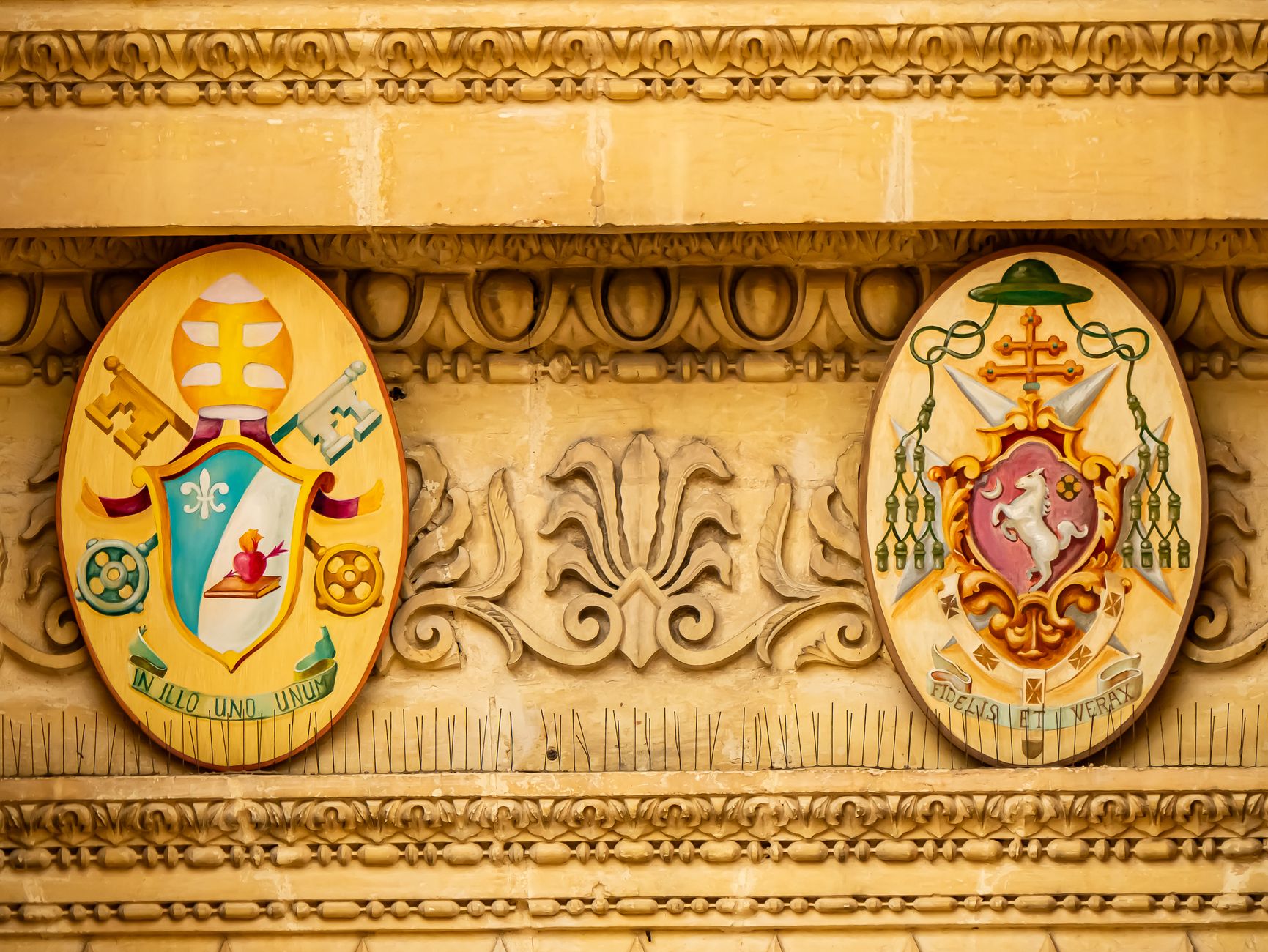
The honest distinction: heraldic snail meanings are historically documented in armorial tradition and can be verified by reference to specific coats of arms. Tattoo meanings are personal and contemporary, assembled from available symbolic vocabulary. Both are legitimate. They’re doing different things.
What Does It Mean When You Keep Seeing Snails?
Context shapes this more than a single symbolic answer can. A few questions worth holding alongside the experience.
What season is it? Snails appear after rain, in spring and fall in most temperate climates, and in summer evenings when conditions are damp. If you’re seeing snails regularly, there may be a straightforward environmental reason: recent rainfall, a garden with good moisture, a path near a water source. This doesn’t cancel a symbolic reading, but it belongs in the frame.
Where are you seeing them? In your garden, on your path, in your house? The Irish folk record treats the specific location of a snail as meaningful. A snail inside the house was sometimes read as a sign of something coming in that needed attention, though the folk record is not consistent on what kind of attention was warranted.
What is happening in your life right now? This is the question that most symbolic interpretation is actually asking. The snail, with its associations of deliberate pace, self-containment, and local attentiveness, tends to resonate with people navigating something that asks them to slow down or trust their own timing. Whether that resonance is a message or a mirror is a question I’ll leave to you. But I’ve noticed it tells the truth either way.
How Has Snail Symbolism Changed Over Time?
The oldest documented snail symbolism, Hesiod’s agricultural use, is narrow and practical. The snail tells you when to stop digging and start harvesting. The Irish folk practices recorded in the nineteenth and early twentieth centuries are more ritual in character, but they are still specific: this snail, this wart, this night. The Nahua tradition is theological, tied to a named deity in a named creation story.
Somewhere between those documented practices and the present, snail symbolism got generalized.
The Old English term gehusod snegel, meaning “housed snail,” emphasized the shell as shelter. A concrete image. The Proto-Germanic root connected to crawling. A concrete behavior. The early framings were grounded in what the animal visibly does.
The modern spiritual-meaning industry turned those concrete images into a portable doctrine: patience, protection, abundance, rebirth, cosmic spirals. The process is understandable. People want meaning that applies to their lives, not meaning tied to a harvest calendar in ancient Boeotia. But something is lost in the flattening. My grandmother Theresa’s notebook, her record of Bavarian animal lore going back another generation before her, is full of specific practices tied to specific animals in specific seasons. Not general principles. Specific things to watch for, and specific things to do. The snail’s symbolic life was richer when it was more particular.
Frequently Asked Questions
Is seeing a snail good luck or bad luck?
Neither category fits cleanly. In Irish folk tradition documented by Kevin Danaher in The Year in Ireland (1972), a snail encountered at Samhain could be an oracle for marriage, which is broadly positive. In some European folk belief, a snail crossing your path was simply a weather sign, not a moral judgment. Christian moral writing sometimes read the snail’s slowness as a caution against sloth. “Good luck” and “bad luck” are the wrong frame. The snail’s meaning depends on which tradition you’re in and what question you’re asking.
What does a snail in your house mean spiritually?
A snail inside a house appears in Irish folk records as something unusual and therefore worth noticing. The National Folklore Collection documents the snail as a transfer agent for ailments and as a divination tool, though these practices aren’t specifically tied to indoor encounters. In a modern interpretive framework, a snail in the house is sometimes read as a prompt toward inner attention, the animal’s shell as portable home echoing the house as a place of self. I find that reasonable as a personal reflection, less so as a universal doctrine.
What is the spiritual meaning of a snail crossing your path?
In Hesiod’s agricultural tradition, a snail’s movement was a seasonal signal rather than a personal message. In contemporary spirit-animal frameworks, a snail crossing your path tends to be read as a prompt to slow down or trust your own timing. That maps onto real snail behavior; the animal moves at its own pace regardless of what is happening around it. Whether that constitutes a message or a useful mirror is a question each person answers differently. I think it’s most honest to call it the latter.
What does a snail symbolize in love and relationships?
The closest historical connection between snails and love comes from Irish Samhain divination practice. According to Kevin Danaher’s The Year in Ireland (1972), a snail placed on a floured surface on Halloween night would leave a trail that young people read for signs about a future spouse. The snail was literally tracing a possible romantic future. In modern symbolic interpretation, the snail’s associations with self-containment and deliberate pacing sometimes get applied to relationships: take your time, don’t rush, carry only what you need. Personal reading, not a documented ancient one.
What is the difference between a snail spirit animal and a snail totem?
In the frameworks where this distinction is used, a spirit animal typically appears in response to a specific moment or question, offering guidance tied to that situation. A totem animal is more enduring, associated with a person’s lineage, calling, or long-term character. Both terms originate in specific indigenous traditions and have been adapted into much broader popular usage. If you’re using these terms in a personal meaning-making context rather than claiming a specific cultural heritage, the practical difference is about duration: a spirit animal encounter is a moment; a totem is something you carry across time.
What does a snail leaving a trail symbolize?
The trail is evidence. It shows where the snail has been, how it moved, what it touched. In Irish divination practice, that trail was a text to be read for signs about the future. In a more general symbolic sense, the trail raises the question of what you leave behind you. Not in a heavy moral sense, but in a practical one: what is the record of how you have moved through your life so far? The snail cannot help leaving a trail. Neither, really, can you.
Are there negative spiritual meanings associated with snails?
Yes. Medieval Christian moral writing sometimes linked the snail’s slowness with sloth, one of the seven deadly sins. The English language itself uses “snail’s pace” as a mild insult. The Irish wart-cure practice imagines the snail dying alongside the illness it absorbs, which frames the animal as a sacrifice rather than a guide. So the snail carries some negative associations in the historical record. These are not dominant, and they don’t override the more common modern readings, but they are part of the full picture and worth knowing.
What does a dead snail symbolize?
The folk record on dead snails is specifically tied to the Irish wart cure, where the snail’s death was the intended outcome and its dying was thought to carry the illness away. Outside that practice, I haven’t found strong traditional documentation for what a dead snail specifically means. In a general symbolic sense, the empty shell, a house without its inhabitant, invites reflection on what remains after something has ended. But I’d rather admit the record is thin here than fill the gap with invented meaning.
What does snail symbolism mean in the context of personal growth?
The modern application that holds up best against the historical record is this: the snail is a creature of deliberate pace, limited range, and genuine self-sufficiency. It doesn’t move faster because you want it to. It carries everything it needs. It leaves a trace wherever it goes. If those qualities speak to something in your own life, the snail is a reasonable symbol to work with. The Carnegie Museum of Natural History notes that land snails rarely travel far and can reflect the health of their immediate environment. There is something in that worth sitting with if personal growth is your question.
How do I know if the snail I encountered carries a message for me?
I don’t think there’s a reliable external test for this. What I’d suggest instead: notice what the encounter made you think about before you went looking for an interpretation. The first association, before you read anything, is often the one that actually belongs to you. The symbolism is a vocabulary, not a verdict. If the snail’s qualities, its pace, its shell, its trail, connect to something you’re already working through, that connection is real regardless of whether it was “sent.” The mirror tells the truth even when no one put it there on purpose.
Sources
- Hesiod, Works and Days, c. 700 BCE, snail as harvest-season marker tied to the Pleiades
- Bernardino de Sahagún, Florentine Codex: General History of the Things of New Spain, English edition, 1950, Tecuciztécatl and the shell in Nahua creation narrative
- Wikipedia, “Snail”, general overview of snail biology and cultural history
- Wikipedia, “Land snail”, natural history and ecology reference
- Carnegie Museum of Natural History, “Land Snails Ecology, Life History,” 2023, epiphragm formation, lifespan, growth rings, limited home range
- RTÉ Brainstorm, “Warts Cures in Ireland: Snails, Bacon and Prayer,” 2020, documentation of Irish snail wart-cure practices
- RTÉ Brainstorm, “A Guide to Irish Halloween Magic Spells,” 2019, Samhain snail divination practices
- Online Etymology Dictionary, “snail”, Old English and Proto-Germanic linguistic roots
- Duchas.ie / National Folklore Collection, “Snails, Water, Stone” (PDF), archival Irish folklore
- Loregraph, “Snail”, cross-cultural lore summary

Dearest Richard, what an amazing insight and wisdom on the Snails. Such a wonderful read! I sincerely didn’t want your thoughts on the Snails to end. Absolutely loved it!
I’m very interested in hearing more about your thoughts on other topics. Please send through email any new posts. You must be a very kind soul…
Many blessings,
Lynn
Hey Lynn,
Thanks a ton for your kind words! So glad you enjoyed the snail piece. You can subscribe to new posts here. Your comment made my day. Stay tuned for more!
Cheers,
Richard