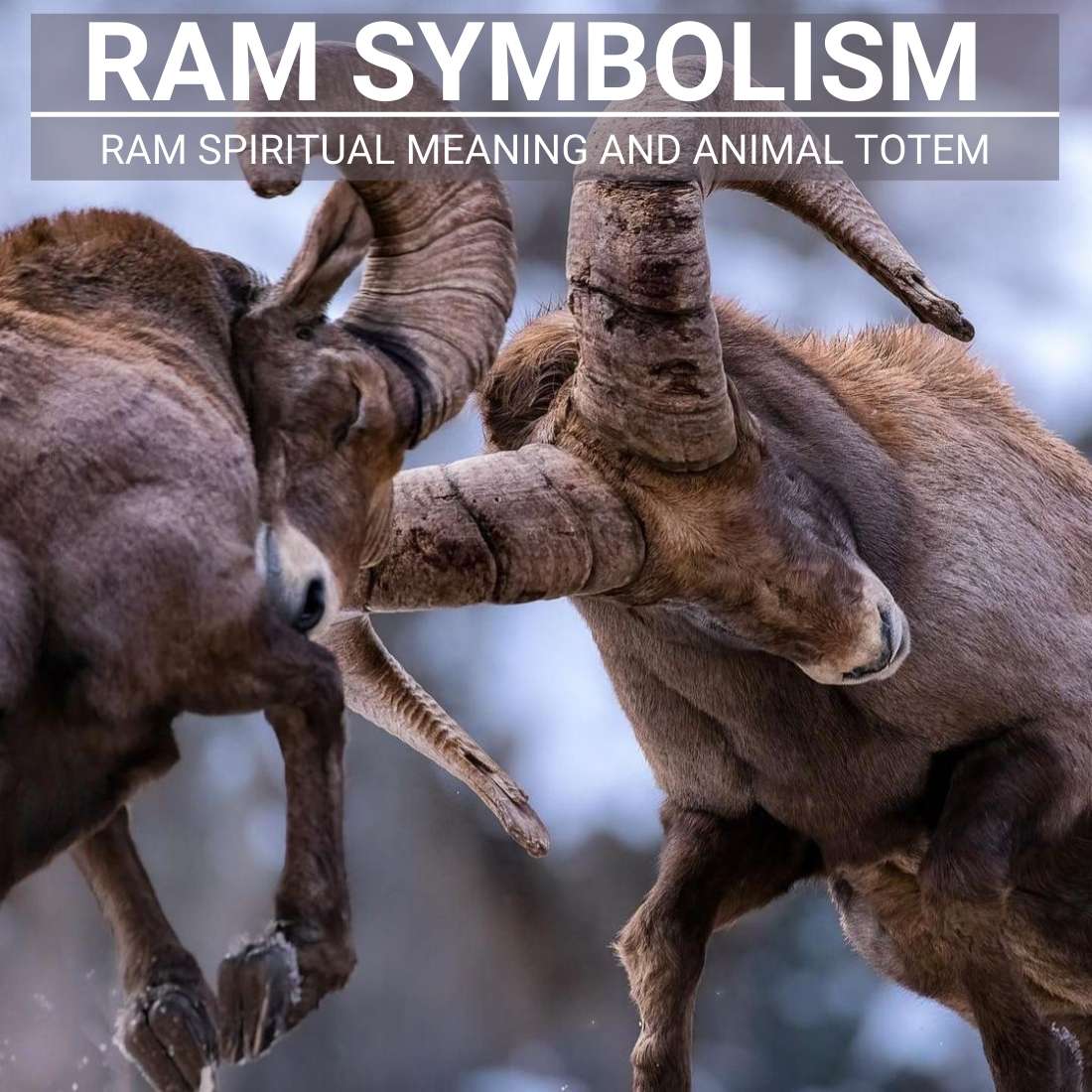
Ever wondered why the image of a ram appears so frequently in ancient tales and modern logos? Ram symbolism, deeply rooted in cultures worldwide, carries a rich tapestry of meanings, from strength to leadership.
While it’s a symbol of power and determination, there’s so much more beneath the surface. Dive in to uncover the multifaceted significance of the ram and discover why its symbolism still resonates today.
In order to be an immaculate member of a flock of sheep, one must above all be a sheep oneself.
– Albert Einstein, Theoretical physicist
Key Takeaways
- Ram’s universal symbolism of strength, determination, and leadership.
- Deep-rooted cultural significance from Egypt to Native American lore.
- Ram’s appearance in dreams as a guide through life’s challenges.
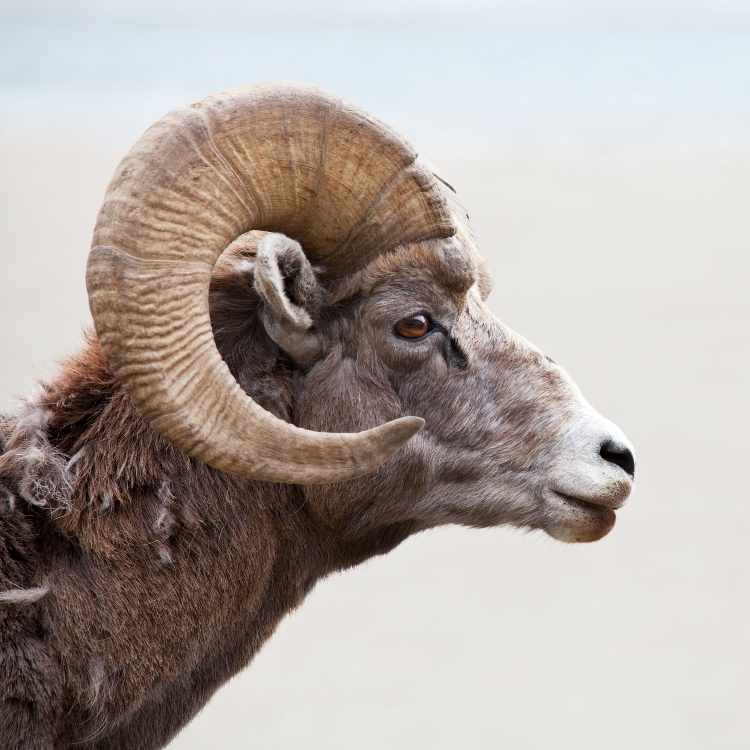
What does a ram symbolize?
Highly revered as one of those rare creatures that even the most terrifying of beasts would not deal with, rams are easily seen by many as a symbol of grit, determination, and fearlessness. Capable of fighting off a host of big game predators, it inspires us to stand firm and tall in the face of life’s most challenging situations.
An animal that can’t be counted as a prey nor a predator, here are a few of the messages that the ram symbolism offers.
An enhanced presence of mind
Naturally watchful and observant, rams, much like most animals, strive hard to keep themselves aware of their environment. While these generally feisty creatures would not back down from a fight, their presence teaches us why thinking about the consequences of our actions is important for it may unwittingly affect others.
It also reminds us that while our strength may be enough to ward off potential threats, using our intuition and the ability to recognize risks make us a more difficult target to hit.
Readiness to defend
Observed to chase away predators by putting down their heads or angrily stomping their feet, the ram runs into our presence to bring a message of security, protection, and guidance. By giving us the capacity to discern and predict the motives and actions of the people around us, our strength and wisdom are often overbearing enough to keep the people most dear to use safe and free from harm.
Beauty and brawn
Gifted with an impressive horn that adds to their dominant appearance and captivating grace, rams are amazing animals that time and again prove how they are more than just a pretty face. While they often use these features to land a date with a potential mate, their defensive benefits include deterring a hungry threat or pushing a similarly courageous and stubborn adversary away.
They would often strut into our presence to remind us that while beauty is, at times, associated with things graceful and delicate, we can use it as our source of great strength.
Taking charge
Perhaps rightfully acquiring its name from the way it charges into its enemies, the ram’s image reminds us of our capacity to lead and be more assertive. While it is strong enough to fight off the most frightening of predators, this naturally feisty animal does not walk around claiming dominance over others but, instead, gently takes only what they need and deserve.
Animal totem
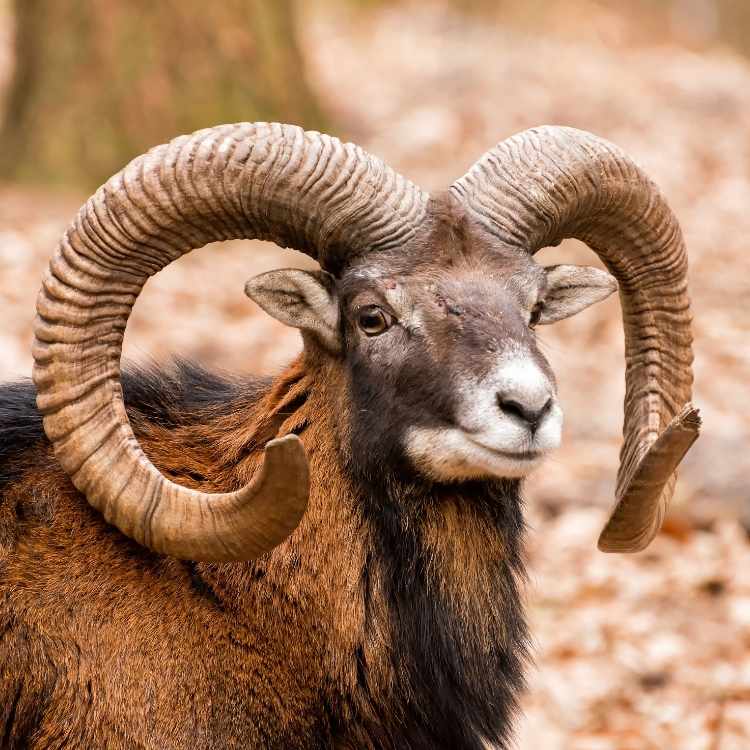
The ram, with its majestic horns, has long been a symbol of power and determination. As an animal totem, it carries profound meanings that resonate deeply with those who identify with it. Here’s a breakdown of its significance:
- Horns as Symbols: Representing intelligence and wisdom, they remind us to tap into our inner knowledge when needed.
- Continuous Learning: The ram encourages ongoing mental and spiritual growth, emphasizing the importance of an active mind.
- Service and Achievement: A stimulated mind not only drives us to help others but also to achieve remarkable feats.
- Defensive Nature: The ram doesn’t seek conflict but won’t shy away from it, symbolizing our ability to protect ourselves and our loved ones.
- Determination: Its unwavering nature showcases how determination can lead to success.
- Analytical and Curious: The ram inspires us to be open to new ideas and embrace change with understanding and acceptance.
The ram symbolism in different cultures
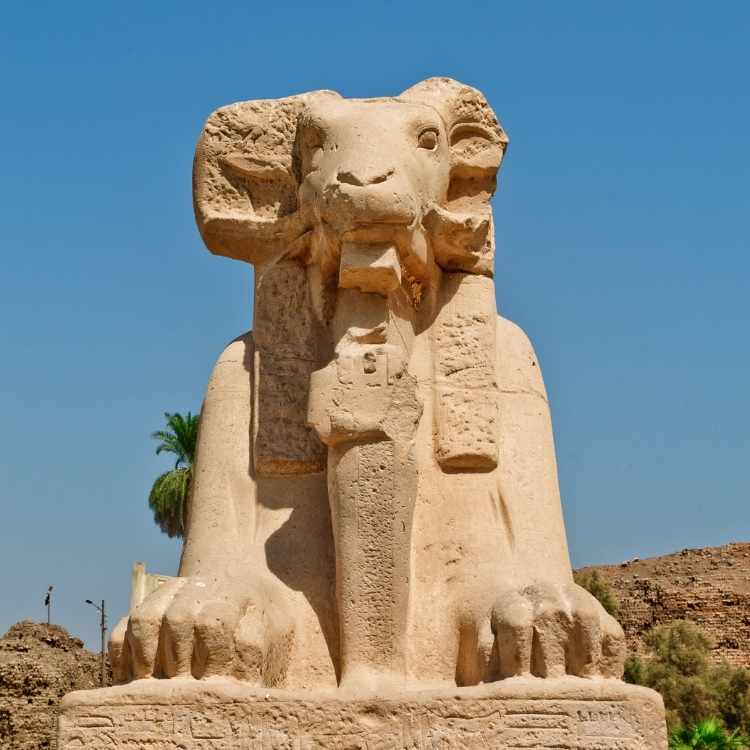
Egypt
In ancient Egypt, the ram was considered one of the most revered animals. Worshipped as a deity, it was associated with Amun, the God of fertility and creativity. It was also believed to have been responsible for the annual flooding of the Nile which served as a vital source of water and agricultural fertility.
Greece
In Greece, this mighty creature was known for being able to butt its head against rocks and break them into pieces. Such formidable strength made it a symbol of raw power and determination in Greek culture.
This earned it a place in their mythology as the animal that helped Zeus escape from his father Cronus by breaking open the cave that he was imprisoned in. The tale further cements the ram’s position as not just a creature of physical might, but also as a beacon of hope and liberation in dire circumstances.
Christianity
In Christianity, rams were known to represent Christ as the Agnus Dei. This symbolism stems from the biblical narrative where Abraham sacrifices a ram in place of his son, Isaac, showcasing God’s provision and mercy.
It was also believed to be a sign of promise and abundance, which is why it became a popular sacrificial animal during the Old Testament era. The ram’s significance in these ancient texts underscores its enduring spiritual importance and its role in religious rituals and teachings.
The ram is also a significant symbol in Christianity, representing Jesus Christ. In the Bible, the ram is sacrificed in place of Isaac, which is seen as a foreshadowing of Jesus’s sacrifice on the cross. The ram is also associated with the victory of good over evil, as it is the animal that defeats the devil in the Book of Revelation.
Native American
In Native American culture, rams are revered as a powerful symbol of masculine energy and virility. Their prominent horns and robust stature make them an emblem of dominance and authority.
They are also associated with bravery, strength, and courage as they are known to be one of the most fearless animals in the wild. Beyond their physical attributes, rams in Native American lore are often seen as spiritual guides, leading individuals on journeys of self-discovery and resilience.
Their presence in tribal stories and rituals underscores their importance as both protectors and symbols of enduring spirit.
The Ram in Hinduism
The ram is a sacred animal in Hinduism, representing the god Vishnu. Vishnu is often depicted riding on a ram, and the animal is seen as a symbol of strength, courage, and protection. The ram is also associated with fertility and abundance, as it is a prolific breeder.
Celtic culture
The ram is a significant symbol in Celtic cultures, representing the god Cernunnos. Cernunnos is often depicted with antlers, which are seen as a symbol of the ram. The ram is also associated with the wild and the natural world, as it is a creature that is often found in forests and mountains.
Table: Significance of Ram Symbolism Across Cultures
| Culture | Symbolic Meaning | Historical/Mythological Reference |
|---|---|---|
| Ancient Egypt | Deity, Fertility | Associated with God Amun; Nile flooding |
| Greece | Strength, Liberation | Helped Zeus escape Cronus; Aries zodiac sign |
| Christianity | Sacrifice, Abundance | Abraham’s sacrifice; Agnus Dei; Old Testament rituals |
| Native American | Masculinity, Virility | Spiritual guides; Symbols of enduring spirit |
| Mesopotamia | Power, Leadership | Associated with God Hadad; Ram in Thicket artifact |
| Hinduism | Purity, Devotion | Ram as the seventh avatar of the god Vishnu |
| Celtic Tradition | Determination, Renewal | Celebrated during Beltane for fertility and new beginnings |
| Norse Mythology | Protection, Sacrifice | Heimdallr’s Gjallarhorn made from a ram’s horn |
What is the meaning of dreaming of a ram?
Dreams have long been a subject of fascination, often revealing hidden messages or insights about our lives. The symbols that appear in our dreams can provide valuable insights into our emotions, challenges, and desires. One such powerful symbol is the ram.
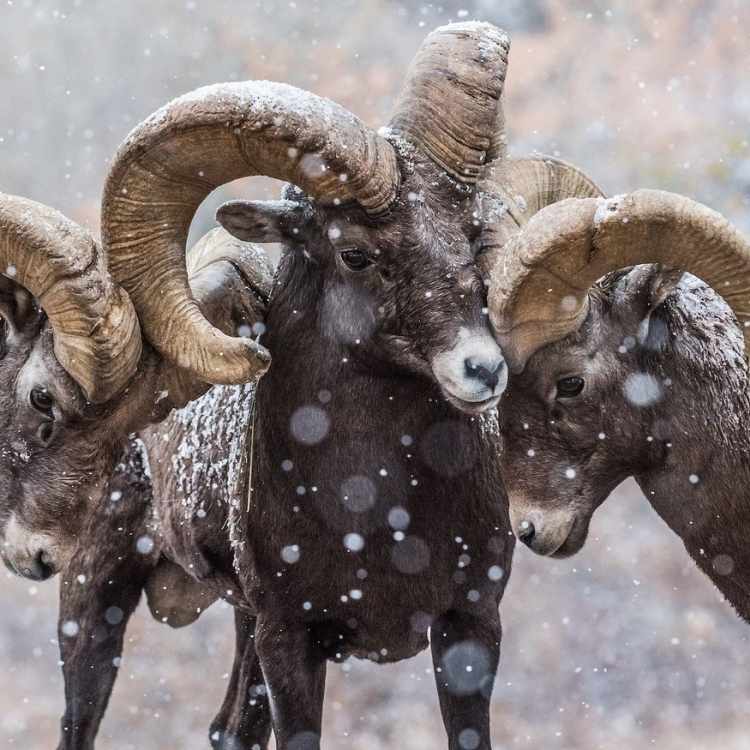
Strength and Determination
When a ram appears in your dreams, it is often a symbol of strength, determination, and power. If you are facing a difficult situation in your life, the appearance of a ram suggests that you need to harness your inner strength and resilience to overcome the challenges ahead.
Perseverance and Transformation
The ram embodies perseverance, pushing through obstacles and challenges with unwavering determination. Dreaming of this creature might hint at a transformative phase in your life, possibly accelerated by fiery energies, urging you to remain steadfast in your pursuits.
Masculinity, Power, and Desire
The ram is a potent symbol of masculinity, strength, and dominance. If it graces your dreams, it could indicate a desire for control or leadership in certain aspects of your life. Furthermore, its association with fertility and promiscuity highlights the innate human drive for procreation and intimacy, suggesting a reflection on one’s deep-seated desires and aspirations.
Famous rams in arts, culture, music, and movies
- The Golden Fleece: This is a famous Greek myth about Jason and the Argonauts, who set out to find the Golden Fleece, which was guarded by a giant ram with golden wool. The Golden Fleece is a symbol of wealth, power, and immortality.
- The Ram in the Thicket: This is a biblical story about how Abraham was instructed by God to sacrifice his son Isaac. However, at the last moment, God provided a ram as a substitute sacrifice. The Ram in the Thicket is a symbol of God’s mercy and provision.
- The Ram’s Horn: This is a musical instrument that is made from the horn of a ram. It is often used in religious ceremonies and in folk music. The Ram’s Horn is a symbol of power, strength, and victory.
- The Ram’s Head: This is a common symbol in heraldry and other forms of decoration. It is often seen as a symbol of strength, courage, and leadership.
- The Ram in Movies: Rams have appeared in many movies, often as symbols of strength, power, and leadership. Some examples include:
- The Lion King: The ram Mufasa is the wise and powerful king of the Pride Lands.
- Braveheart: The ram William Wallace uses as his battle standard is a symbol of Scottish independence and freedom.
- The Chronicles of Narnia: The White Witch uses a ram as her steed, symbolizing her cruel and tyrannical rule.
The ram is a powerful and versatile symbol that has been used in many different ways throughout history. It is often seen as a symbol of strength, power, leadership, courage, and sacrifice. The ram is also associated with fertility, abundance, and new beginnings.
Conclusion
The ram, with its deep-rooted symbolism across various cultures, serves as a powerful reminder of strength, determination, and resilience. Its presence in dreams, myths, and spiritual teachings underscores its significance in guiding individuals through life’s challenges.
Embracing the lessons and insights offered by the ram can empower us to face adversities head-on, harnessing our inner strength and wisdom.
Frequently Asked Questions
What does the ram symbolize in spiritual and cultural contexts?
The ram symbolizes strength, determination, leadership, and courage across cultures. It represents presence of mind, readiness to defend, and the balance between beauty and power. The ram teaches assertiveness without aggression, embodying wisdom and protective energy in spiritual symbolism.
Why is the ram considered an important animal totem?
As an animal totem, the ram represents intelligence through its horns, continuous learning, and determination. It encourages service, achievement, and analytical thinking while symbolizing protective nature and defensive capability. The ram totem guides personal growth and spiritual development through unwavering resolve.
What did the ancient Egyptians believe about ram symbolism?
Ancient Egyptians revered the ram as sacred, associating it with Amun, the god of fertility and creativity. They believed the ram was responsible for the annual Nile flooding, vital for agricultural prosperity. This connection established the ram as a divine symbol of abundance and regeneration.
How does the ram appear in Christian symbolism and biblical narratives?
In Christianity, the ram represents Christ as the Agnus Dei and symbolizes God’s mercy and provision. The biblical story of Abraham’s sacrifice, where God provides a ram instead of Isaac, foreshadows Christ’s crucifixion. The ram signifies sacrifice, redemption, abundance, and divine intervention in Old Testament teachings.
What is the significance of the ram in Native American spiritual traditions?
Native Americans regard the ram as a symbol of masculine energy, virility, bravery, and strength. Beyond physical attributes, rams serve as spiritual guides facilitating self-discovery and resilience. Their presence in tribal stories underscores their role as protectors and embodiments of enduring spirit and courage.
What does it mean when a ram appears in your dreams?
Dreaming of a ram signifies inner strength needed to overcome challenges, representing perseverance and transformation. It may indicate desires for leadership and control, reflecting deep-seated aspirations. Ram dreams encourage you to harness resilience and navigate obstacles with unwavering determination and power.
How is the ram symbolized in Greek mythology and culture?
In Greek culture, the ram symbolized raw power and determination due to its ability to break rocks. Greek mythology credits the ram with helping Zeus escape his father Cronus by breaking open his prison cave. This tale establishes the ram as a beacon of hope, liberation, and divine intervention during dire circumstances.
What role do ram horns play in symbolism across different cultures?
Ram horns represent intelligence, wisdom, and spiritual insight across cultures. They symbolize the capacity to tap into inner knowledge, serve as defensive and ceremonial instruments, and denote power and authority. The horns embody growth, strength, and the ability to navigate life’s challenges with clarity and foresight.
What is the difference between the ram’s physical strength and its symbolic leadership?
While the ram possesses formidable physical strength, its symbolic leadership emphasizes balanced power—taking only what’s needed without dominating others. The ram teaches assertive leadership rooted in wisdom and discernment rather than aggression, combining fierce capability with mindful protection of loved ones.
How has the ram been represented in modern arts, culture, and media?
The ram appears symbolically across literature, film, and art: the Golden Fleece represents wealth and immortality, the Ram’s Horn symbolizes victory and spiritual power, and films like The Lion King feature rams as wise leaders. These representations reinforce the ram as a timeless emblem of strength, courage, and leadership.