
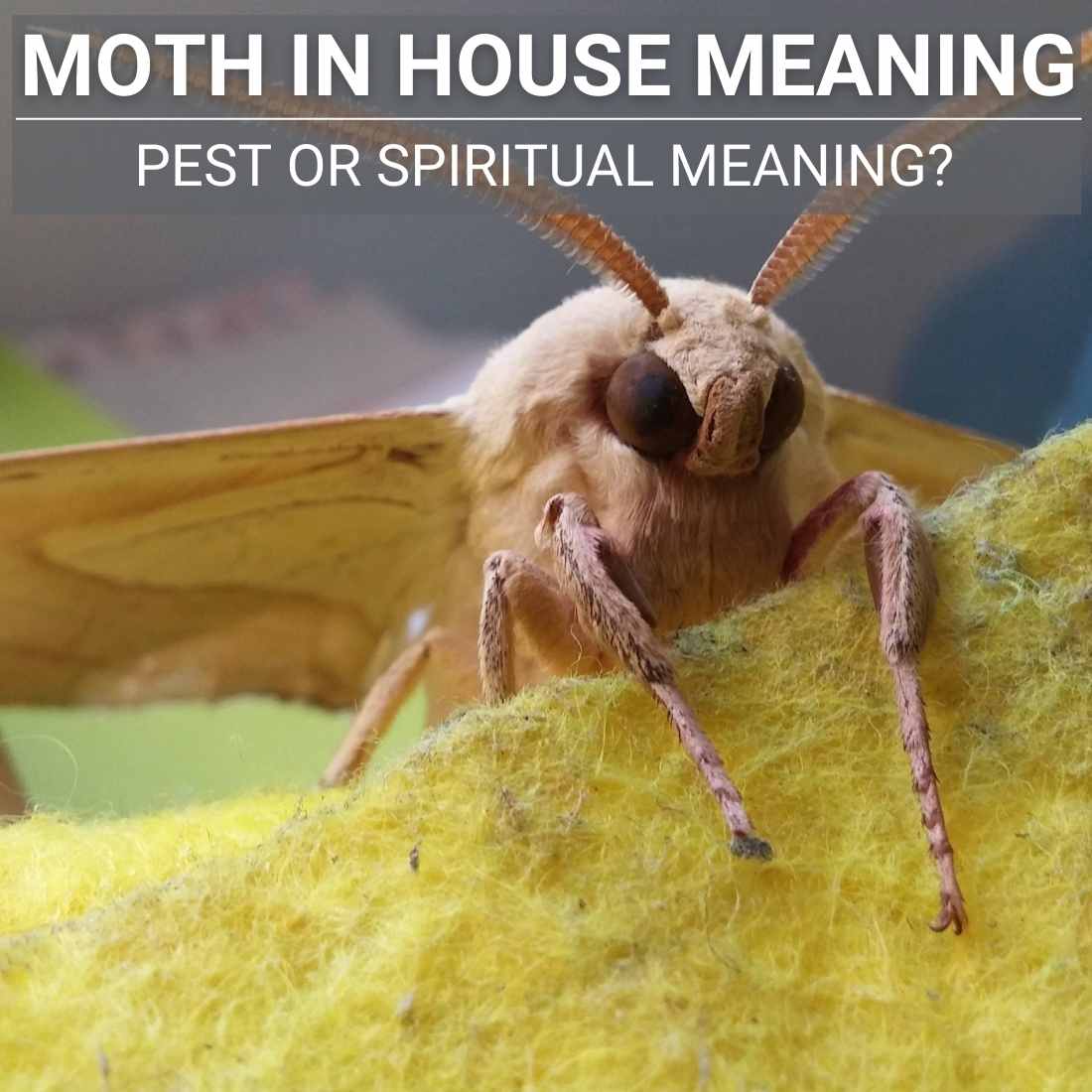
Most folk traditions read a moth inside your home as contact of some kind, a messenger or visitor in unfamiliar shape. The death-omen and ancestor-guardian readings both exist from separate traditions, neither telling the whole story. Which fits depends on what’s happening in your life, and I’ll explore both.
Key Takeaways
- A moth entering your home is most commonly read as a spiritual messenger or a sign of personal change, depending on the tradition.
- Death-omen and good-fortune readings coexist across cultures and are not mutually exclusive. The full history is less frightening than most sites suggest.
- Color and location in your home refine the meaning considerably. Brown, black, and white moths carry different weight in the folk record.
- A large number of moths amplifies rather than cancels the symbolism; the scale of the encounter matters.
- Killing a moth in your home is considered bad luck in multiple unconnected traditions, including Celtic, Filipino, and various animist belief systems.
What Does It Mean When a Moth Enters Your House?
The short answer is that most traditions read it as contact. Not necessarily supernatural contact, but the kind of attention the mind pays when something ordinary crosses a threshold and suddenly feels weighted. What Does It Mean When A Moth Lands On You explores this phenomenon across different cultural interpretations.
I want to be honest about the range here. “Widely interpreted” is doing a lot of work in sentences like that one, and I know it. But the moth-as-messenger reading shows up in Irish and Scottish Gaelic tradition, in Philippine folk belief, in Hawaiian oral tradition documented by scholars of Pacific Islander mythology, and in Victorian mourning culture. That’s a lot of separate traditions landing on a similar conclusion without borrowing from each other. That overlap means something. I don’t know exactly what, but it means something.
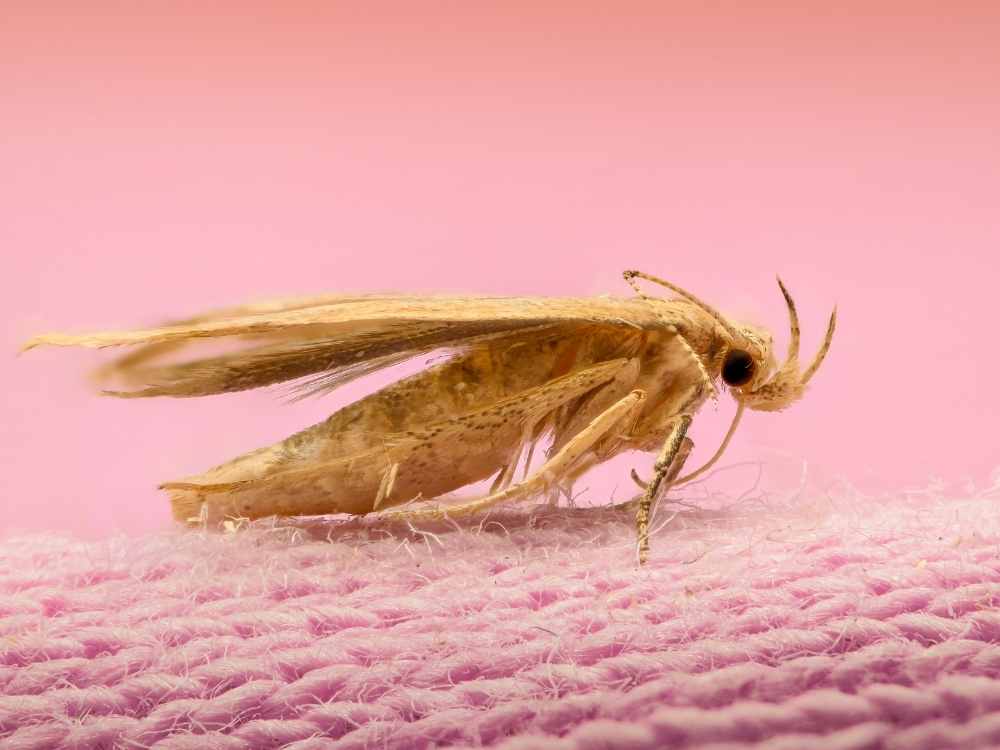
And the practical layer matters too: moths are drawn to light and warmth. They come in through gaps around windows and doors, especially in late summer and early fall when the temperatures start dropping. A moth finding your lamp is not a miracle. But the fact that you noticed it, that it made you stop, that you’re here looking it up, that’s the data point I keep coming back to.
Is a Moth in Your House a Good or Bad Omen?
Both readings exist. The honest answer is that neither has a monopoly.
The death-omen reading is real. In parts of rural Ireland and Scotland, a moth in the house, especially at night, especially near a candle or lamp, was understood as the soul of someone recently dead or as a warning that a death was near. Maria Leach’s Standard Dictionary of Folklore, Mythology, and Legend (1949, Funk and Wagnalls) documents the death-moth association in European folk belief across multiple national traditions. This is not fringe superstition. It has deep roots.
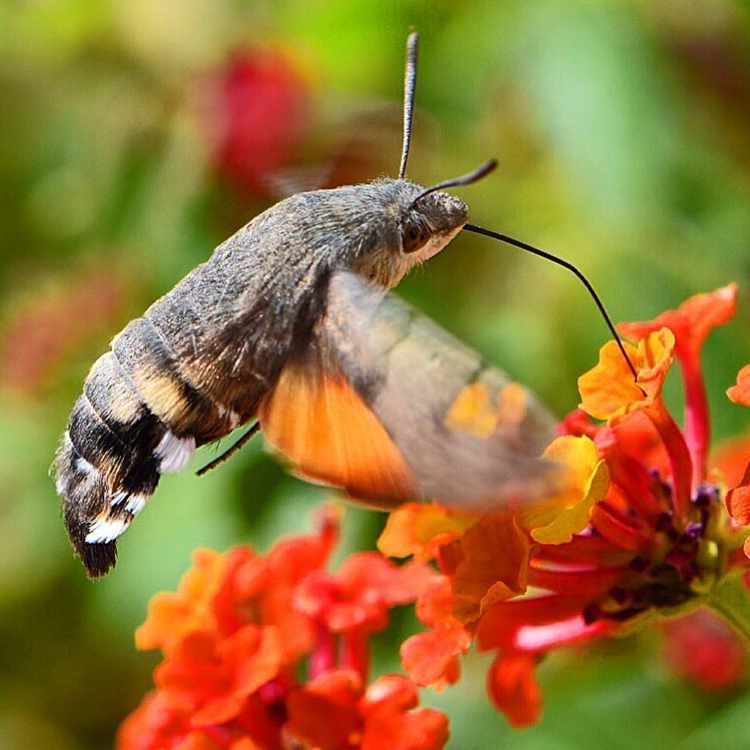
But the good-fortune reading is equally documented. In parts of the Philippines, a moth entering the home is understood as a returning ancestor, and the correct response is welcome, not alarm. Martha Beckwith’s Hawaiian Mythology (University of Hawaii Press, 1940) records related beliefs in which insect visitors carry the presence of the dead as guardians, not warnings.
So which is it? I read it this way: the death-omen tradition tends to activate under specific conditions, nighttime, a single moth, a house where grief is already present. The good-fortune reading travels with the ancestor-visitor framework. Neither version means you should be afraid. You are not required to choose the most frightening interpretation available.
What Do Different Cultural Traditions Say About Moths Entering the Home?
The cross-cultural persistence of the moth-as-soul-carrier idea is the thing I find hardest to explain away.
Mircea Eliade, in Shamanism: Archaic Techniques of Ecstasy (Princeton University Press, 1951), documents how insect forms serve as soul-carriers across Siberian, Central Asian, and Indigenous American shamanic traditions. The soul leaves the body in the shape of a moth or butterfly and can return in the same form. E.B. Tylor’s Primitive Culture (1871) makes a similar observation about animist traditions broadly: the soul requires a vehicle, and winged insects are a recurring candidate across cultures that never knew each other existed.
In Celtic folk belief documented by folklorists including Douglas Hyde in the late 19th century, moths and butterflies were understood as the souls of the dead seeking rest. The taboo against killing a moth in the house traces directly to this belief. You might be killing a relative.
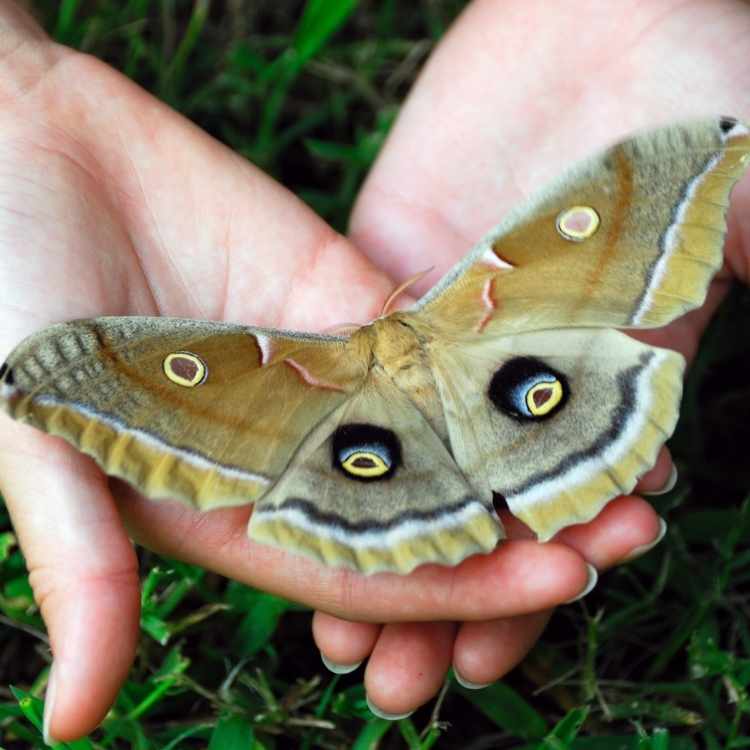
In folklore researcher Icy Sedgwick’s survey of moth beliefs, the Philippine tradition comes through clearly: a large brown moth in the house is an ancestral visit, and the family gathers to speak to it. Not metaphorically. They speak to it. I find that detail remarkable every time I read it.
Victorian Britain developed its own parallel tradition. Mourning culture in the 1860s and 1870s overlapped heavily with moth imagery, moths destroying cloth, moths as symbols of the soul’s fragility, moths as the thing that outlasts the body’s fabric. Whether that’s folk belief or literary metaphor is a line I can’t draw cleanly. Both things were probably true at once.
What Does It Mean When You Have a Large Number of Moths in Your House?
A single moth is a visitor. A swarm is a different question.
In most folk traditions I’ve found, scale amplifies rather than changes the basic reading. More moths means more insistence, a louder knock, not a different message. In the Philippine ancestor-visitor tradition, a large brown moth is already significant; multiple moths would be understood as urgent, or as the presence of more than one ancestor.
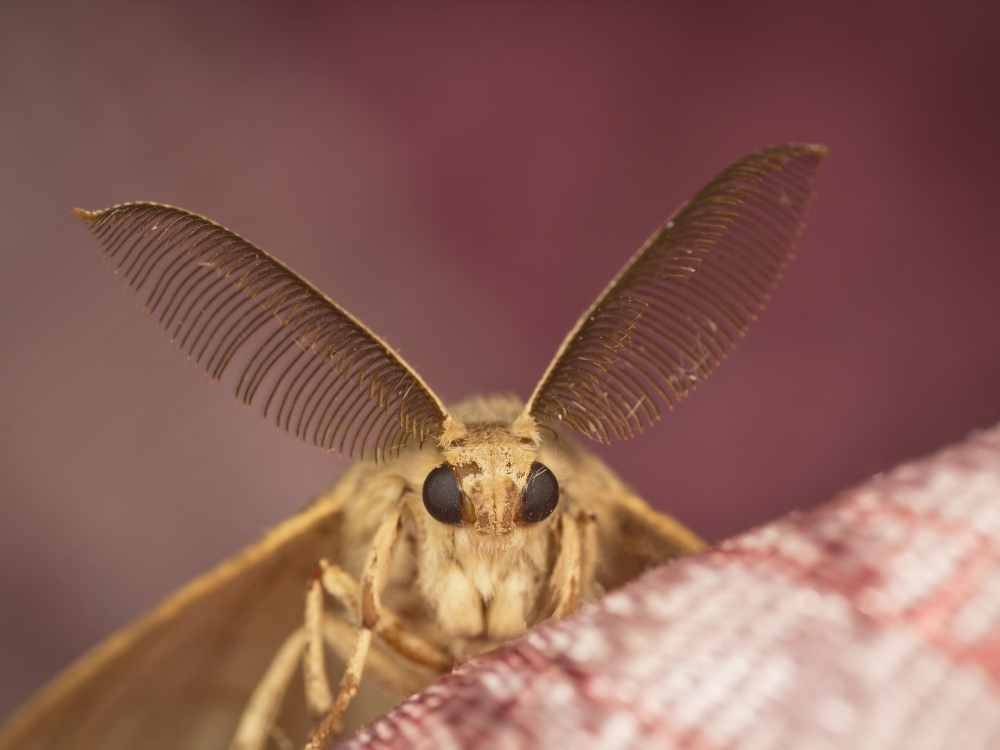
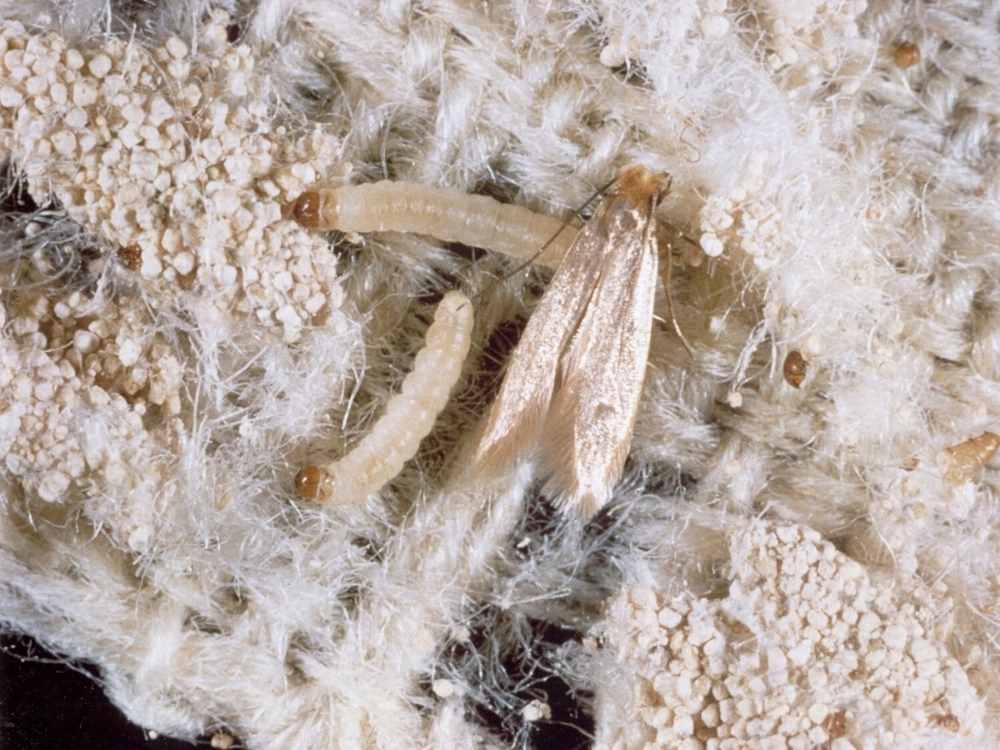
There’s also a completely practical layer I’d be doing you a disservice to skip. According to Dr. Killigan’s pest control research, a large number of moths in a home almost always signals a breeding population, usually clothes moths (Tineola bisselliella) or pantry moths (Plodia interpunctella), and an infestation means there’s a food source they’ve found. Clothes moths eat keratin: wool, silk, feathers. Pantry moths eat grain. If you’re seeing dozens of moths regularly, checking your wardrobe and your dry goods is not unspiritual. It’s just practical. One question doesn’t cancel the other.
But if it was a single evening, a handful of moths at a window, that’s a different situation. That’s the one the folk record is speaking to.
Does the Location in Your Home Change the Spiritual Meaning?
The folk record treats location as meaningful, and I find that persuasive even when I can’t fully explain why.
A moth in the bedroom is the reading most consistently associated with grief and personal change. The bedroom is where you’re most unguarded. A moth that finds you there, at night, is understood in Irish and Scottish Gaelic tradition as the most personal kind of visit.
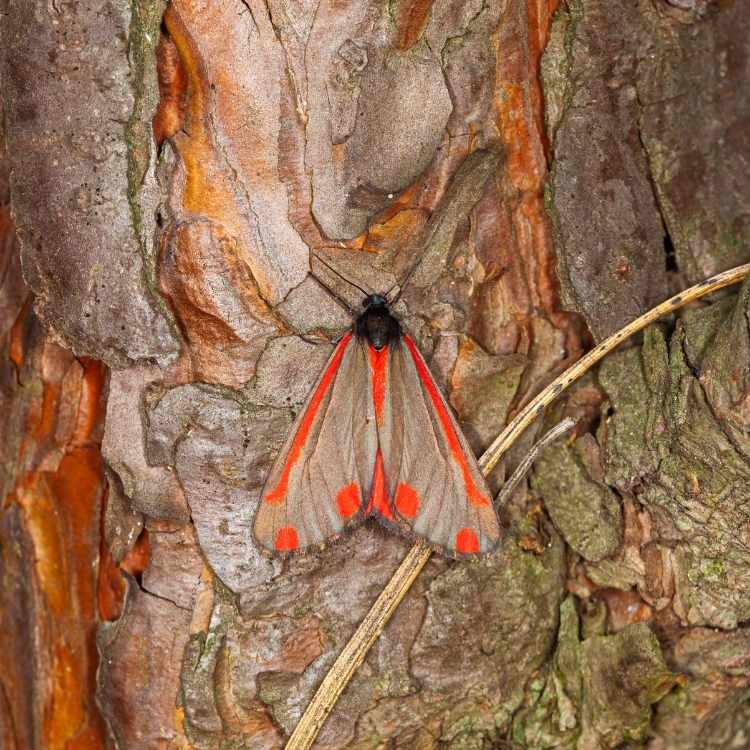
A moth near a light source, a lamp, a candle, a screen, carries the transformation reading more strongly. The moth’s pull toward light is the fact that makes the symbolism work: it doesn’t stop because the light might be dangerous, it keeps circling anyway. Several folk traditions read this as a model for approaching change you can’t fully see yet. That’s the reading I find most honest, for what it’s worth.
A moth in the kitchen or near food stores is a different signal. Practically, it usually means pantry moths have found something. Check the grain first before going too deep into the symbolism on that one.
What Does the Color of the Moth Tell You Spiritually?
Color is where the folk record gets most specific, and also most contradictory. Here’s what I trust.
Is It Bad Luck to Kill a Moth in Your House?
The Centre of Excellence’s overview of moth spiritual meaning notes the soul-carrier prohibition across multiple traditions. I don’t usually reach for that kind of source, but the pattern they’re documenting is real and appears in academic sources as well.
Frequently Asked Questions
What does it mean when a moth flies around you inside your house?
A moth circling you in your own home is read in several traditions, including Irish Gaelic and Philippine folk belief, as a direct communication rather than a general visit. The moth has found you specifically. I’d treat it as a prompt to check in with yourself about what you’ve been avoiding thinking about, particularly around loss or change. Whether or not you accept the ancestral-messenger framework, the fact that it got your attention is worth something. That instinct has a long tradition behind it. You are not making this up.
Is a moth in the house a sign from a deceased loved one?
In multiple independent traditions, yes, this is exactly the reading. Celtic folk belief holds that moths carry the souls of the recently dead. Philippine tradition holds the same. Martha Beckwith’s Hawaiian Mythology documents a Pacific Islander parallel. I don’t claim to know whether any supernatural mechanism is real. What I do know is that this reading is consistent across cultures that didn’t borrow from each other, and that consistency means something even if I can’t tell you precisely what. If you’ve lost someone recently, this reading will feel true. That feeling deserves respect.
What does a brown moth in the house mean spiritually?
Brown is the most documented color in the Philippine ancestor-visitor tradition. A large brown moth entering the home is understood as a relative coming back to check on the living. The response is welcome; some families speak directly to the moth, sharing news, asking for guidance. Outside that specific tradition, brown moths carry groundedness and hidden-knowledge associations in various folk readings. The brown moth is not alarming in any tradition I’ve encountered. It is, if anything, the most benign of the common house moth colors.
What does a black moth in the house mean?
This is the one people worry about most. The black moth does carry death-omen associations in Welsh and Scottish folk record; I won’t pretend otherwise. But the reading is more specific than “someone will die.” It’s closer to: something is ending, and you’ve been aware of it longer than you’ve admitted. I read the black moth as a prompt toward honesty about what you’ve been keeping in shadow. There is no version of this that means you should be afraid of everyone you love.
What does a white moth in the house mean?
White moths carry the purest version of the soul-visitor reading across multiple traditions. Victorian mourning culture associated white moths with souls recently departed. Hawaiian oral tradition holds a similar belief. If a white moth entered your home shortly after a loss, I don’t have a tidy explanation for that timing. I have read three explanations and don’t fully trust any of them. What I can say is that you are not the first person to experience it, and the tradition’s response is not alarm. It’s quiet acknowledgment. The white moth arrives, and you notice. That’s the whole of it.
What does it mean when a moth keeps coming back to your home?
Repeated visits get read as persistence in the folk record. The message hasn’t been received yet, or whatever prompted the visit is still unresolved. Practically, a moth returning to the same window night after night is following the light; the light hasn’t moved, so neither has the moth. Both things can be true. If the returns feel significant to you, consider what hasn’t been resolved in your life since the first visit. The ancestor-visitor traditions treat repetition as urgency, not as a curse.
Are moths in the house a sign of death?
The death-sign reading exists and is documented; I won’t wave it away. Maria Leach’s Standard Dictionary of Folklore, Mythology, and Legend records the death-moth association in European folk tradition. But in most of the traditions where this reading appears, “death” means threshold, ending, transition, not necessarily the death of a person you love. And the equally strong ancestor-visitor and good-fortune readings exist alongside the death-omen reading in the same cultures. No single tradition holds only one of these. The full record is more nuanced than the first article you read probably told you.
What time of year are moth encounters considered most spiritually significant?
Honestly, I’m not sure the folk record is specific about this in a way I trust. What I can say is that moth activity peaks in late summer and early fall across most of the northern hemisphere, which overlaps with harvest traditions, Samhain, and various ancestral-acknowledgment observances in Celtic and related cultures. Whether that overlap is meaningful or coincidental is a question I genuinely can’t answer. The timing of your encounter in relation to your own life, a recent loss, a decision, an anniversary, matters more than the calendar month.
Sources
- Icy Sedgwick, “Moths in Folklore and Superstition”, survey of moth beliefs across Celtic, Philippine, and broader folk traditions
- Centre of Excellence, “The Spiritual Meaning of Moths”, overview of soul-carrier traditions and color associations
- Dr. Killigan’s, “Debunking 5 Myths About Clothing Moths”, practical identification and infestation data
- Kloof Conservancy, “Butterflies and Moths in Myths and Legends”, cross-cultural mythology survey including Pacific Islander traditions
- Ampulets, “On Moths and Meaning” (2019), literary and folk-belief intersection, Philippine tradition
- Piecework Magazine, “Moth Myths”, Victorian mourning culture and textile symbolism

Amazing one. Thanks for sharing.
Thank you for your interesting information, makes good sense .. I was visited by a black moth in my room .. I truly believe what you mentioned ?
Thank you Sharon so much for sharing your experience! I’m glad that you found the information helpful and resonant. Encounters with moths, especially black ones, can definitely feel special and meaningful. Remember to trust your intuition and embrace the positive energy that these creatures may bring into your life. Wishing you many more insightful and magical moments! ??