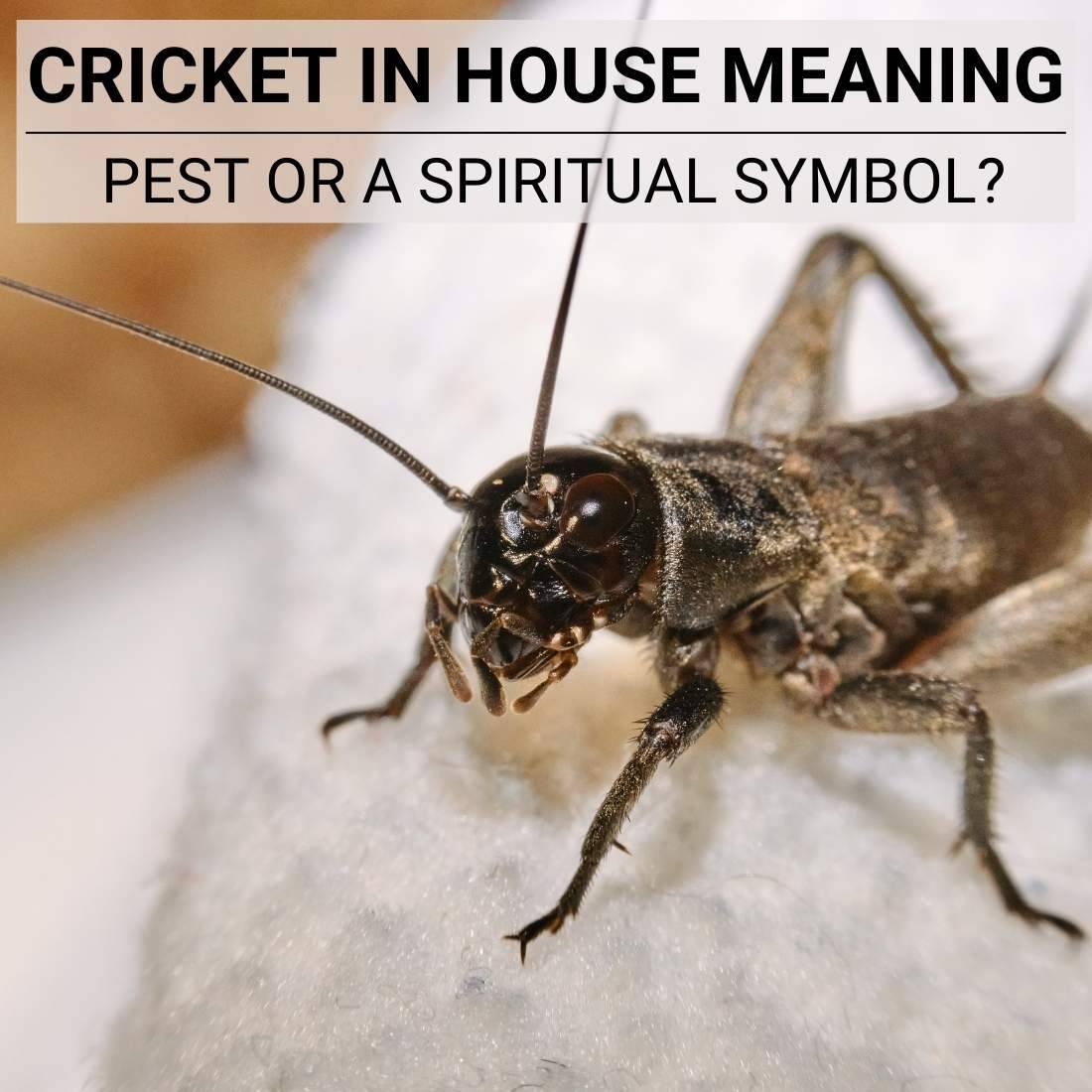
In old China, families kept crickets in carved gourds because their sound meant money and safety. This shows the cricket was never just a bug – it was an invited guest. Whether a cricket appearing on its own brings luck, or if it must sing first, splits the old beliefs in two.
Key Takeaways
- A cricket in the house is a good-luck omen in the Han Chinese, Victorian English, and French grillon du foyer traditions, among others.
- The cricket’s song indoors is tied to domestic harmony, the idea that your household is in balance with the season.
- Location matters: a cricket near the hearth or kitchen carries the strongest protective reading in the English and French folk record.
- Killing a house cricket is treated as bad luck across Chinese, English, and French traditions. Relocate it instead.
- Some regional European traditions read a cricket that goes suddenly silent as the detail worth paying attention to, not the chirping itself.
What Does It Mean When a Cricket Is in Your House?
Good things, mostly. You are not in trouble.
I want to be precise, because precision is what separates actual folk tradition from the kind of vague reassurance that doesn’t help anyone. The cricket’s reputation as a house guardian comes specifically from its association with the hearth, with song, and with presence through the cold months when most insects are gone. It is a creature that chooses shelter and stays. That’s the core of it. The staying is the sign.
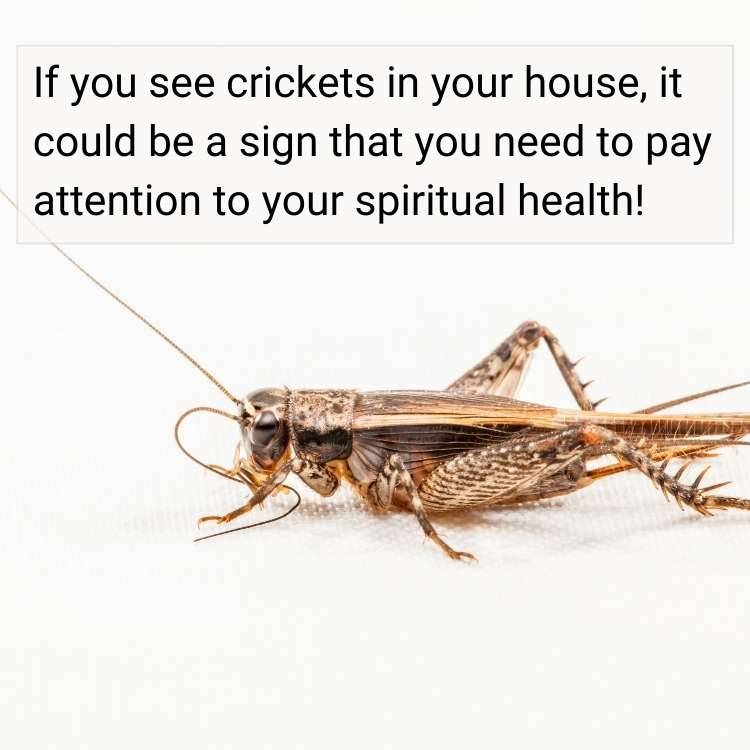
My grandmother Theresa’s leather notebook, which she kept in the Bavarian Forest and which I have on my desk right now, doesn’t mention crickets directly. But the logic she applied to ravens and owls and deer is the same logic these cricket traditions use: an animal that enters your home and remains is not there by accident. You pay attention to it.
The folk record on this is unusually consistent across traditions that had no contact with each other, which I think is worth sitting with for a moment. When Chinese farmers, English country households, and French rural communities all land on the same creature as a domestic guardian, that convergence says something, even if you read it as psychology rather than prophecy.
Is a Cricket in the House Always Good Luck, or Can It Be a Warning?
Mostly good luck. But not always, and I’d rather say that plainly.
In some regional English traditions, a cricket that suddenly went silent after chirping steadily for days was the thing people noticed. The song was the blessing; the abrupt stopping of the song was read as a sign of coming trouble, bad weather, or an unquiet household. The Czech and Slovak folk record, which I find less-cited than it should be, treats a cricket that chirps unusually loud and late into the night as a nudge that someone in the home may need rest or attention. Not a death omen. A nudge.
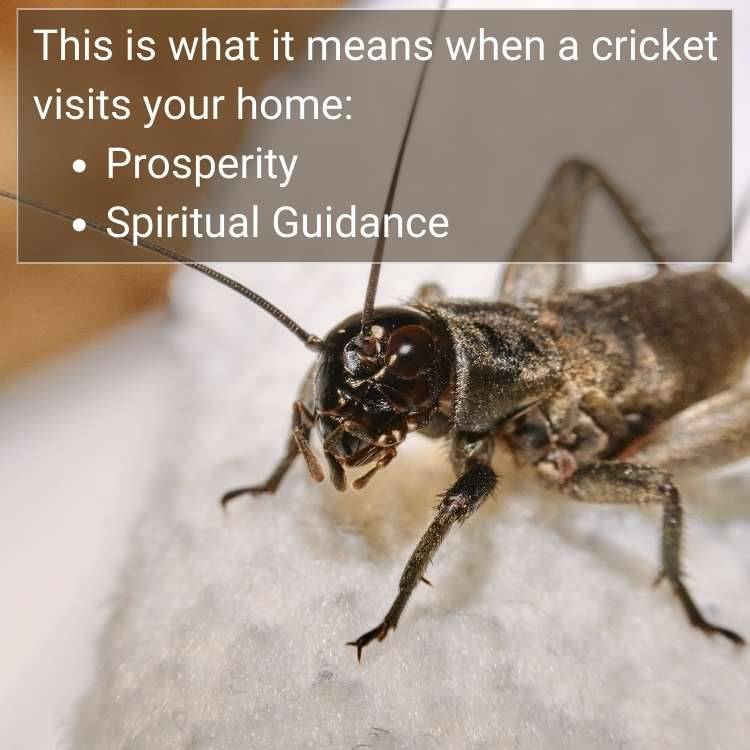
And some Native American oral traditions treat the cricket’s song as weather intelligence. A sustained chirp signals warmth ahead; certain patterns signal cold. This is less about the home’s spiritual state and more about reading the insect as an environmental sensor, which I find the more honest framing anyway.
So: a cricket in your house is a good sign. A cricket that goes silent without leaving is the thing worth noticing.
What Do Chinese Folk Tradition and Feng Shui Say About Crickets in the House?
Han Chinese folk practice has the richest documented history on this subject, by a considerable margin. From at least the Zhou period onward, roughly 1000 BCE, crickets were kept indoors in small cages specifically for their song, treated as living charms of prosperity, longevity, and family health.
Berthold Laufer’s Insect-Musicians and Cricket Champions of China (1927) is the scholarly anchor here. Laufer documents the Qing-era practice of keeping prized singing crickets in carved gourds and lacquered boxes, treating them as household companions rather than pests. The cricket’s song signaled abundance. Farmers listened for the first spring chirps as a planting cue; the cricket’s return meant the land was ready, and a cricket indoors meant the household would share in that readiness.
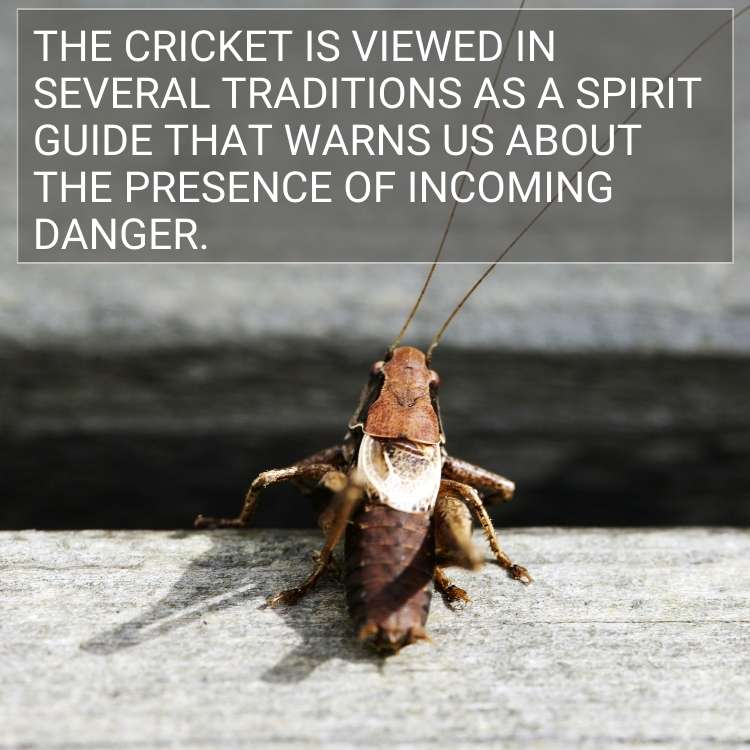
The gifting custom is the detail I keep returning to. Giving a live cricket to a newly married couple was a specific wish: a long-lasting home, a continuing family line, a hearth that would stay warm. That’s not a small symbolic claim. The cricket is standing in for everything a new household hopes to become.
In contemporary feng shui, a cricket near the entry or kitchen is still read as a sign of incoming wealth and domestic stability. The insect’s association with the earth element in Chinese cosmology connects it to groundedness and the slow accumulation of good things rather than sudden fortune.
What Does Victorian English and French Hearth Folklore Say About House Crickets?
In 19th-century England, the cricket by the fireplace was a domestic guardian. Not metaphorically. People genuinely believed that harming the hearth cricket would bring misfortune to the household, and the creature’s steady evening song was taken as confirmation that the home was protected and at peace.
Charles Dickens used this folk belief directly. The Cricket on the Hearth (1845) is a Christmas story in which the cricket functions as a spirit of the house, a witness to the family’s struggles, and eventually a sign that things will improve. Dickens didn’t invent the belief. He reflected it back to an English readership that already held it, which is why the story landed.
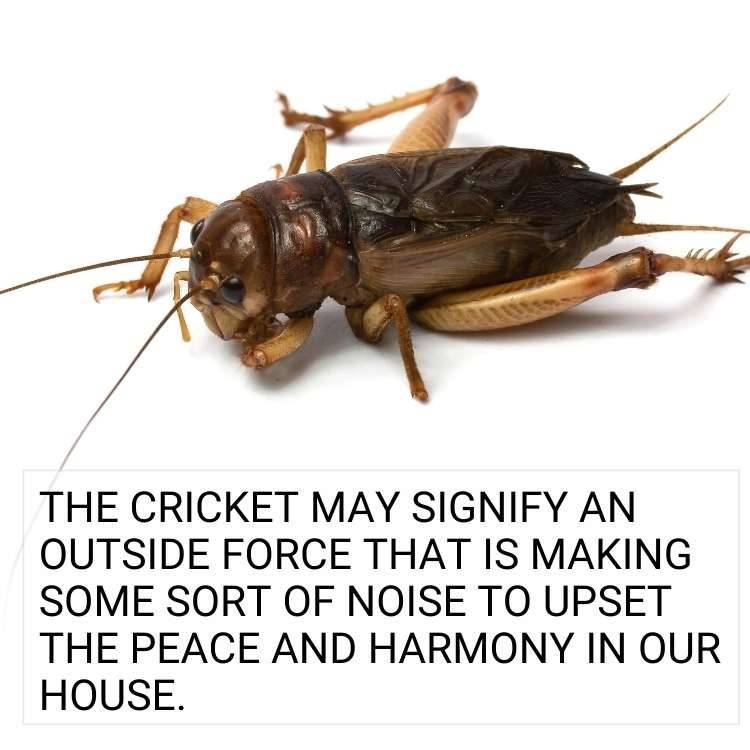
The French tradition calls the house cricket the grillon du foyer, meaning “hearth cricket,” and the associations are nearly identical: domestic happiness, protection of the household fire, the reassurance that the home is alive in some way that matters. A house with a singing cricket was, in the folk sense, a house that was doing well.
Both traditions share one specific detail: driving the cricket out by force, or killing it, was thought to reverse the luck. The creature was a guest. You treated it as one.
What Does the Cricket’s Song Mean When You Hear It Inside Your Home?
The chirping itself is where the meaning lives, in almost every tradition that addresses this.
Haruo Shirane, in Japan and the Culture of the Four Seasons (Columbia University Press, 2012), describes the Edo-period practice of mushi-kiki, or “insect listening,” in which Japanese households kept crickets and other autumn insects specifically to hear their song indoors. This wasn’t superstition in the Western sense. It was a cultivated practice of attending to seasonal sound as a way of staying connected to the natural world while living in a city. A cricket singing in the house meant the season had been welcomed. The household was in rhythm with something larger than itself.
I find that framing more useful than most, honestly. Not “a cricket chirping means good luck will arrive” as a transactional promise, but “a cricket chirping means your home is a place the natural world finds worth entering.” That’s a different kind of reassurance. And I think it’s the more durable one.
Here is the strange, specific, genuinely odd fact about cricket song: only male crickets chirp, and they do it by rubbing a specialized scraper on one wing against a file on the other. The sound is called stridulation. A single male field cricket produces about 130 chirps per minute at 75 degrees Fahrenheit, and the rate slows as temperatures drop. Which is why Amos Dolbear, an American physicist, published a formula in 1897 for calculating air temperature from cricket chirps: count the chirps in 14 seconds, add 40, and you have the temperature in Fahrenheit. Your house cricket is a thermometer. That probably doesn’t change what it means to you, but I think it’s worth knowing.
Does It Matter Where in the House the Cricket Appears?
Yes. Location carries weight in the folk record, and it carries weight practically too.
Near the hearth or kitchen: this is the strongest reading in the English and French traditions. The cricket near the fire was the guardian cricket. If your house has a fireplace and the cricket is in that room, you are sitting in the center of the classical symbolic meaning. The kitchen is the modern hearth equivalent. A cricket in either space is, in the folk sense, exactly where it should be.
Near the front door or threshold: in Chinese folk practice, a cricket near the entry was treated as a sign of incoming guests or good news arriving from outside. The door is where things enter. A cricket at the door suggests something welcome is on its way.
In the bedroom: the folk record is quieter here. I don’t have a confident answer, and I won’t manufacture one. Some English regional variants treat a cricket in the bedroom as a sign of restful sleep, and in older accounts, good dreams. But that’s thin. If a cricket found your bedroom, I’d focus less on the room and more on the fact that it chose your home at all.
Frequently Asked Questions
Is it bad luck to kill a cricket in your house?
The Han Chinese, Victorian English, and French grillon du foyer traditions all say yes. In the English folk record, harming the hearth cricket was thought to reverse whatever domestic protection the creature had brought. This agreement across three independent traditions is consistent enough that I take it seriously outside any strictly spiritual frame. If a cricket is in your home and you want it gone, cup it and take it outside rather than killing it. That’s the respectful exit in every tradition that addresses the question.
What does it mean if a cricket chirps at night inside your home?
Nighttime chirping is normal cricket behavior. Male crickets stridulate most actively after dark, so the sound itself isn’t unusual. In the folk traditions I find most grounded, a cricket singing at night in the house is the sound of the household’s good standing, not a warning. The Edo-period Japanese practice of mushi-kiki specifically valued the evening cricket song as a sign of seasonal harmony. Steady and rhythmic reads as settled and positive. If it stops abruptly after days of singing, that’s the detail worth noticing.
What does it mean when a cricket jumps on you or lands on you indoors?
The folk record is thin here, and I won’t pretend otherwise. The broader tradition treats a cricket touching a person as an intensification of the household luck, the blessing made personal rather than general. Some accounts describe it as a sign of incoming good news. I’d treat that claim cautiously. What I can say is that no tradition I’ve read treats a cricket landing on you as a bad sign. The creature is, in the symbolic sense, choosing you specifically. That’s not nothing.
Is a cricket in the house a sign from a deceased loved one?
This is one of the questions I get most often, so I want to answer it honestly. I don’t believe animals are messengers from the dead, and I won’t tell you otherwise. What I do believe is that grief makes us more attentive, and that a cricket appearing during a period of loss feels different from a cricket appearing in an ordinary week. The Han Chinese tradition connects the house cricket specifically to family continuity, the ancestors, the lineage, the household line. If that reading feels true to you, it has genuine roots in Chinese folk practice, even if it isn’t the same thing as a message arriving.
What does a black cricket in the house mean versus a brown one?
Some contemporary symbolism writing draws this distinction, but the pre-20th-century folk record doesn’t, at least not clearly. The standard field cricket (Gryllus bimaculatus) runs brown to black depending on age and region. In the Chinese and English traditions, it’s the cricket’s presence and song that carry the meaning, not its color. Some writers assign black crickets to protection and brown ones to luck or harvest, but I haven’t found that distinction in sources I trust. Take it lightly.
Does the number of crickets in the house change the meaning?
One cricket is the traditional house guardian. Two or three is still generally positive in the folk record, abundance amplified rather than reversed. A sudden large number, especially if they appear quickly and in unusual places, starts to feel less like a blessing and more like a moisture or structural problem that’s creating good cricket habitat. The spiritual reading and the practical one aren’t mutually exclusive. You can honor the symbolism and also check your basement for water.
How long should you let a cricket stay in your house before it loses its symbolic meaning?
The folk traditions don’t put a timer on it. The English hearth cricket was a permanent household resident in the classical sense; it stayed by the fire through winter, and that tenure was the whole point. A cricket that finds a warm corner of your home and stays is doing exactly what the tradition describes as a good sign. There’s no expiration date on the welcome. When it leaves on its own, it has done what it came to do.
Sources
- La Porte du Bonheur, The Lucky Cricket: The Origins of a Symbol
- Spells8, Cricket Omen: The Spiritual Meaning of the Cricket Song
- Native Languages of the Americas, Cricket Legends and Stories
- LoveToKnow, Lucky Cricket Meaning and Symbolism
- YourTango, Cricket Symbolism and Spiritual Meanings
- YouTube, Cricket Symbolism Video