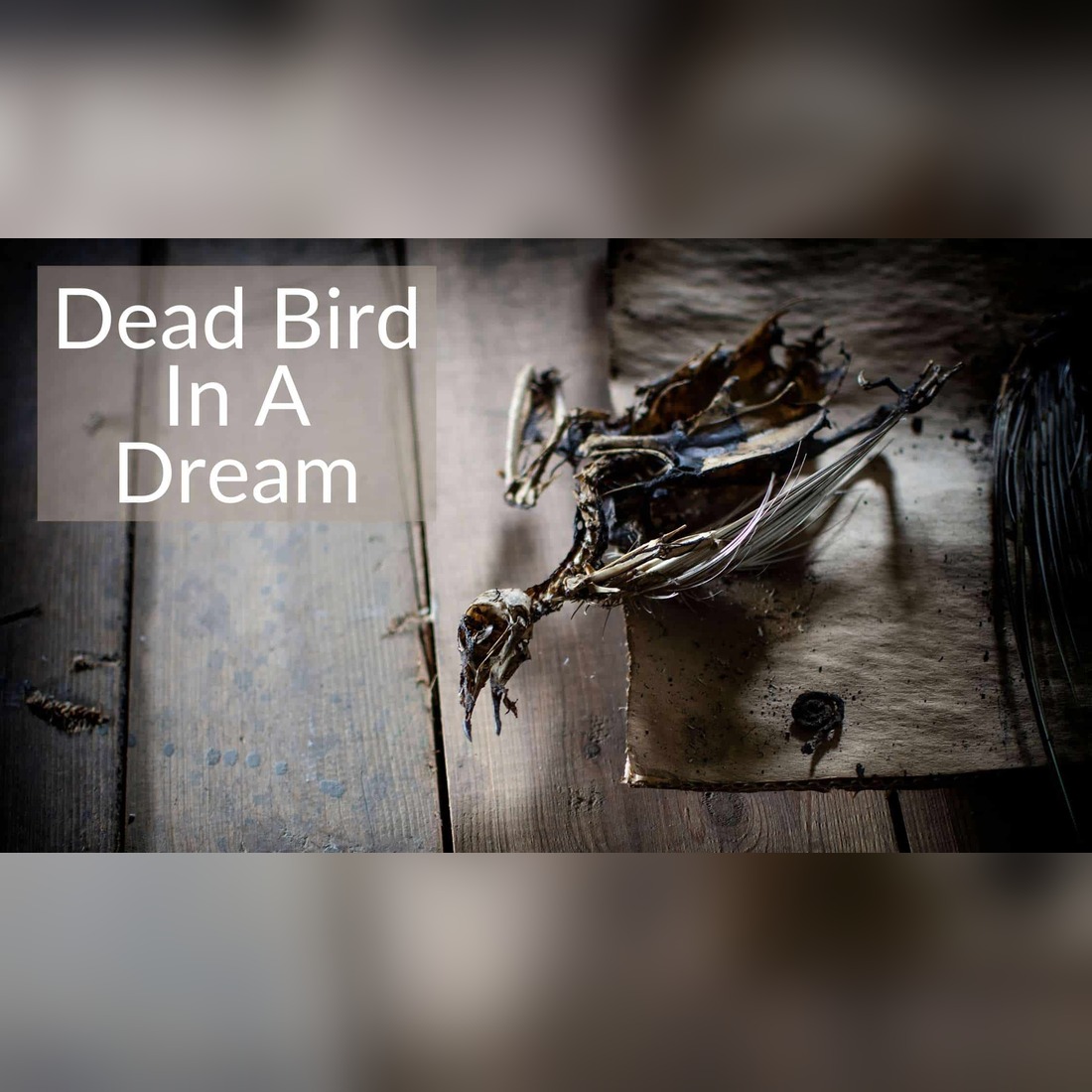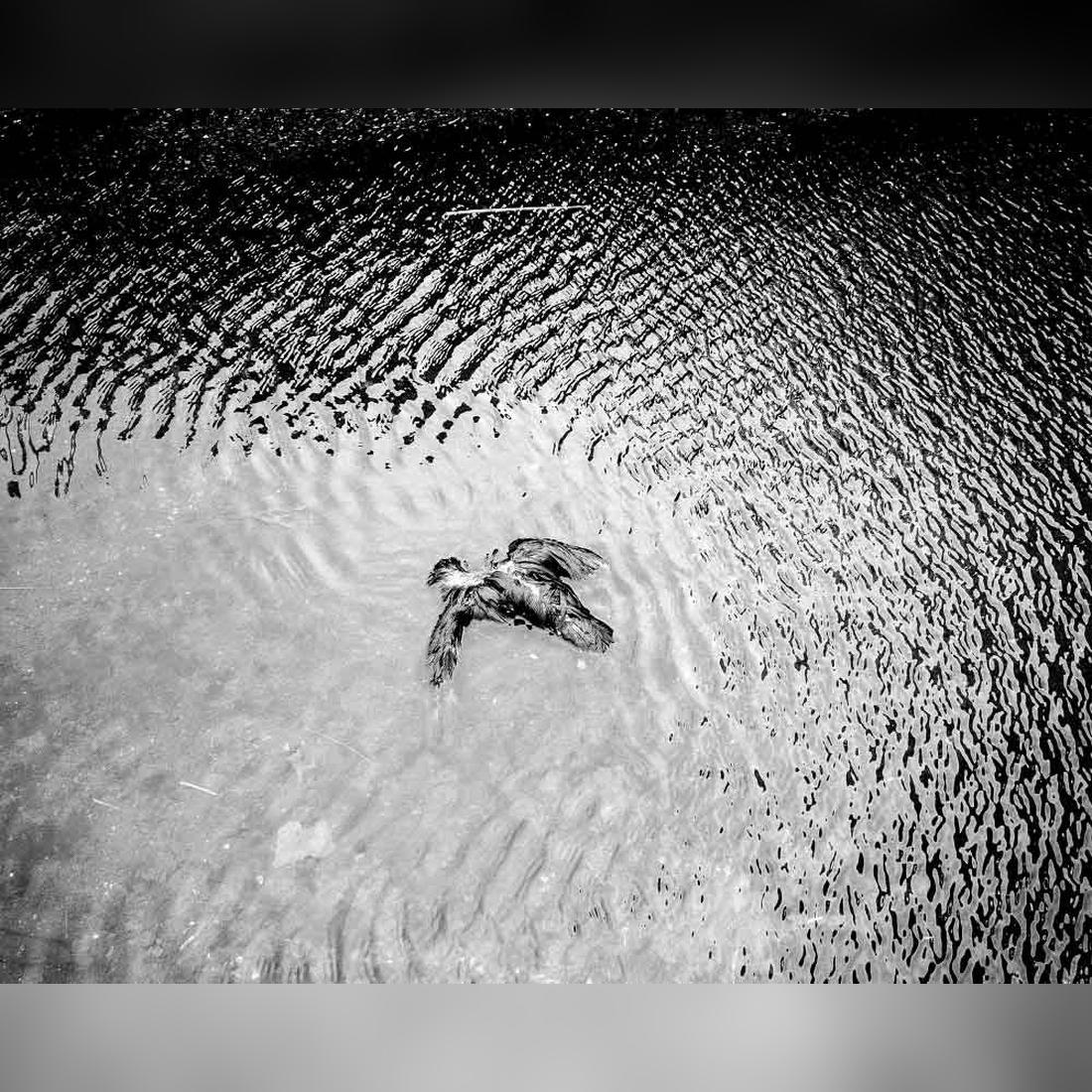
A dead bird floating in your pool marks a boundary crossed. In Irish tradition, a bird that dies in water has moved from the outside world into your protected space and cannot leave it. But the species matters, the season matters, and whether this is your first or third time pulling one out changes what it means.
Key Takeaways
- A dead bird in a pool is a boundary-crossing sign in multiple traditions, a call for purification, not a forecast of disaster.
- Safe removal and pool disinfection come first, before any interpretation.
- Irish, Nahua, Yoruba, and Shinto traditions all read dead birds near domestic water as a prompt for cleaning, not cause for fear.
- Where in the pool you found it, and what species it was, can sharpen the reading without changing its core.
- A ritual response is optional. Tradition-grounded options exist if you want one.
What Does It Mean When You Find a Dead Bird in Your Pool?
Disruption. Not doom.
A dead bird in a pool sits at the intersection of two things that old traditions treated as charged: a bird, which moves between worlds, and water, which purifies or contaminates depending on what enters it. When those two things meet badly, the encounter reads as a household omen of imbalance. Not as a fixed forecast that someone you love is about to die.
I want to say plainly what I mean by “omen.” I’m not a shaman or a psychic. I read tradition the way a careful person reads old letters: for what the writers actually said, not what I wish they’d said. And what the traditions say about a dead bird in a domestic water source is consistent enough to be worth knowing.
Irish vernacular belief, Aztec-Nahua cosmology, and Yoruba religion land in roughly the same place: the bird’s death in your water calls for a response. Cleaning. Attention. Not fear.
What Should You Do First After Finding a Dead Bird in Your Pool?
The practical step comes first. Do it before you think about anything else.
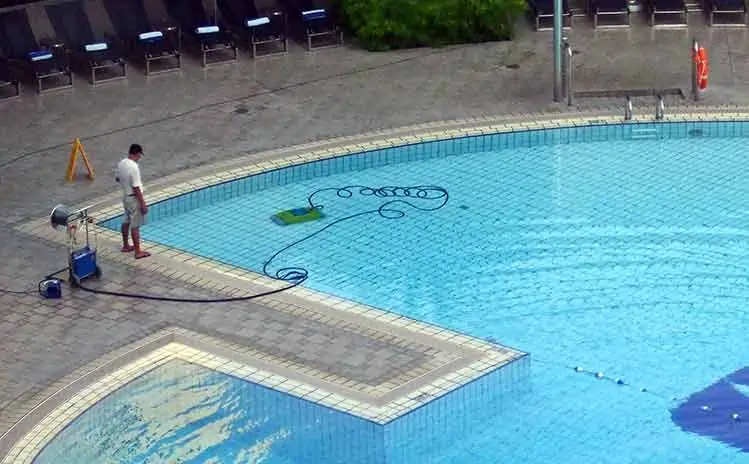
Wear disposable gloves. Use a net or a plastic bag turned inside-out to remove the bird without touching it directly. Double-bag the body, seal it, and put it in your outdoor trash. Wash your hands with soap even if you wore gloves. If the bird looks diseased, bald patches, discharge, visible sores, report the find to your local animal control. In areas with active avian influenza monitoring, they want to know.
Don’t let pets drink from the pool until you’ve run the disinfection cycle below. The U.S. Centers for Disease Control notes that properly chlorinated pool water is unlikely to transmit avian pathogens, but “properly chlorinated” is doing a lot of work in that sentence.
The unease you feel is real. Address it practically first, and the rest will sit quieter.
How Do You Clean and Disinfect a Pool After a Dead Bird?
The CDC’s guidance is specific. Raise your free chlorine level to 2 parts per million and keep your pH between 7.2 and 7.5. Run the filter for at least one full circulation cycle, which for most residential pools means 8 hours. Then re-test before anyone swims.
If your pool was already in range and the bird appeared recently, one shock treatment and a full filter run is generally enough. If the bird had been there for more than a few hours, or the water looks cloudy, do a full shock: raise chlorine to 10 ppm overnight, then let it drop back below 4 ppm before swimming.
Clean and rinse any tools you used. A 2019 review of recreational water illness data from the CDC found that properly maintained residential pools with chlorine levels in range posed negligible risk from single avian contacts. The maintenance matters. Do it, and you’re done with that part.
Does Where the Bird Was Found in Your Pool Change the Meaning?
Practically, no. The cleaning protocol is the same wherever in the pool you found it. Symbolically, location does something.
In Irish vernacular tradition, documented in the Jennings Funeral Customs archive and in records from the Irish Folklore Commission, the threshold is what matters. A bird that died near the steps or the pool’s edge, the entry point, where you lower yourself into the water, sits closer to the threshold symbolism Irish folk belief tracks most carefully. Irish funeral customs literature treats boundary-crossings as the significant event, not the death itself. The bird at the edge is saying something different from the bird floating in the middle.
A bird found at the skimmer or drain, pulled there by the pool’s circulation, reads differently. The pool’s machinery brought it to that point; the encounter feels mechanical rather than chosen, and I’d weight the symbolic reading accordingly, lighter.
A bird floating in the center, untouched, with no obvious explanation for how it got there? That’s the one that makes people sit down. In Nahua-informed cosmology, the center of a bounded space holds different weight than the edge. The omen traditions around tetzahuitl, the category of charged signs that includes dead birds near domestic spaces, focus on disruption from within rather than intrusion from without. A bird in the center of your pool has already arrived. It’s asking for acknowledgment.
What Is the Spiritual Meaning of a Dead Bird in Water Across Cultures?
Three traditions say essentially the same thing in different languages.
Irish vernacular folk belief, as recorded in the Poyntzpass folklore collection and in the Irish Superstitions and Legends of Animals and Birds compiled by Ó hÓgáin, treats birds as death omens when they violate domestic boundaries: falling down chimneys, entering through windows, dying on thresholds. The pool is a modern version of the well or the rain barrel, the household water source. A bird dying there signals that something in the protected space of your home needs attention. Not that a specific death is coming.
In Aztec-Nahua cosmology, Caroline Dodds Pennock’s analysis in the journal Ethnohistory documents how the tecolotl and chiquatli served as paired death-omens under the Lords of Death, Mictlantecuhthi and Tezcatlipoca. The broader category of tetzahuitl included birds near water sources, specifically near the domain of Tlaloc, the rain god, as signs of disrupted balance. The appropriate response, in Nahua practice, was ritual cleansing. Not mourning.
In Shinto understanding of water, the kami Suijin governs streams, wells, and communal water sources. According to the Glossary of Shinto maintained by the Association of Shinto Shrines, contamination of a water space sacred to Suijin calls for misogi, ritual purification through water and intention. The bird’s body is the contaminating element, and the cleaning is both the practical act and the ritual one at once. You don’t have to be Shinto for that to work as a framework.
I don’t know which of these speaks to your situation. But I read all three as pointing at the same instinct: something entered your water. Clean it. Mark the moment. Move through it.
What Does Yoruba Tradition Say About Dead Birds and Household Water?
This is the one I find most useful for thinking about birds and water specifically.
In Yoruba religion, the vulture (Igún) and the marabou stork (Akala) have a special role: they are in-between birds, standing between life and death, able to help move things from one world to another. Scholarship published in the Ancestrals journal on Igun in Yoruba religion describes these birds not as death itself but as the beings who handle death, who eat decay and bring back balance. They are purifiers.
A carcass in a household water source, in a Yoruba-informed reading, signals impurity entering a resource the household depends on. The response is not grief. It is a specific sequence: clean the water, restore the balance, make an acknowledgment to whatever force you believe governs your home. The bird is the occasion for the response, not the verdict.
The marabou stork (Akala) is associated with fate and the natural weight of things left unchecked. I find that the most honest reading available. The dead bird in the pool is an invitation to pay attention to something you may have abandoned unattended. The water. The boundaries. The things you maintain and the things you allow to slip away.
Frequently Asked Questions
Is it bad luck to find a dead bird in your pool?
“Bad luck” flattens something more textured. In Irish vernacular tradition, Nahua omen practice, and Yoruba belief, a dead bird in a domestic water source signals disruption and a call for purification, not a fixed forecast of bad events. The finding is the beginning of a response, not an announcement of a consequence. Clean the pool, mark the moment with intention, and you’ve done what the traditions ask. There’s no version of this that means you are cursed.
Can a dead bird in a pool make you or your pets sick?
A properly chlorinated residential pool, maintained at 2 ppm free chlorine and pH between 7.2 and 7.5, poses very low risk from a single bird contact. The CDC’s recreational water illness guidance confirms that chlorination at normal residential levels effectively neutralizes avian fecal pathogens. Don’t let pets drink from the pool until after the shock treatment and a full filtration cycle. If the bird showed visible signs of disease, report it to local animal control and treat the pool conservatively before anyone swims.
How long should you wait before swimming after removing a dead bird?
Run a full filter circulation cycle after raising chlorine to at least 2 ppm. For most residential pools, that’s 8 hours. If you did a full shock treatment (chlorine raised to 10 ppm overnight), wait until the level drops back below 4 ppm before swimming. Re-test before anyone enters. If the pool was already properly maintained and the bird appeared recently, the shorter cycle is usually sufficient. A day is not a long time to wait.
Does the type of bird change the spiritual meaning?
It sharpens the reading without overturning it. A sparrow dying near your domestic water carries the household-soul associations it holds in Irish and English folk tradition: close, personal, worth attention. A crow carries more weight in the Irish record, where crows near a home are taken seriously. A dove tilts toward disrupted peace or an unaddressed relationship. But the core reading across species is the same: boundary disruption, call for purification, invitation to pay attention. Let the species inflect your response, not determine it.
Is finding a dead bird near water different from finding one on land?
Yes, in most traditions I’ve read. Water is already charged: in Shinto it is the domain of Suijin and requires purity; in Nahua cosmology, water belongs to Tlaloc and connects life-giving rain to underworld forces; in Irish tradition, household water sources, wells, tanks, rain barrels, are domestic threshold spaces. A bird dead in your water has entered a doubly protected space. The practical response is more specific than a bird on a garden path, and the symbolic response has more established tradition behind it.
Do I need to perform a ritual, or is cleaning the pool enough?
Cleaning is enough, practically. Whether a ritual helps depends on you. In Shinto-adjacent thinking, the cleaning itself can be the ritual, done slowly, with attention, it carries the weight of intention without requiring any external belief system. If you want to add something, the Irish tradition of a brief spoken acknowledgment is simple and costs nothing. None of the traditions I’ve read requires a specialist, a ceremony, or a purchase. Attention is the thing.
What does it mean if I keep finding dead birds in my pool repeatedly?
First, the practical angle: check for things around the pool that attract birds, nearby feeders, fruit trees, reflective water that looks like a safe landing surface from above. A pool birds approach regularly will occasionally have birds drown in it, especially fledglings in late spring who are poor fliers. If you can identify and change the attractant, do it. If the pattern persists with no obvious cause, I’d read it the way Irish tradition reads repeated boundary events: not as escalating doom, but as a consistent invitation to pay attention to something in your home environment you haven’t addressed yet.
Should I tell other household members about the spiritual meaning?
Tell them about the cleaning protocol. Whether you share the symbolic reading depends on whether they’d receive it or mock it, and you know them better than I do. An omen is not a sentence. It is a sign that something is being asked of you. If the people in your household would find the traditional reading grounding rather than alarming, share it. If it would create more anxiety than it resolves, keep the cleaning and let whatever response you make be private. Both are acceptable.
Sources
- Dodds Pennock, Caroline, “The Tecolotl and the Chiquatli: Omens of Death and Destiny in Aztec-Nahua Tradition,” Ethnohistory, Duke University Press
- Animals Around the Globe, The Owl That Guards the Underworld in Aztec Myth
- Spirits Conjure, Ornithomancy: The Practice of Reading Bird Omens
- Ancestrals, Igun (Vulture) in Yoruba Religion: In-Depth Analysis of a Sacred Bird
- OnMark Productions, Suijin: Japanese Water Deity
- Wikipedia, Glossary of Shinto
- Jennings Funeral Home, Funeral Customs: Birds, Beehives, and Bereavement
- Poyntzpass Local History Society, Folklore of Birds (Vol. 13)
- O hOgain, Irish Superstitions and Legends of Animals and Birds
- Irish Heritage News, The Heron in Irish Folklore
- Online Etymology Dictionary, “Omen”
- Online Etymology Dictionary, “Bird”
- History-Aztec.com, Gods of Death in Aztec Religion
- EnviroLiteracy, Vultures in Aztec Mythology